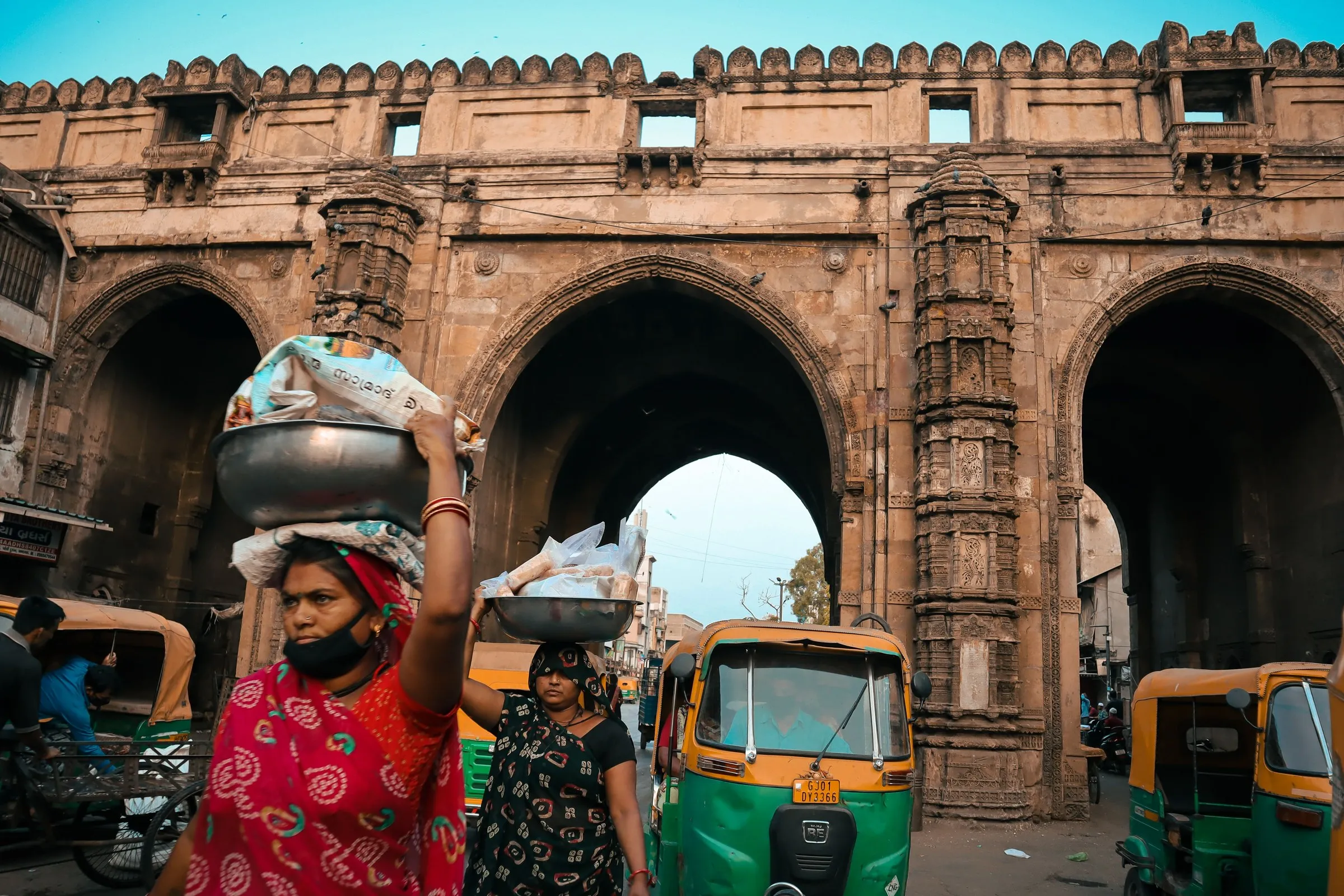
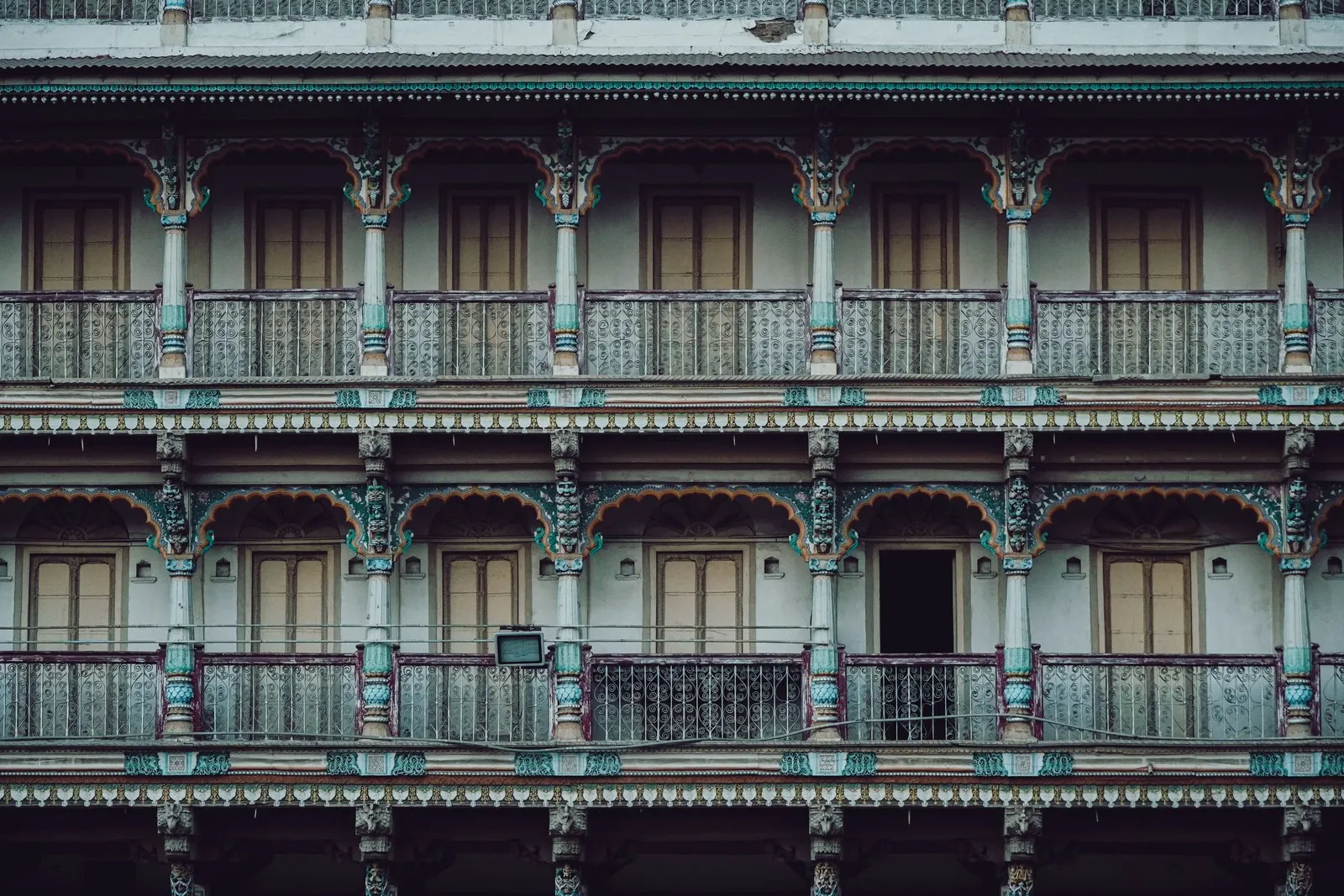
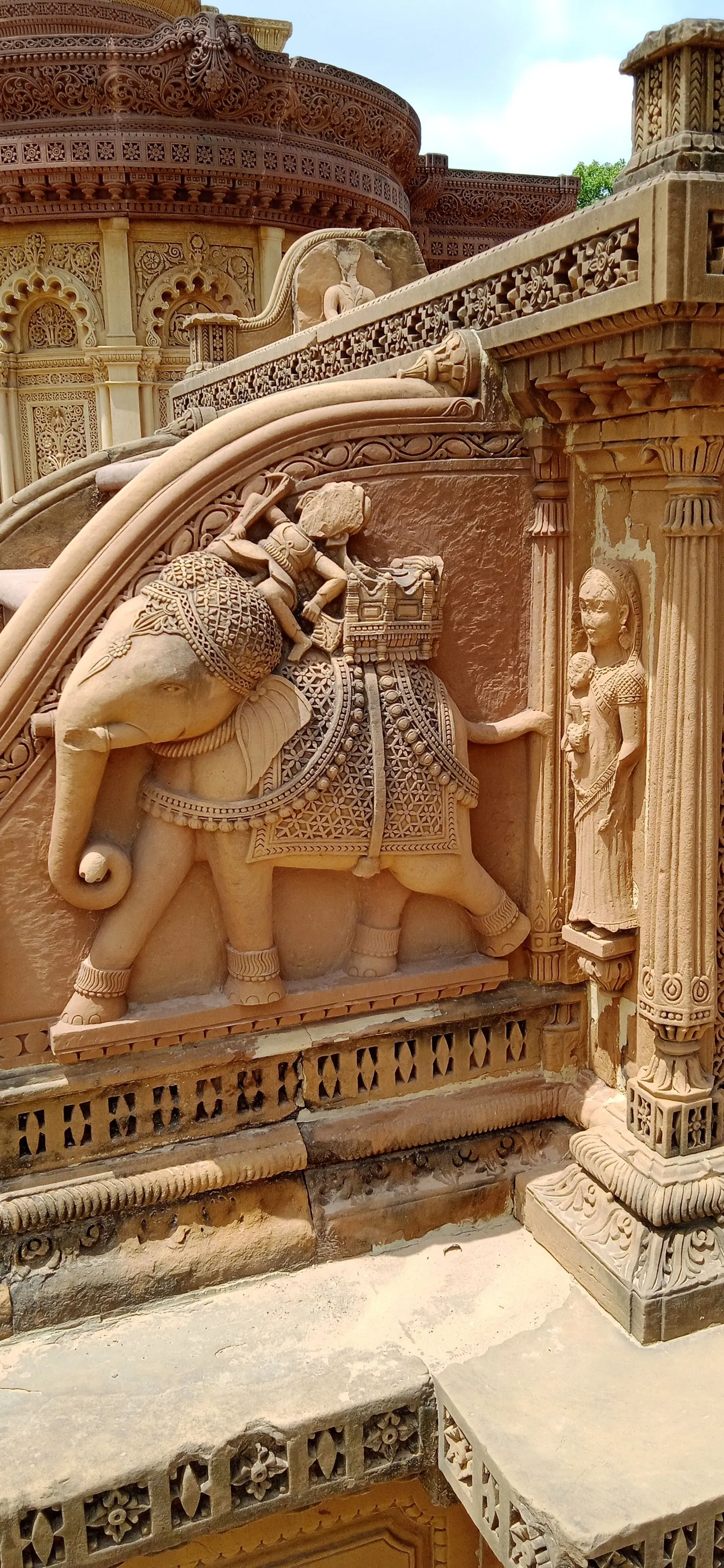
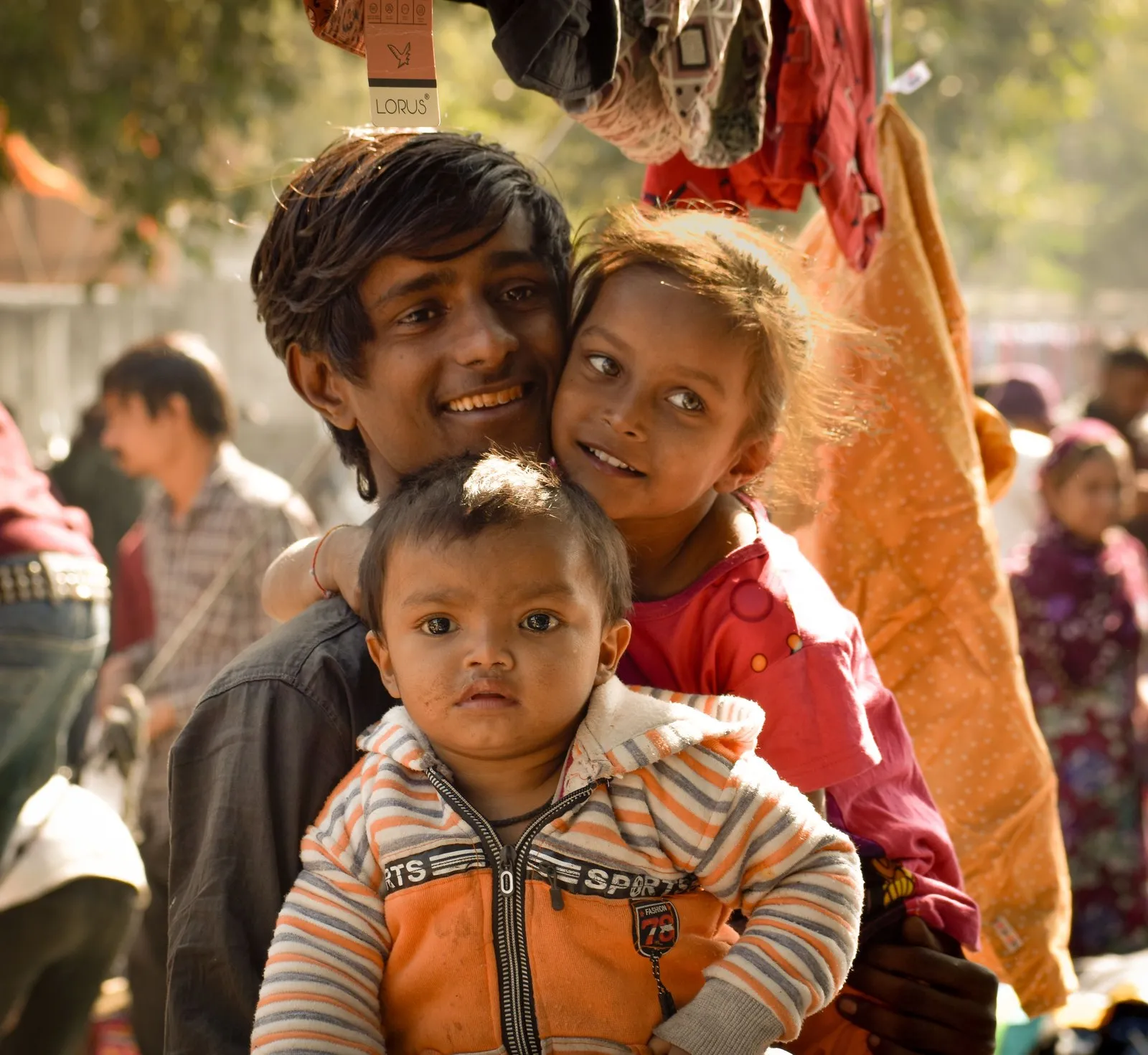
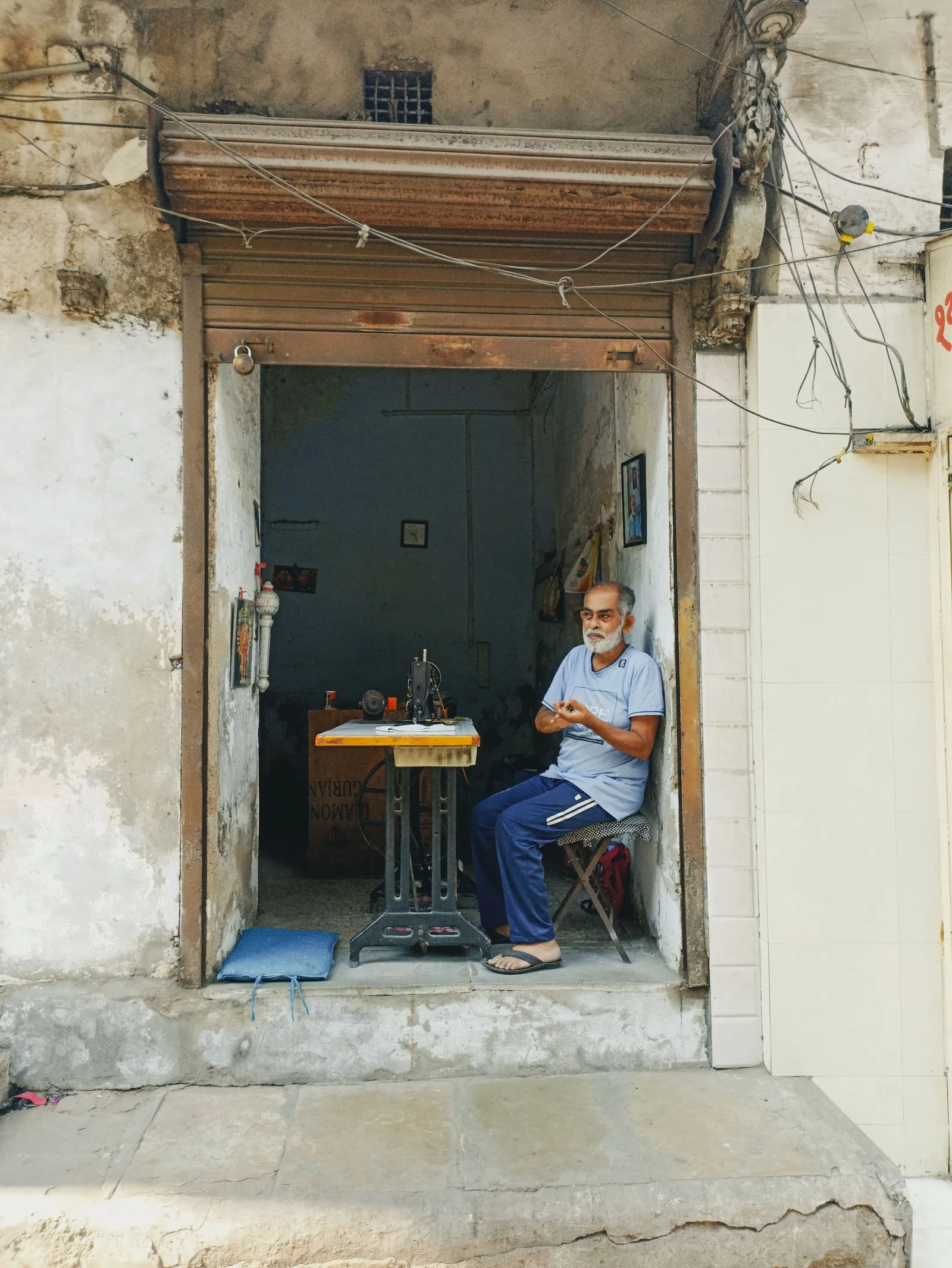
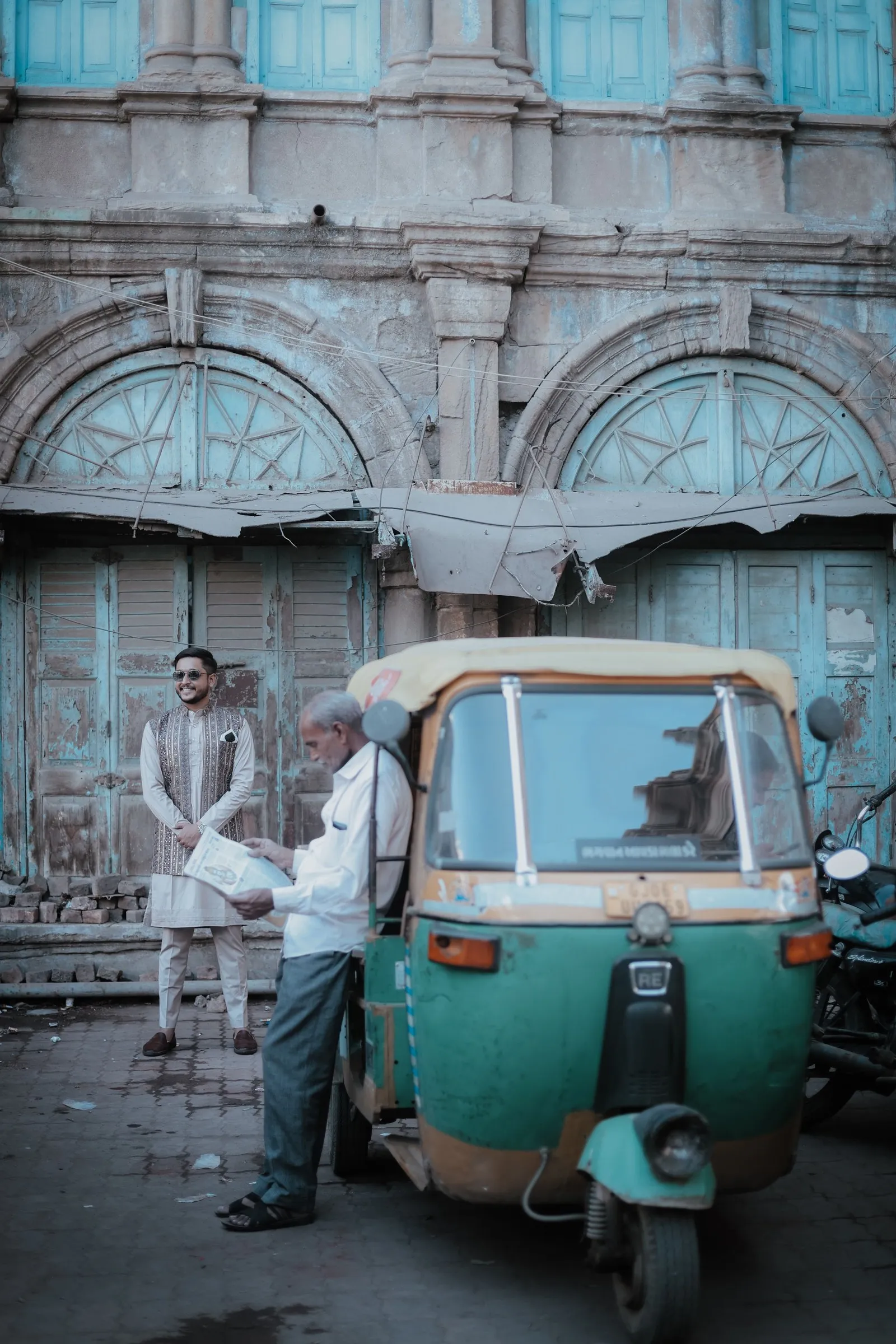
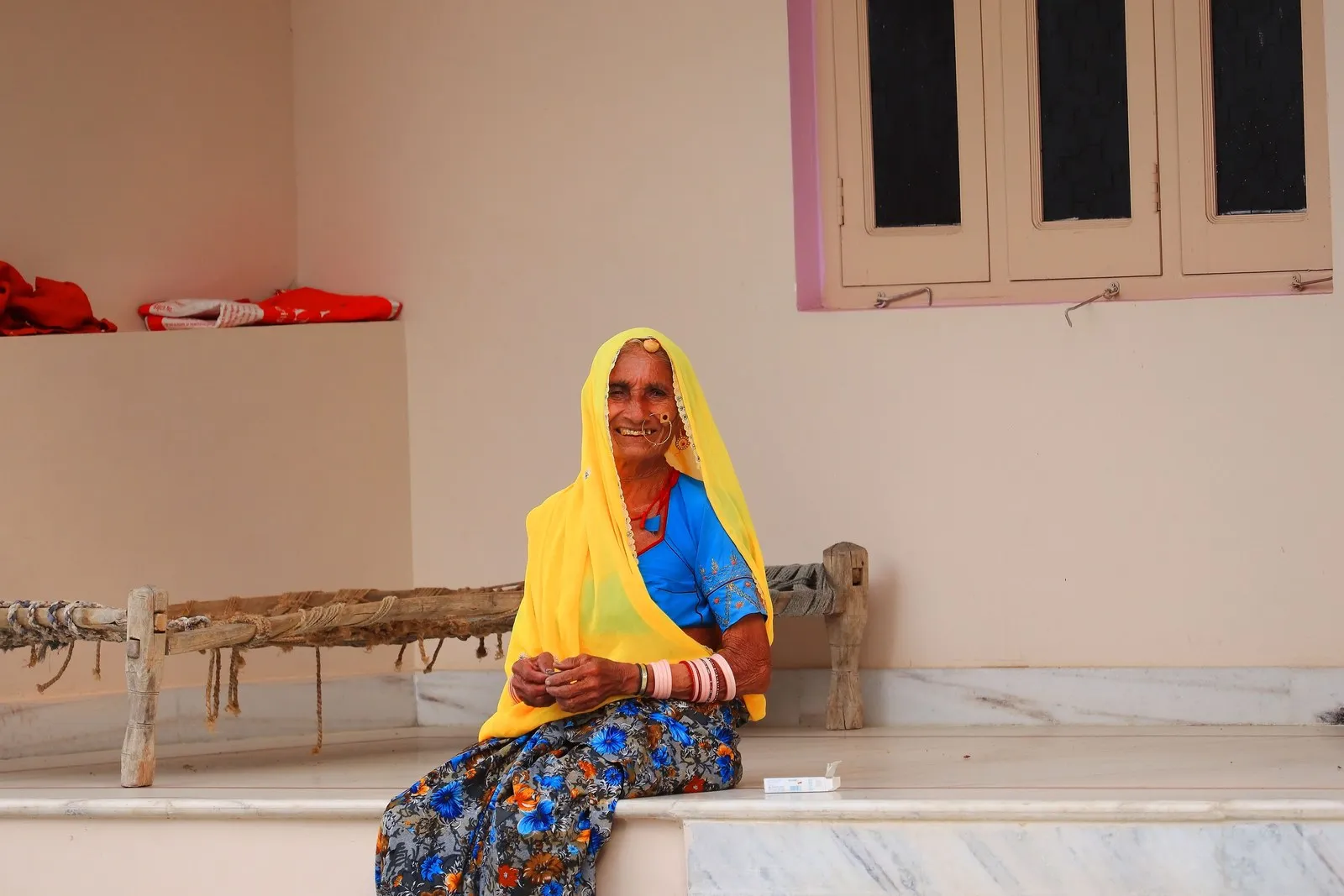
A long, full day. First Ambaji, in the Arasur hills at the south-western end of the Aravallis: a white marble temple with a golden spire, one of the great shrines of the goddess, where no image is worshipped but a sacred yantra. In the bazaar around it, Garasia and Rabari families come to buy and sell in their own dress and silver. Then Siddhpur, where the Dawoodi Bohra merchants built whole streets of tall houses in a European manner a century and more ago, with carved balconies and painted columns.
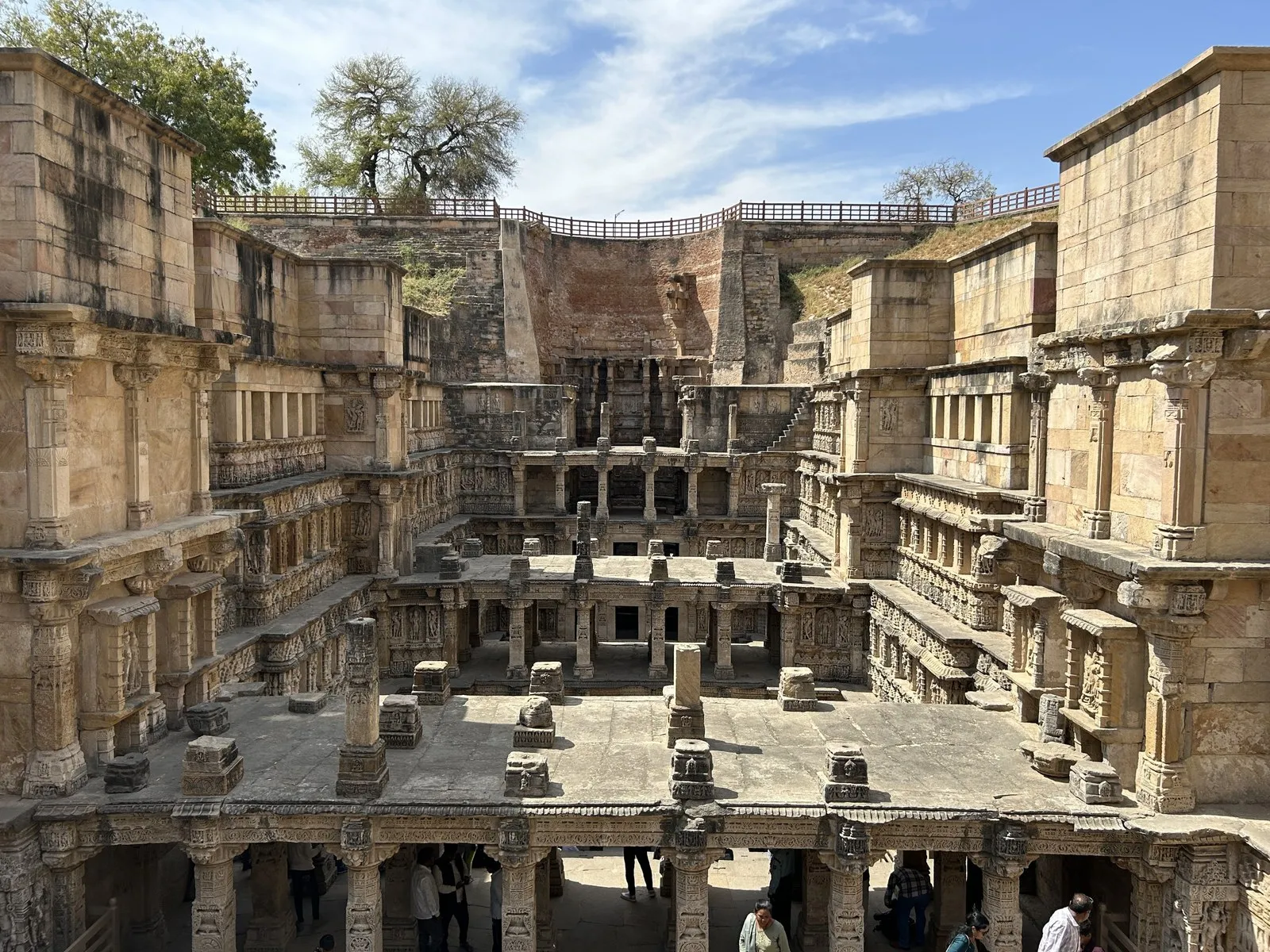
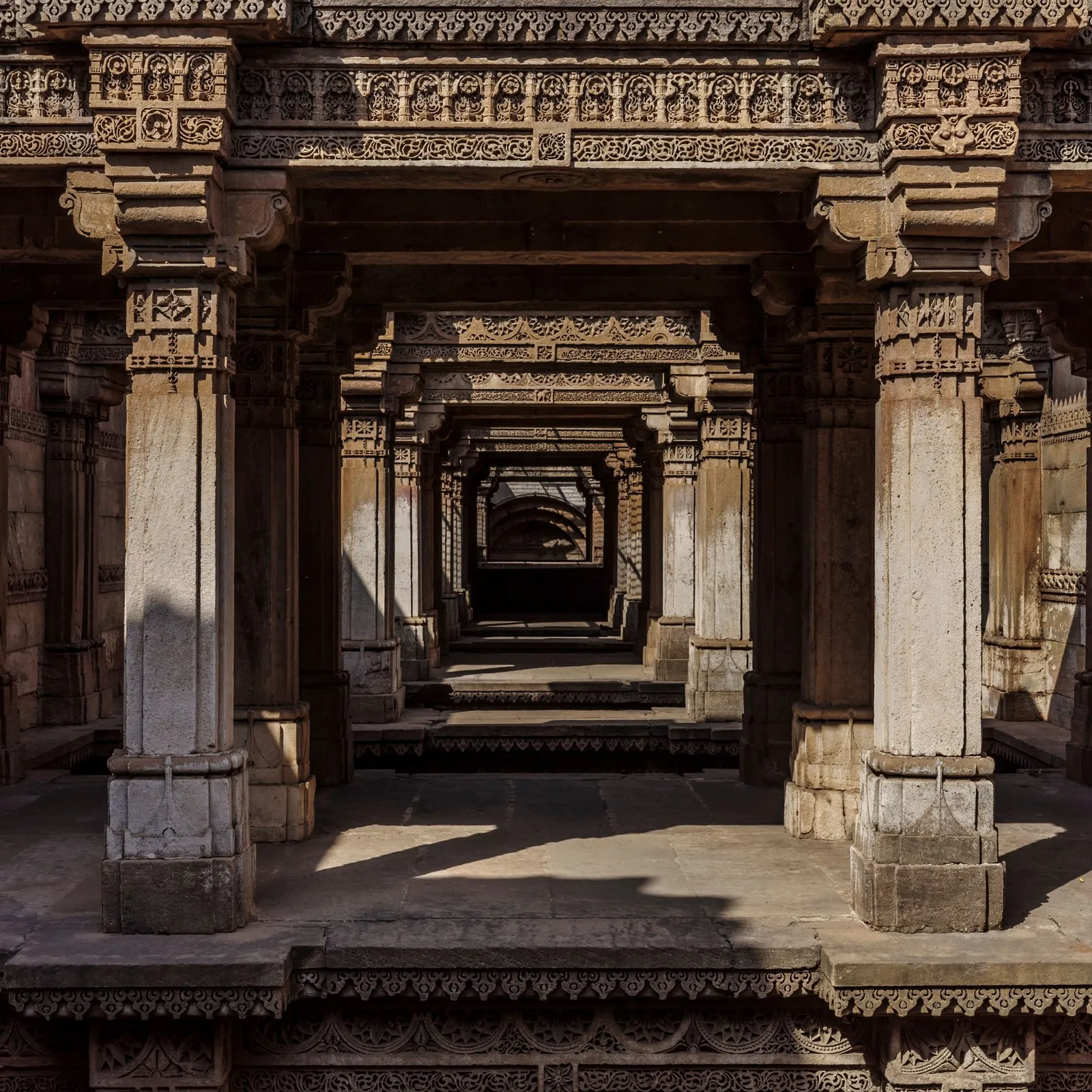
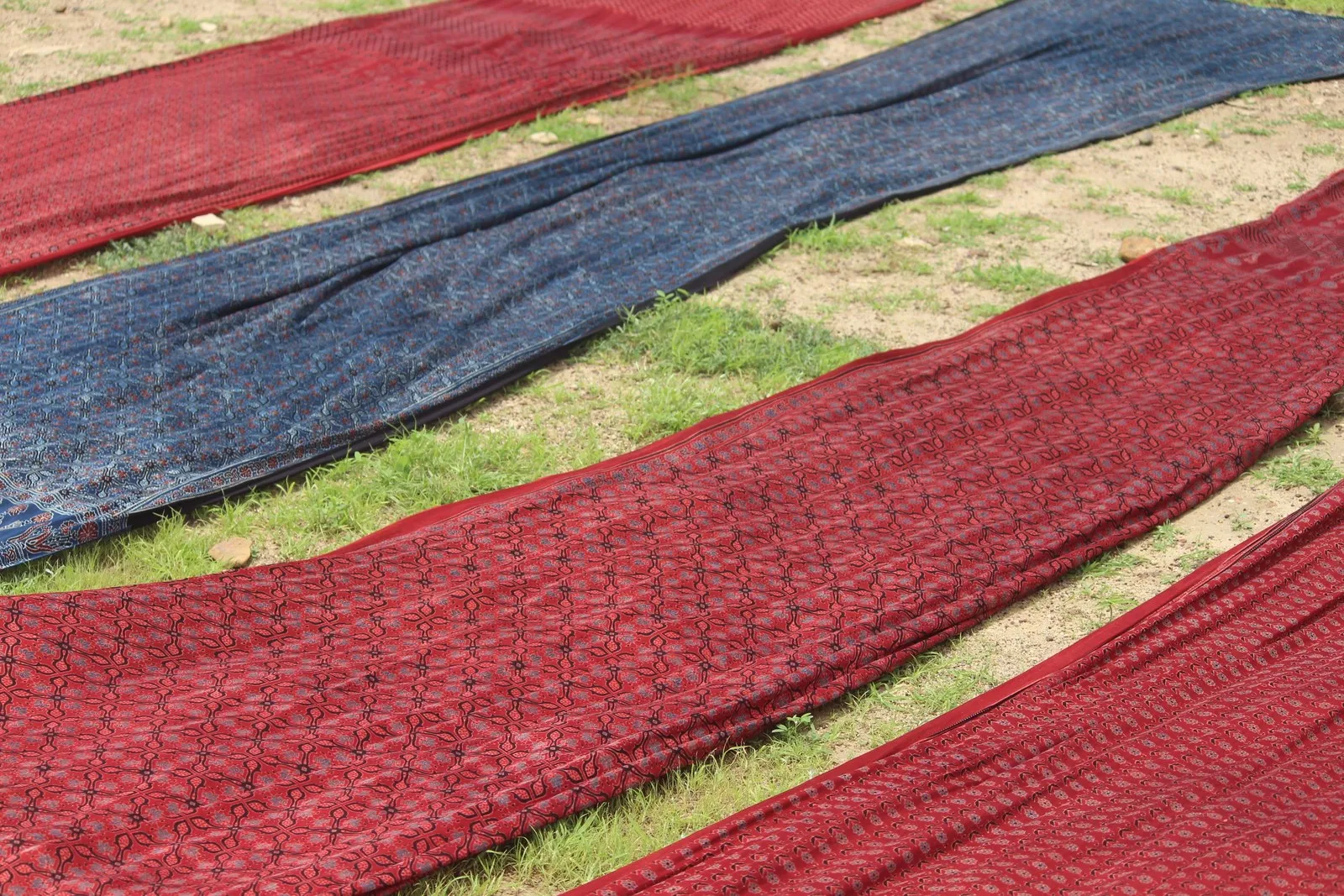
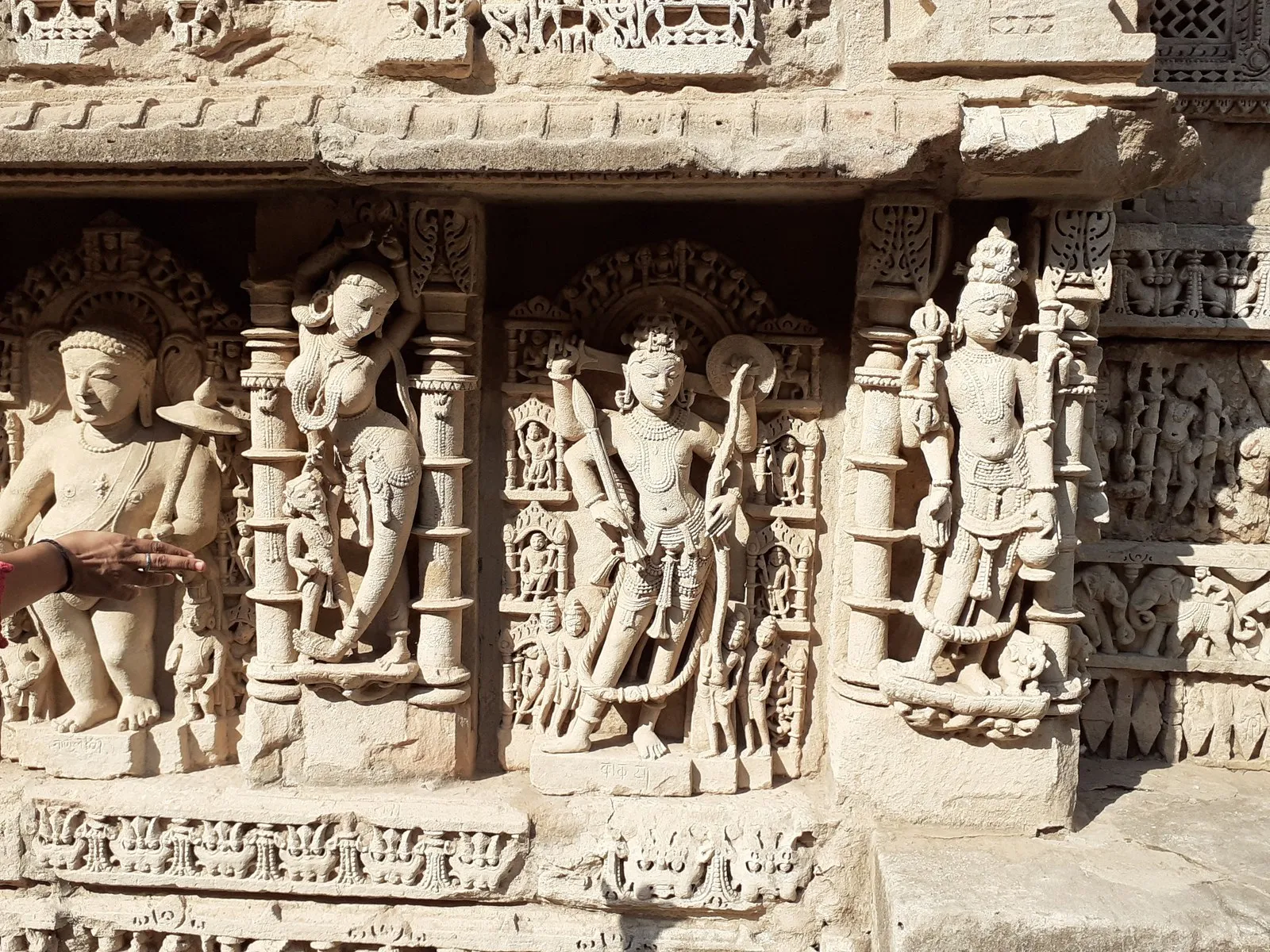
At Patan, the Rani ki Vav, the Queen’s Stepwell, built in the eleventh century in memory of King Bhimdev I and now a World Heritage Site: seven levels of galleries carved with hundreds of figures, most of them forms of Vishnu. Patan is also the home of the double-ikat patola, woven by the Salvi family: warp and weft are both tied and dyed before weaving, so that the pattern appears, exact, on both sides of the silk. Mashru, the satin-weave of silk and cotton, is being revived here too.
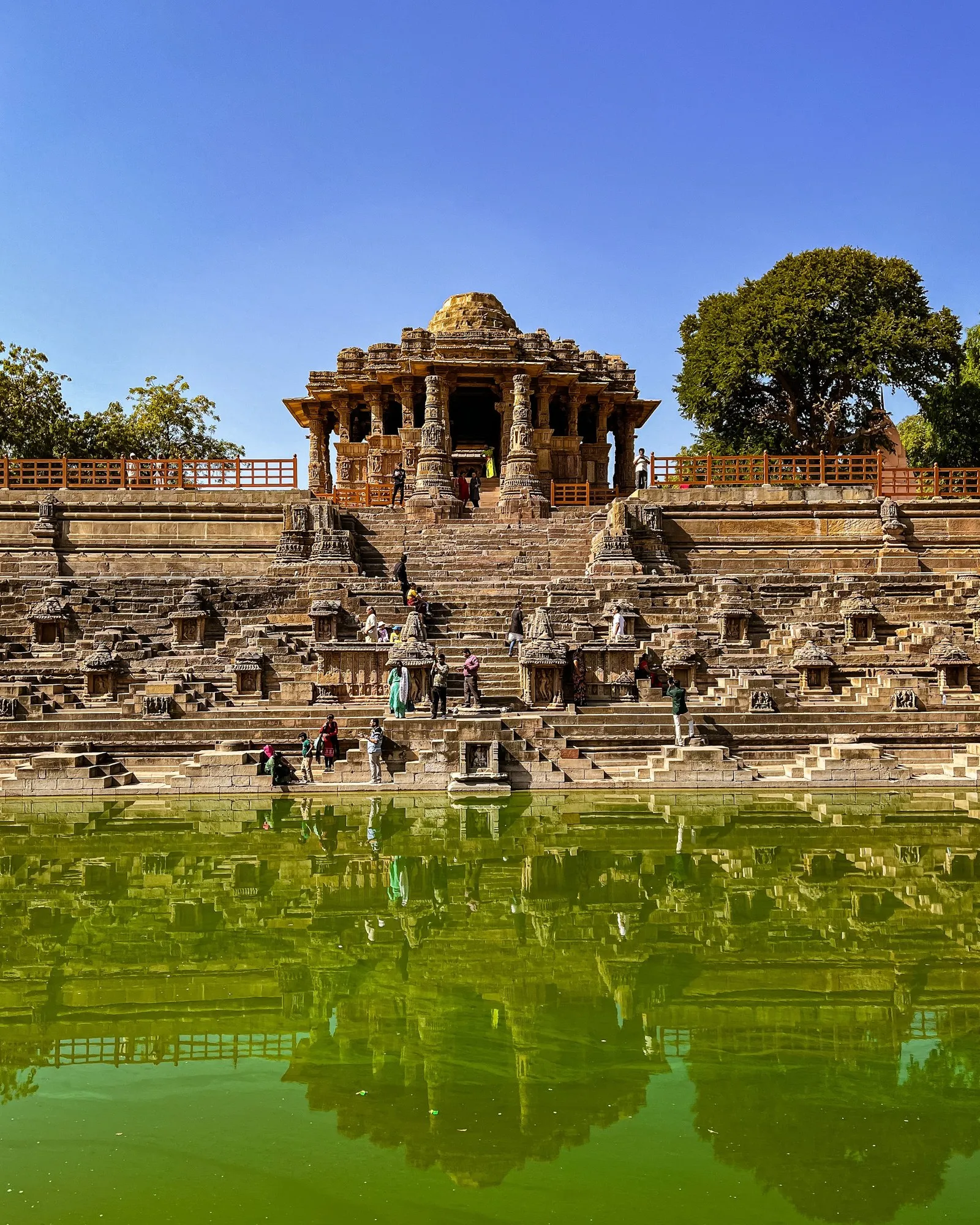
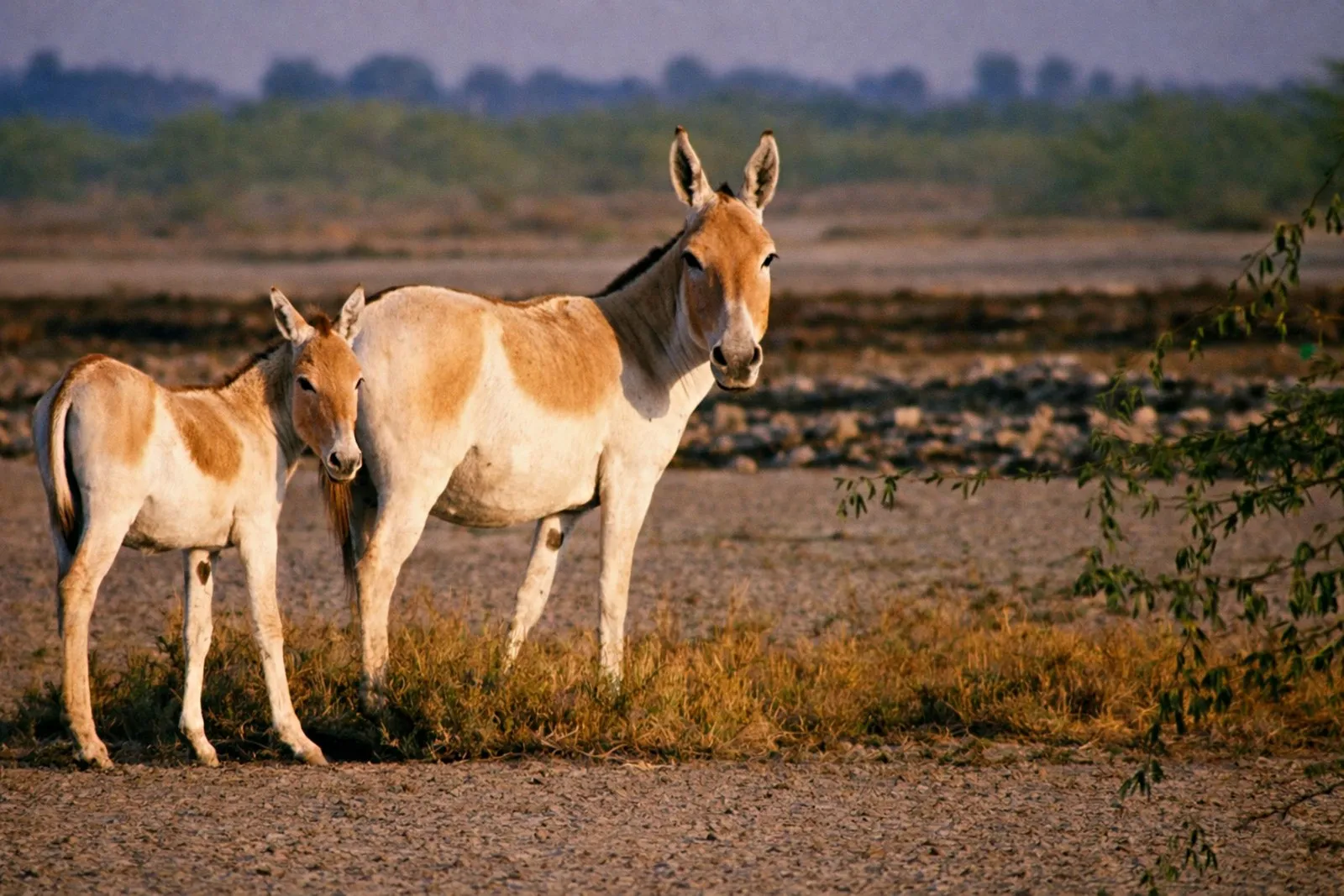
Then the Sun Temple at Modhera, built in 1026–27 under Bhimdev I, with the stepped tank of the Surya Kund before it; and Becharaji, the temple of Bahuchara Mata, patron goddess of India’s hijra community. On to Bajana, at the edge of the Little Rann of Kutch, by evening.