Rang Travels — explore the colors of India
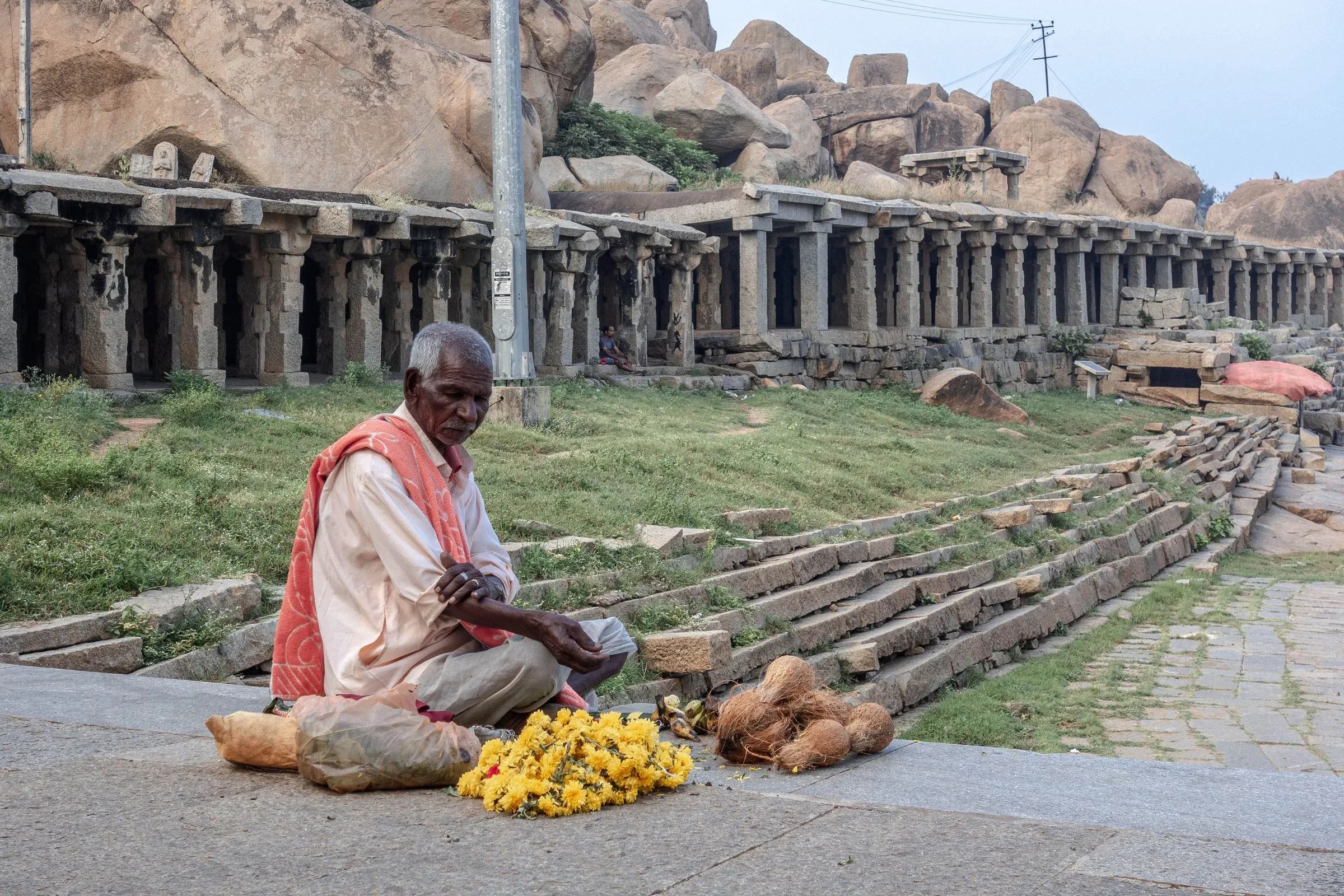
A flower and coconut seller below the old colonnades of the Hampi Bazaar

Heritage · Architecture · Caves

Hidden Treasures of India: Mandu to Hampi

Mandu, the Narmada, Ajanta and Ellora, Bijapur, Hampi, Badami and the beaches of Goa

See the day-by-day
Duration
14 days · 13 nights
Halts
7
Mumbai to Goa
Best months
October – March
Price
On request
quoted to your dates

The journey

Fourteen days from Mumbai to Goa: Mandu, Maheshwar on the Narmada, the caves of Ajanta and Ellora, Bijapur’s Gol Gumbaz, Hampi, Pattadakal and Badami.

This is India off the usual circuit, where the great monuments still have room around them. Mandu, the fortress city of the Malwa sultans on a ridge of the Vindhyas; Maheshwar and Omkareshwar on the holy Narmada; Burhanpur, the Mughals’ gateway to the Deccan; the painted Buddhist caves of Ajanta and the rock-cut temples of Ellora; then the capitals of the Deccan — Bijapur of the Adil Shahi sultans, Hampi of the Vijayanagara kings, and the early Chalukya temples of Aihole, Pattadakal and Badami. Two days on the beaches of Goa to finish.

What you see: the Jahaz Mahal floating between its two lakes; bathers on the ghats of Maheshwar at first light; the Kailasa temple, carved down into the hillside from a single mass of rock; the dome of the Gol Gumbaz and its whispering gallery; the stone chariot of the Vittala temple among the boulder hills of the Tungabhadra; the red cliffs of Badami above Agastya Lake; and the Basilica of Bom Jesus in Old Goa.

Highlights

What you will remember

  • The Gateway of India and the city museum in Mumbai

  • Mandu: the Jahaz Mahal, the Jami Masjid and Roopmati’s Pavilion

  • Maheshwar’s ghats and the island temple of Omkareshwar on the Narmada

  • The painted caves of Ajanta and the Kailasa temple at Ellora

  • The Gol Gumbaz at Bijapur, and a full day in Hampi

  • The Chalukya temples of Aihole, Pattadakal and Badami

  • Old Goa’s churches, and two days on the beach

The route

8 halts, in order

  1. Mumbai
  2. Mandu2 nights
  3. Burhanpur1 night
  4. Aurangabad2 nights
  5. Bijapur1 night
  6. Hampi2 nights
  7. Badami1 night
  8. Goa

Experiences

The moments it is built around

Everything else on this page is logistics. These are the reasons to come.

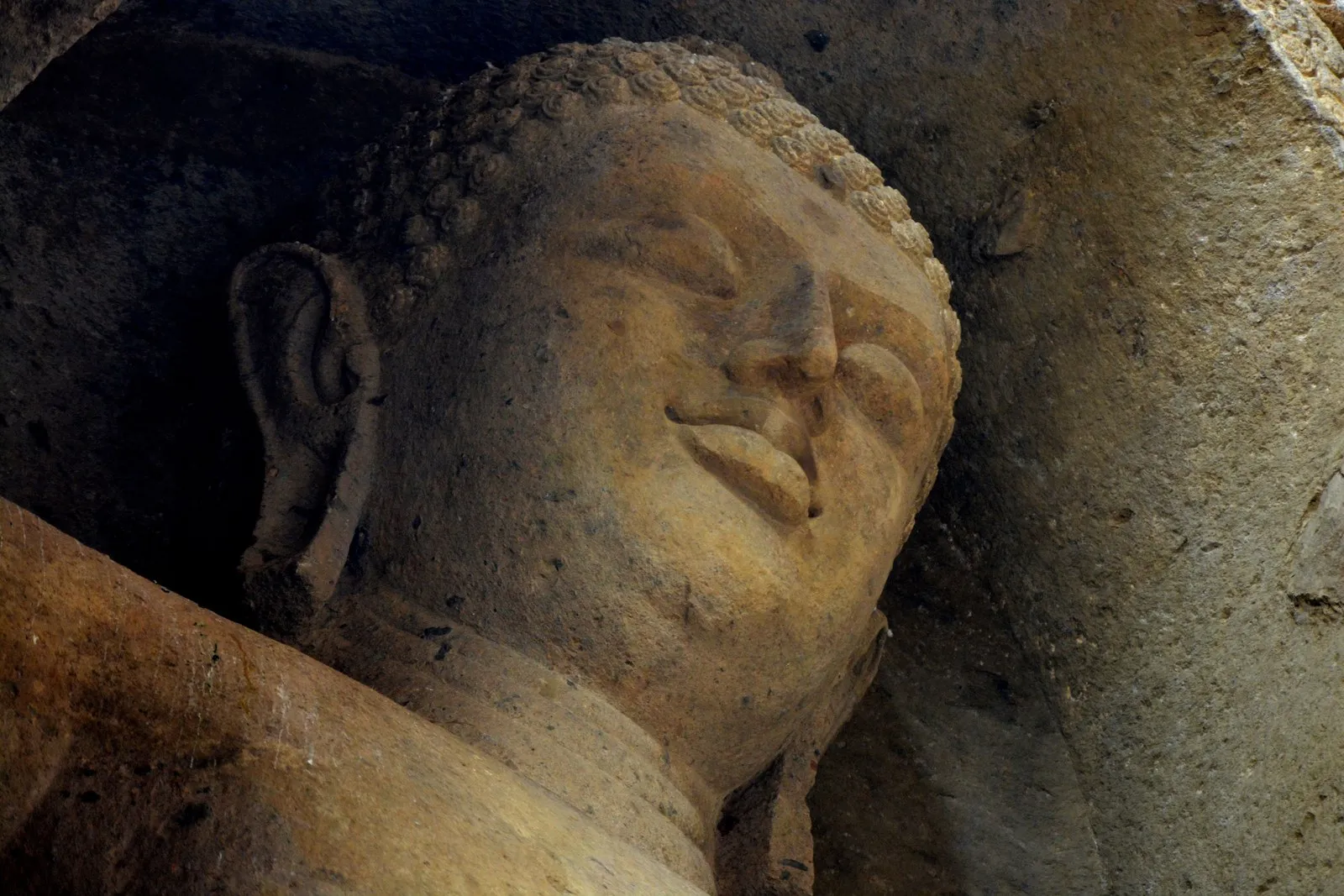
  • The face of the reclining Buddha carved in the rock at Ajanta

    The painted caves of Ajanta

    Jataka tales, princes and the Bodhisattva Padmapani, painted on the cave walls some fifteen hundred years ago.

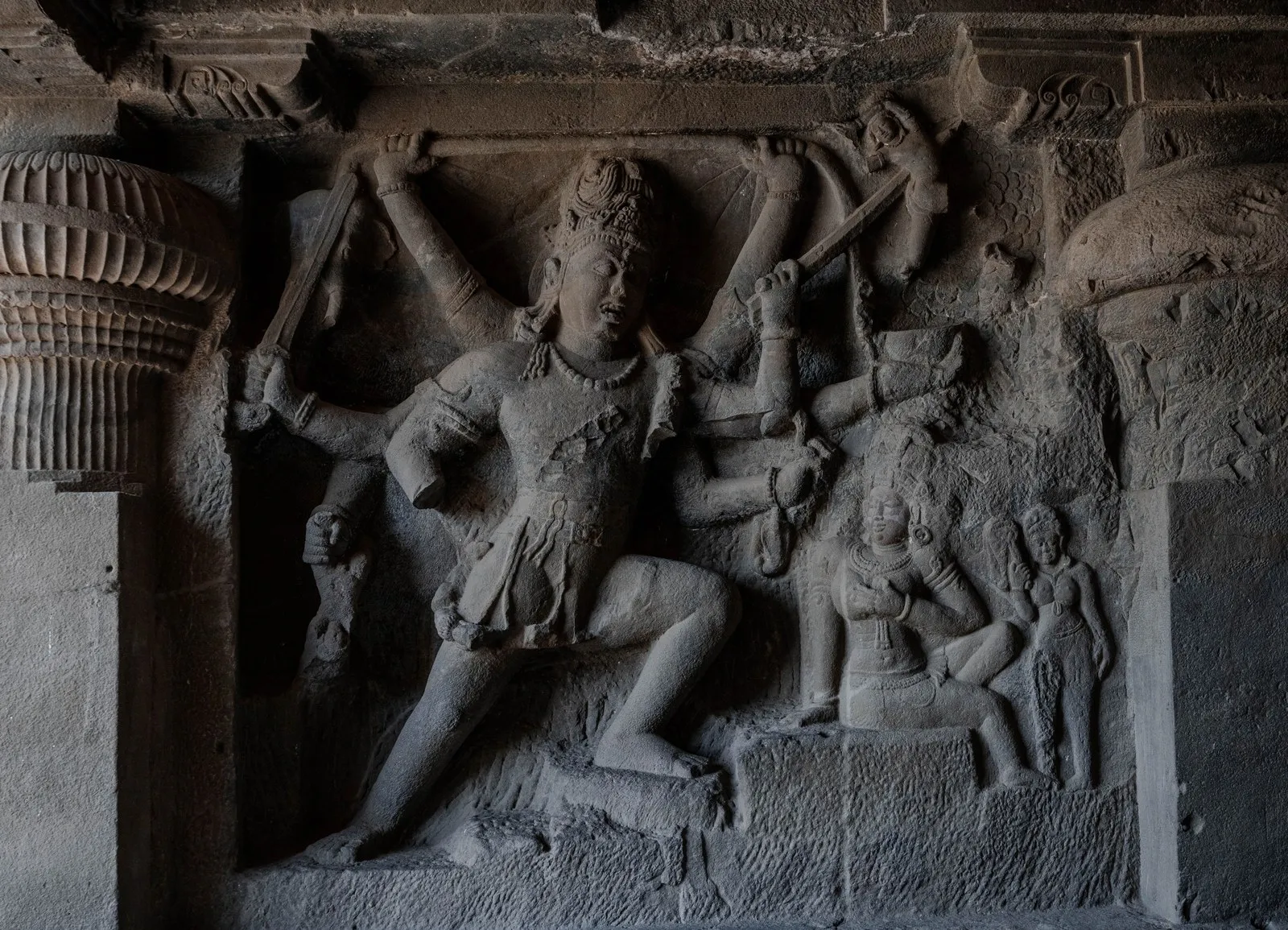
  • A many-armed figure carved in relief in a Hindu cave at Ellora

    Ellora’s three faiths

    Buddhist, Hindu and Jain caves cut side by side into one long cliff, over some four centuries.

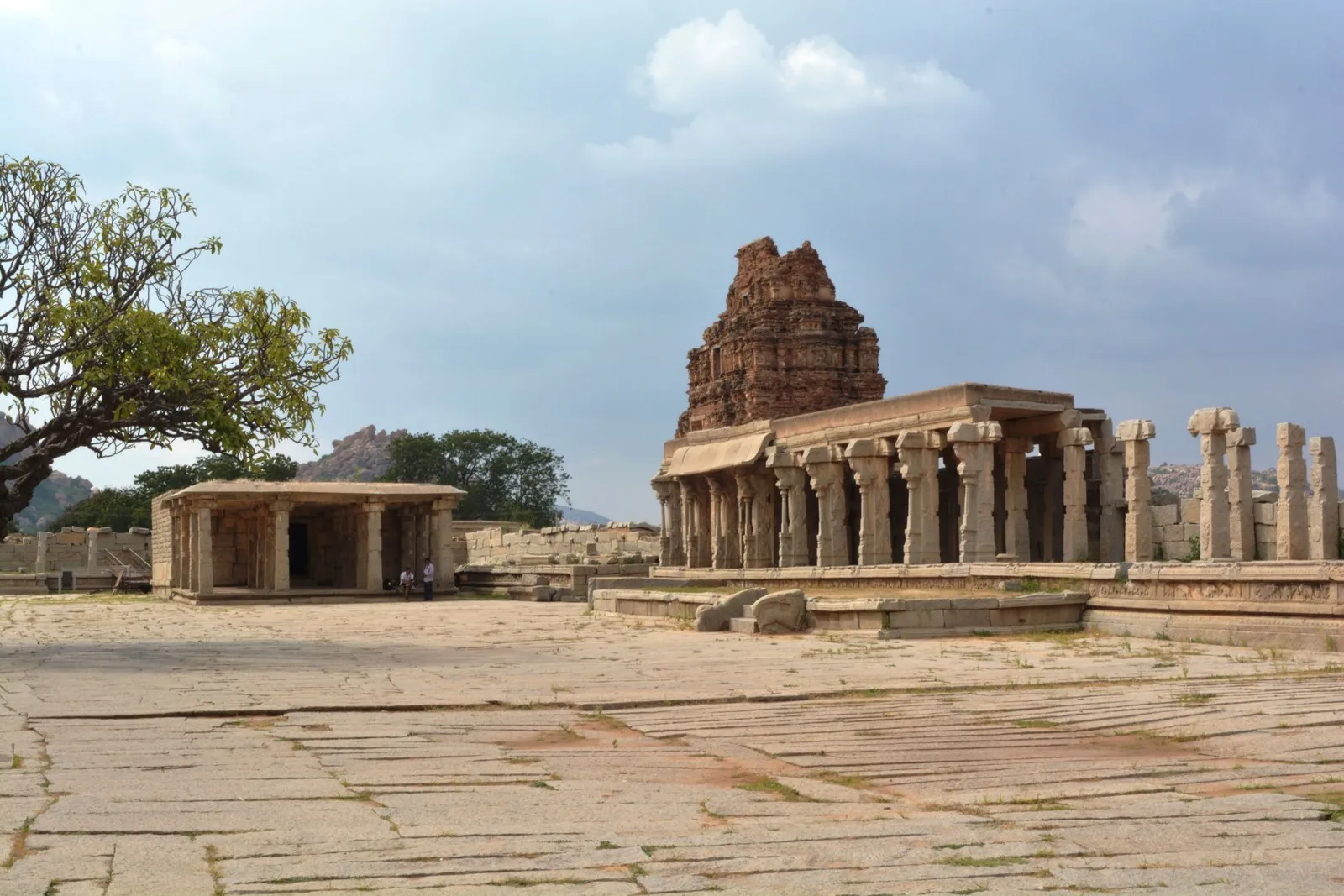
  • The courtyard of the Vittala temple, Hampi

    The Vittala temple

    The stone chariot and the musical pillars of Hampi’s finest temple, near the bank of the Tungabhadra.

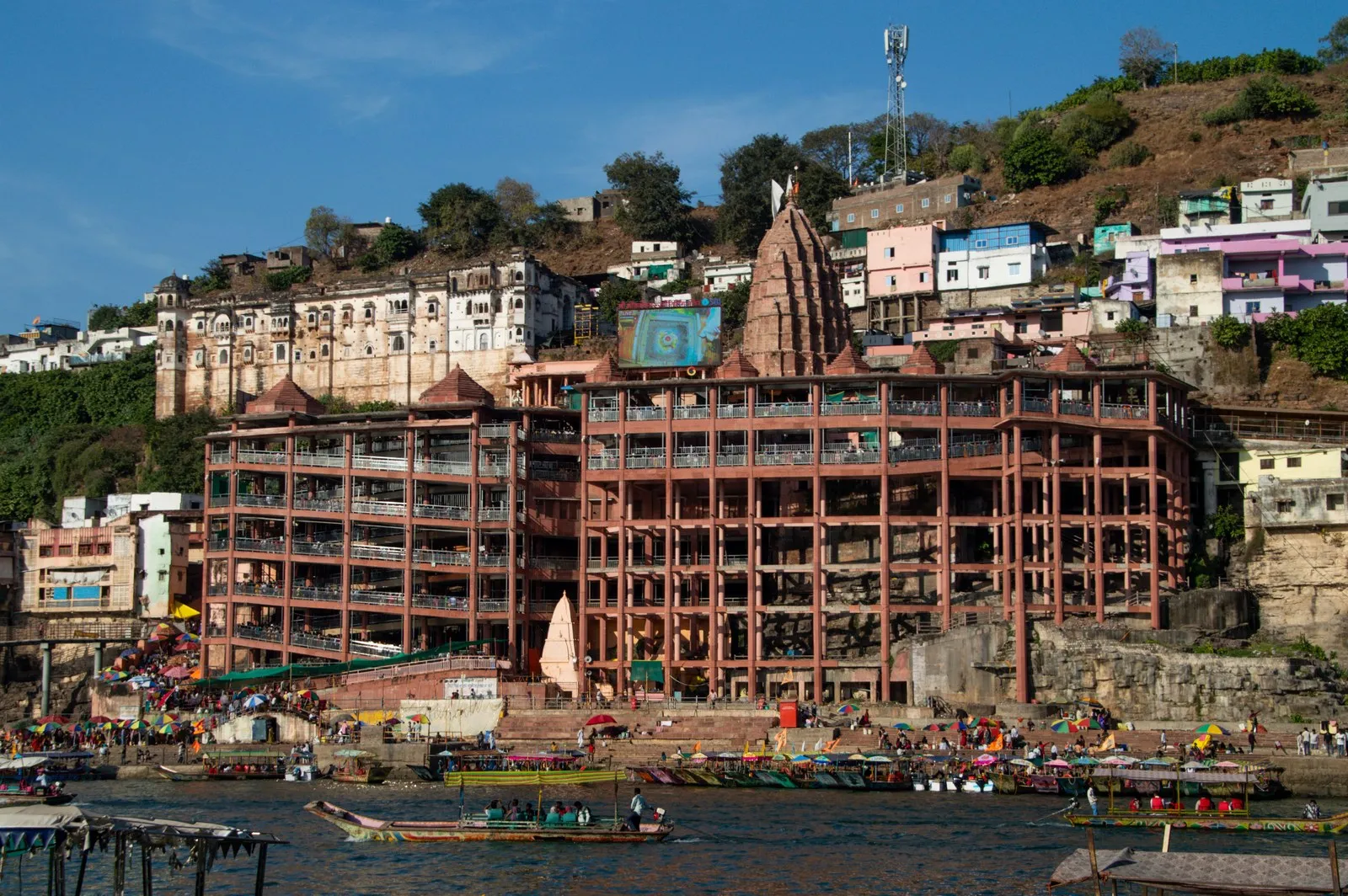
  • The Omkareshwar temple above the Narmada on Mandhata island

    The holy Narmada

    Ahilyabai Holkar’s ghats at Maheshwar, and Omkareshwar, one of the twelve jyotirlingas, on its island.

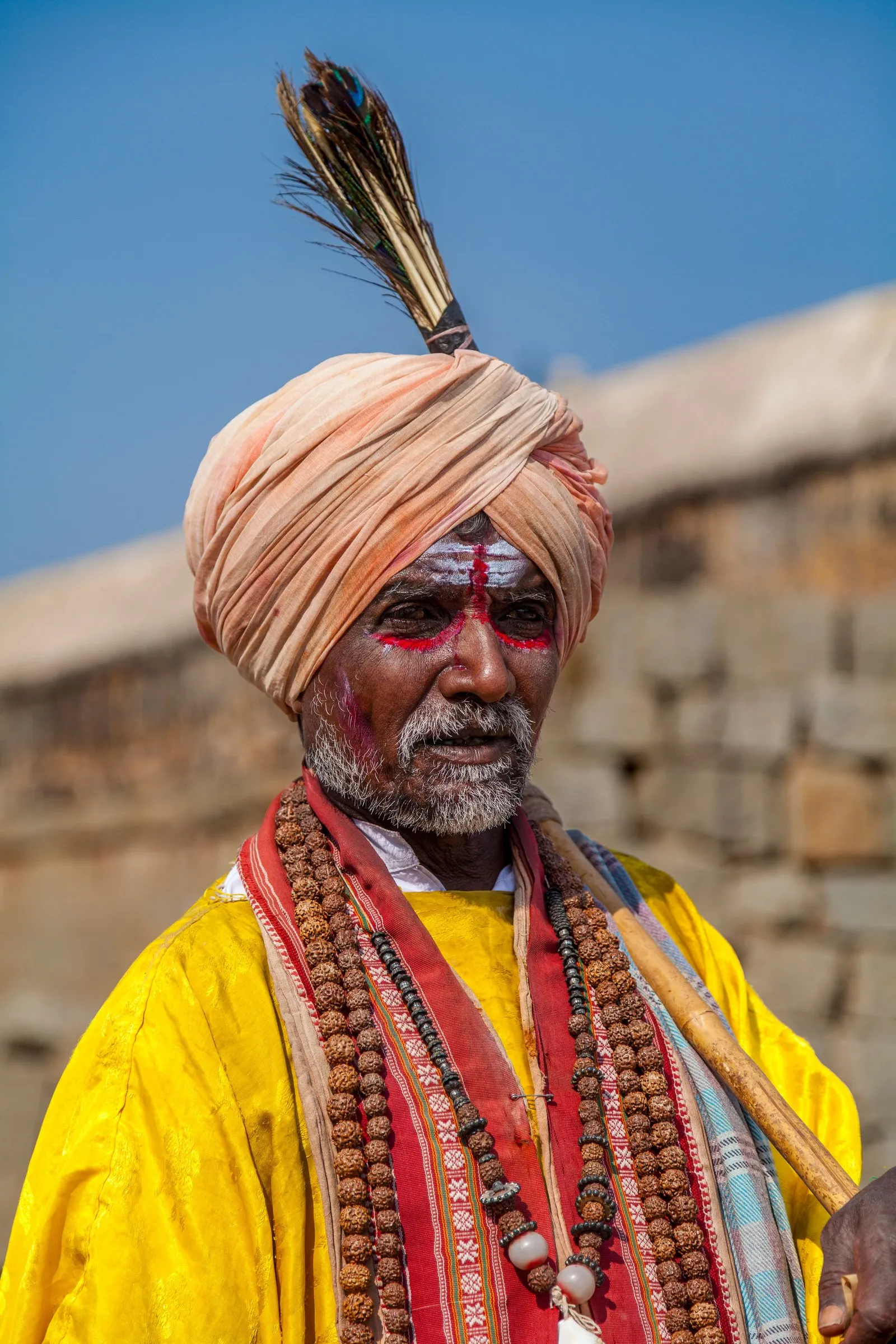
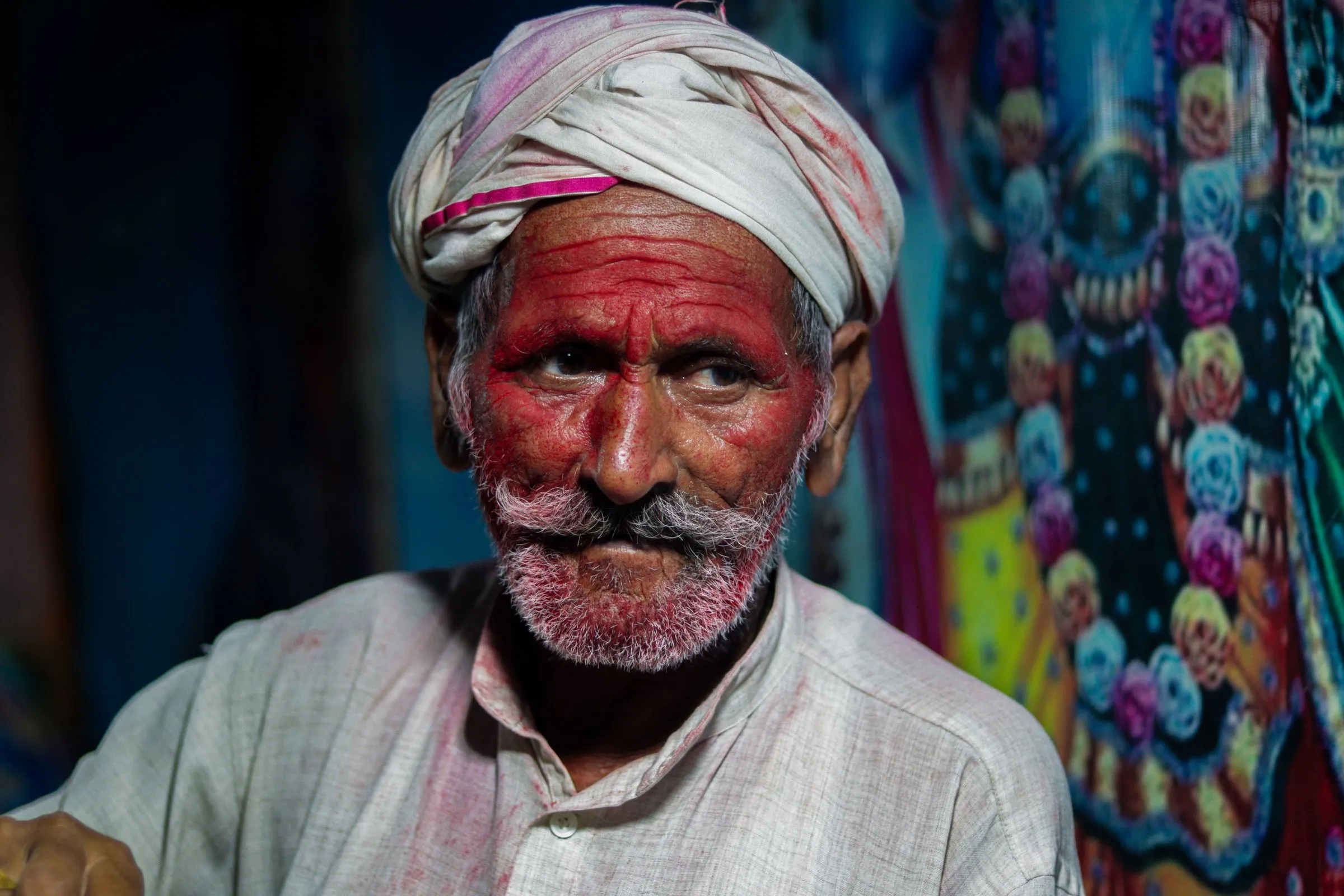
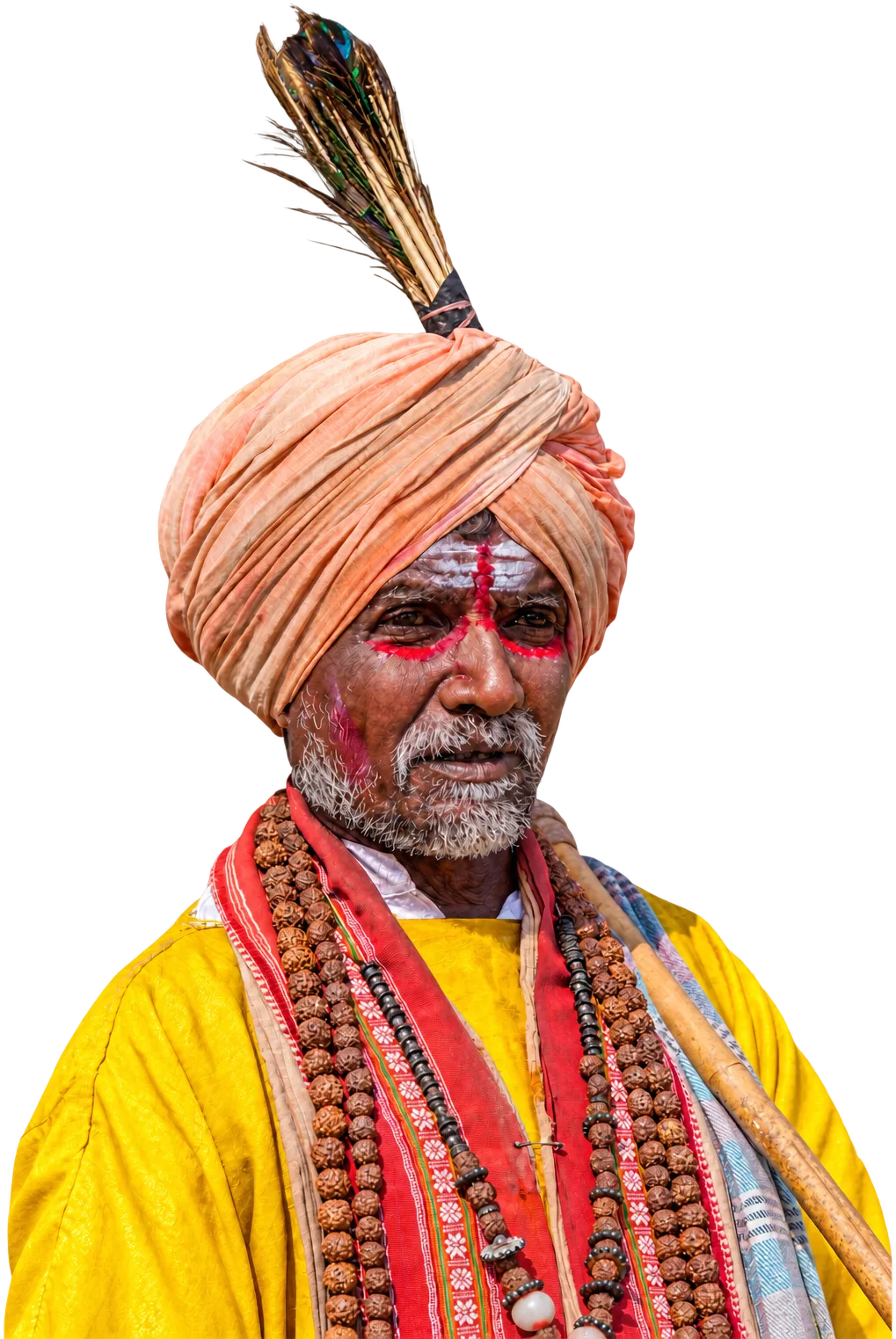
A pilgrim in a feathered turban, face painted, rudraksha beads at his neck, Hampi

Heritage · Architecture · Caves

Mandu, the Narmada, Ajanta and Ellora, Bijapur, Hampi, Badami and the beaches of Goa

14 days, 13 nights

The route, day by day

Every halt, every overnight and every drive, published in full.

  1. Mumbai
  2. Mandu
  3. Burhanpur
  4. Aurangabad
  5. Bijapur
  6. Hampi
  7. Badami
  8. Goa
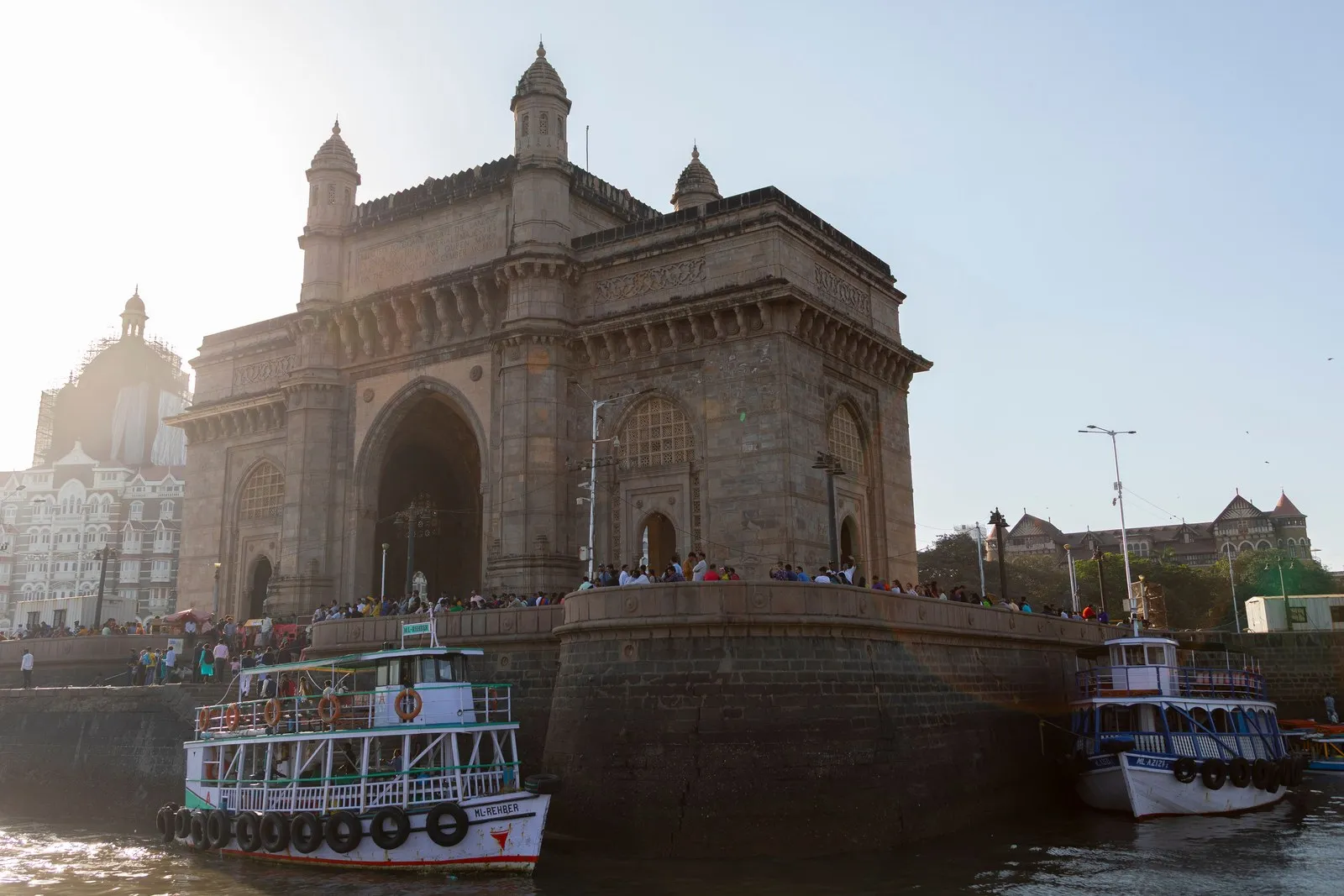
  1. Ferries moored below the Gateway of India, Mumbai, with visitors on the waterfront

    01

    Overnight Mumbai

    Arrival in Mumbai

    Met at Mumbai airport and driven to your hotel. After a rest, a first look at the city. The Gateway of India stands on the waterfront at Apollo Bunder, raised to mark the visit of King George V and Queen Mary in 1911 and finished in 1924. Up on Malabar Hill, the Hanging Gardens are laid out over a reservoir, with views across the bay. Then the Chhatrapati Shivaji Maharaj Vastu Sangrahalaya, still the Prince of Wales Museum to many: designed, like the Gateway, by George Wittet, and full of sculpture, miniature paintings and bronzes from all over India.
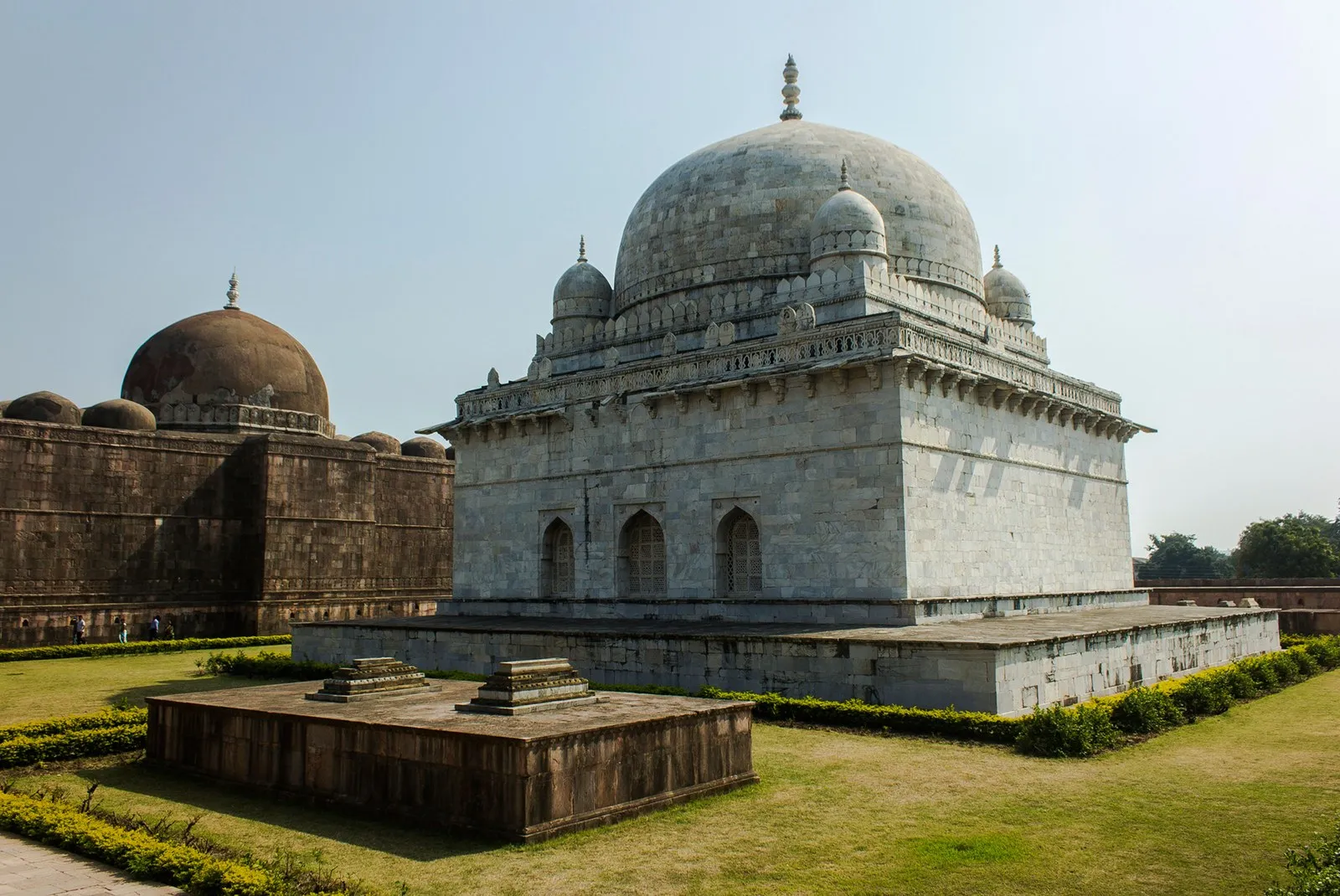
  2. The marble dome of Hoshang Shah’s tomb, Mandu

    02

    Overnight Mandu

    Flight Mumbai – Indore · 95 km to Mandu, about 2 hrs

    Fly to Indore, drive to Mandu

    A morning flight to Indore, and the drive south-west across the Malwa plateau to Mandu, spread along a ridge of the Vindhya hills with ravines falling away around it. The sultans of Malwa made it their capital in the fifteenth century and called it Shadiabad, the City of Joy.

    The story everyone here tells is of Baz Bahadur, the last of those sultans, a poet and musician, and Rani Roopmati, the singer he loved. Check in, and the rest of the day is yours.

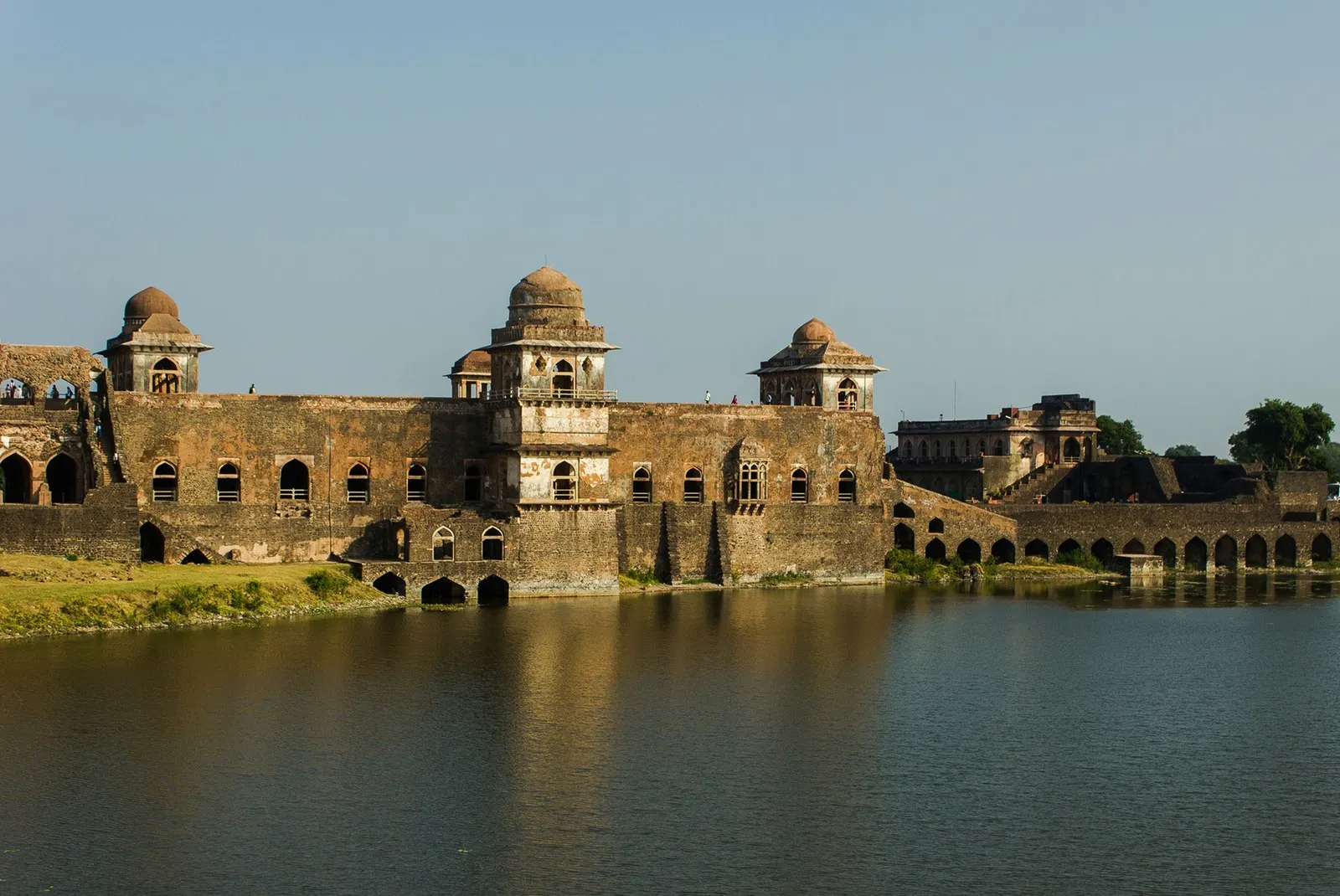
  3. The Jahaz Mahal reflected in its lake, Mandu

    03

    Overnight Mandu

    Mandu: the Jahaz Mahal and Roopmati’s Pavilion

    A morning among the ruins. The Jahaz Mahal, the Ship Palace, was built in the fifteenth century on a narrow strip of land between two lakes, Munj Talao and Kapur Talao, so that from the water it seems to float. Beside it, the Hindola Mahal, the Swinging Palace, leans its massive walls inwards so steeply that they seem to sway. Then the Jami Masjid, a great courtyard mosque of red sandstone, with the white marble tomb of Hoshang Shah behind it — the first great building in India made of marble, which Shah Jahan’s architects are said to have come to study.

    In the afternoon, out to the southern edge of the plateau and Roopmati’s Pavilion, from which, the story goes, the queen looked each morning towards the Narmada, far below on the plain. When Akbar’s general Adham Khan took Mandu in 1561, Baz Bahadur fled, and Roopmati, the story ends, took poison rather than be captured.

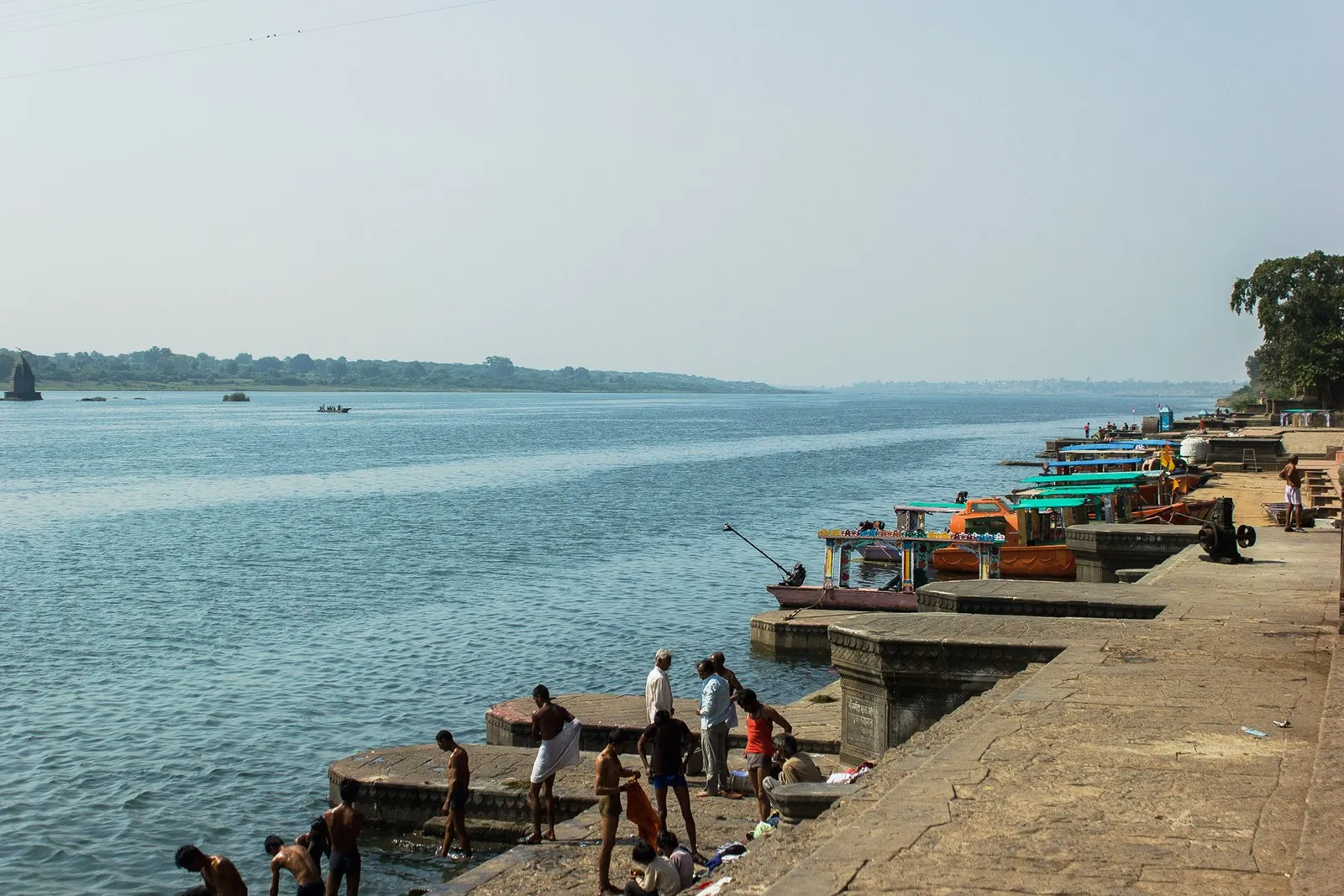
  4. Bathers on the ghats of the Narmada at Maheshwar

    04

    Overnight Burhanpur

    230 km · about 6 hrs

    Maheshwar and Omkareshwar, on to Burhanpur

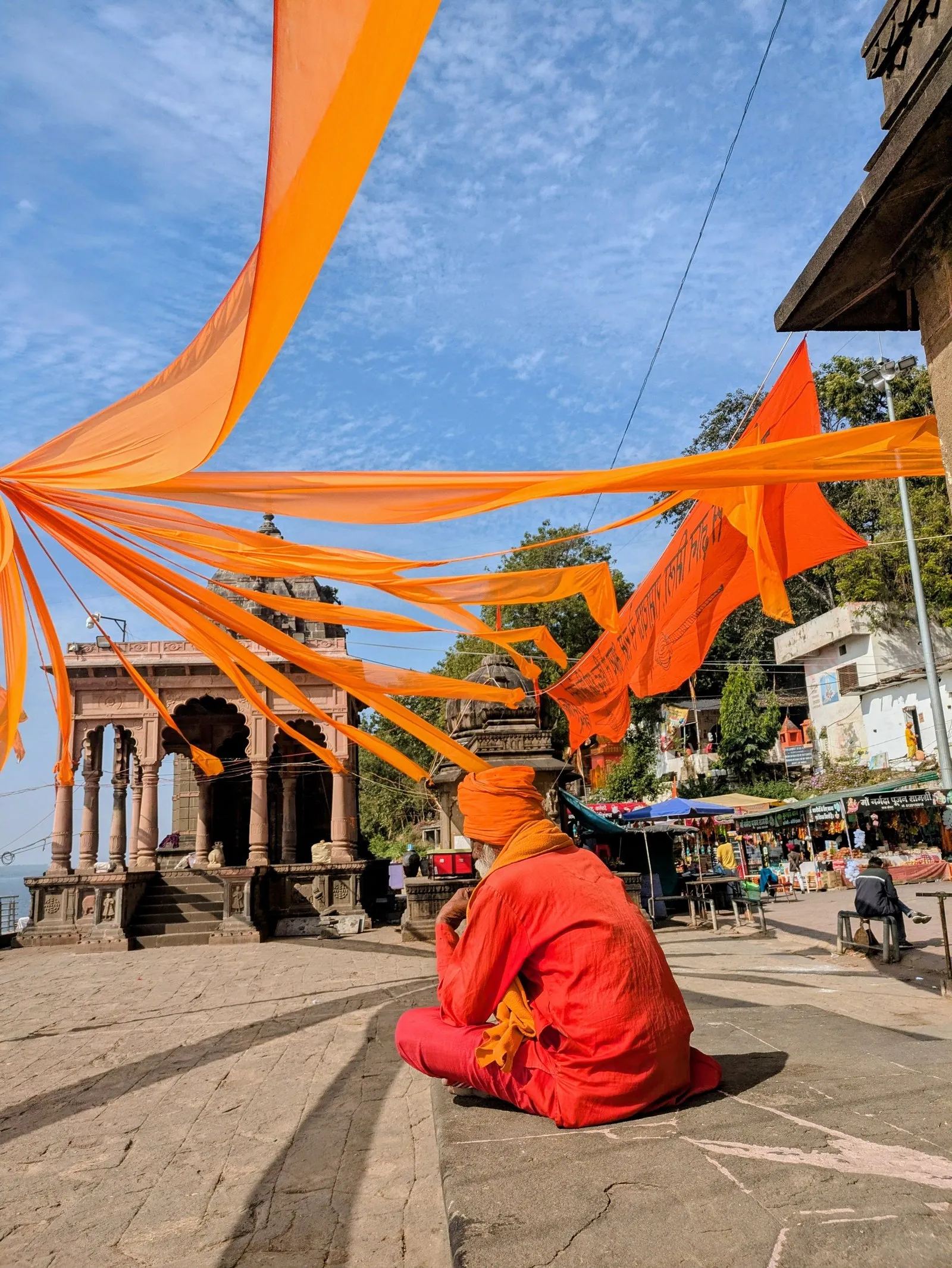
    Down off the plateau to Maheshwar on the Narmada, the ancient Mahishmati of the epics. Its great age came in the eighteenth century, when Ahilyabai Holkar ruled the Holkar state from here: her fort, her palace and a long flight of ghats and temples step down to the river, where people bathe from first light. Maheshwar is known too for its saris, woven on handlooms in light cotton and silk.

    On to Omkareshwar, where the temple of Shiva stands on Mandhata island in the Narmada: one of the twelve jyotirlingas, the shrines where Shiva is worshipped as a column of light, and a pilgrimage in itself.

    Then to Burhanpur on the Tapti, the Mughals’ gateway to the Deccan. Before the Mughals it was the capital of the Faruqi sultans of Khandesh. Mumtaz Mahal died here in 1631, and lay first in a garden across the river before she was carried to Agra.

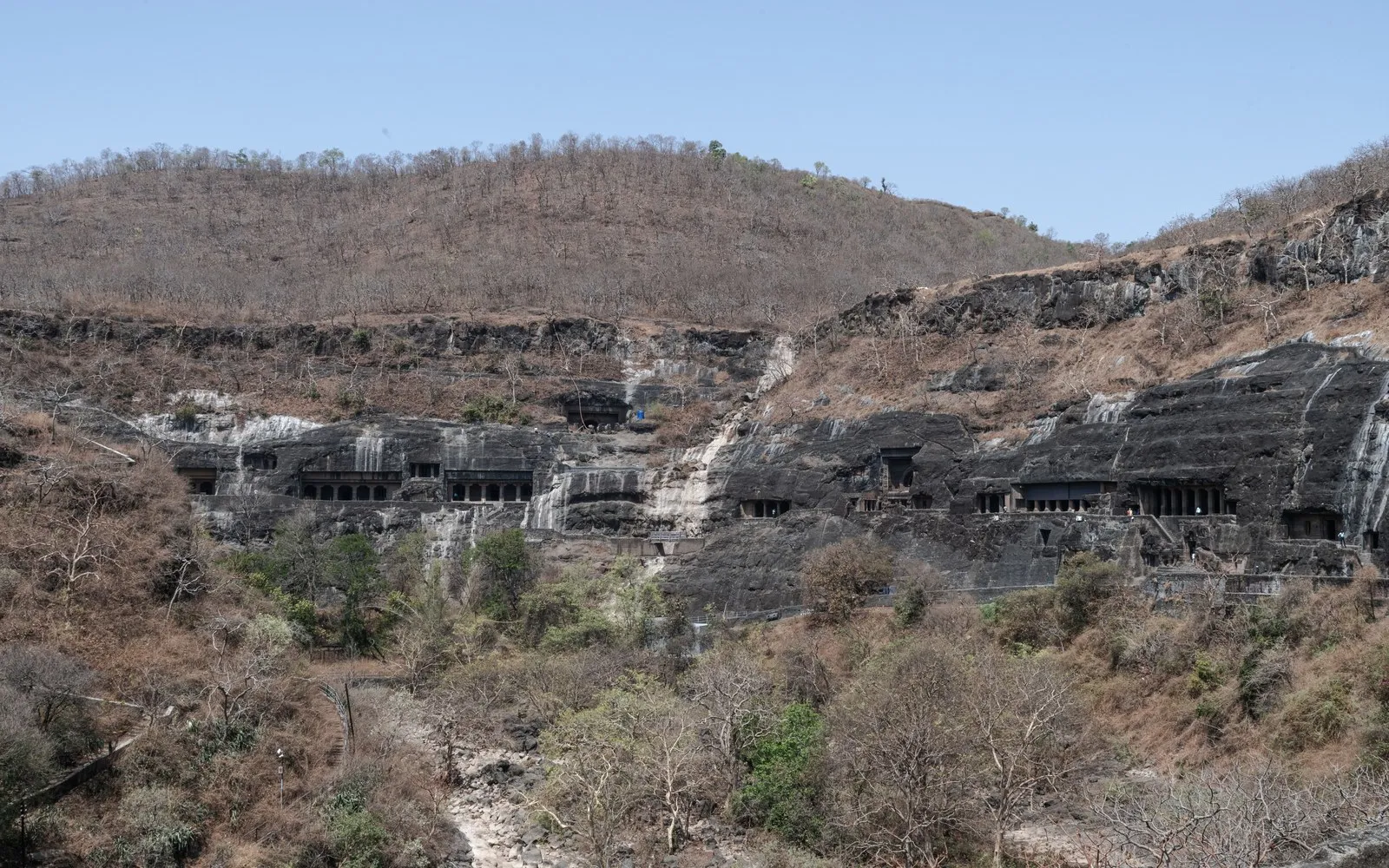
  5. The Ajanta caves cut along the horseshoe bend of the gorge

    05

    Overnight Aurangabad

    225 km · about 6 hrs

    The caves of Ajanta, then Aurangabad

    South into Maharashtra, to Ajanta. Thirty caves are cut into the curve of a horseshoe gorge above the Waghur river: Buddhist monasteries and prayer halls made in two great phases, from the second century BC and again in the fifth century AD, then left to the forest until a British officer out hunting a tiger came upon them in 1819. Their walls hold the finest paintings to survive from ancient India — the Jataka tales of the Buddha’s past lives, princes and dancers, and the Bodhisattva Padmapani, lotus in hand, in Cave 1. In the evening, on to Aurangabad — Chhatrapati Sambhajinagar since 2023 — for two nights. Ajanta is closed on Mondays.

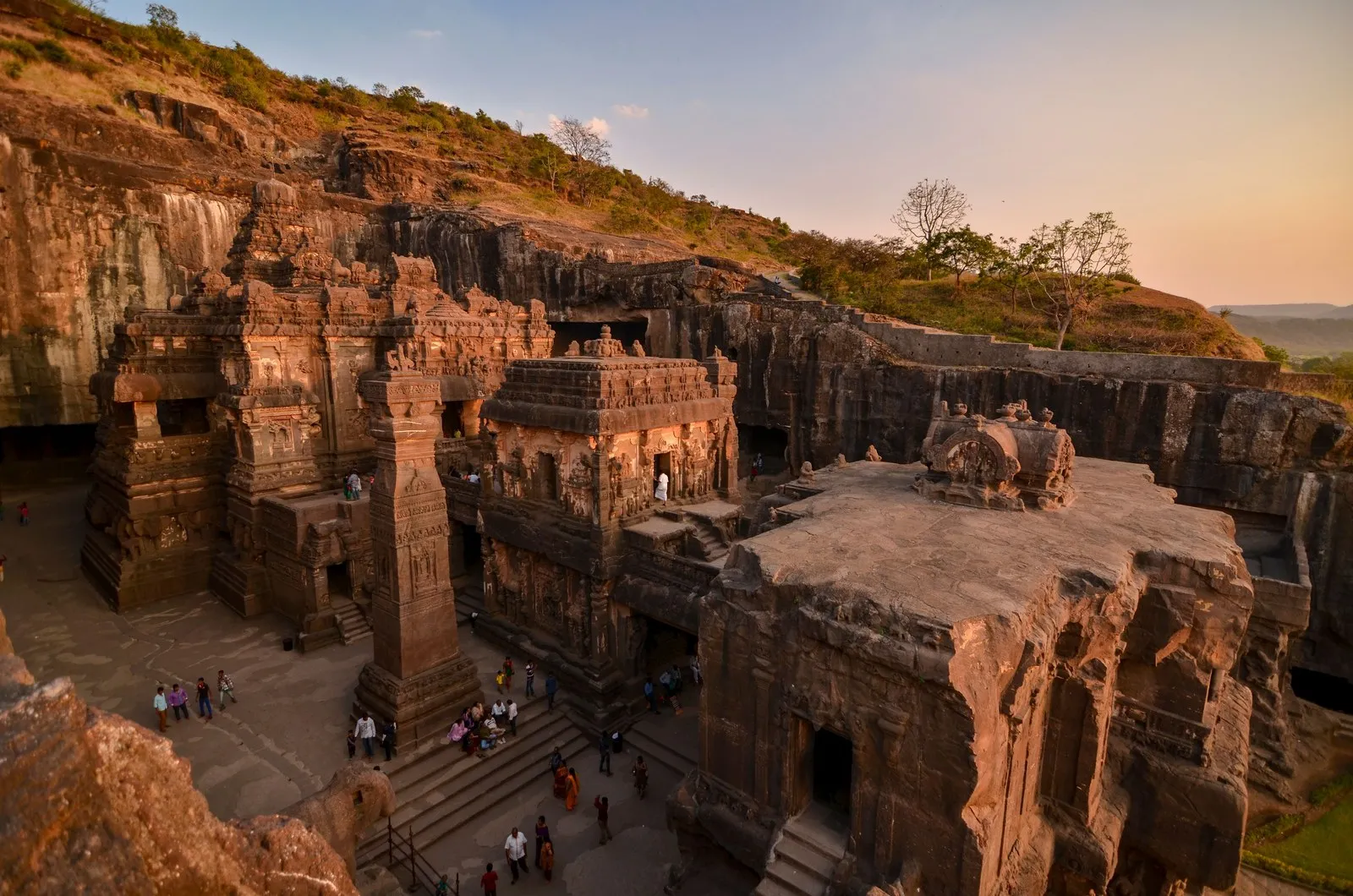
  6. The Kailasa temple at Ellora, cut down into the hillside, at sunset

    06

    Overnight Aurangabad

    30 km · about 1 hr

    Ellora and the Kailasa temple

    A morning at Ellora, where thirty-four caves were cut into a long basalt escarpment between about the sixth and the tenth centuries — Buddhist, Hindu and Jain side by side. Unlike Ajanta, Ellora was never lost: pilgrims have come to Verul, as it was called, all through the centuries since. The Buddhist caves come first, with the great prayer hall of Cave 10, then the Hindu, and at the far end the Jain.

    At the centre stands the Kailasa temple, Cave 16, begun under the Rashtrakuta king Krishna I in the eighth century: not built but carved, from the top down, out of the hillside as one mass of rock — gateway, courtyard, life-size elephants, pillars and the temple itself. Walk round it, then climb the path above for the view down into it. Ellora is closed on Tuesdays.

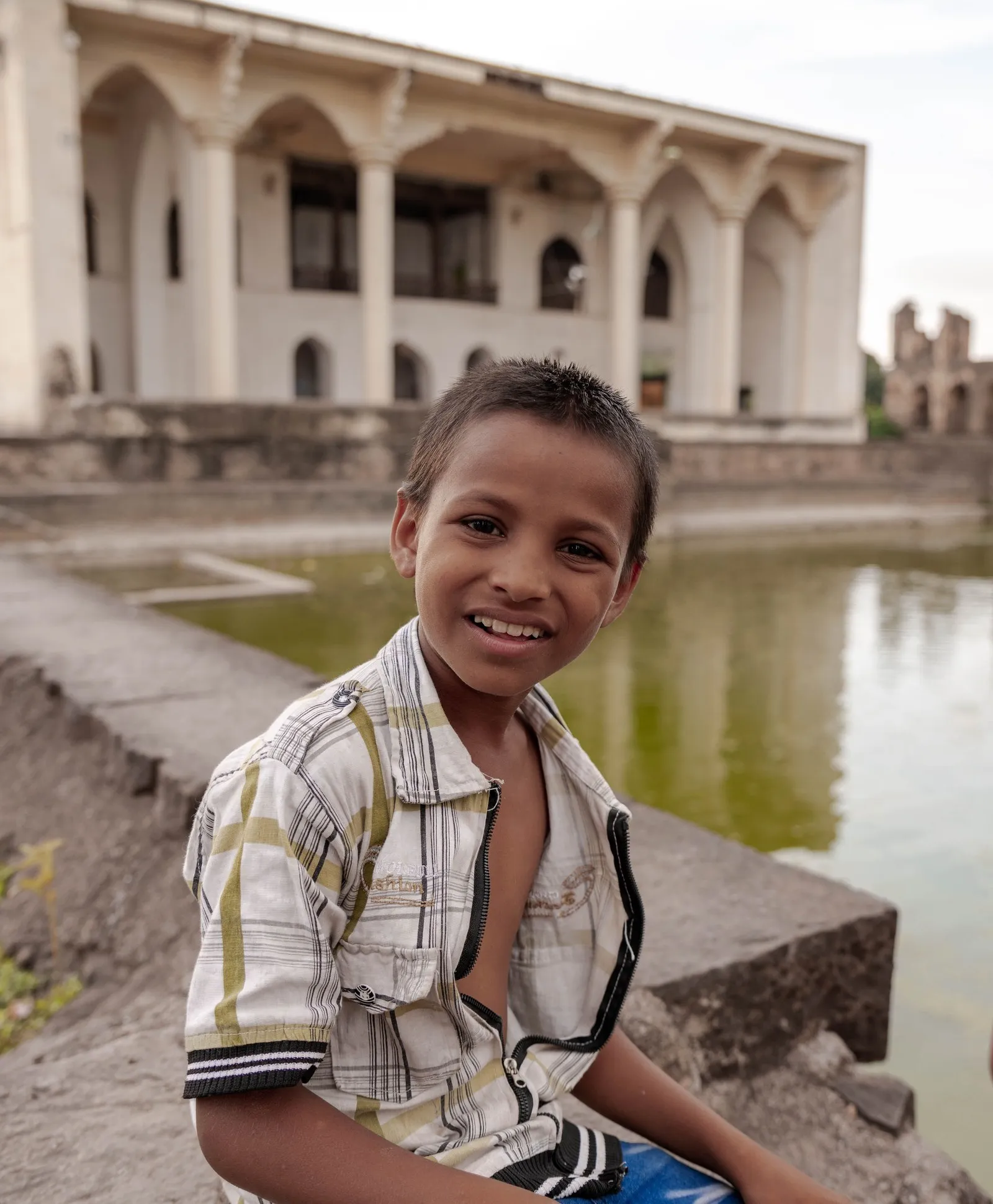
  7. A boy beside an old water tank in Bijapur

    07

    Overnight Bijapur

    405 km · about 8 hrs

    Across the Deccan to Bijapur

    A long day on the road, south across the Deccan plateau and into Karnataka, to Bijapur — officially Vijayapura since 2014. From the end of the fifteenth century until the Mughals took it in 1686, it was the capital of the Adil Shahi sultans, who filled it with domes, mosques, palaces and gardens. You arrive in the evening; the rest of the day is for resting.

  8. The Gol Gumbaz at dawn, Vijayapura

    08

    Overnight Hampi

    215 km · about 4½ hrs

    The Gol Gumbaz, then Hampi

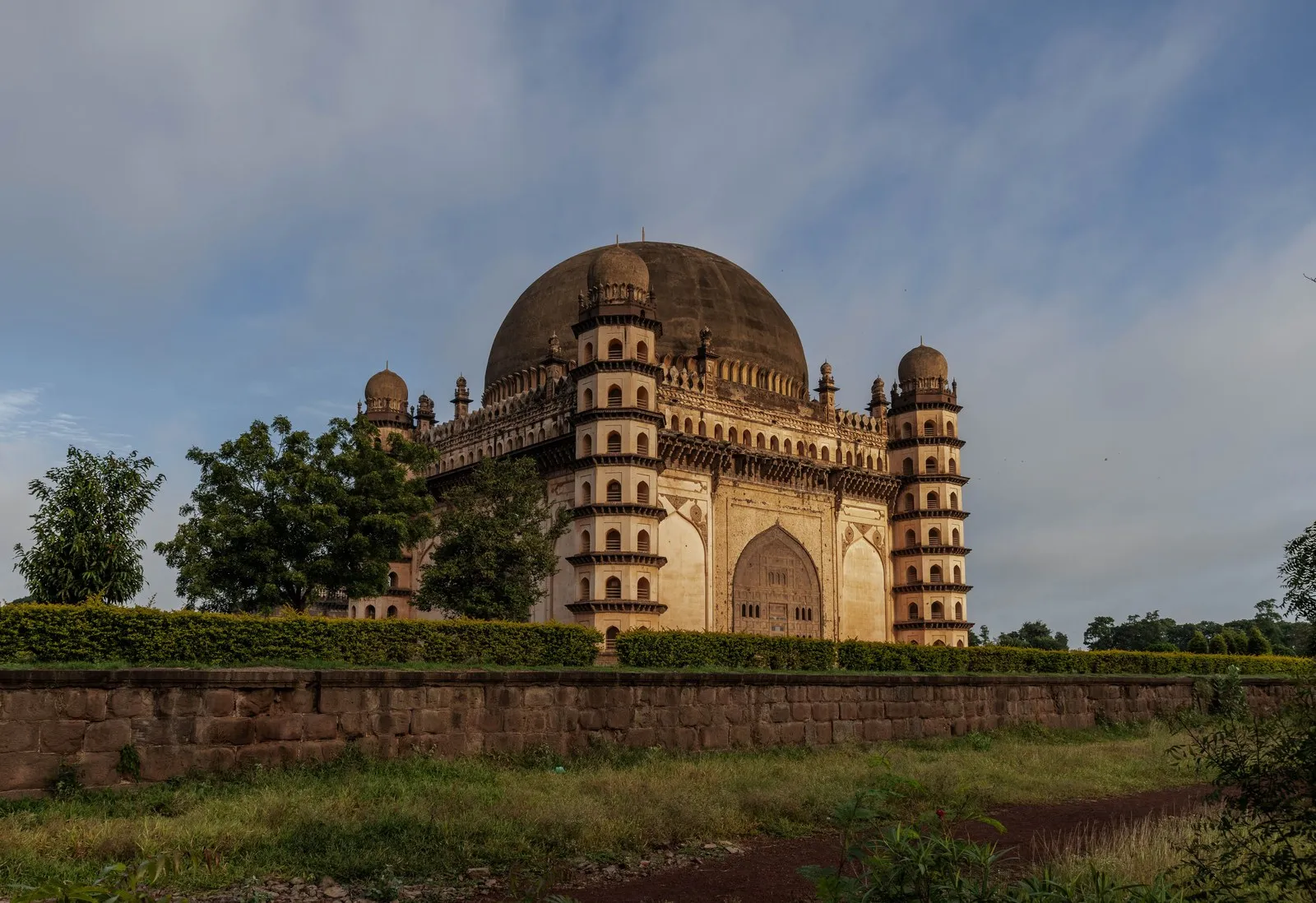
    The morning at the Gol Gumbaz, the tomb of Mohammed Adil Shah, finished in 1656 and crowned with one of the largest domes in the world: 124 feet across inside, with no pillar to hold it up. Climb one of the corner towers to the whispering gallery that runs round the foot of the dome, where a whisper against the wall carries clear to the far side and a single clap comes back to you again and again. Then south to Hampi, on the Tungabhadra, for two nights.

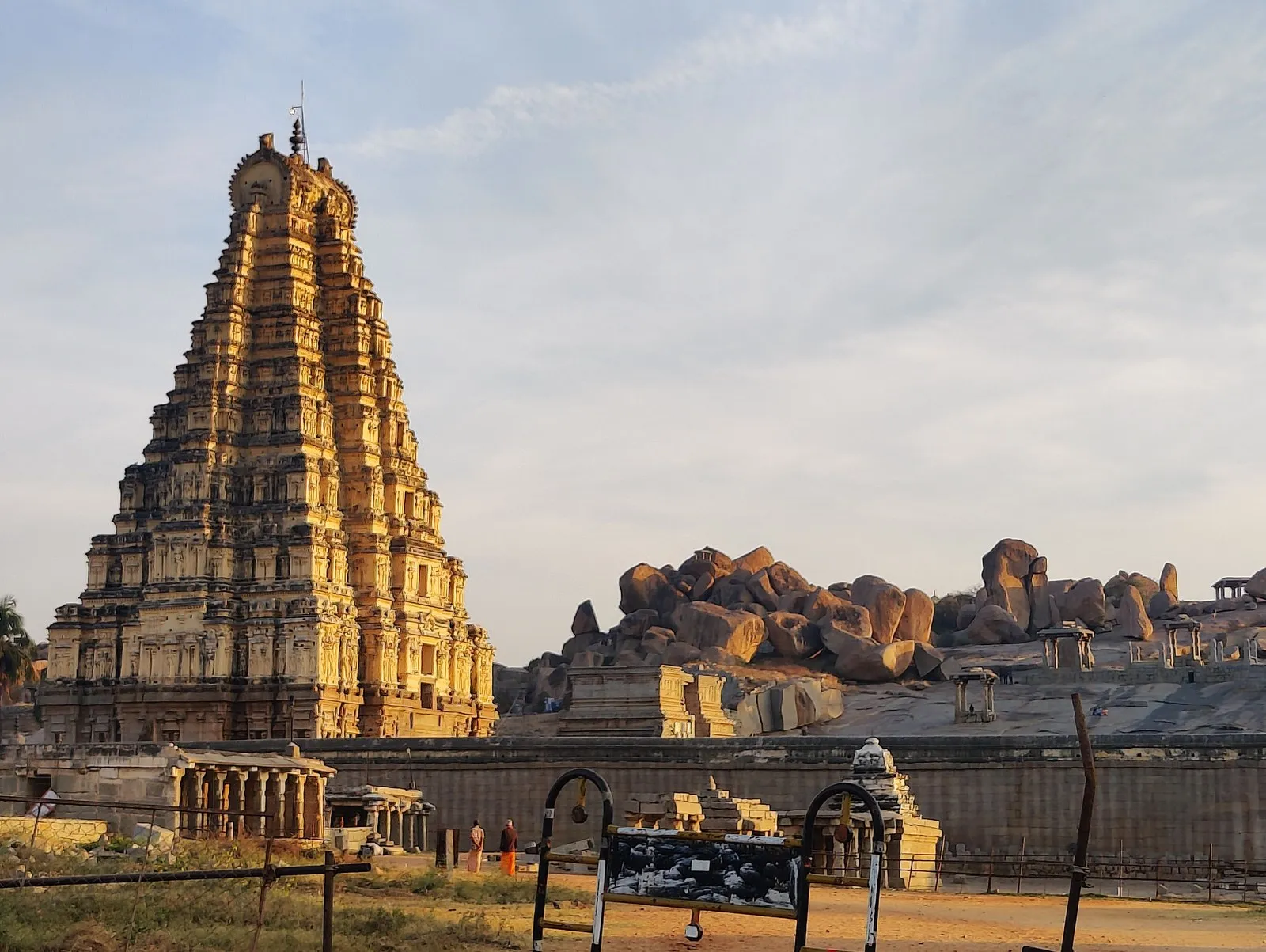
  9. The gopuram of the Virupaksha Temple and the boulder hills of Hampi

    09

    Overnight Hampi

    Hampi, the city of Vijayanagara

    A full day in Hampi, capital of the Vijayanagara empire from the fourteenth century until its army was defeated at Talikota in 1565 and the city sacked. The ruins lie scattered over miles of granite boulders along the river, among banana groves and paddy: temples, bazaars, palace platforms and aqueducts.

    Start at the Virupaksha Temple, still in worship, its gateway tower rising over the old Hampi Bazaar. Then the Vittala Temple, with its stone chariot and its ‘musical pillars’, cut slender enough to ring when struck — they may no longer be touched. After lunch, the royal centre: the Lotus Mahal in the walled zenana enclosure, the domed Elephant Stables, the Queen’s Bath, and the Achyutaraya temple with the long street of the Sule Bazaar before it.

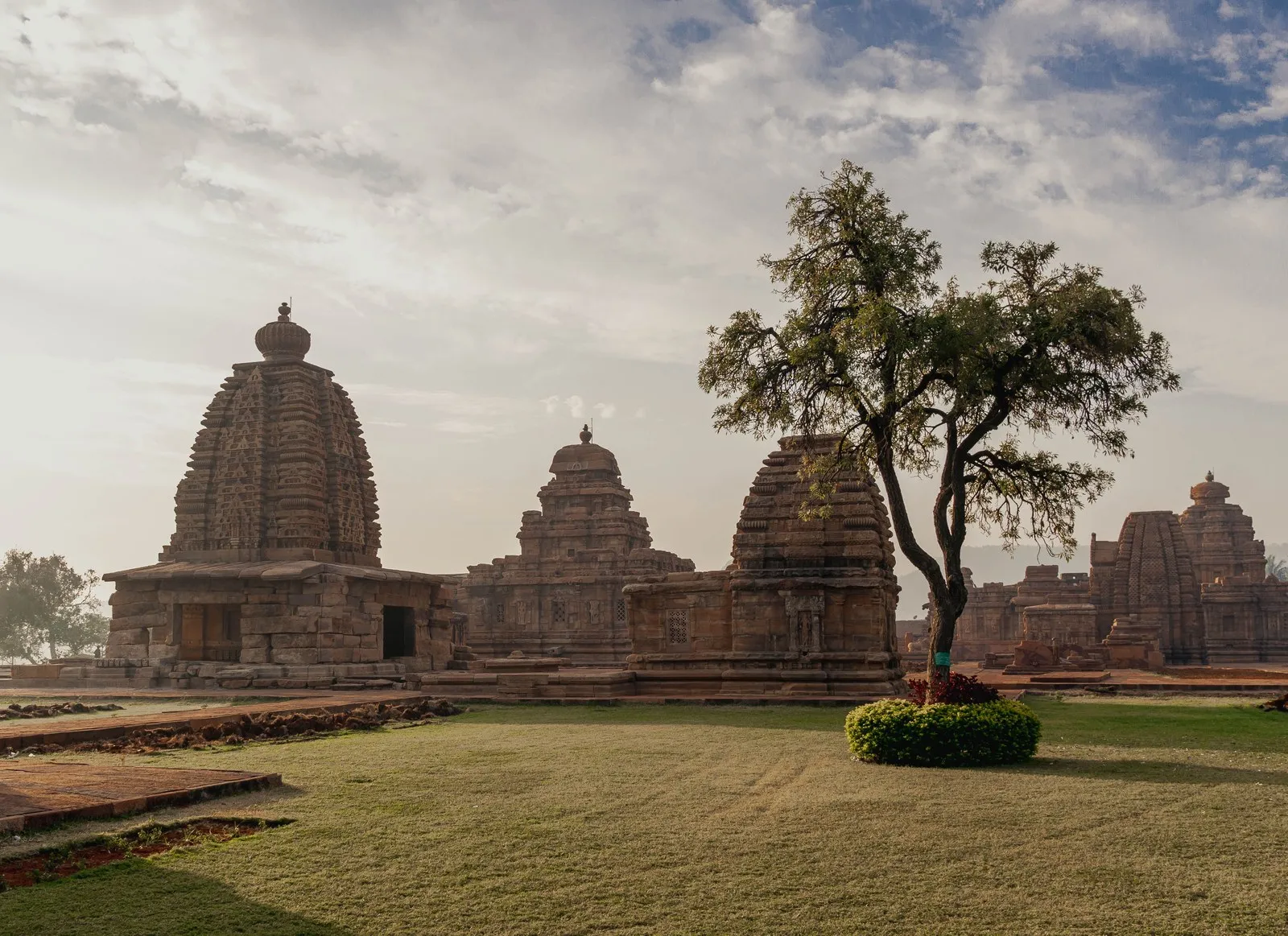
  10. The temples of Pattadakal around a lawn and a single tree

    10

    Overnight Badami

    175 km · about 4 hrs

    Aihole and Pattadakal, on the way to Badami

    West into the country of the early Chalukyas, who ruled much of the Deccan from Badami between the sixth and eighth centuries and tried out, temple by temple, the forms Indian architecture would follow. At Aihole, called the cradle of Indian temple architecture, more than a hundred temples stand in and around the village: the Lad Khan, among the oldest; the apsidal Durga Temple, named for the old fort around it rather than the goddess; the Ravanaphadi cave; the Kontigudi group; and on the hill the Jain Meguti temple, whose inscription of 634 AD records the reign of Pulakeshin II.

    Then Pattadakal, where the Chalukya kings were crowned: ten temples beside the Malaprabha river, the northern and southern styles side by side. The finest is the Virupaksha, built around 740 by Queen Lokamahadevi to celebrate her husband Vikramaditya II’s victory over the Pallavas of Kanchipuram. On to Badami for the night.

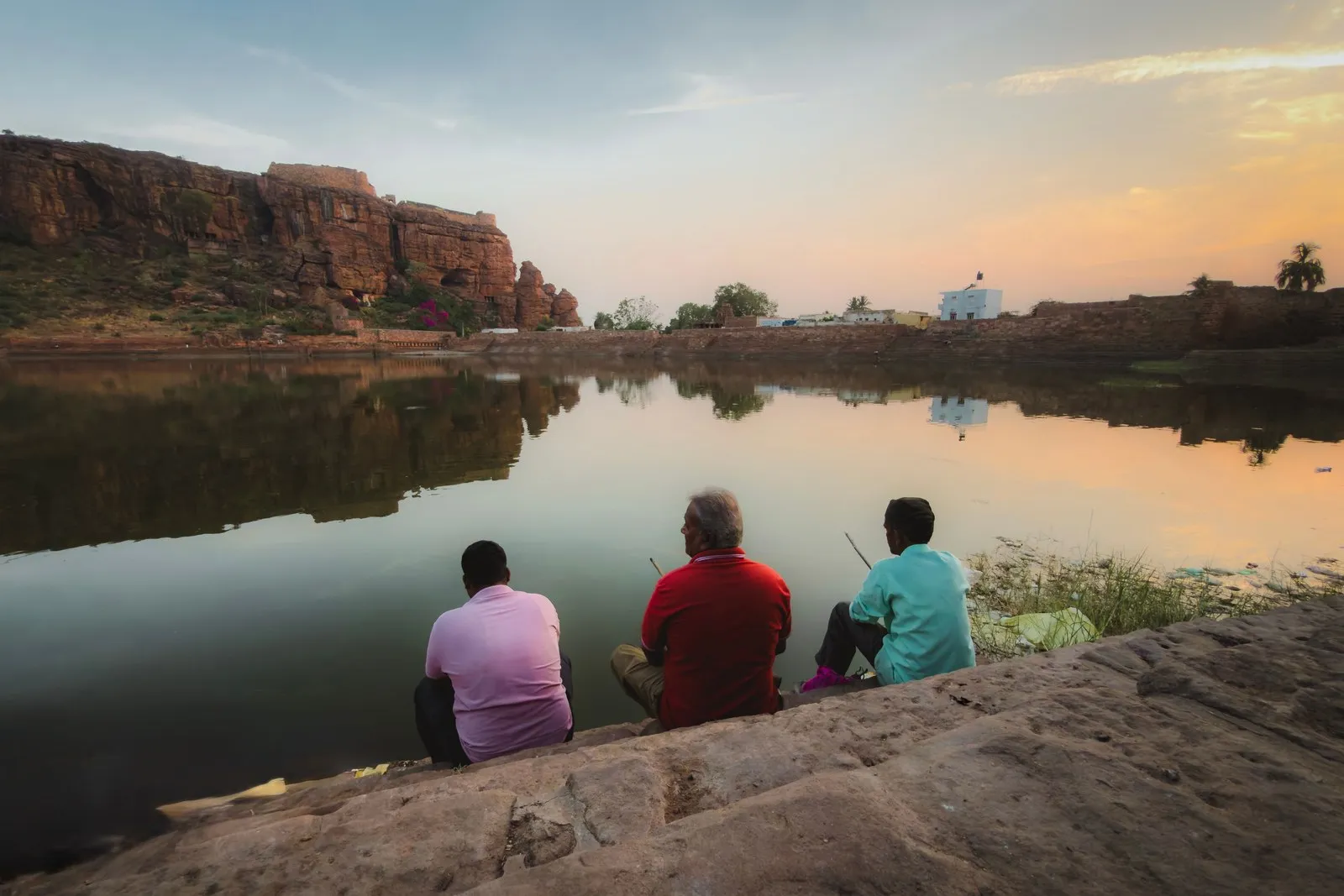
  11. Three men fishing on Agastya Lake below the red cliffs of Badami at dusk

    11

    Overnight Goa

    260 km · about 6 hrs

    The Badami caves, then Goa

    The morning at Badami, the old Vatapi, where cliffs of red sandstone close round the green water of Agastya Lake. Four cave temples were cut into the cliff above the town in the sixth century — to Shiva, with a dancing Nataraja of eighteen arms at the entrance; to Vishnu, in the largest, Cave 3, dated 578; and, the last, to the Jain tirthankaras. Across the lake, the North Fort holds the ruins of a treasury, platforms and early temples; a short drive away is the Banashankari temple, to a goddess worshipped as a form of Parvati. In the afternoon, west down to the coast and Goa, for three nights.

  12. Visitors outside the Basilica of Bom Jesus, Old Goa

    12

    Overnight Goa

    The churches of Old Goa

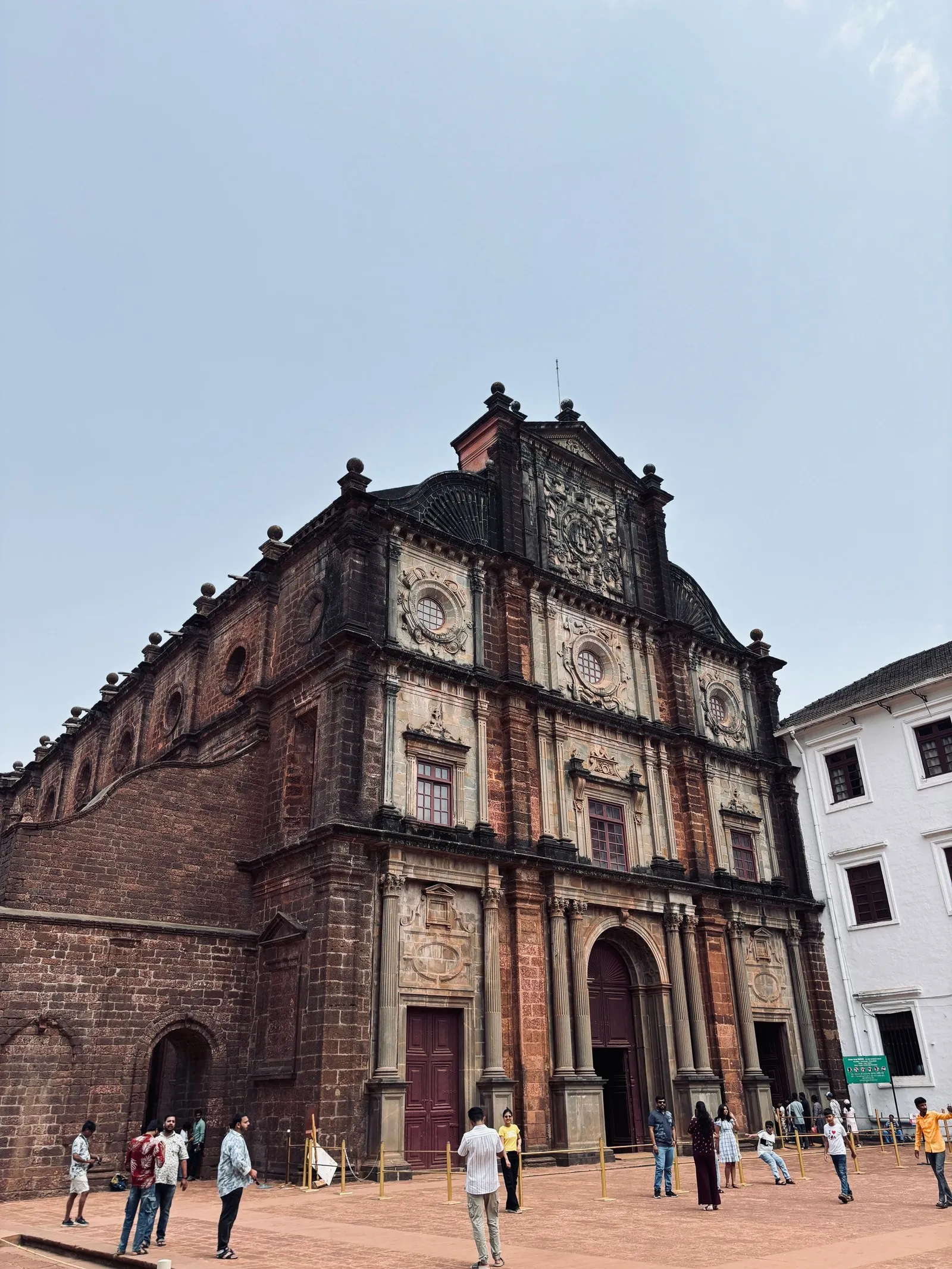
    The morning in Old Goa, once the capital of Portuguese India, now a handful of great churches among the palms, together a World Heritage Site. The Basilica of Bom Jesus, consecrated in 1605, keeps the body of St Francis Xavier in a silver casket. Across the green stands the Sé Cathedral of St Catherine, with the Golden Bell, the largest in Goa, and beside it the Church of St Francis of Assisi, rebuilt in the seventeenth century on the site of a Franciscan chapel of 1517. The rest of the day is yours, on the beach.

  13. A fisherman holding his net on a beach in Goa

    13

    Overnight Goa

    A day on the beach

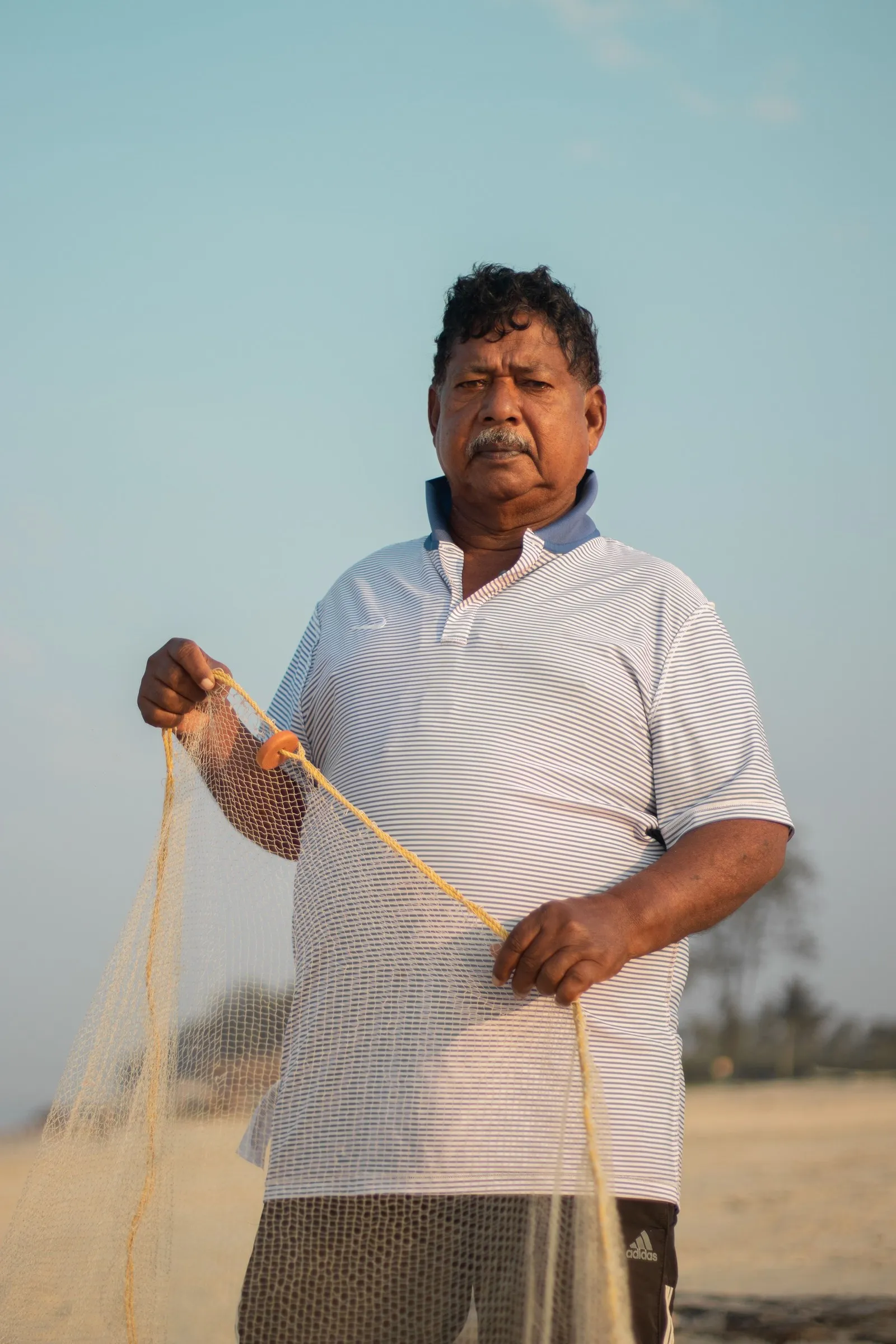
    A whole day to yourself on the coast of Goa: long sands to swim from and walk, fishing boats drawn up under the palms, and fish curry and rice in a beach shack at lunch. If you would like more, we can arrange an afternoon in Fontainhas, the old Latin quarter of Panaji, or a spice farm inland.

  14. A child running along a Goa beach at sunset

    14

    Departure

    Departure

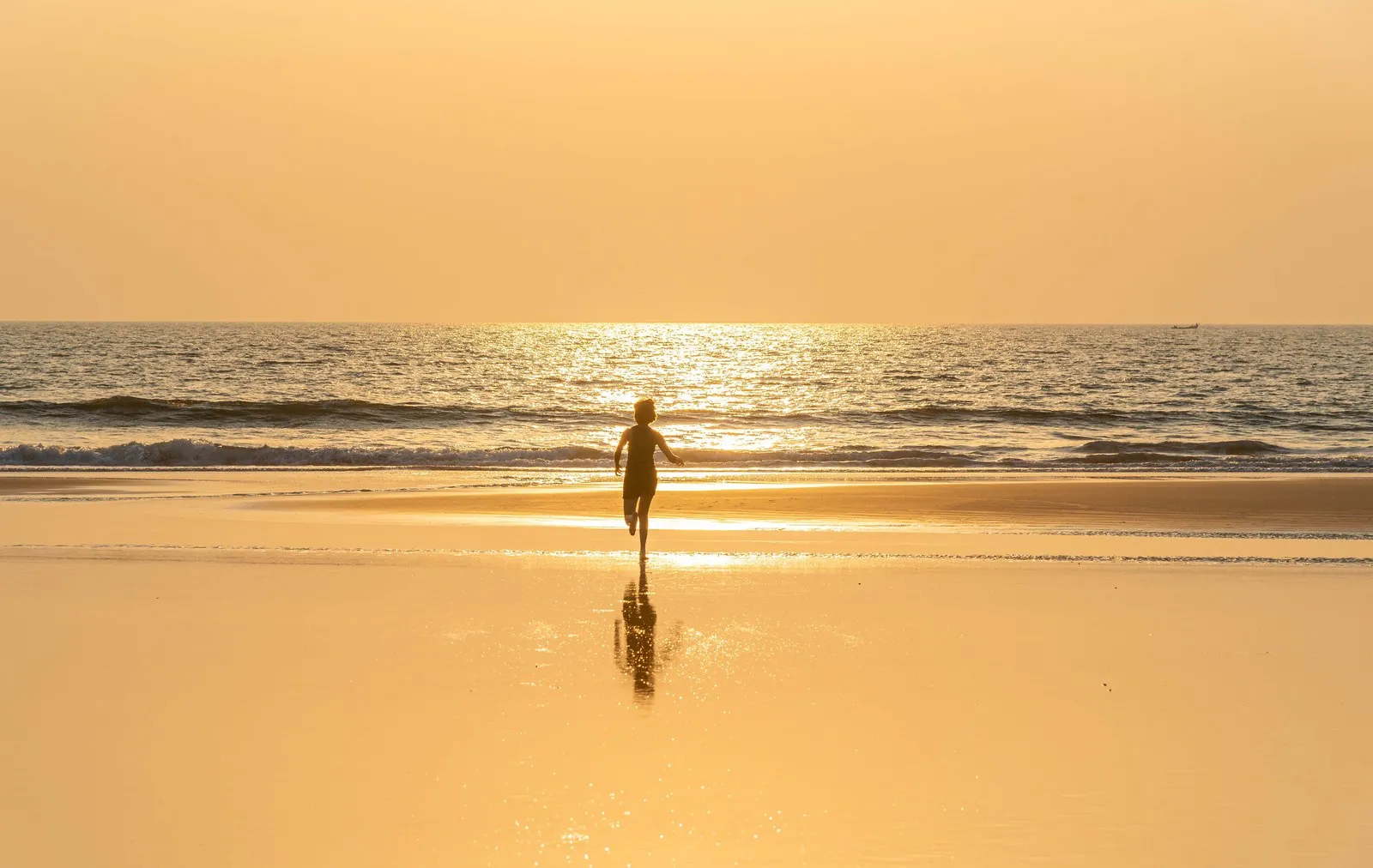
    A free morning — one last swim, or the markets — then the transfer to Goa airport for your flight home, or on to your next journey.

Like the route? We will write it for your dates.

The price

What the price covers

The commonest reason travellers abandon an enquiry is not knowing what is covered. Every Rang Travels quotation itemises it — this is the usual shape for this journey.

Included

  • 13 nights with breakfast
  • The flight from Mumbai to Indore
  • A private air-conditioned car with driver from Indore to Goa, and for the sightseeing in Mumbai
  • Local guides for the sightseeing at each site
  • Airport transfers, tolls, parking and driver allowances

Not included

  • International flights
  • Monument entrance fees and camera fees
  • Lunches and dinners
  • Visa, travel insurance and tips

Price on request

Quoted to your dates,
your hotels and your pace

Before you book

Closing days, long drives and the season

This is a journey of great sites and long roads between them. Please read these before you confirm.

Ajanta and Ellora

  • Ajanta is closed on Mondays and Ellora on Tuesdays. In this programme Ajanta falls on day 5 and Ellora on day 6, so the journey cannot begin on a Thursday; we set your dates so that both are open.
  • At Ajanta, buses take visitors from the visitor centre to the foot of the gorge, and flash photography is not allowed in the painted caves.
  • Both sites involve a good deal of walking and steps, as do the Badami caves.

The road

  • Several days are long drives: about six hours on days 4, 5 and 11, and about eight hours from Aurangabad to Bijapur on day 7. The roads are mostly good, and there are stops along the way.
  • If you would rather break the Aurangabad – Bijapur drive, ask us to add a night on the way.

Temples, mosques and churches

  • Cover your shoulders and knees at every religious site, and take off your shoes where you are asked to; at mosques, women should bring a scarf.
  • Omkareshwar and the Virupaksha temple at Hampi are living shrines and can be very crowded on festival days. Some inner sanctums are open only to Hindus.

The season

  • The Deccan is hot from April to June. From June to September the monsoon brings heavy rain to Goa, most beach shacks close and the sea is not safe for swimming.

Questions

Before you go

The questions travellers ask about this journey, answered from the itinerary itself. Anything else — ask, and a curator replies.

When is the best time to go?

October to March, when the days are warm and dry and the Goa coast is at its best. Hampi and the Deccan are very hot from April to June, and the monsoon, from June to September, brings heavy rain.

Are Ajanta and Ellora open every day?

No: Ajanta is closed on Mondays and Ellora on Tuesdays. We set your start date so that neither falls on its closed day.

How fit do I need to be?

Fit enough for a good deal of walking on uneven ground, and flights of steps at Ajanta, Ellora and the Badami caves. There is no trekking, and you can always rest while others climb.

Can we end somewhere other than Goa?

Yes. Instead of Goa, the journey can go on to Hassan for the Hoysala temples of Belur and Halebidu, then Mysore, and end with a flight home from Bengaluru.

Can I add days?

Yes. A second night in Mandu or Hampi gives each of them time to breathe, and a night on the way breaks the long drive to Bijapur. Ask, and we will write them in.

The gallery

On the road

  • A devotee in saffron on the ghats at Maheshwar, under temple flags
  • A pilgrim in a saffron turban and rudraksha beads at Hampi
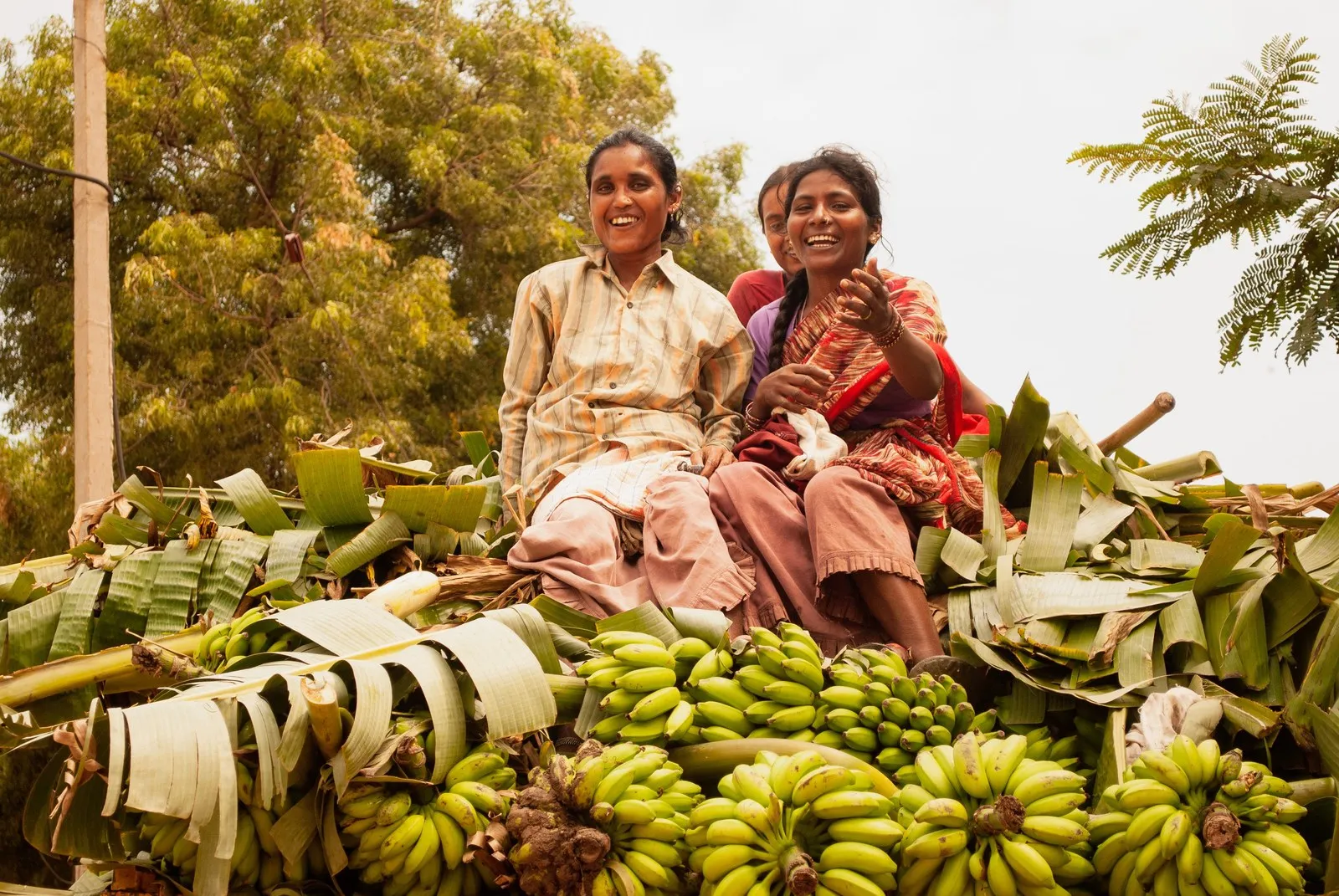
  • Women riding a cart piled with bananas and banana leaves near Hampi
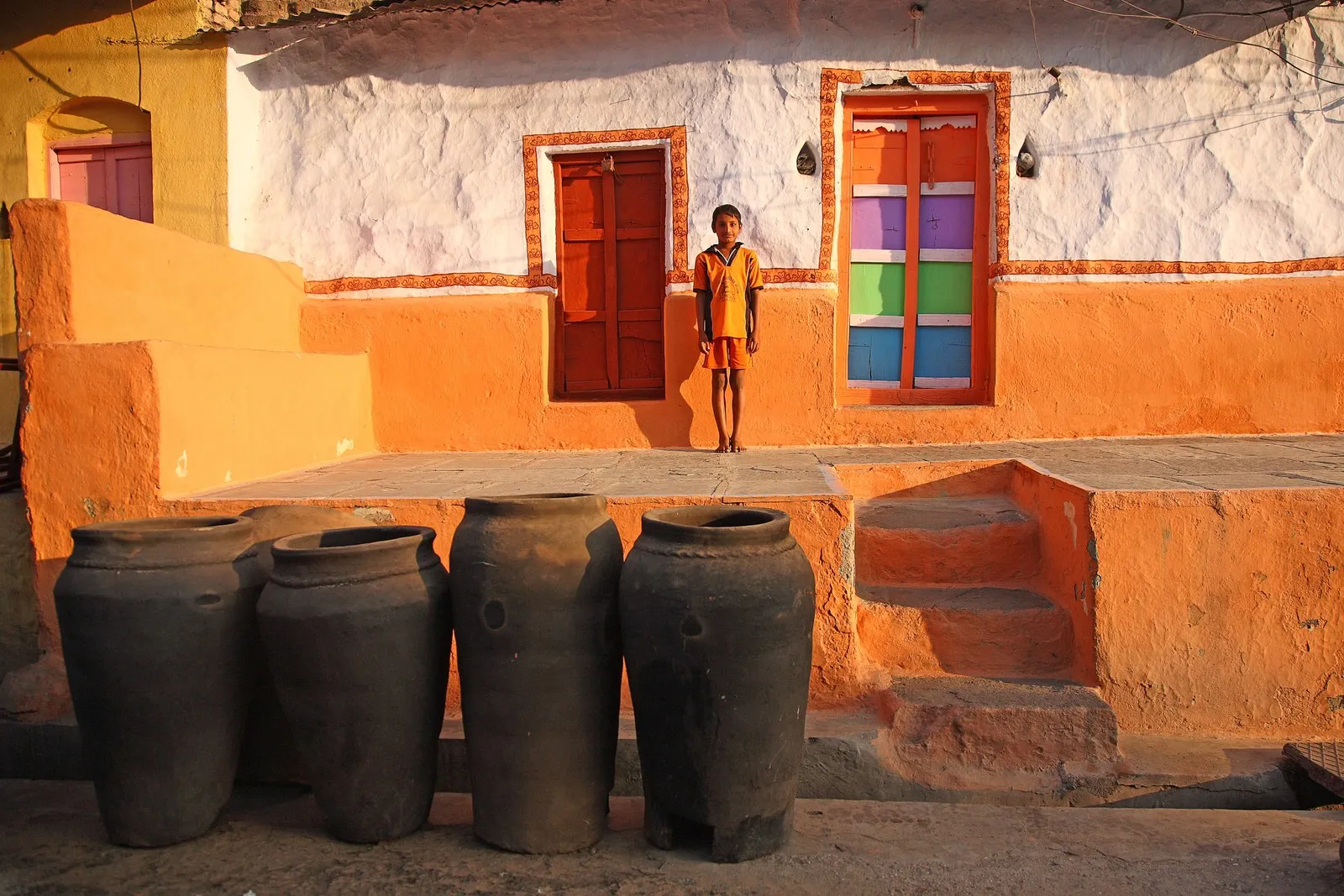
  • A boy on the porch of a painted house in Hampi village, beside tall clay pots
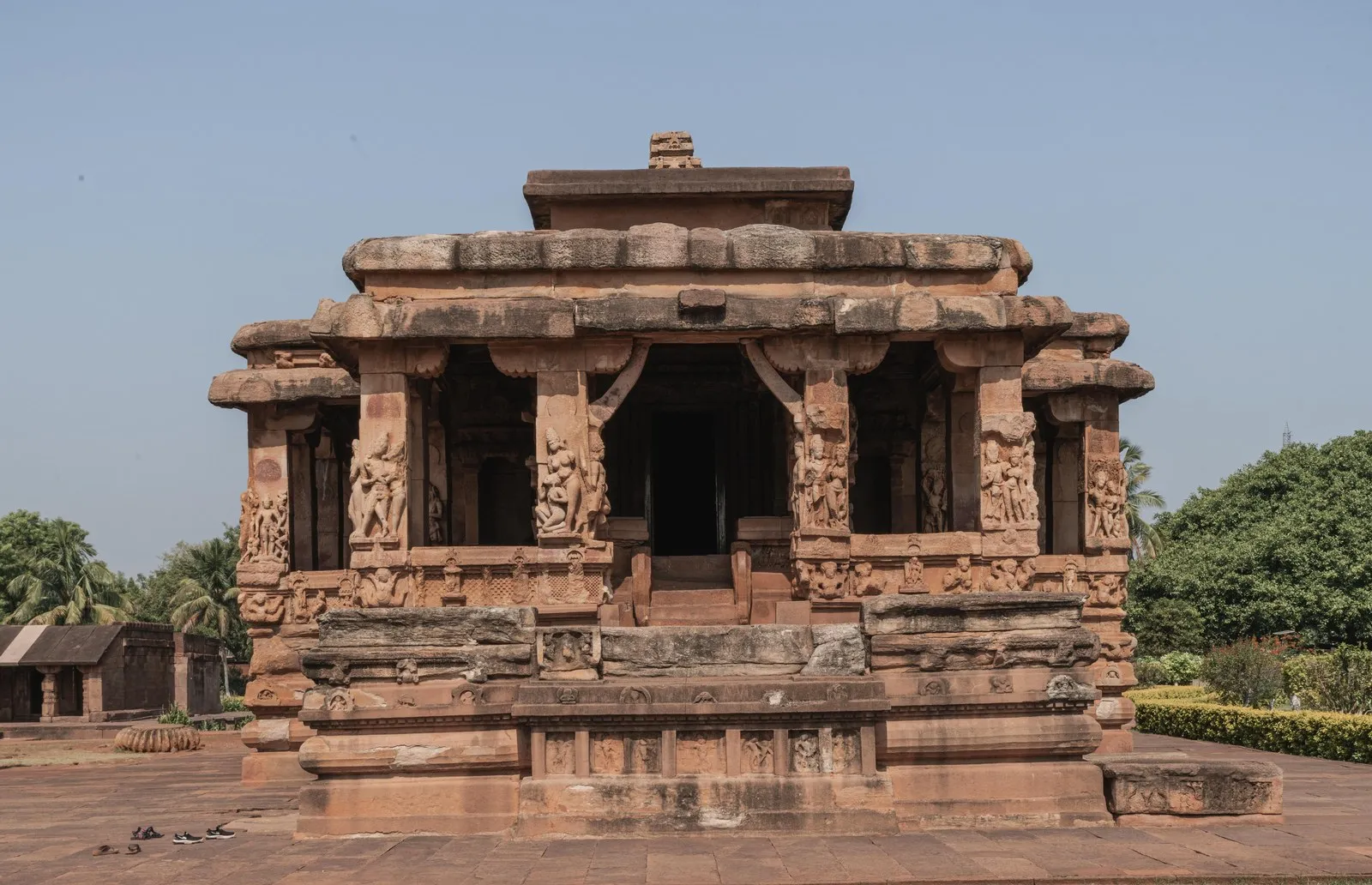
  • The Durga temple at Aihole

Reviews

In their own words

Word for word, several in Italian, because Italy found us early. 5.0 from 146 reviews on Google, and 5.0 from 200 on TripAdvisor.

I had an incredible adventure with Rang Travels in Northern India earlier this year! The tour was jam packed. I loved the beautiful forts and buildings we visited, the markets, as well as the stunning World Heritage hotels. This tour gave me a real taste for India, and I felt very comfortable for my first time visiting!

Read the whole review on Google

Jess Foster

Northern India · May 2025

1 / 19

Enquire

Plan my journey

Tell us where your India begins — we reply with a written itinerary.

Travellers
When, roughly
Interests
Or ask on WhatsApp

No obligation. We reply with a written itinerary, not a sales call.