Rang Travels — explore the colors of India
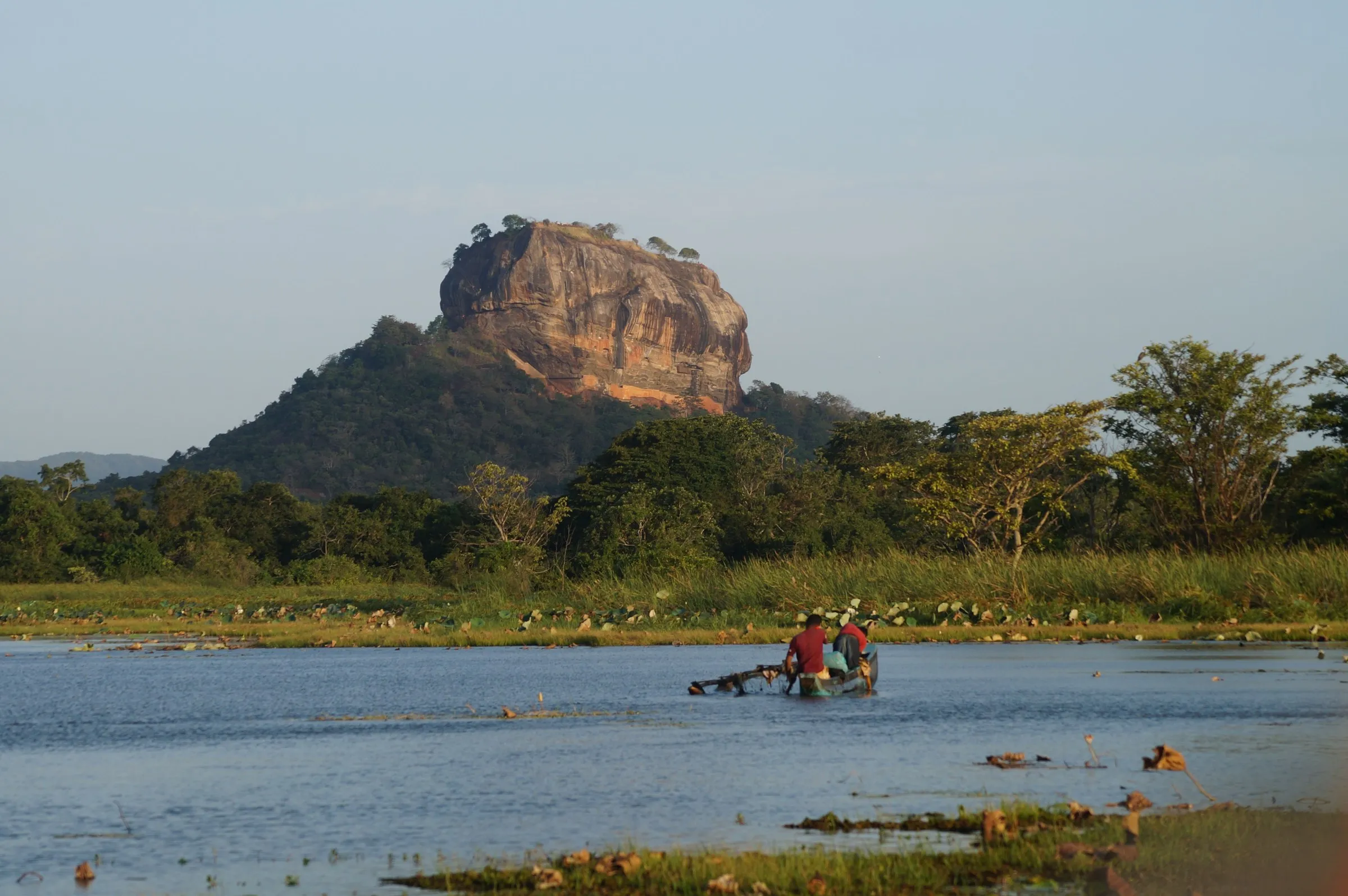
Two fishermen in a boat on the water below the rock of Sigiriya

Heritage · Wildlife · Beaches

Best of Sri Lanka

Sigiriya and the ancient cities, Kandy, the train through the tea hills, Yala and Bentota

See the day-by-day
Duration
12 days · 11 nights
Halts
8
Colombo to Colombo
Best months
December – April
Price
On request
quoted to your dates

The journey

Twelve days in Sri Lanka: Sigiriya and the ancient cities, Kandy’s Temple of the Tooth, the hill-country train to Ella, a Yala safari and Bentota’s beaches.

Sri Lanka is three landscapes in one small island: the dry plains of the north, where the Buddhist kings built their capitals; the hills, green with tea and cool at night; and the south, with its national parks, its Dutch forts and its beaches. This journey crosses all three. Three nights at Dambulla, in the middle of the Cultural Triangle, for Anuradhapura, Polonnaruwa and Sigiriya; two in Kandy, the last royal capital; a night at Nuwara Eliya; the train to Ella; two nights at Yala, and three by the sea at Bentota.

Along the way: pilgrims carrying flowers to the Sri Maha Bodhi, grown from a branch of the tree at Bodh Gaya; the painted caves of Dambulla; the lion’s paws on Sigiriya and the Buddhas of the Gal Vihara, cut from one face of granite. Then the Temple of the Tooth and the drummers of Kandy, the pickers at work among the tea, elephants at Yala and a leopard if you are lucky, the ramparts of Galle, and two free days on the beach before the flight home.

Highlights

What you will remember

  • Sigiriya’s Lion Rock, and the painted cave temple at Dambulla

  • Anuradhapura’s great dagobas, the Sri Maha Bodhi and Mihintale

  • Polonnaruwa and the four Buddhas of the Gal Vihara

  • The Temple of the Tooth in Kandy, and an evening of Kandyan dance

  • The tea country at Nuwara Eliya, and the train to Ella

  • A jeep safari in Yala National Park

  • Galle Fort, and two free days on the beach at Bentota

The route

9 halts, in order

  1. Colombo
  2. Dambulla3 nights
  3. Kandy2 nights
  4. Nuwara Eliya1 night
  5. Ellapass through
  6. Yala2 nights
  7. Gallepass through
  8. Bentota3 nights
  9. Colombo

Experiences

The moments it is built around

Everything else on this page is logistics. These are the reasons to come.

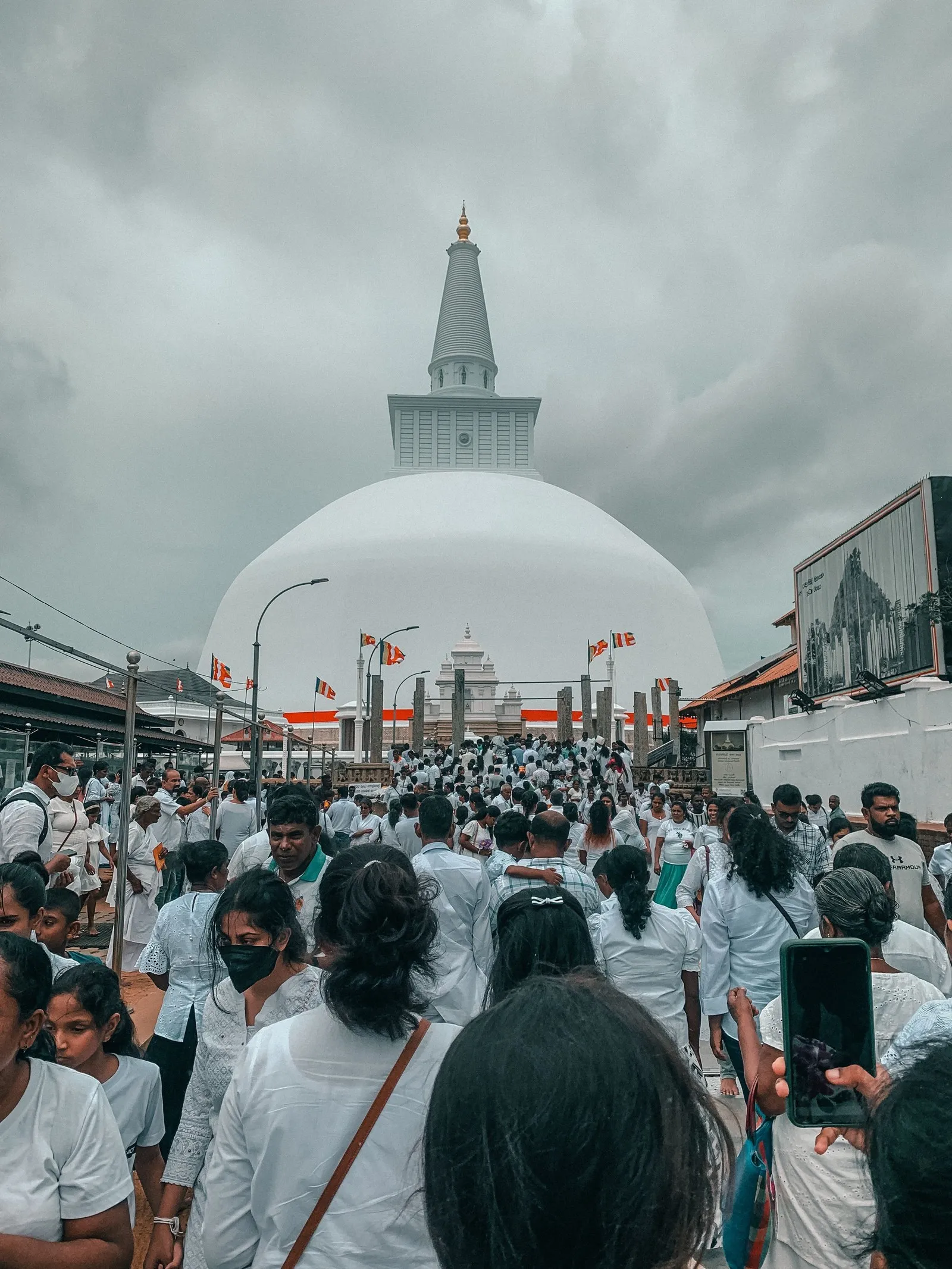
  • Pilgrims in white on the way to the Ruwanwelisaya in Anuradhapura

    The sacred city

    On full-moon days the pilgrims come in thousands, all in white, to the Ruwanwelisaya and the Sri Maha Bodhi.

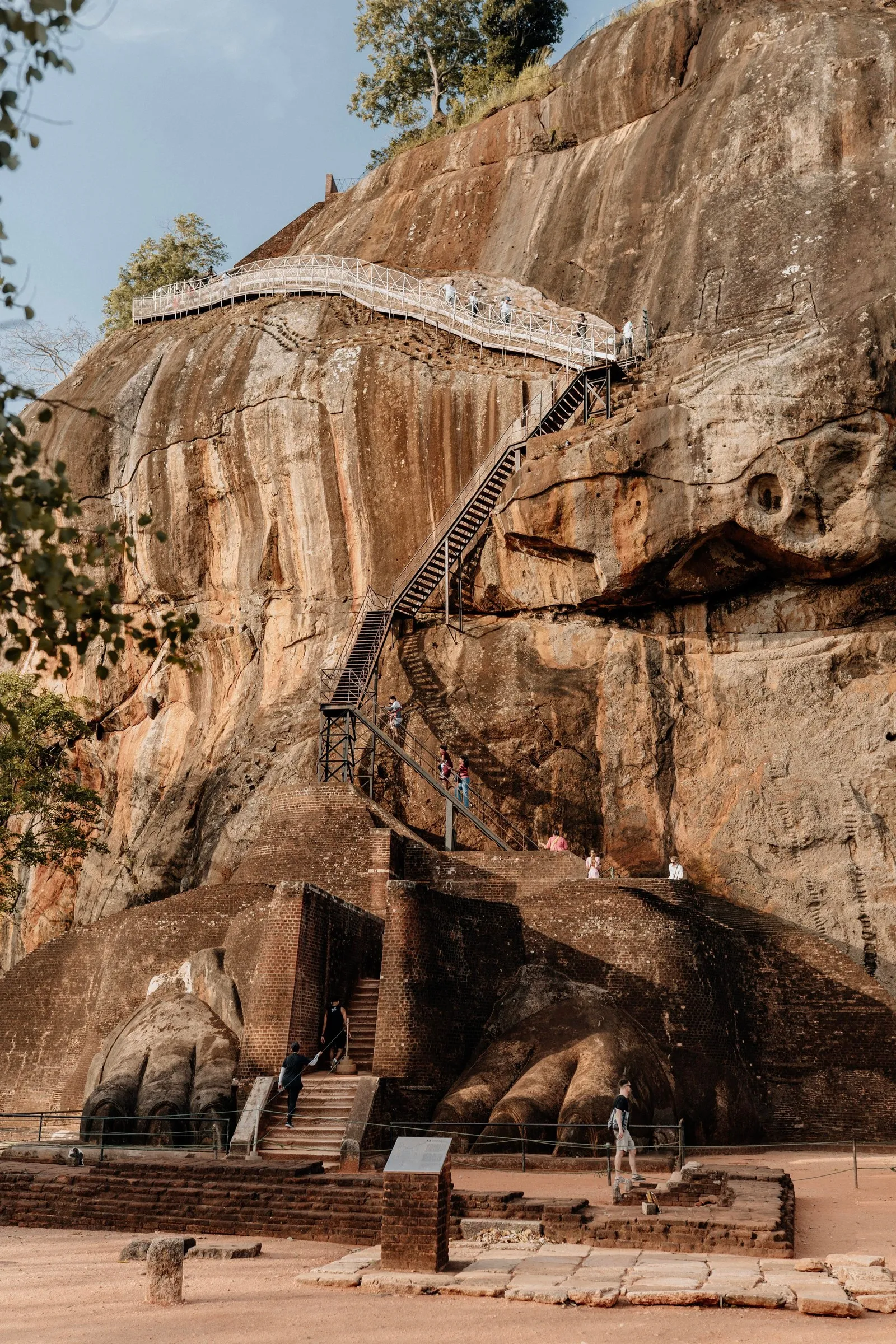
  • The stone lion paws at the foot of the last stairway up Sigiriya

    The Lion Rock

    Past the frescoes, the Mirror Wall and the lion’s paws to the ruins of Kashyapa’s palace on the summit.

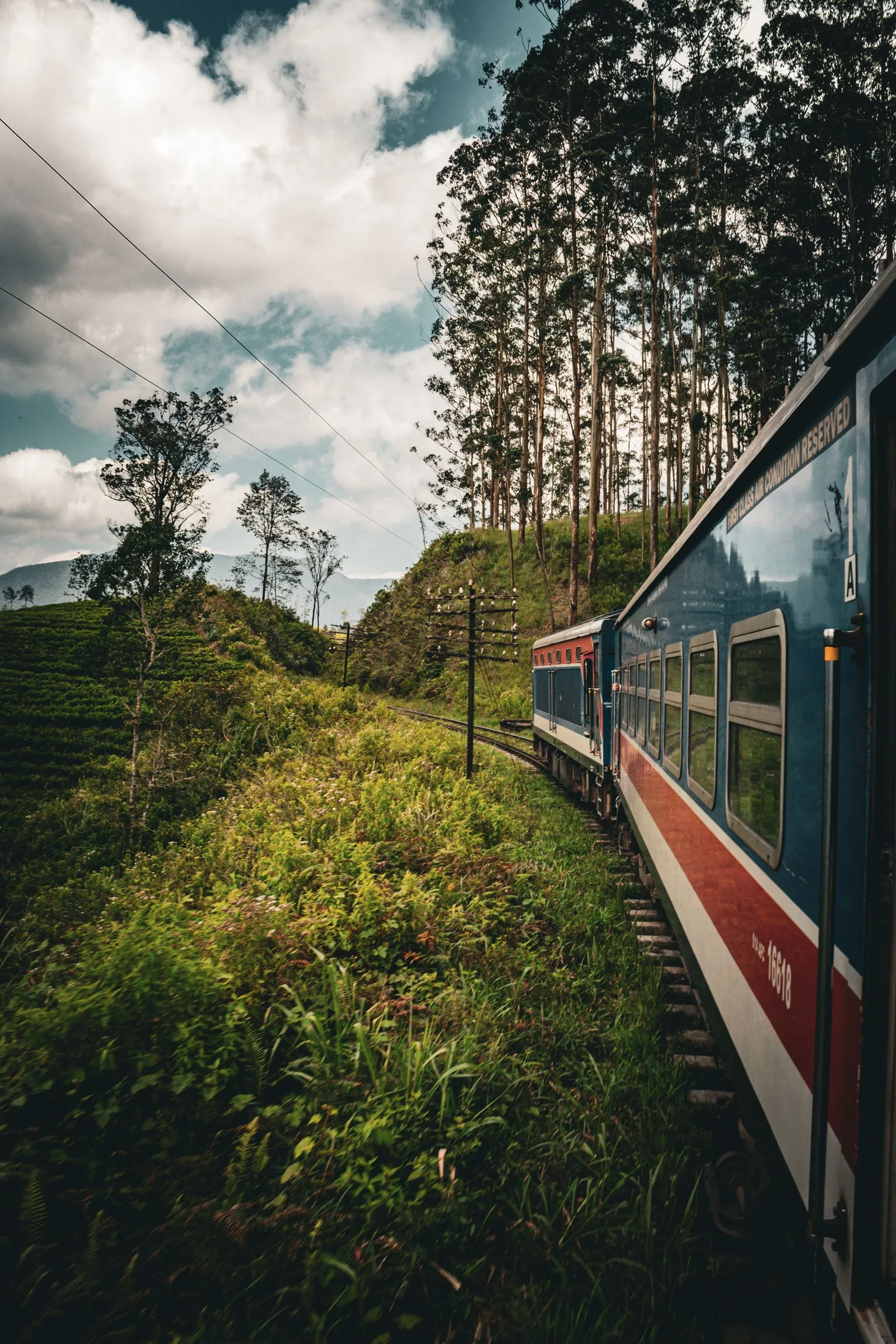
  • The view along the carriages of the hill-country train near Ella

    The hill-country train

    Nanu Oya to Ella: tea estates, tunnels and cloud forest, with the windows open the whole way.

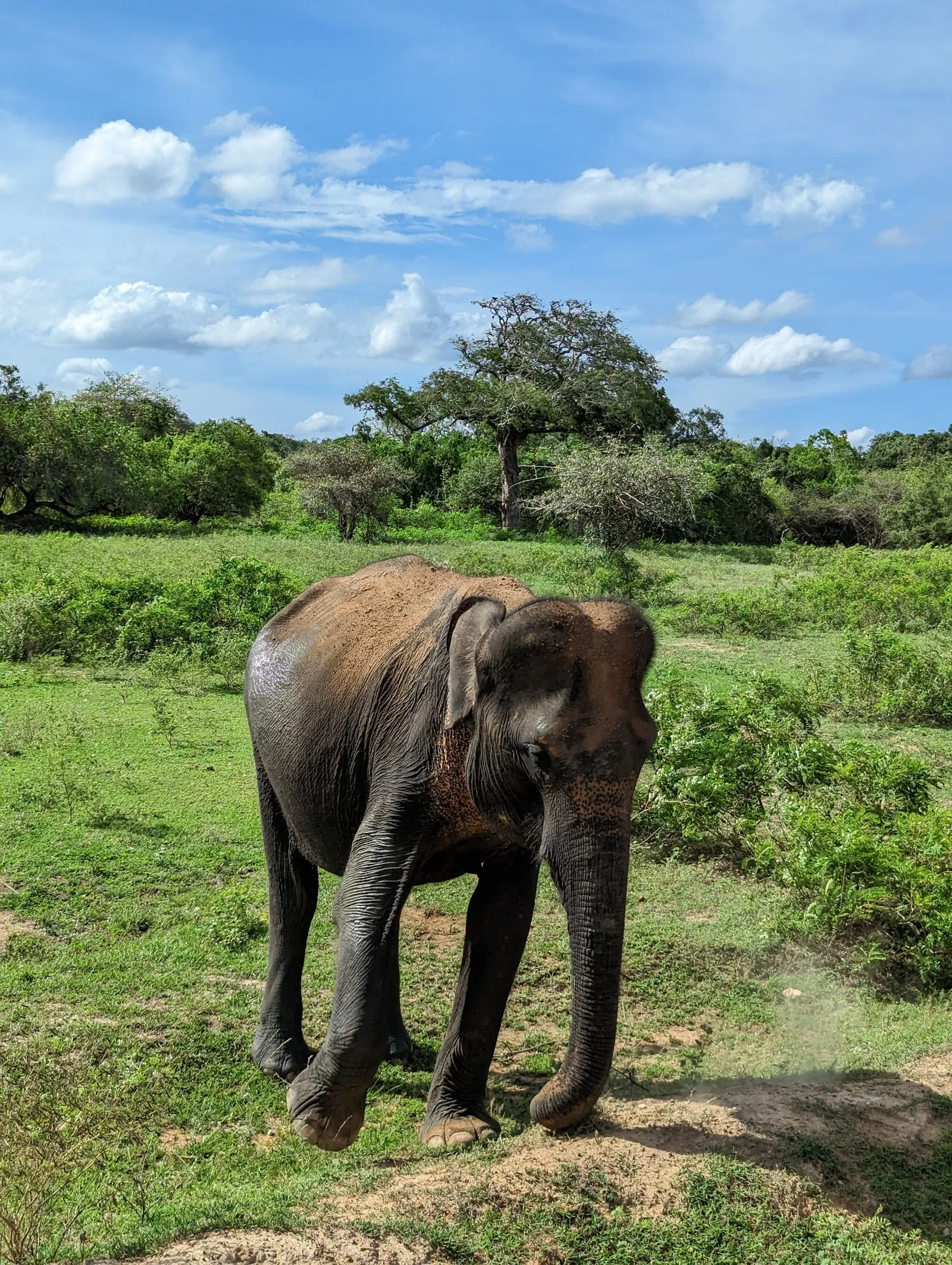
  • A wild elephant on open grassland in Yala National Park

    Yala by jeep

    Elephants, spotted deer, crocodiles and peacocks — and, if the day is kind, a leopard.

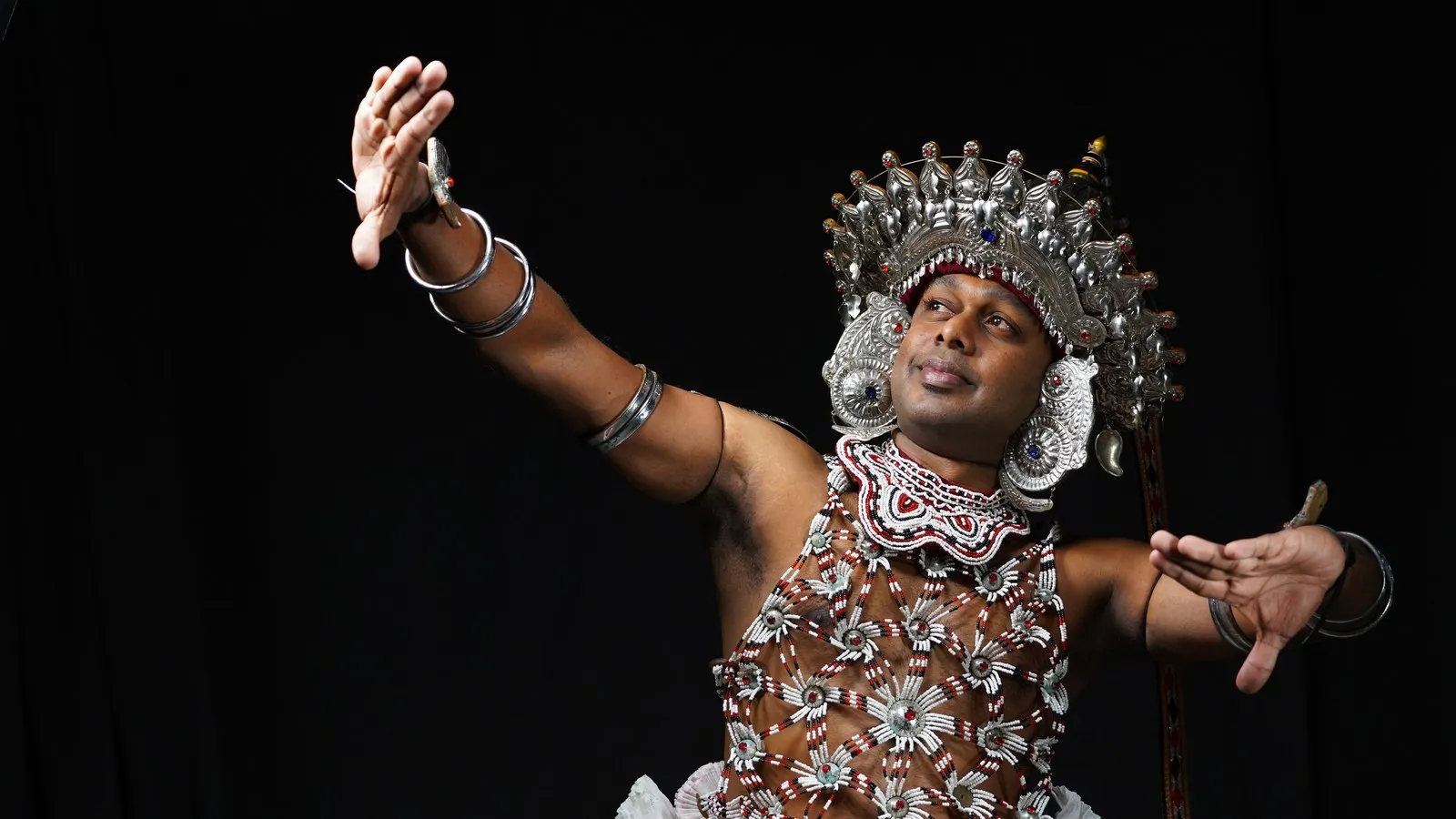
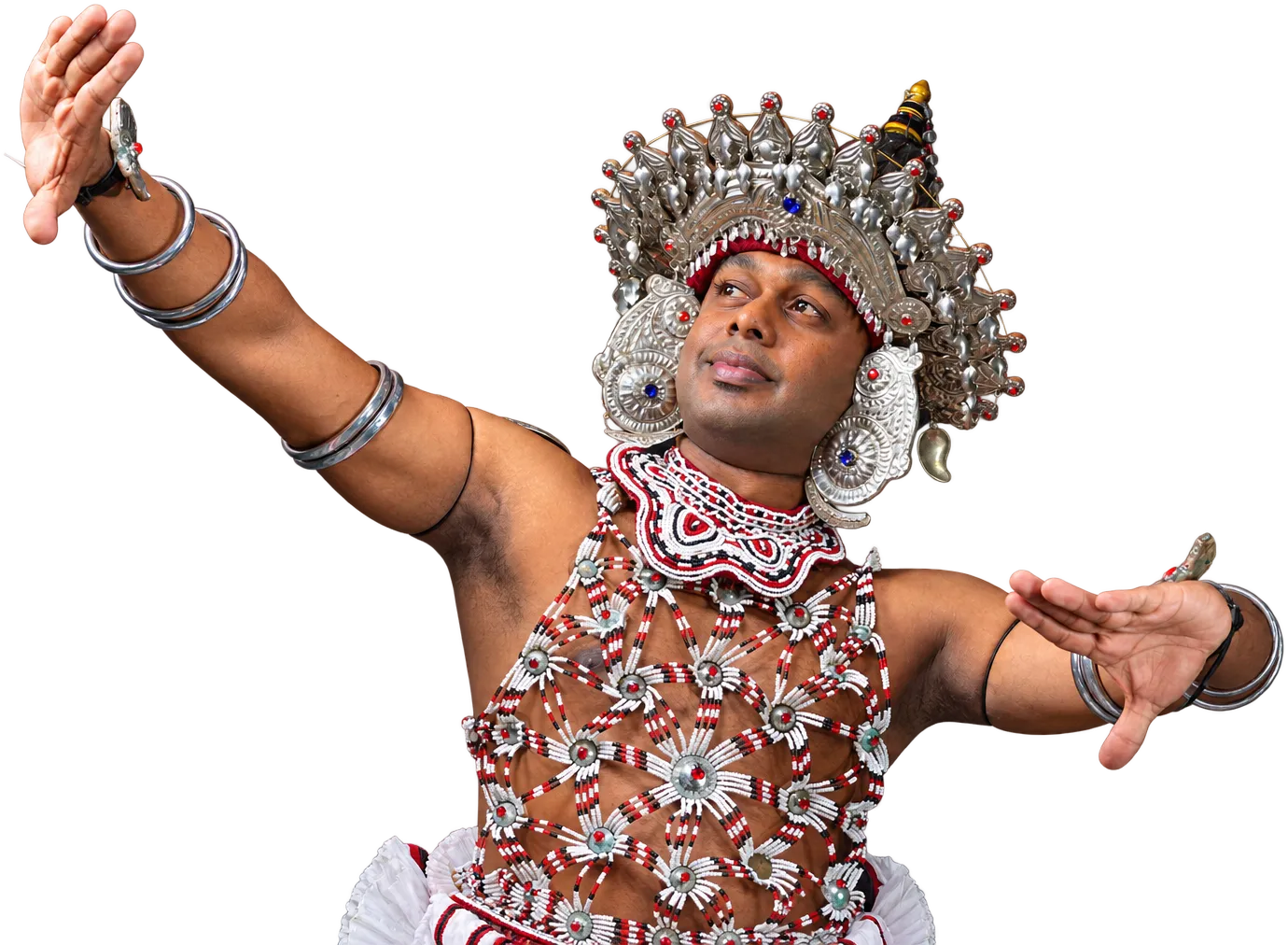
A Kandyan dancer in the silver headdress and beaded ves costume, arms spread wide

Heritage · Wildlife · Beaches

Sigiriya and the ancient cities, Kandy, the train through the tea hills, Yala and Bentota

12 days, 11 nights

The route, day by day

Every halt, every overnight and every drive, published in full.

  1. Colombo
  2. Dambulla
  3. Kandy
  4. Nuwara Eliya
  5. Ella
  6. Yala
  7. Galle
  8. Bentota
  9. Colombo
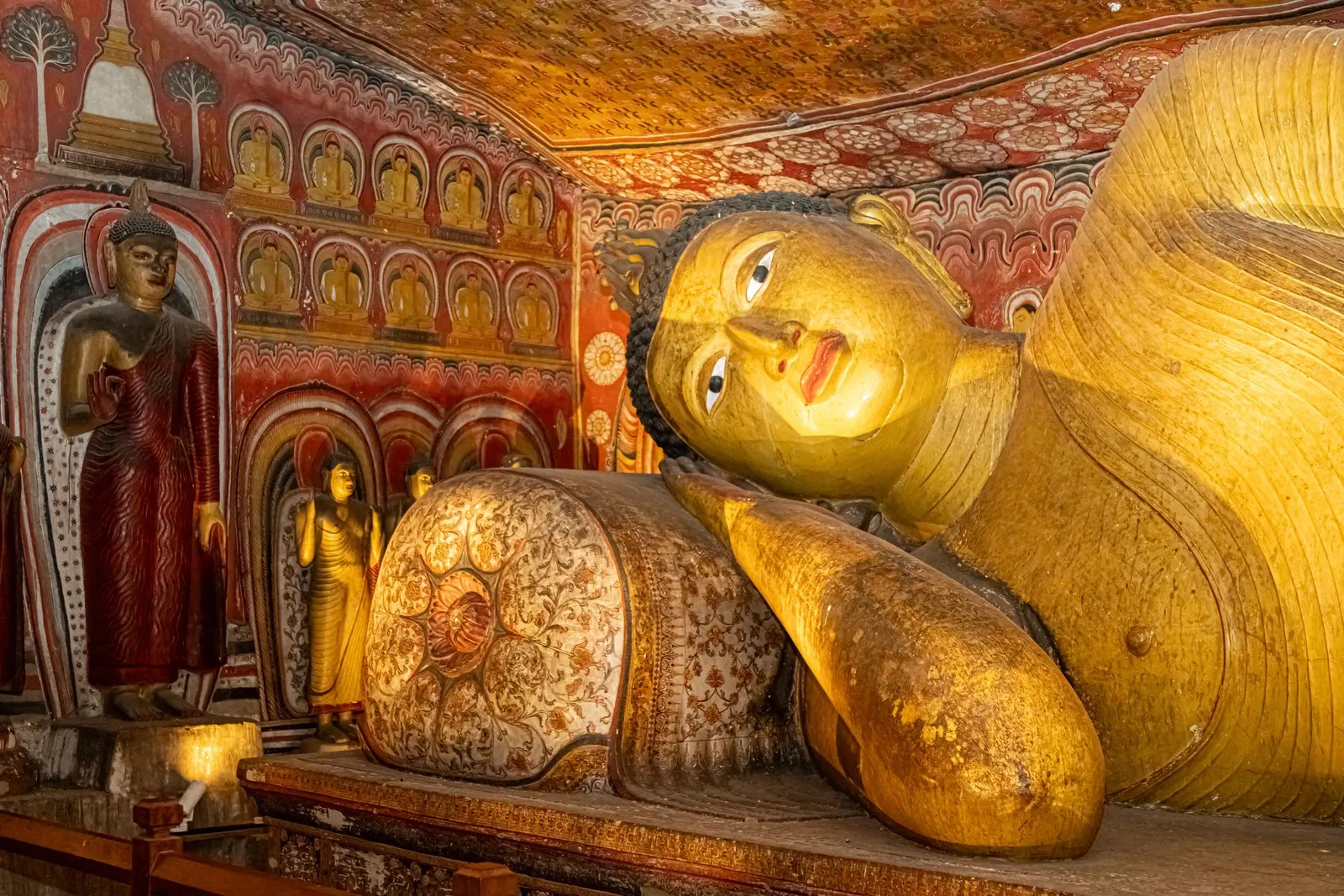
  1. A reclining Buddha beneath the painted rock ceiling of a Dambulla cave temple

    01

    Overnight Dambulla

    155 km · about 4 hrs

    Colombo – Dambulla, and the cave temple

    Met at the airport north of Colombo and driven inland to Dambulla, in the dry plains at the centre of the island, where you stay for three nights. Check in and rest after the flight.

    In the late afternoon, the Dambulla cave temple, which UNESCO lists as the Golden Temple of Dambulla. King Valagamba is said to have hidden in these caves in the first century BC, when invaders drove him from Anuradhapura, and to have made them a temple when he won back his throne. Five caves open under one great overhang of rock; inside are more than 150 images of the Buddha, a reclining Buddha cut from the rock itself, and walls and ceilings painted from edge to edge.
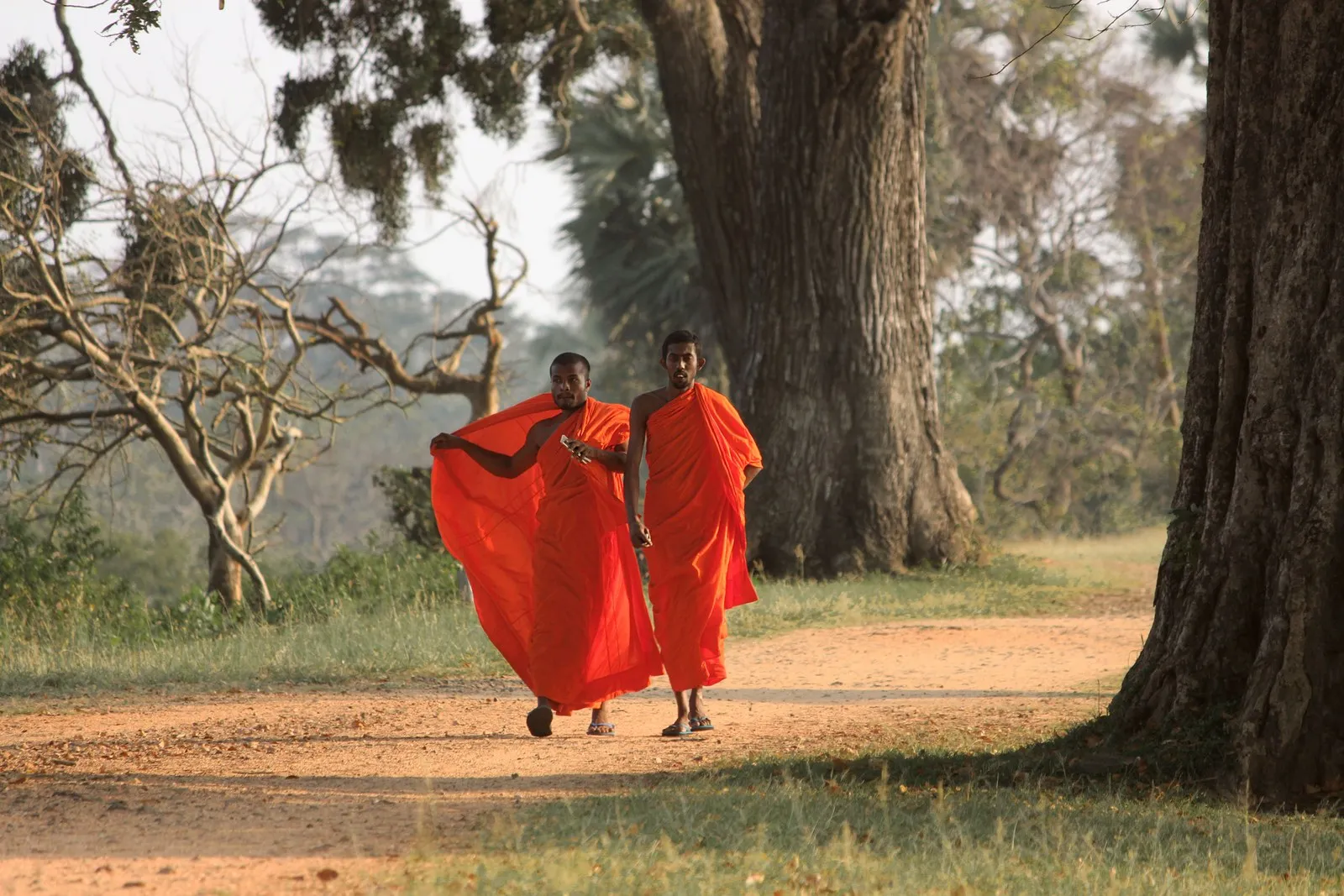
  2. Two Buddhist monks walking a dirt path under old trees in Anuradhapura

    02

    Overnight Dambulla

    65 km to Anuradhapura · 18 km to Mihintale · 60 km back

    Anuradhapura and Mihintale

    North to Anuradhapura, the island’s first great capital, where kings ruled from the fourth century BC to the eleventh century AD. Its heart is the Sri Maha Bodhi, grown, the chronicles say, from a branch of the tree at Bodh Gaya under which the Buddha found enlightenment, and planted here in the third century BC. Pilgrims in white come every day to lay flowers at its foot.

    Around it stand the great dagobas: the white dome of the Ruwanwelisaya, raised by King Dutugemunu in the second century BC; the Thuparama, said to be the oldest on the island; and the brick mountains of the Abhayagiri and the Jetavanarama. Then the stone pillars of the Brazen Palace, the Samadhi Buddha seated in meditation, the twin bathing ponds of Kuttam Pokuna, and the rock temple of Isurumuniya, with its carved lovers and the elephants cut into the rock at the water’s edge.

    In the afternoon, Mihintale, where the monk Mahinda, son of the Emperor Ashoka, is said to have met the king of Anuradhapura in the third century BC and brought Buddhism to Sri Lanka. A granite stairway climbs the hill past dagobas, relic houses and the caves of the first monks to the meditation rock at the top. Back to Dambulla for the night.

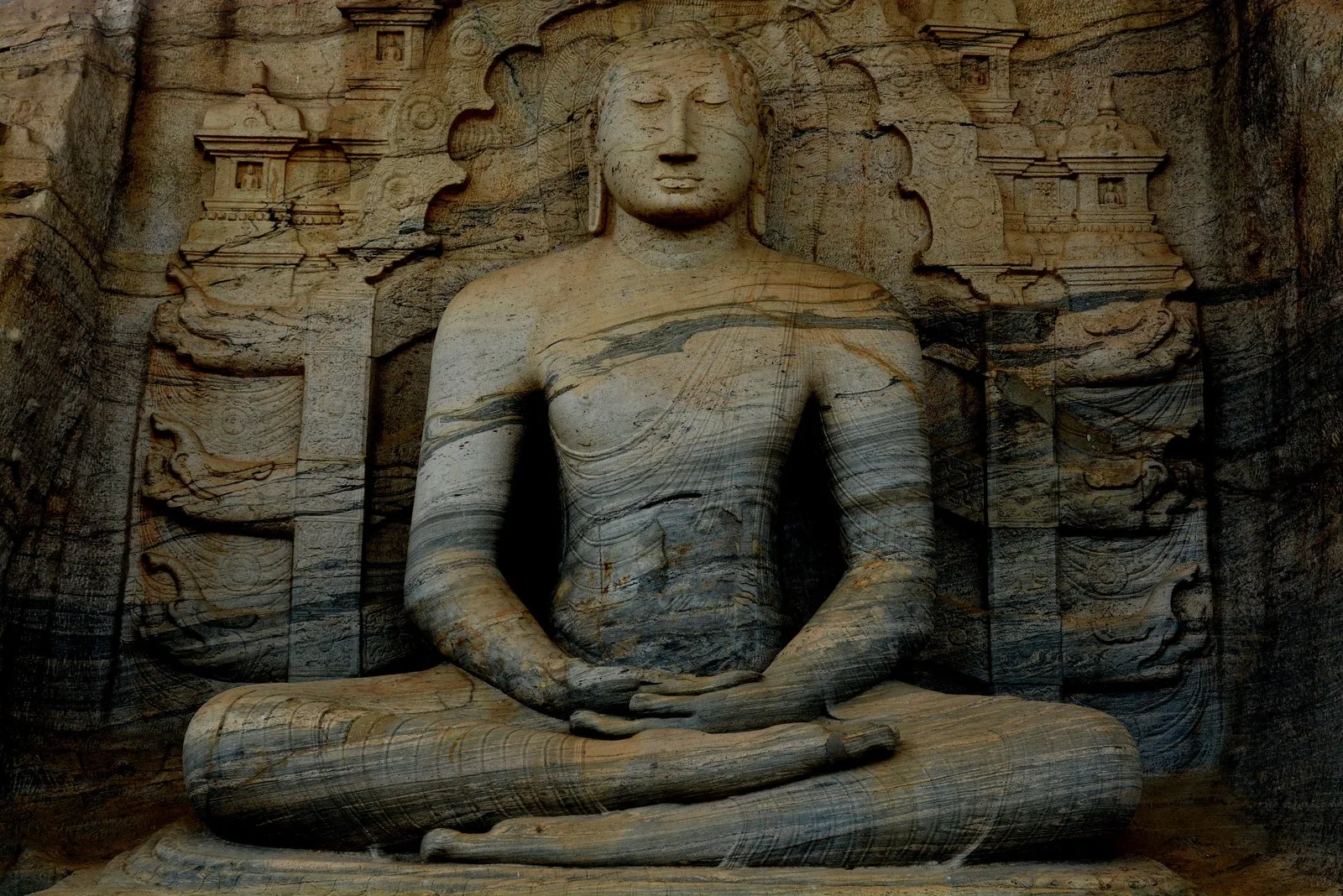
  3. A seated Buddha cut from the granite face of the Gal Vihara, Polonnaruwa

    03

    Overnight Dambulla

    17 km to Sigiriya · 60 km to Polonnaruwa · 65 km back

    Sigiriya and Polonnaruwa

    Early to Sigiriya, the Lion Rock, to climb before the heat. In the fifth century AD King Kashyapa built his palace on the summit of this sheer rock, and ringed its foot with moats, ramparts and water gardens. The climb is about 1,200 steps — allow two hours with the stops: the frescoes of painted women in a hollow of the rock face, the Mirror Wall scratched with visitors’ verses more than a thousand years old, and the two great paws on the Lion platform, all that is left of the lion whose mouth was the gateway to the top.

    Then Polonnaruwa, the capital after Anuradhapura fell in the eleventh century: the royal palace of Parakramabahu the Great, the Quadrangle with its round relic house, and the Gal Vihara, where four Buddhas — two seated, one standing and one lying down — were cut from one face of granite in the twelfth century. Back to Dambulla for the night.

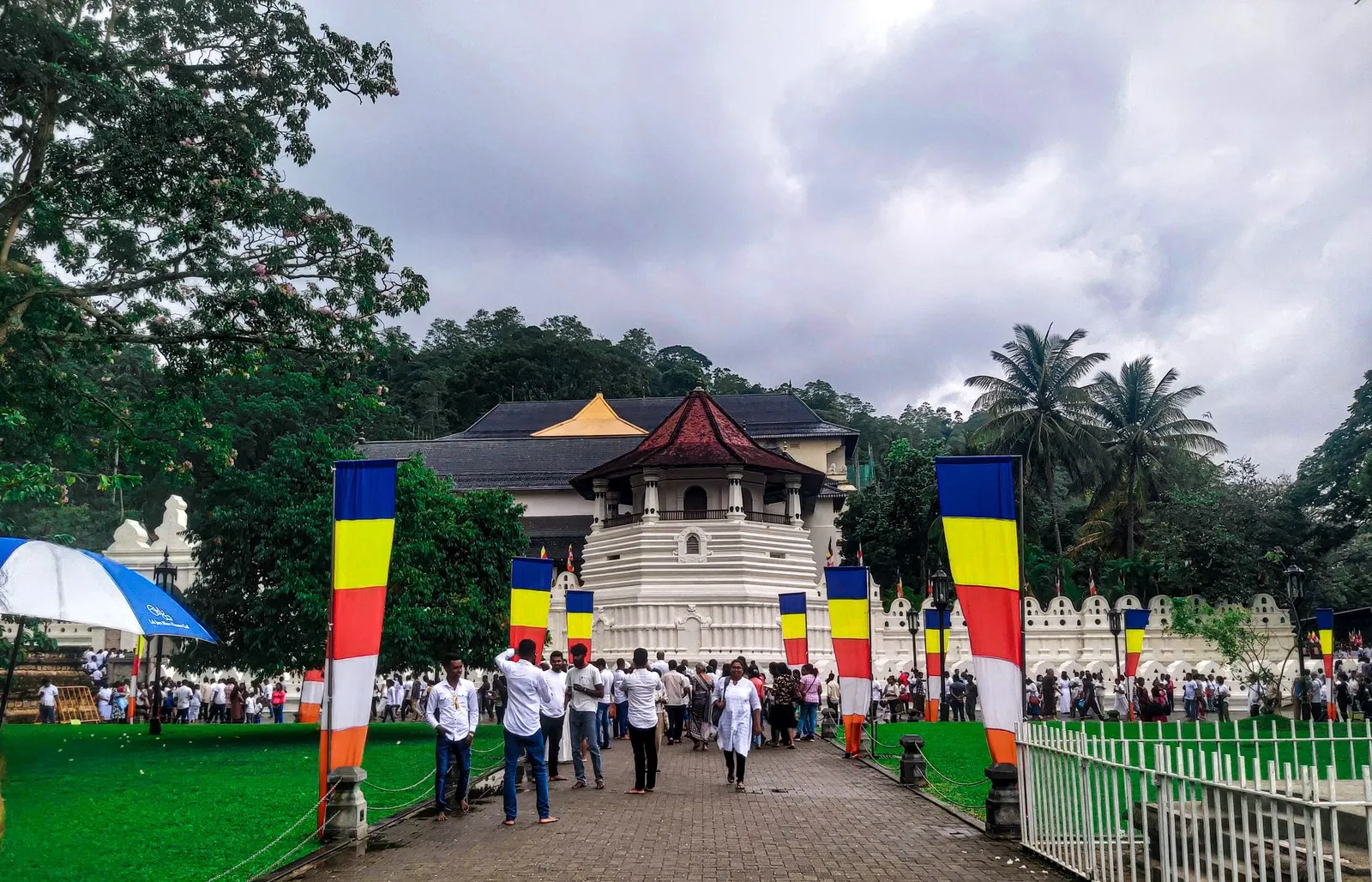
  4. Pilgrims in white outside the Temple of the Tooth in Kandy, hung with Buddhist flags

    04

    Overnight Kandy

    75 km · about 2 hrs

    Matale’s spice gardens, and Kandy

    South into the hills, with a stop at a spice garden in Matale: cinnamon, which is native to Sri Lanka, with cardamom, pepper, cloves and nutmeg, grown as they are on the island’s farms, and a guide to show you how each goes into Sri Lankan cooking.

    Then Kandy, capital of the island’s last kingdom, which held out against the Portuguese and the Dutch and fell to the British only in 1815. In the afternoon, the Temple of the Tooth, Sri Dalada Maligawa, one of the holiest places in the Buddhist world. It keeps a tooth of the Buddha that, the story goes, was carried from Kalinga, on India’s east coast, in the fourth century AD, hidden in a princess’s hair; it lies in the inner shrine, under a golden canopy. In the evening, a performance of Kandyan dance: drummers, and dancers in the beaded costume and silver headdress of the ves.

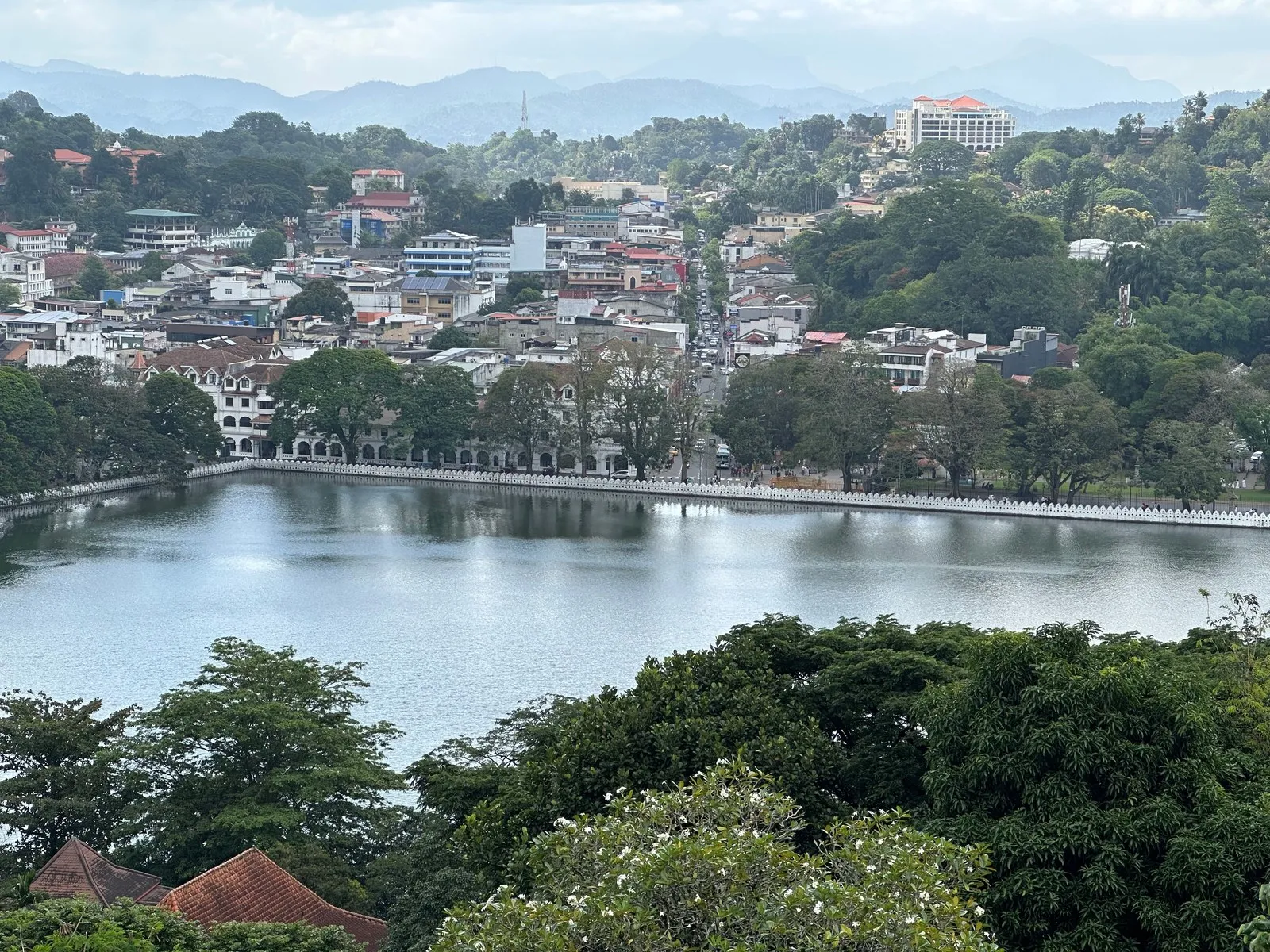
  5. Kandy Lake and the town, seen from the hills above

    05

    Overnight Kandy

    Pinnawala and the Royal Botanical Gardens

    The morning at Pinnawala, the elephant orphanage west of Kandy, set up for young elephants found orphaned or injured in the wild; it also keeps elephants displaced by development. At set times the herd is fed and walked down to the Maha Oya river to bathe.

    In the afternoon, the Royal Botanical Gardens at Peradeniya, just outside Kandy, once the pleasure garden of the Kandyan kings: the orchid house, the fernery and the spice garden, an avenue of royal palms, and trees planted by visiting kings, queens and statesmen. The evening is yours; the lake at the heart of Kandy is the place to walk at dusk.

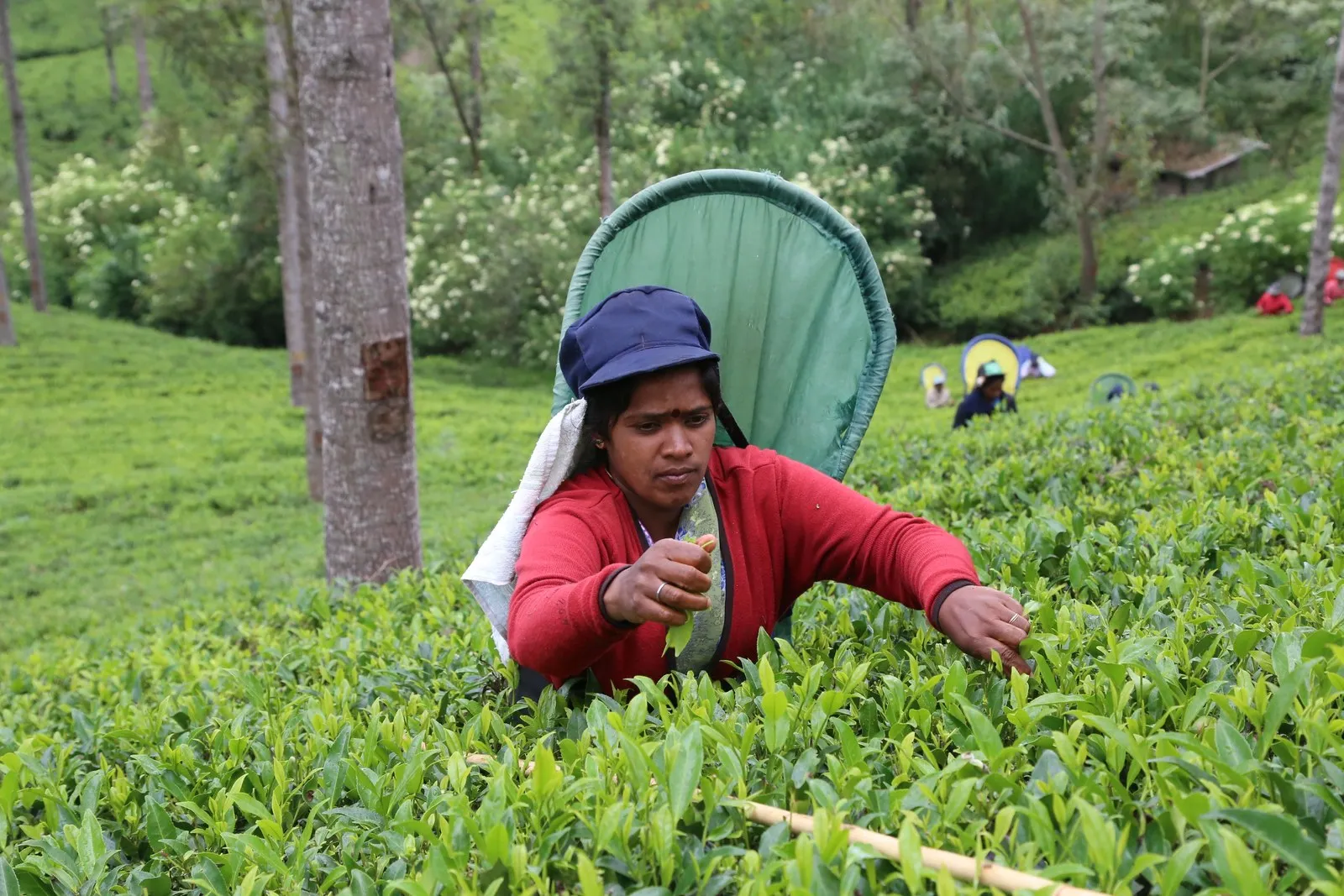
  6. A tea picker at work among the bushes near Nuwara Eliya

    06

    Overnight Nuwara Eliya

    75 km · about 4 hrs with the tea factory

    Kandy – Nuwara Eliya, into the tea country

    The road climbs out of Kandy through the tea estates to Nuwara Eliya, at about 1,900 metres, the hill station the British built as a cool retreat and the planters called Little England. Tea came to these hills in the late nineteenth century, after a blight wiped out the coffee plantations, and Ceylon tea is still picked by hand.

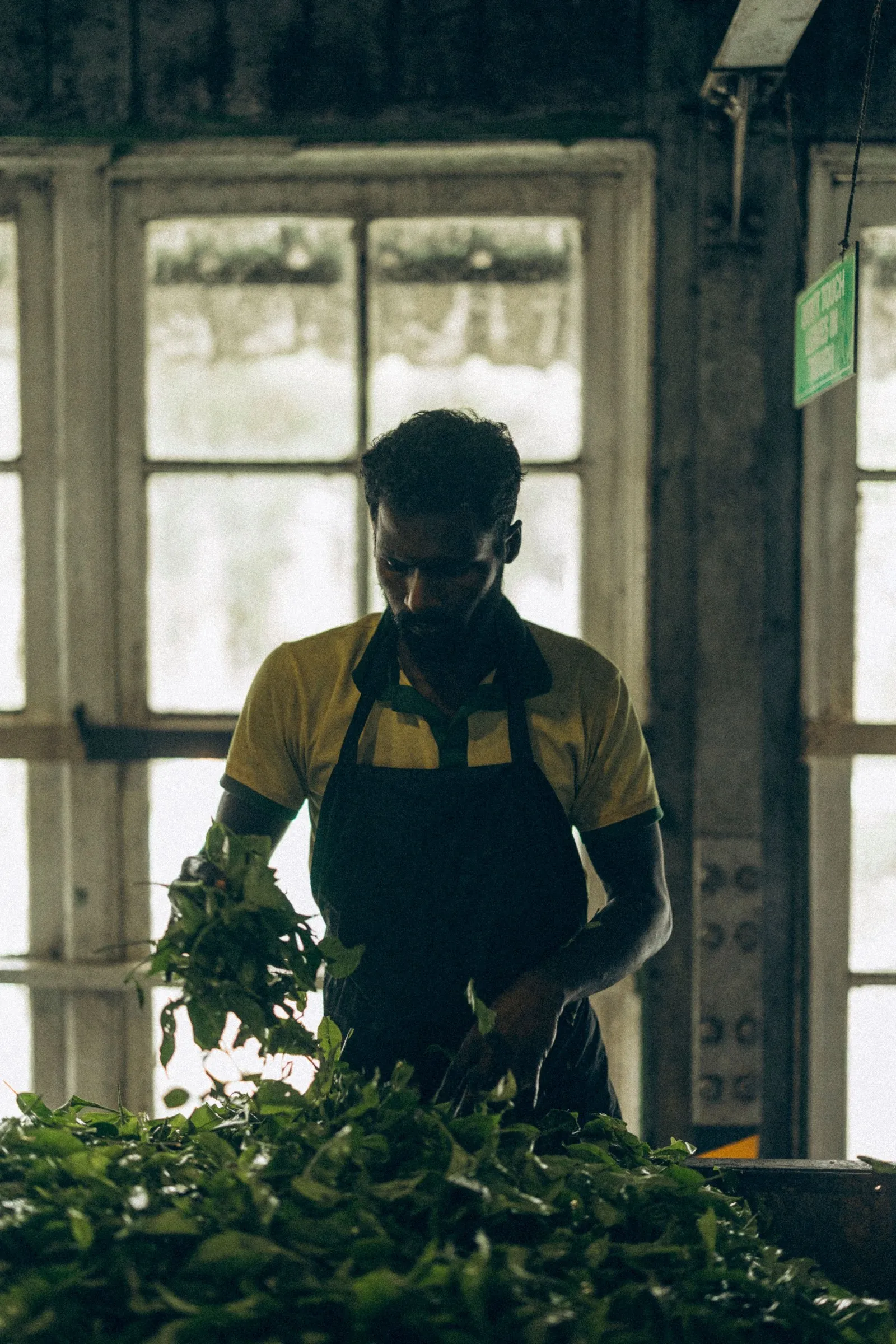
    On the way, a tea factory and its estate. The pickers, mostly Tamil women whose families came from South India to work the estates in the nineteenth century, take two leaves and a bud from each bush; in the factory the leaf is withered, rolled, left to oxidise, dried and sorted into the grades you see on the packet. Nuwara Eliya is cold once the sun goes down.

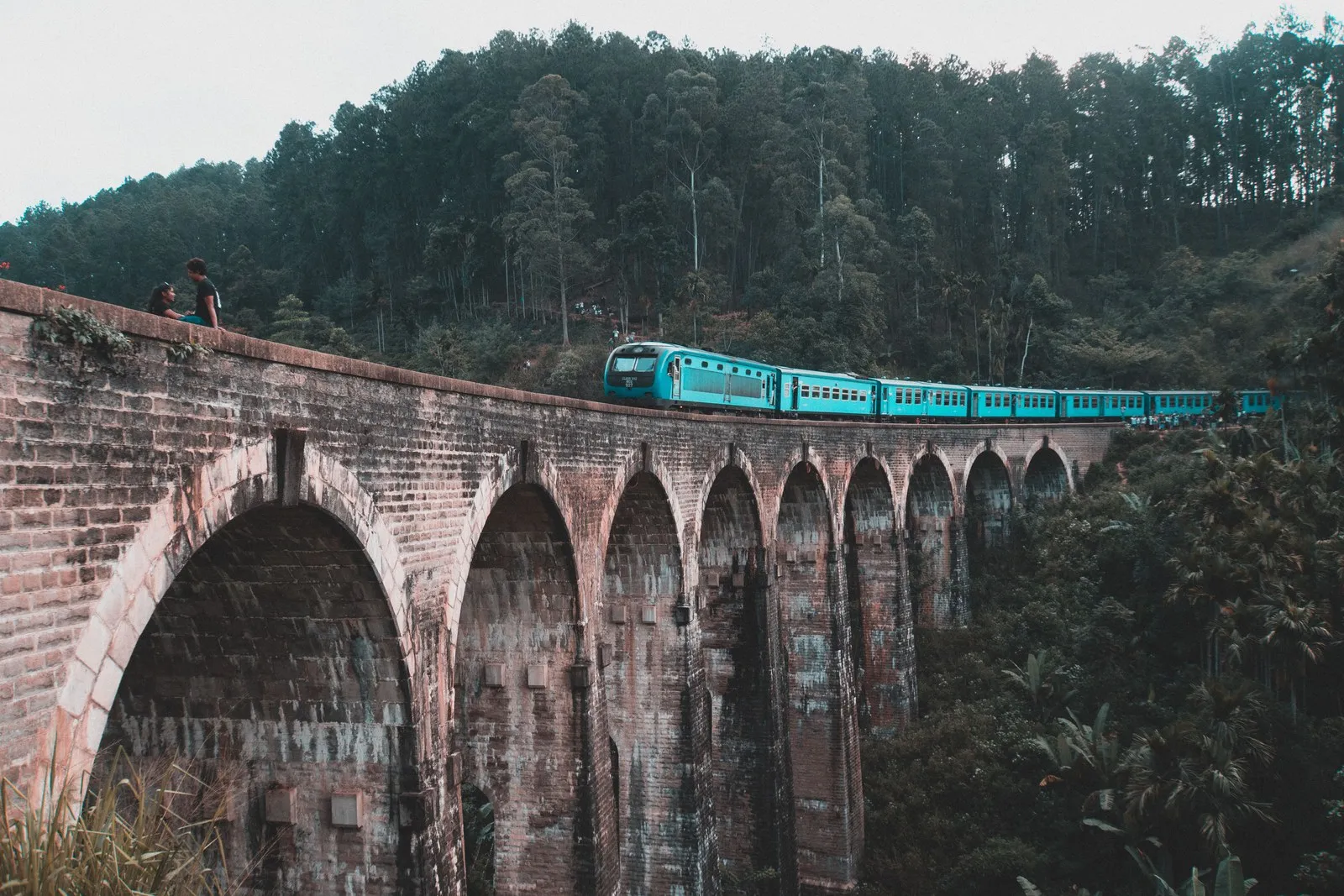
  7. A blue train crossing the Nine Arch Bridge near Ella

    07

    Overnight Yala

    Train Nanu Oya – Ella · about 2½ hrs, then by road

    By train to Ella, then down to Yala

    The day is about the train. From Nanu Oya, the station for Nuwara Eliya, the hill-country line climbs to Pattipola, the highest station in Sri Lanka, then winds down through tea estates, cloud forest and tunnels, past Haputale and Bandarawela, to Ella. It takes about two and a half hours, and there is no better way to see the hills: keep the window open and the camera ready.

    At Ella, the Nine Arch Bridge, also called the Bridge in the Sky, a colonial-era railway viaduct of stone and brick that curves between tea-covered hills just down the line at Demodara. Then the drive south, out of the hills to the dry plains around Yala, for two nights.

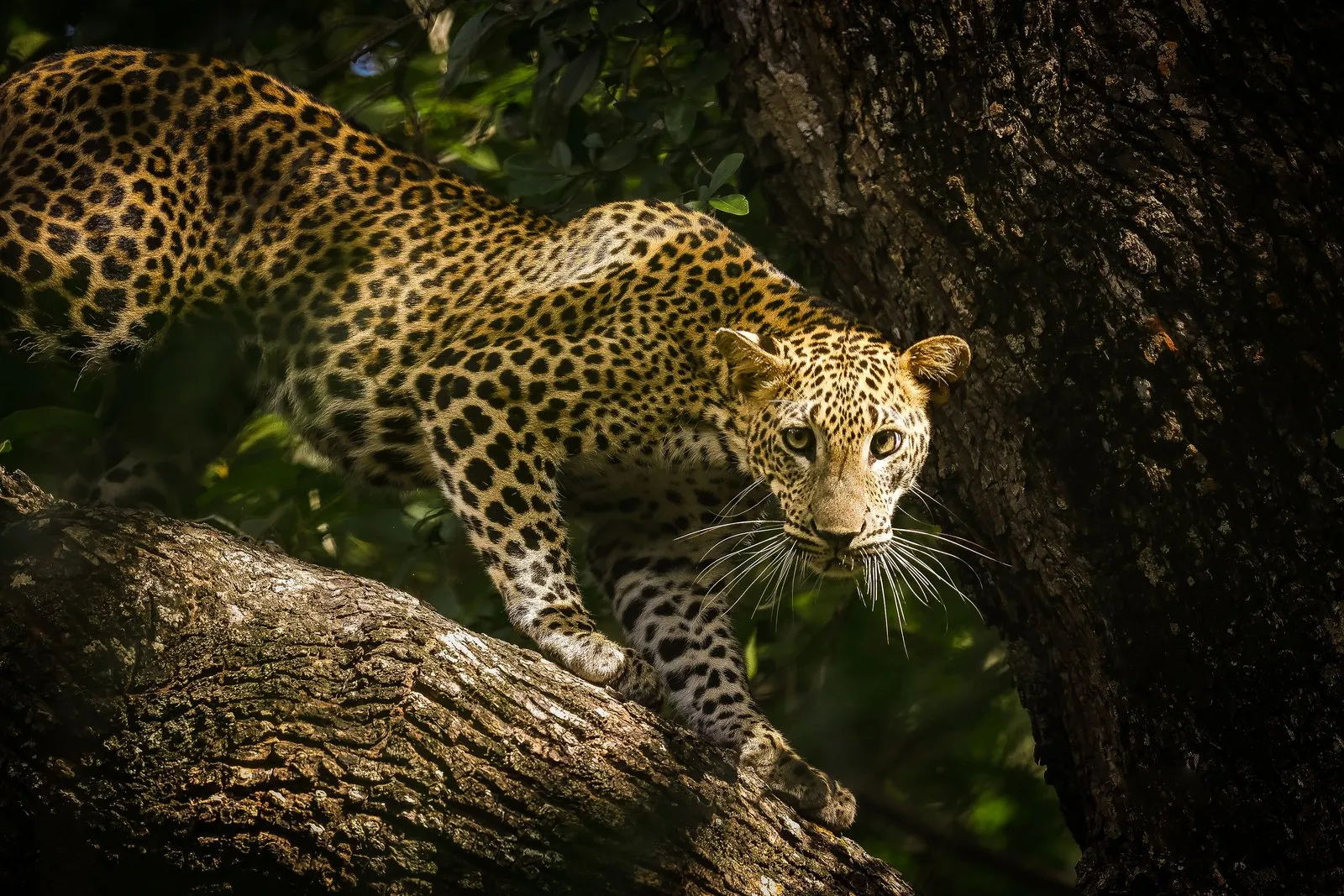
  8. A leopard on a tree branch in Yala National Park

    08

    Overnight Yala

    A safari in Yala National Park

    An early breakfast, then a jeep safari in Yala National Park, protected as a national park since 1938, on the dry south-east coast. Most drives are in Block I, the most visited part: scrub jungle and open plains, lagoons, and rocky outcrops running down to the sea.

    Yala is known above all for its leopards. The drivers know where they have been seen, but leopards are wild and shy, and no one can promise a sighting. You are far more likely to see elephants, spotted deer and sambar, water buffalo, wild boar, crocodiles at the waterholes and mongooses, and birds everywhere, resident and migrant.

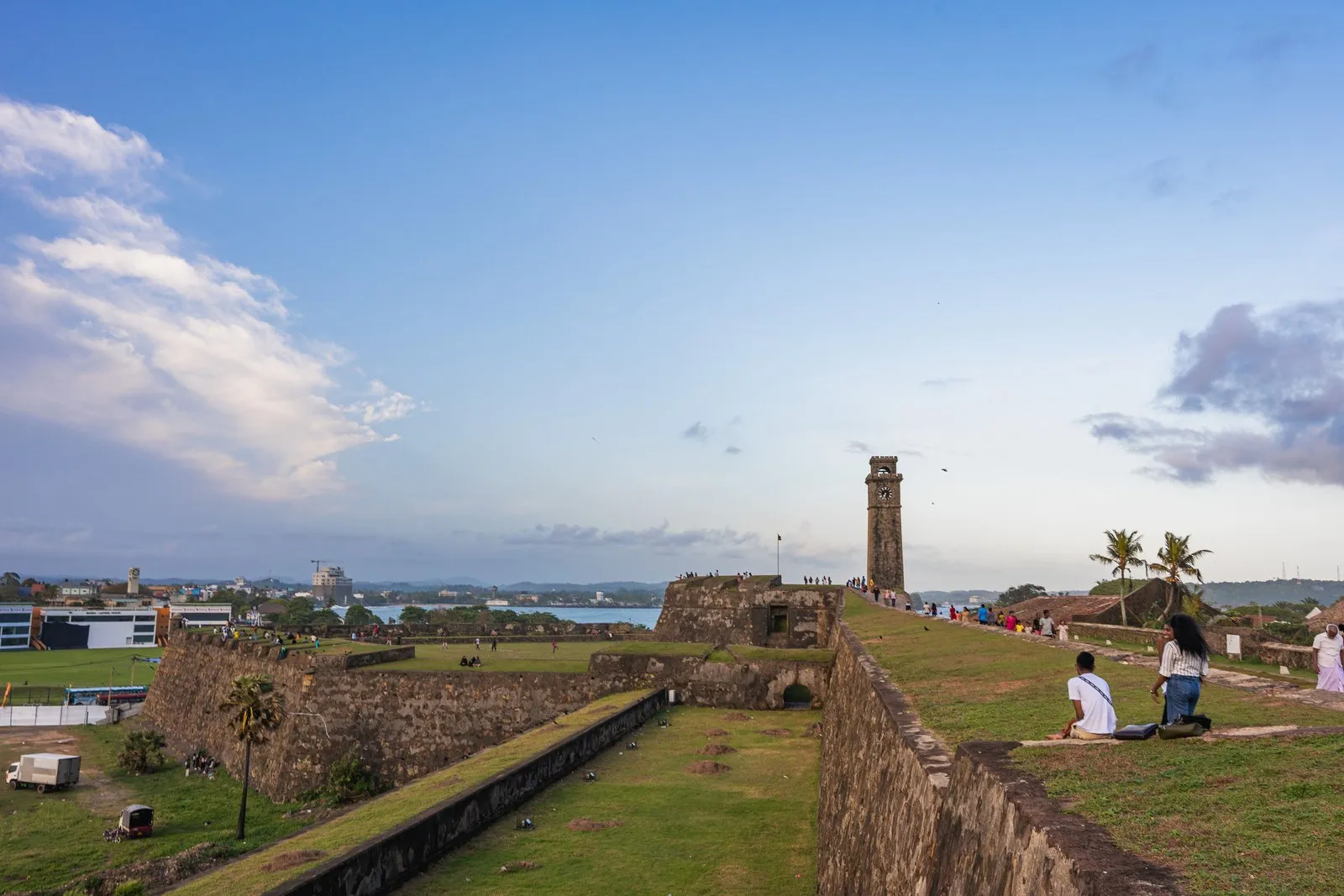
  9. People on the ramparts of Galle Fort in the evening, the clock tower beyond

    09

    Overnight Bentota

    200 km · about 3 hrs, with Galle on the way

    Galle Fort, then Bentota

    West along the south coast to Galle, whose fort the Portuguese began in the sixteenth century and the Dutch rebuilt in the seventeenth; the old town inside its walls is a UNESCO World Heritage Site. Walk the ramparts from the lighthouse to the clock tower, then the streets between them: the Dutch Reformed Church, old warehouses, houses with deep verandas, and the market outside the walls. Then on up the coast to Bentota, where the river meets the sea, for three nights on the beach.

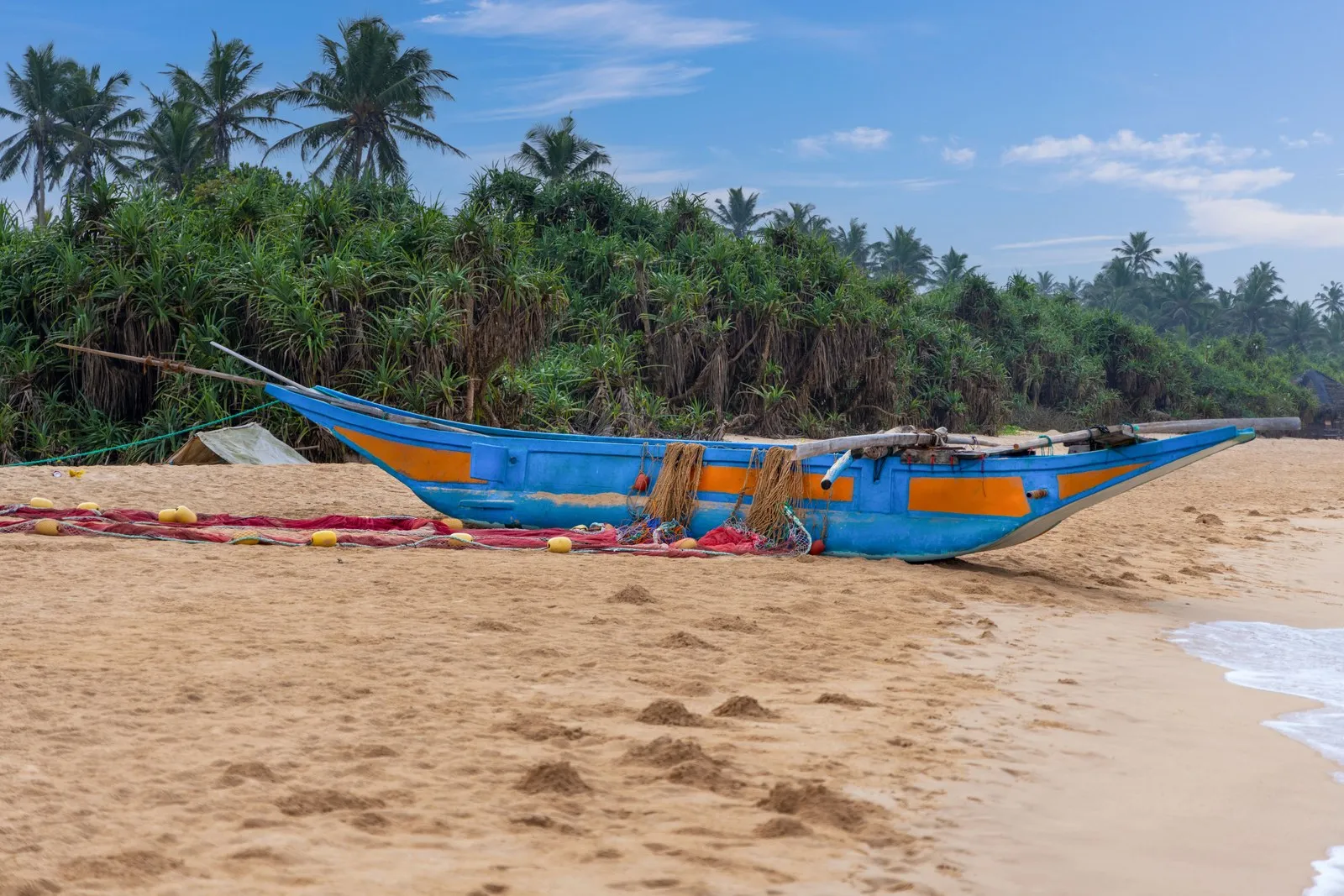
  10. A fishing boat drawn up on the beach at Bentota

    10

    Overnight Bentota

    A free day at Bentota

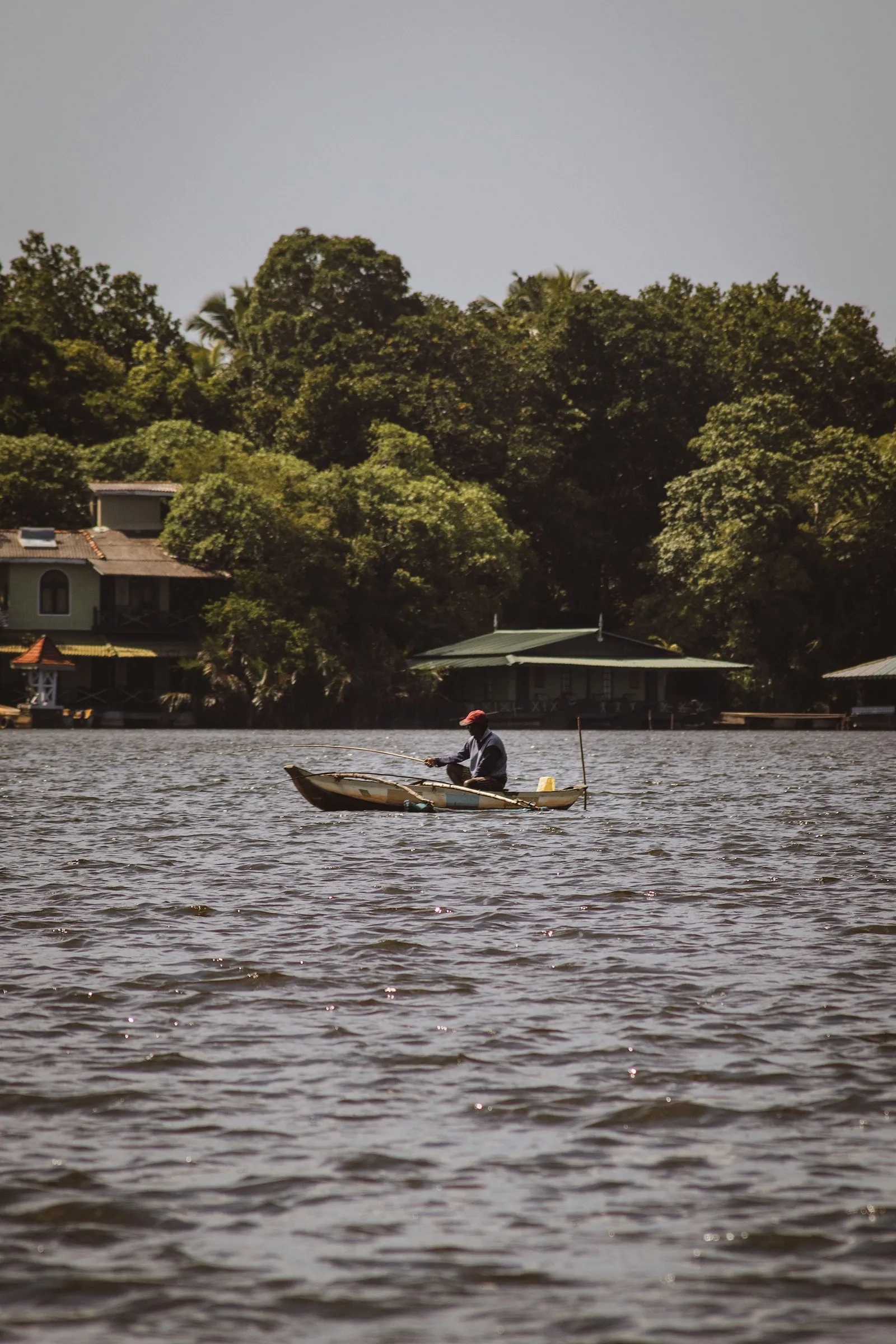
    A day with nothing planned, on the beach at Bentota. If you want more than the sea: a boat up the Bentota River through the mangroves, or Lunuganga, the country garden the architect Geoffrey Bawa made for himself on a lake a few miles inland.

  11. A man paddling a canoe on the Bentota River

    11

    Overnight Bentota

    Bentota, at leisure

    Another free day by the sea at Bentota. Swim where the hotel or the lifeguards say it is safe, since the currents on this coast can be strong, and at sunset walk the beach, past the fishing boats drawn up on the sand.

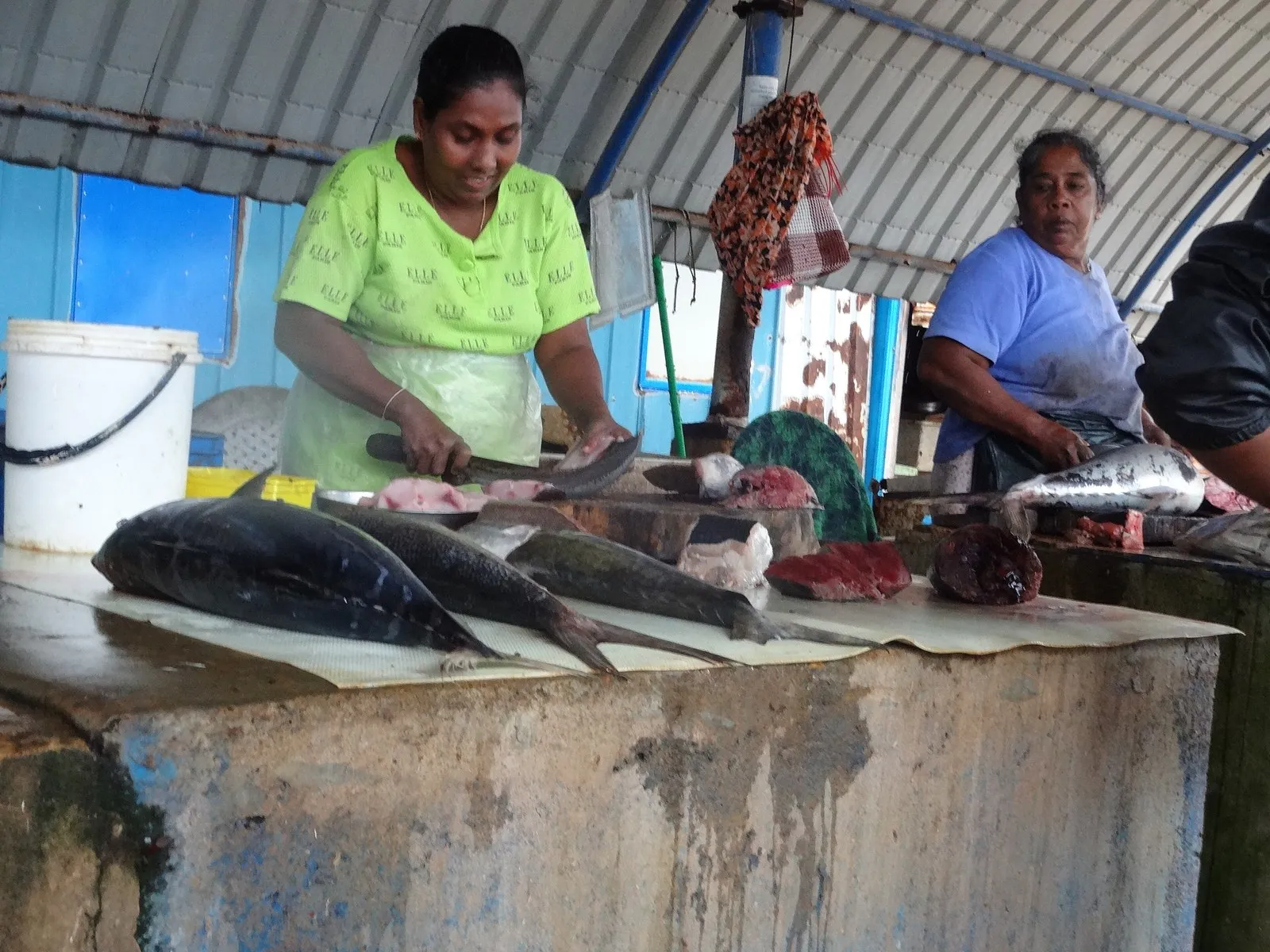
  12. Women selling the morning’s catch at the fish market in Negombo

    12

    Departure

    95 km · about 1½ hrs

    Departure

    A last morning by the sea, then the drive up the coast and around Colombo to the airport at Katunayake for your flight home.

Like the route? We will write it for your dates.

The price

What the price covers

The commonest reason travellers abandon an enquiry is not knowing what is covered. Every Rang Travels quotation itemises it — this is the usual shape for this journey.

Included

  • 11 nights with breakfast
  • A private air-conditioned car with driver from the airport and back, for every transfer and sightseeing day
  • Local guides for the sightseeing
  • The train from Nanu Oya to Ella, and a jeep safari in Yala National Park
  • The spice garden at Matale, a tea factory and the Kandyan dance performance
  • Tolls, parking and the driver’s allowances

Not included

  • International flights
  • Entrance fees at the monuments and temples, and the park fees at Yala
  • Lunches and dinners
  • Sri Lanka’s ETA (visa), travel insurance and tips

Price on request

Quoted to your dates,
your hotels and your pace

Before you book

Temples, the train and the season

Sri Lanka is an easy country to travel in. A few things are worth knowing before you confirm.

Entering Sri Lanka

  • Most visitors must apply online for Sri Lanka’s Electronic Travel Authorisation (ETA) before they travel. The rules differ by passport and change from time to time, so check the current requirements when you book.

At the temples

  • Cover your shoulders and knees at every temple and sacred site, the ancient cities included, and take off your shoes and hat before you go in.
  • The stone terraces at Anuradhapura and Polonnaruwa are hot underfoot by midday; a pair of socks helps.
  • Never pose for a photograph with your back to a statue of the Buddha: in Sri Lanka it is considered deeply disrespectful.

The climbs and the walking

  • Sigiriya is about 1,200 steps, some of them on narrow metal stairways fixed to the rock face. If you are uneasy with heights, you can stop at the lion’s paws, below the last stairways.
  • The ancient cities are spread out, and at every shrine you go barefoot on stone that is warm by mid-morning. Go early, and carry water.

The train and the park

  • Reserved seats on the hill-country train are few and sell out well ahead in the high season, so confirm as soon as you can. The trains often run late, and the times on the day are approximate.
  • Yala’s main blocks usually close for several weeks in the driest part of the year, around September and October. If your dates fall then, ask us before you book.

The season

  • The south-west coast and the hill country are at their best from December to April. From about May to September the south-west monsoon brings rain to the hills and rough seas to Bentota, when swimming can be dangerous.
  • Nuwara Eliya is cool by day and cold at night; bring a warm layer.

Questions

Before you go

The questions travellers ask about this journey, answered from the itinerary itself. Anything else — ask, and a curator replies.

When is the best time to go?

December to April, when the south-west coast and the hill country are at their driest — most of this route. The ancient cities can be visited all year, but from about May to September the monsoon brings rain to the hills and rough seas to Bentota.

Do I need a visa?

Most visitors to Sri Lanka need an Electronic Travel Authorisation (ETA), applied for online before you travel. The rules differ by passport and change from time to time, so check the current requirements when you book.

How fit do I need to be?

Reasonably. Sigiriya is the one real climb — about 1,200 steps, some on metal stairways against the rock face — and the ancient cities mean long walks in the heat, often barefoot. The rest of the journey is easy.

Will we see a leopard at Yala?

Perhaps. Yala is the best-known place in Sri Lanka to look for them, but leopards are wild and shy, and no one can promise a sighting. Elephants, spotted deer, water buffalo, crocodiles and peacocks are far more likely.

What should I wear?

Light cotton for the plains and the coast, a warm layer for Nuwara Eliya, and at the temples clothes that cover your shoulders and knees. Shoes and hats come off at every shrine, so sandals you can slip off are easiest.

Can we add days?

Yes. A night in Colombo at either end, or a night at Ella for its walks, fits easily. Ask, and we will write them in.

The gallery

On the road

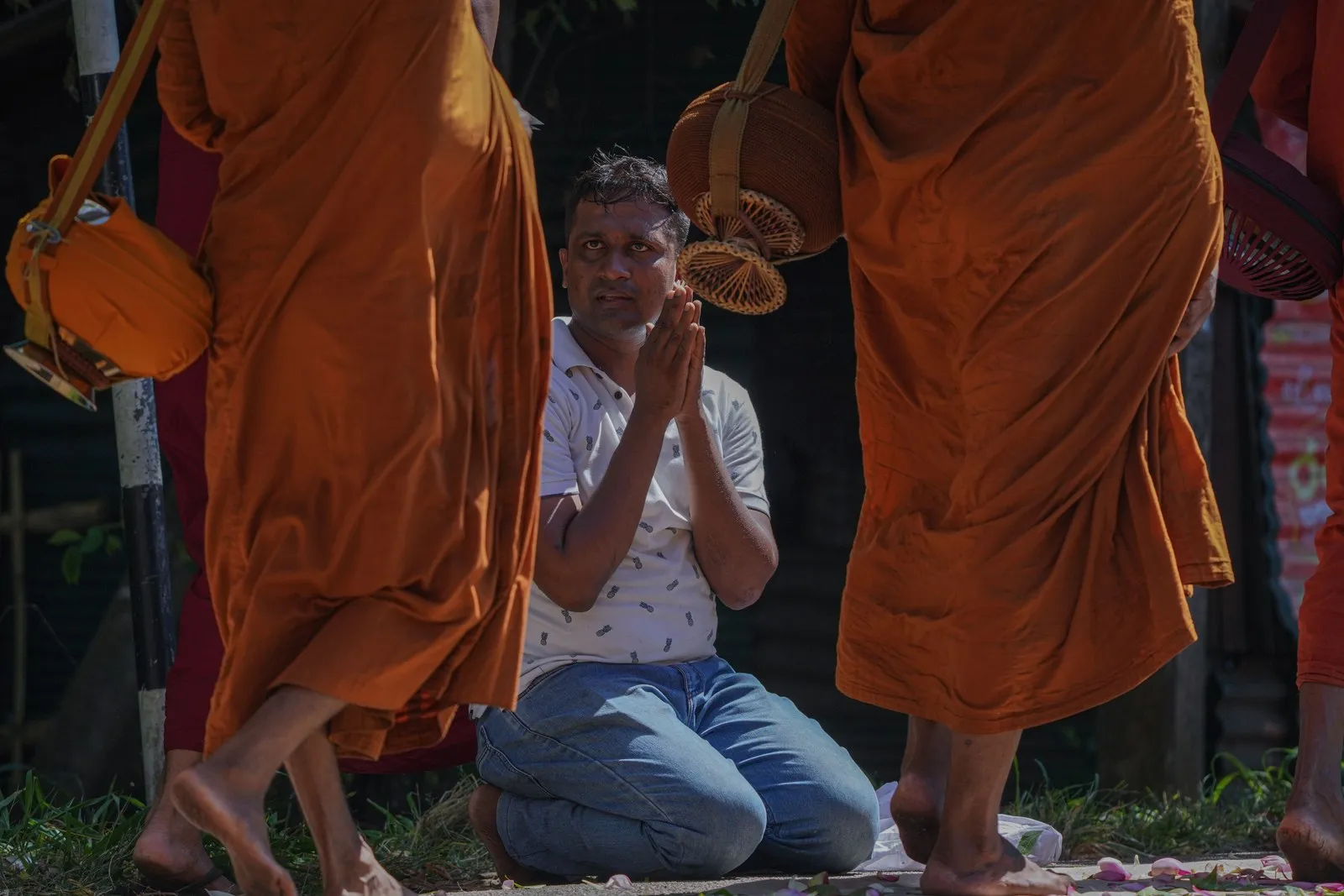
  • A man kneels in prayer as monks pass in procession, Anuradhapura
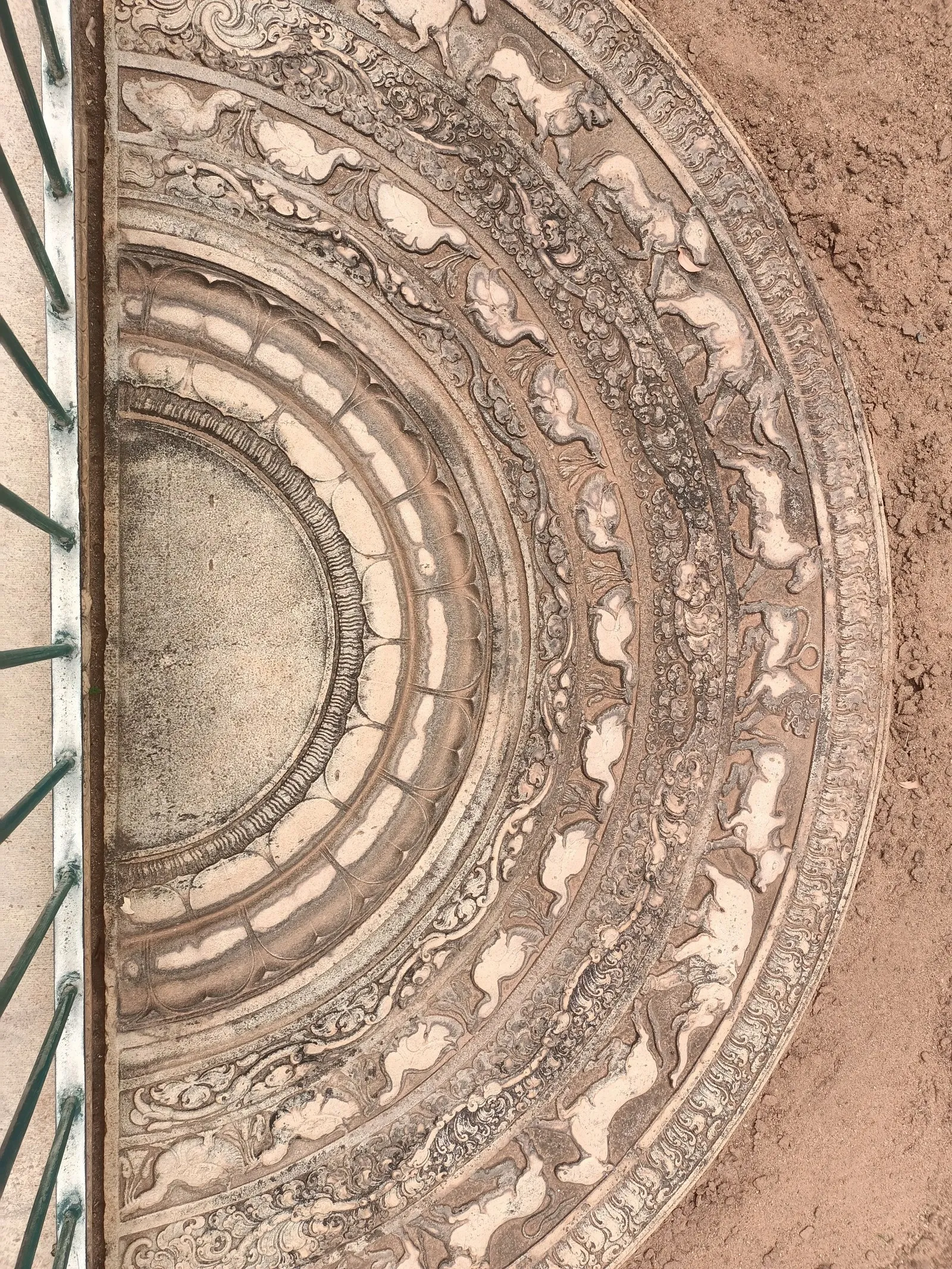
  • A carved moonstone at the foot of temple steps in Anuradhapura
  • A worker sorting fresh leaf in a tea factory at Nuwara Eliya
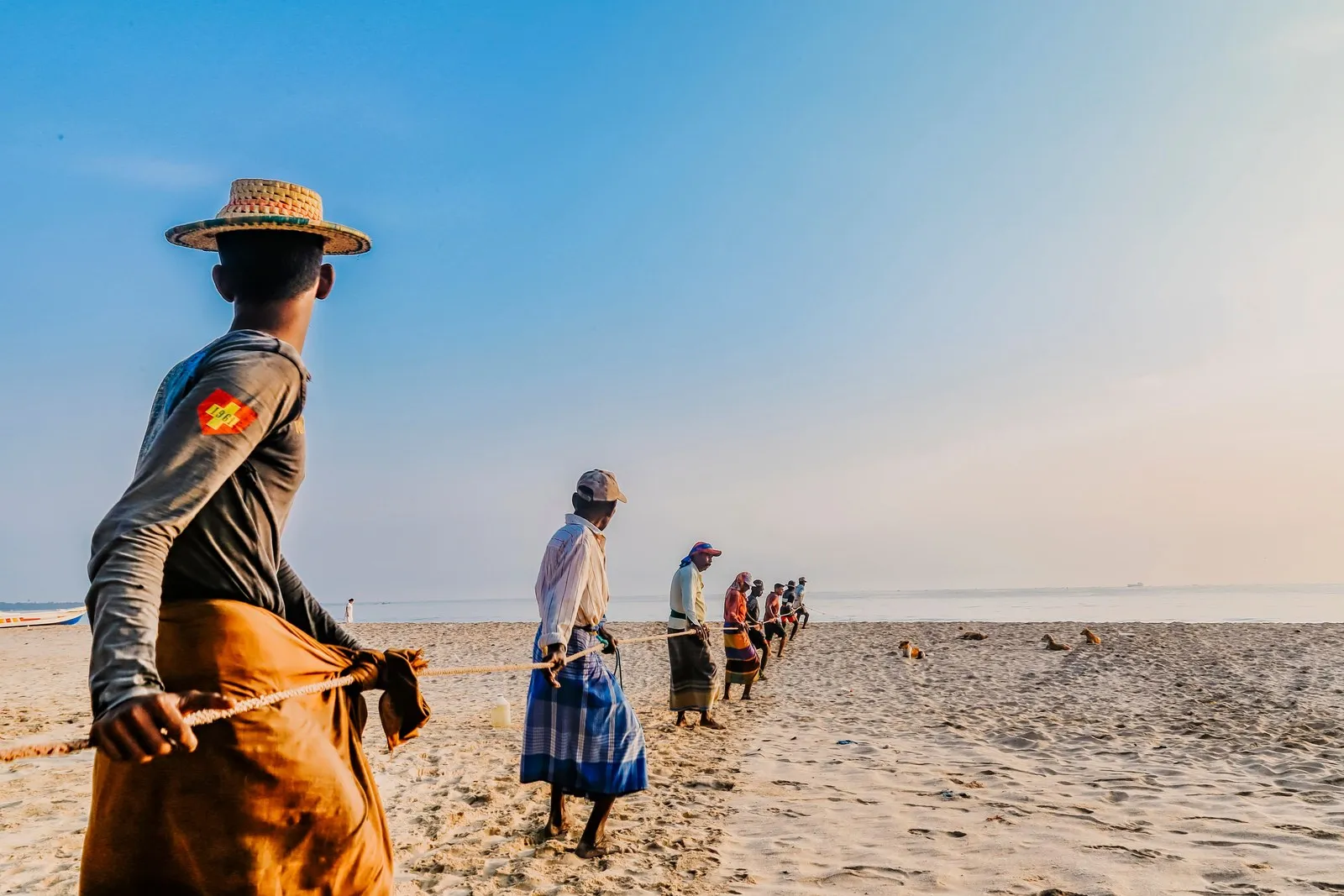
  • Fishermen hauling in a beach-seine net on a Sri Lankan beach
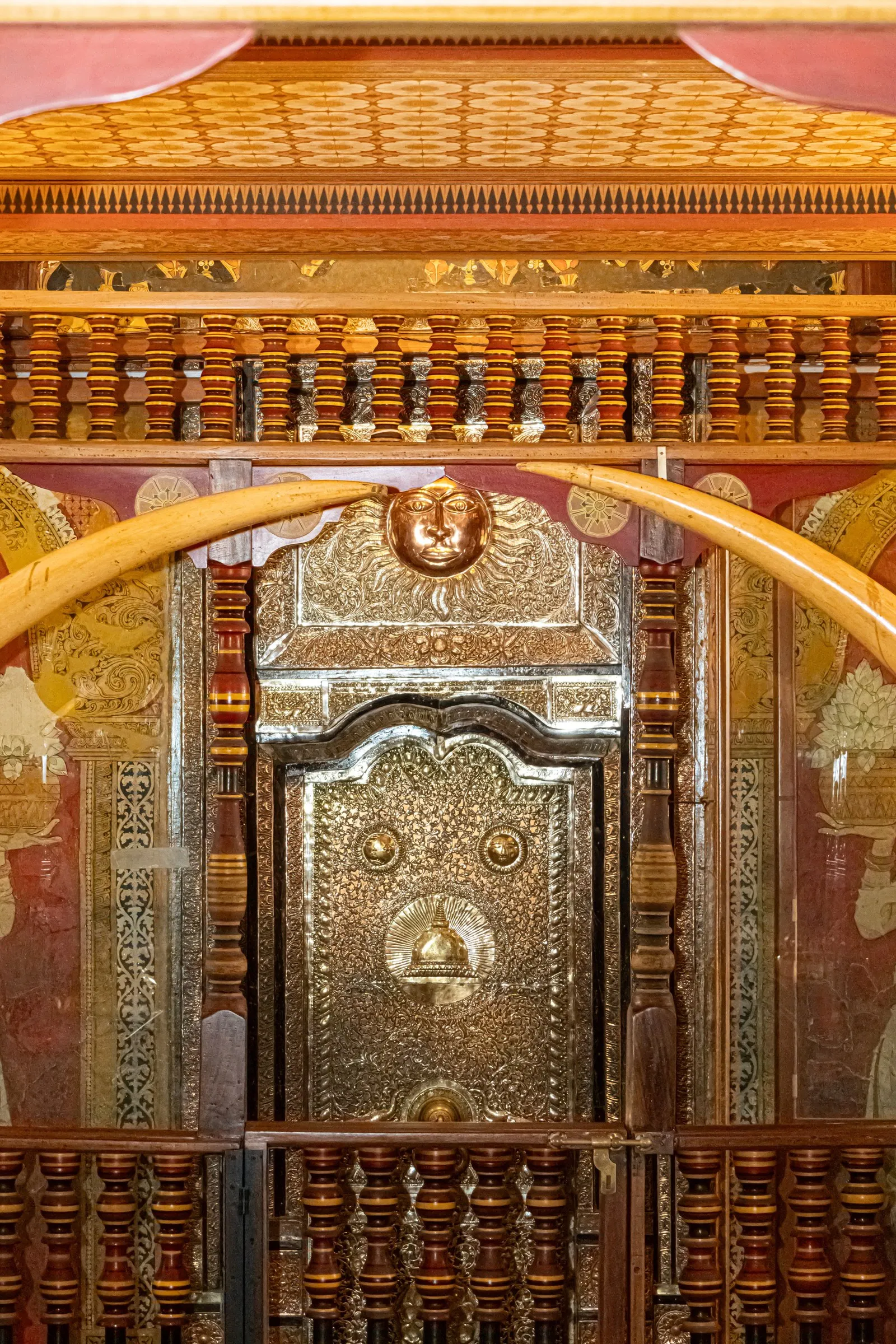
  • A gilded doorway inside the Temple of the Tooth, Kandy
  • A Kandyan dancer in the silver headdress and beaded ves costume
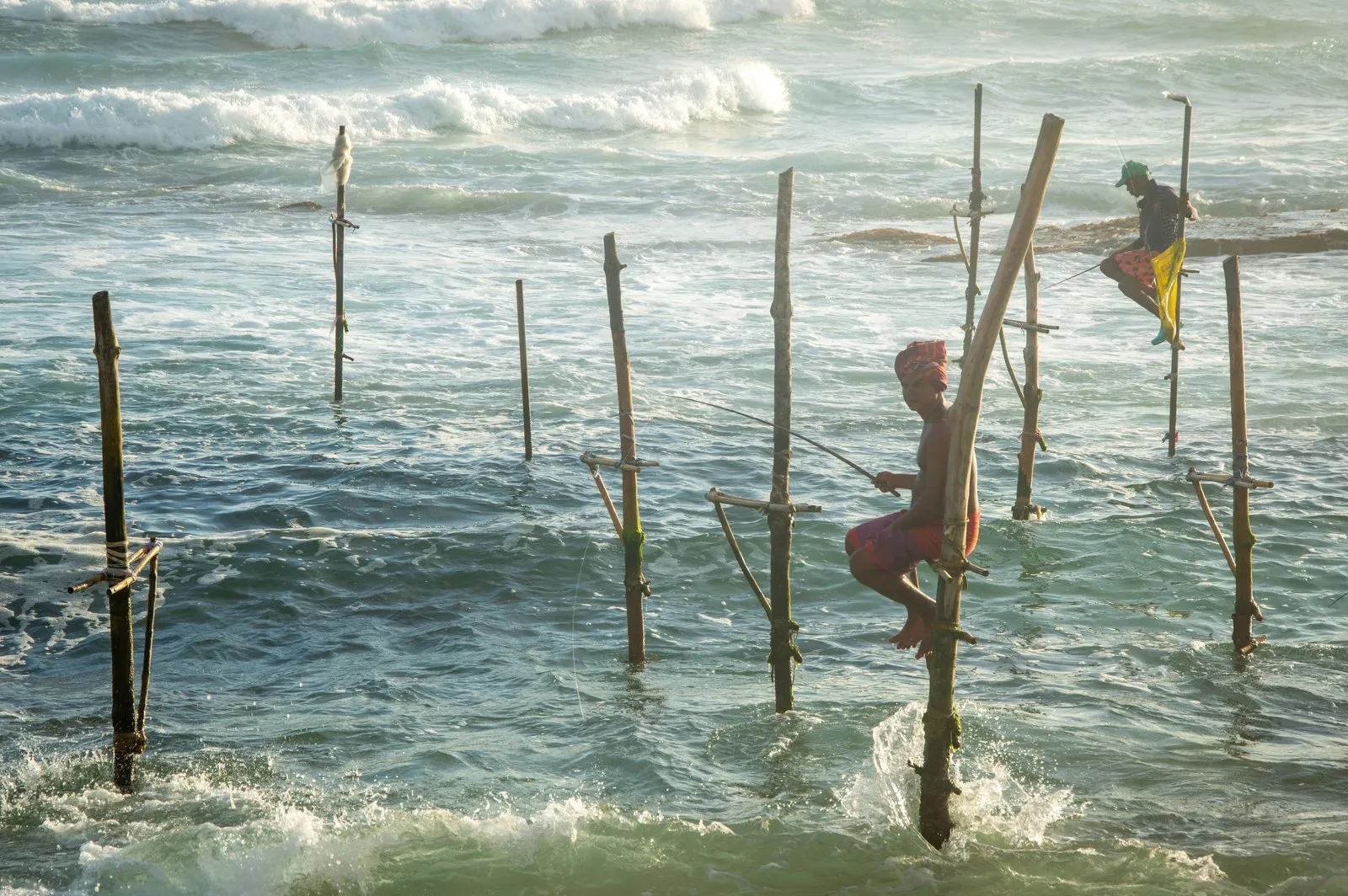
  • Stilt fishermen in the surf off the coast of Sri Lanka

Reviews

In their own words

Word for word, several in Italian, because Italy found us early. 5.0 from 146 reviews on Google, and 5.0 from 200 on TripAdvisor.

I had an incredible adventure with Rang Travels in Northern India earlier this year! The tour was jam packed. I loved the beautiful forts and buildings we visited, the markets, as well as the stunning World Heritage hotels. This tour gave me a real taste for India, and I felt very comfortable for my first time visiting!

Read the whole review on Google

Jess Foster

Northern India · May 2025

1 / 19

Enquire

Plan my journey

Tell us where your India begins — we reply with a written itinerary.

Travellers
When, roughly
Interests
Or ask on WhatsApp

No obligation. We reply with a written itinerary, not a sales call.