
Rang Travels — explore the colors of India
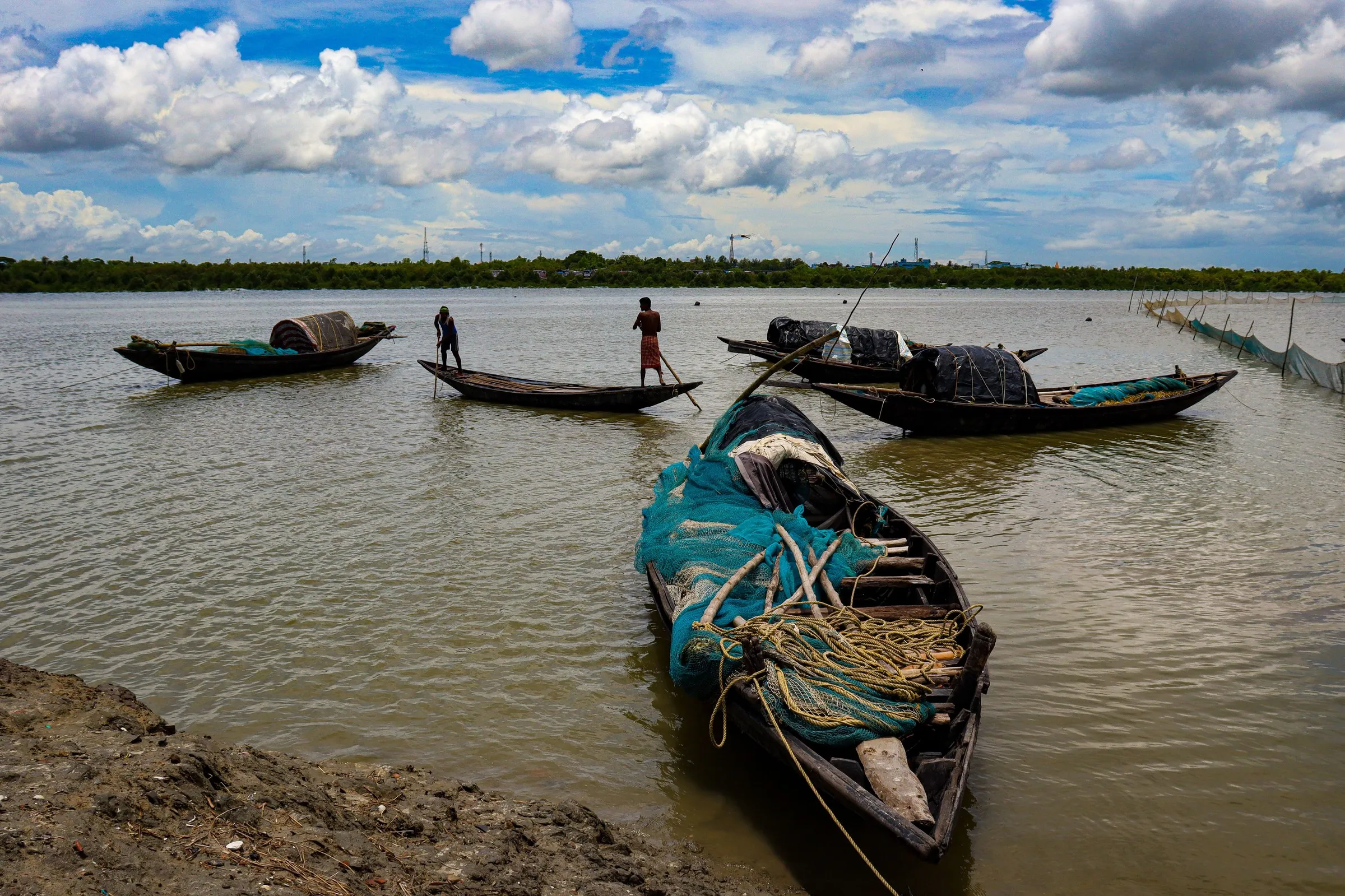
Fishing boats with their nets on the river at Canning, the gateway to the Sundarbans

Sundarbans · Himalaya · Monasteries

Bengal, Darjeeling & Sikkim

The Sundarbans by boat, Darjeeling’s tea and toy train, and the monasteries of Sikkim

See the day-by-day
Duration
12 days · 11 nights
Halts
7
Kolkata to Kolkata
Best months
October – December · March – April
Price
On request
quoted to your dates

The journey

Twelve days in eastern India: Kolkata, two nights in the Sundarbans mangroves by boat, then Darjeeling, Pelling, Gangtok and Kalimpong in the Himalaya.

Few journeys in India cover so much in twelve days. It starts in Kolkata, from which the British governed India until 1911, and goes south into the Sundarbans, the tide country where the Ganga and the Brahmaputra reach the Bay of Bengal through a maze of mangrove islands. You spend two nights at a forest lodge and a whole day on the water, among creeks where tigers swim and are seldom seen, and a morning in the island villages.

Then north by air to the hills. Darjeeling has its tea gardens and its narrow-gauge railway; Pelling looks across a valley at Kanchenjunga; Gangtok, the capital of Sikkim, has Enchey on its ridge and Rumtek across the valley; and Kalimpong keeps its market days on a ridge above the Teesta. From the delta at sea level to sunrise on the world’s third-highest peak, it is two quite different Indias in one journey.

Highlights

What you will remember

  • Two nights in the Sundarbans, and a full day by boat through the mangrove creeks

  • The watchtowers of Sudhanyakhali and Netidhopani, and a morning in an island village

  • Kolkata: the Victoria Memorial, the Indian Museum and Mother House

  • Dawn at Tiger Hill as the sun reaches Kanchenjunga, and the toy train to Ghum

  • A tea estate in Darjeeling, from the pickers to the tasting

  • Pemayangtse, Enchey and Rumtek, Sikkim’s great monasteries

  • Kalimpong’s Haat Bazaar, on Wednesdays and Saturdays

The route

8 halts, in order

  1. Kolkata
  2. Sundarbans2 nights
  3. Kolkata1 night
  4. Darjeeling2 nights
  5. Pelling1 night
  6. Gangtok2 nights
  7. Kalimpong1 night
  8. Kolkata

Experiences

The moments it is built around

Everything else on this page is logistics. These are the reasons to come.

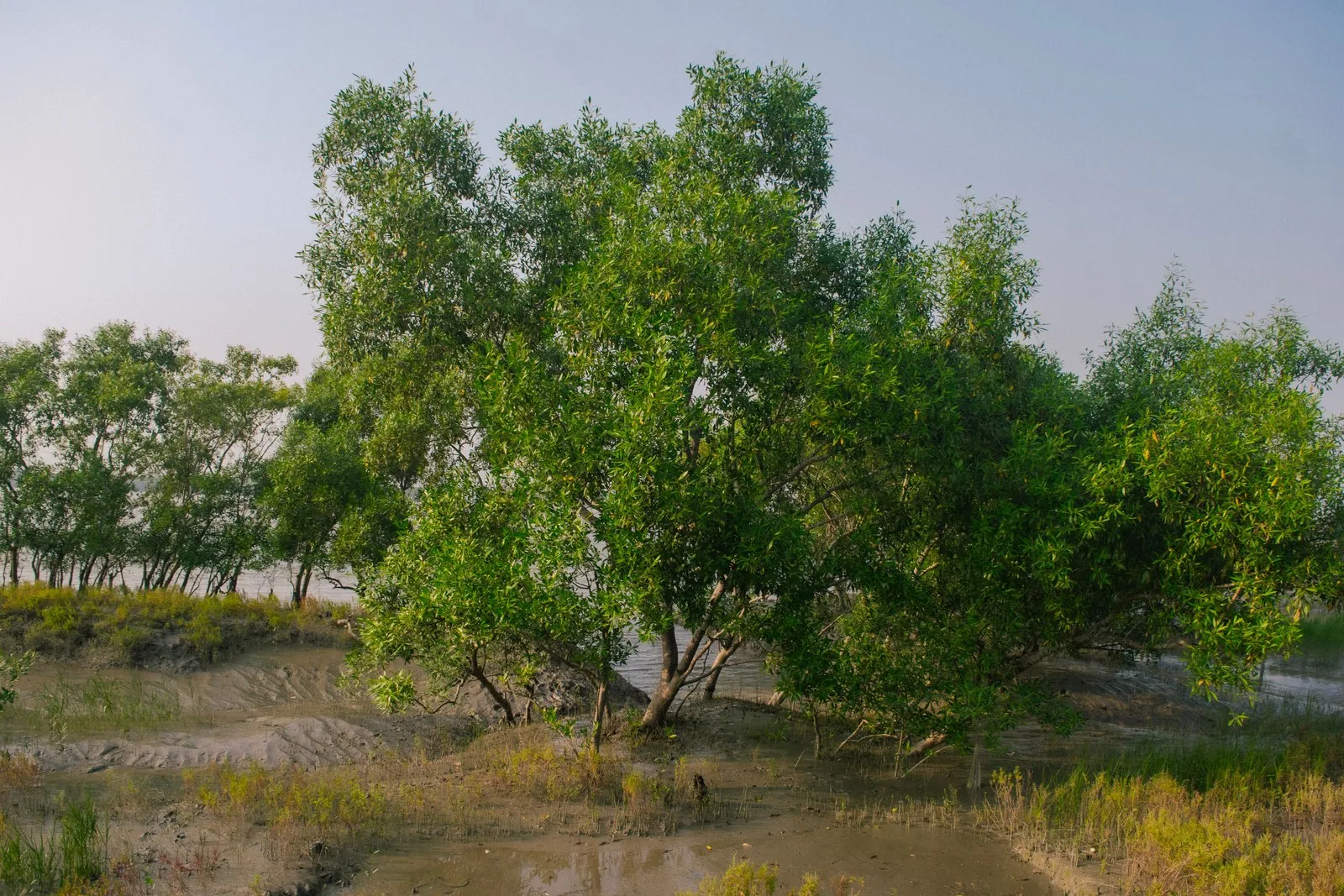
  • Mangrove trees on a mudbank at low tide in the Sundarbans

    The Sundarbans by boat

    A whole day on the creeks of the largest mangrove forest in the world, from one watchtower to the next.

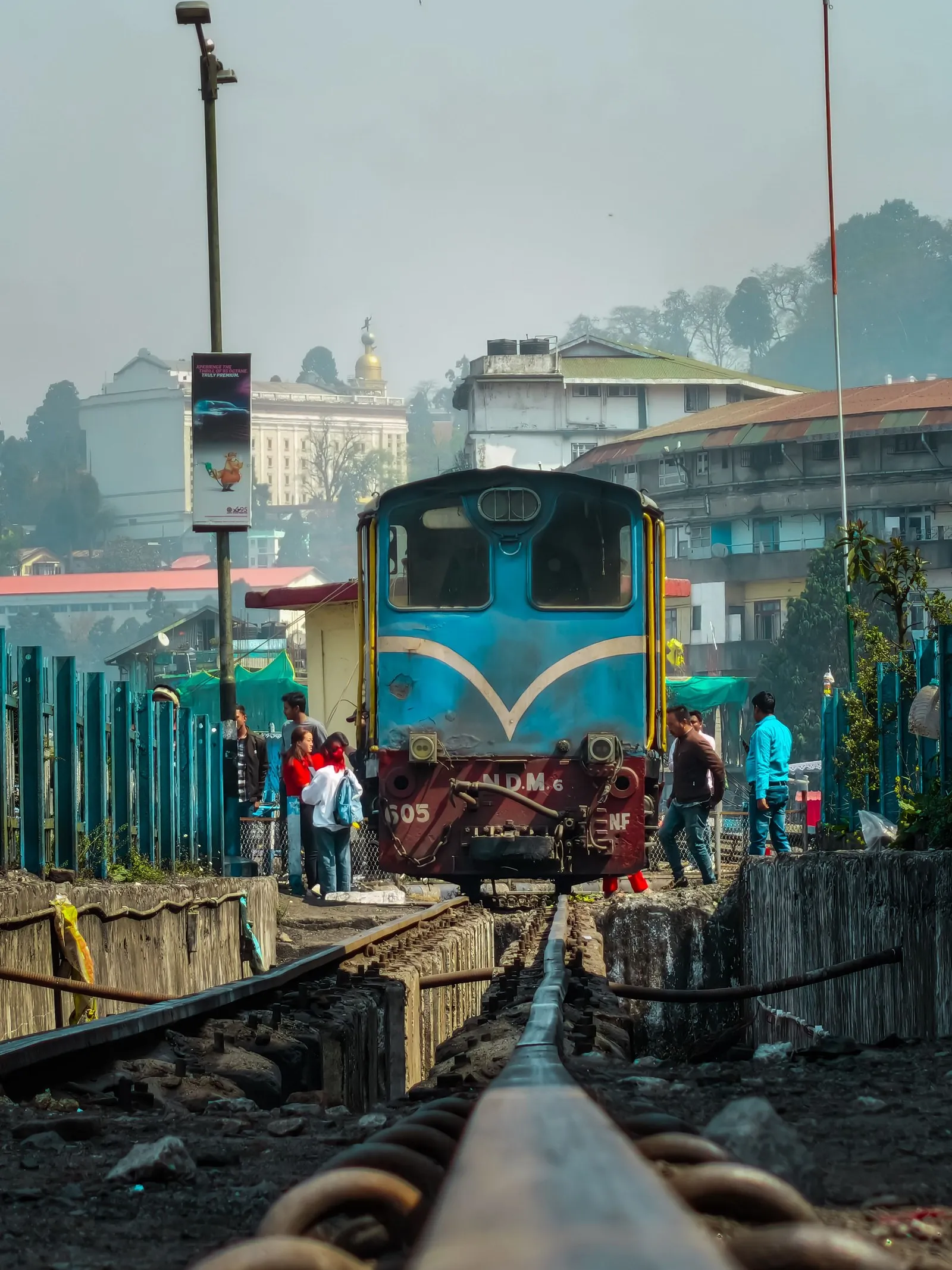
  • A blue diesel engine of the toy train at Darjeeling station, passengers crossing the line

    Darjeeling’s toy train

    Built between 1879 and 1881 to carry tea down to the plains, and a World Heritage Site since 1999.

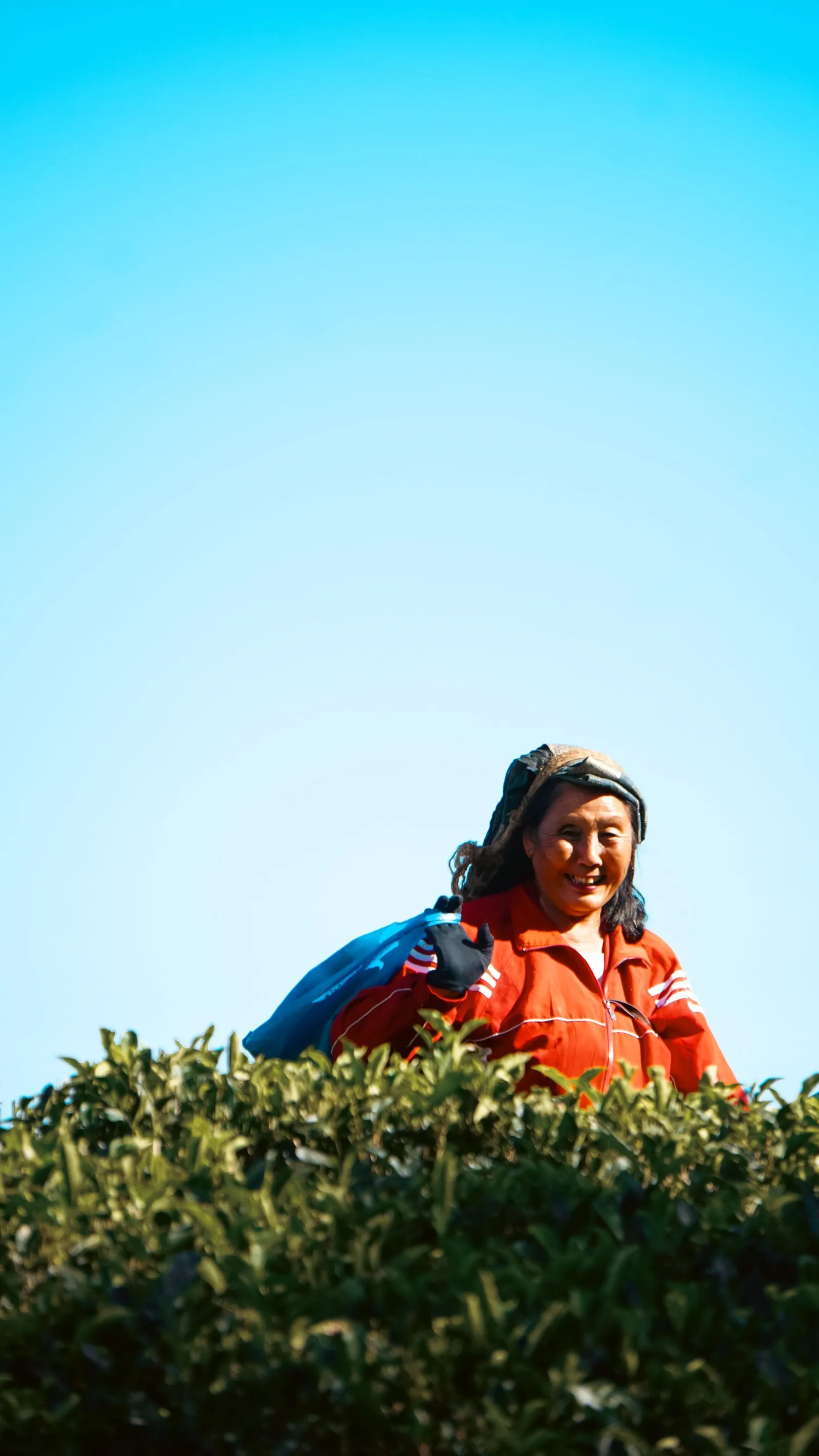
  • A tea picker in an orange jacket smiling among the bushes of a Darjeeling garden

    Tea in Darjeeling

    Pickers in the rows, the leaf rolled and dried in the factory, then a cup at the end of it all.

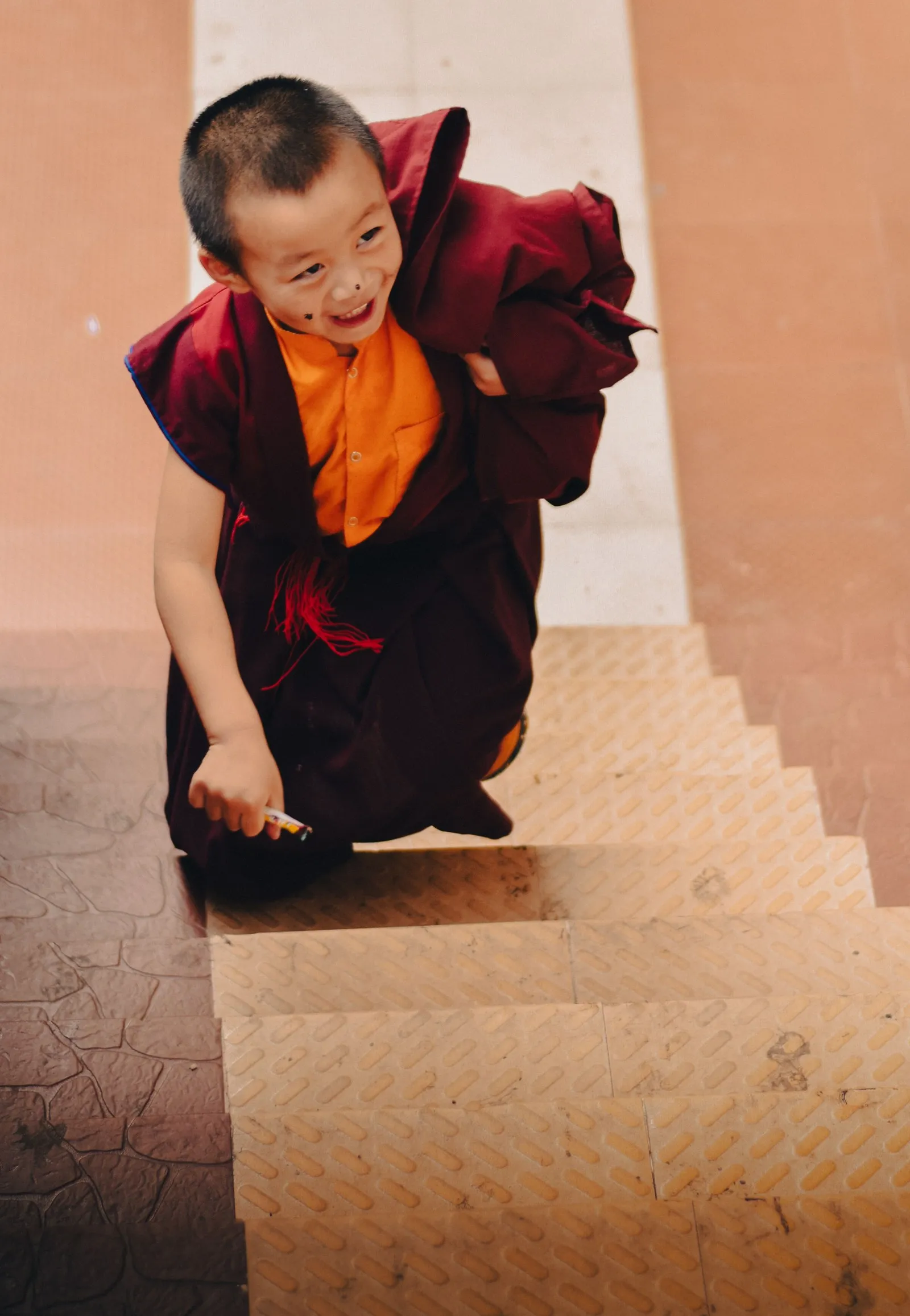
  • A young monk laughing as he climbs the steps of a temple in Gangtok

    Monks of Sikkim

    Morning prayers, boy monks on the temple steps, and Rumtek, the monastery the 16th Karmapa built.

A tea picker in an orange jacket, smiling, a sack over her shoulder, Darjeeling

Sundarbans · Himalaya · Monasteries

The Sundarbans by boat, Darjeeling’s tea and toy train, and the monasteries of Sikkim

12 days, 11 nights

The route, day by day

Every halt, every overnight and every drive, published in full.

  1. Kolkata
  2. Sundarbans
  3. Kolkata
  4. Darjeeling
  5. Pelling
  6. Gangtok
  7. Kalimpong
  8. Kolkata
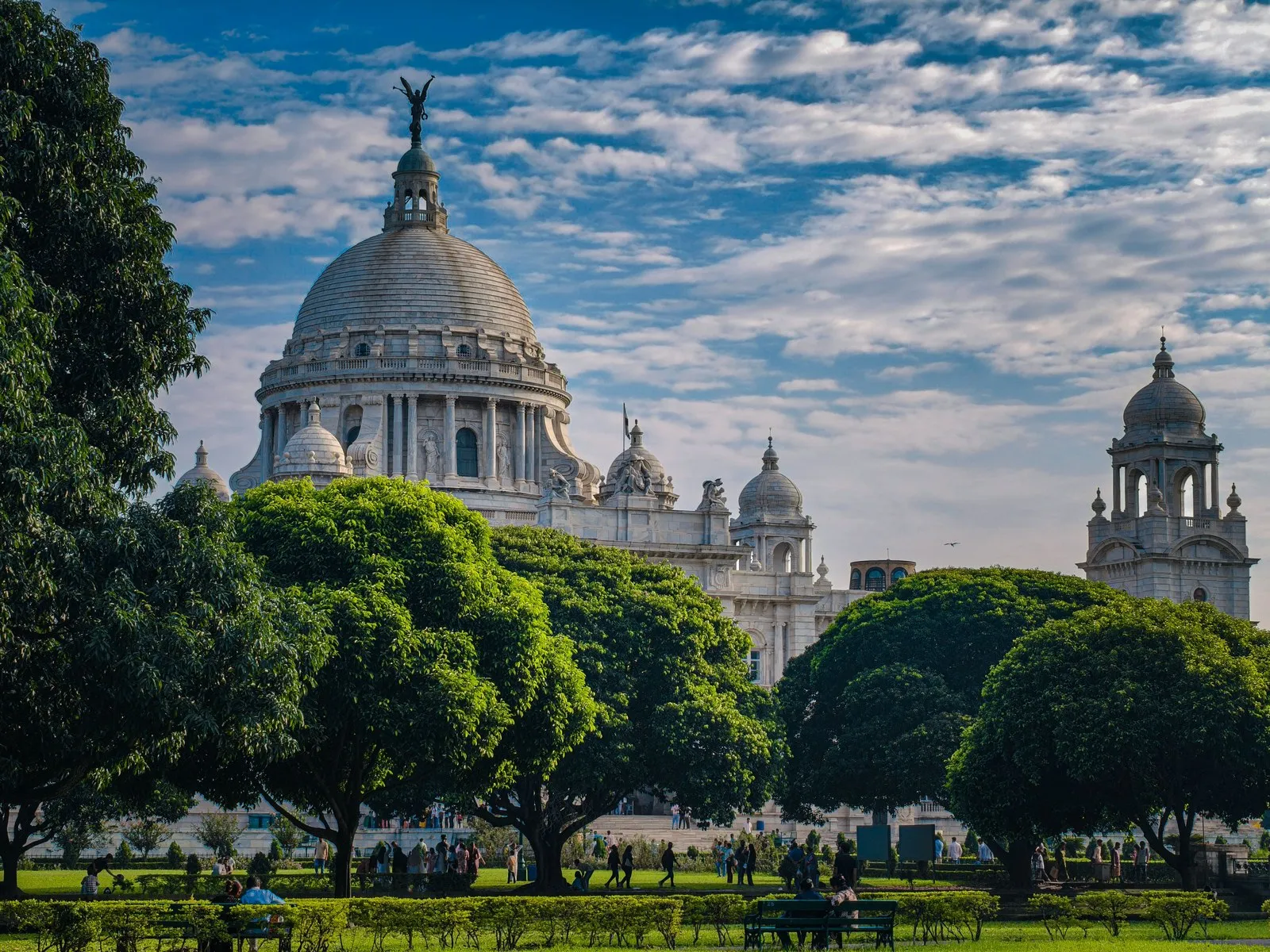
  1. People walking and resting in the gardens below the Victoria Memorial, Kolkata

    01

    Overnight Kolkata

    Arrival in Kolkata

    You are met at the airport and taken to your hotel. Kolkata, Calcutta until 2001, answers to more names than most cities: the City of Joy, the city of Tagore and of Satyajit Ray, of football, theatre and processions, and, to most Indians, simply the country’s cultural home.

    The afternoon is spent among its landmarks. The Victoria Memorial, in white Makrana marble, joins British and Mughal ideas in one building and houses a museum of the Raj; the Indian Museum, the oldest in India, was founded in 1814. Last comes Mother House, the home of the Missionaries of Charity, where Mother Teresa’s tomb lies in a quiet hall.
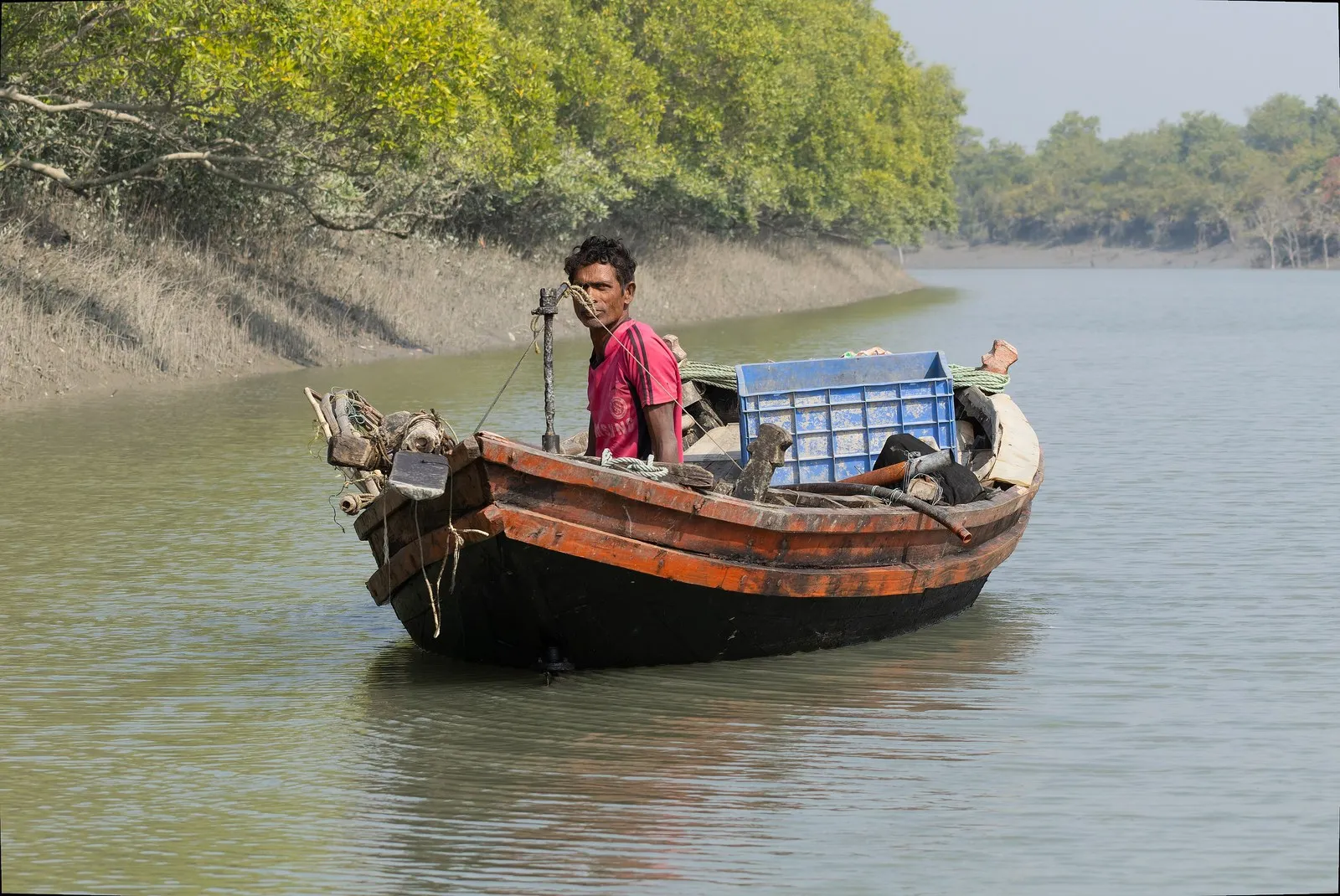
  2. A fisherman in his wooden boat on a creek of the Sundarbans, West Bengal

    02

    Overnight Sundarbans

    100 km · about 4 hrs, then by boat

    By road and river into the Sundarbans

    An early start south-east out of the city, past paddy fields, fish ponds and brick kilns, to the river at Basanti. From here the journey goes by water: a launch across to Gosaba island, then a short ride through the village on a cycle-van rickshaw to the edge of the forest.

    The Sundarbans are the largest mangrove forest in the world, shared with Bangladesh and named, it is said, for the sundari tree; the Indian side is the Sundarban Tiger Reserve, and its core, the national park, is a World Heritage Site. In the afternoon, the forest museum at the entrance explains the tides, the trees and the animals that live between them. The evening is quiet, at your forest lodge.

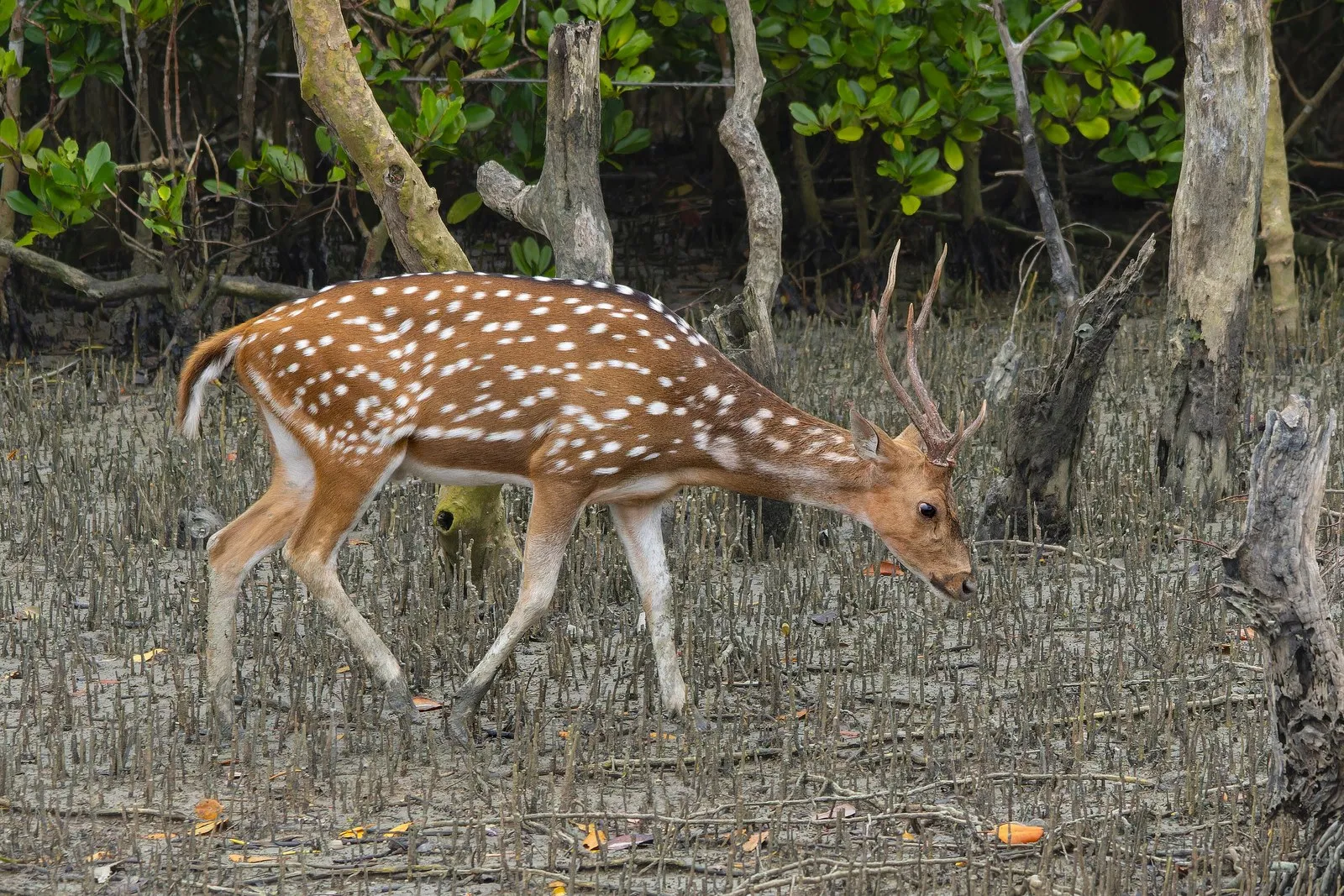
  3. A chital stag among the breathing roots of the mangroves, Sundarbans

    03

    Overnight Sundarbans

    A day on the creeks

    After breakfast, a full day on the water, the boat nosing along creeks walled with mangroves whose breathing roots stand up out of the mud like spikes. You stop at Pakhiralaya, at the watchtower of Sudhanyakhali, which looks over a sweet-water pond where animals come to drink, and at Netidhopani, with its watchtower and the ruins of an old temple.

    What you see depends on the tide and the forest: spotted deer, wild boar and rhesus macaques on the banks, water monitors and estuarine crocodiles on the mud, and kingfishers of several kinds. The tigers of the Sundarbans swim between the islands and hunt in the mangroves, but they are very rarely seen — come for the forest, not for a sighting. Dinner and the night at the lodge.

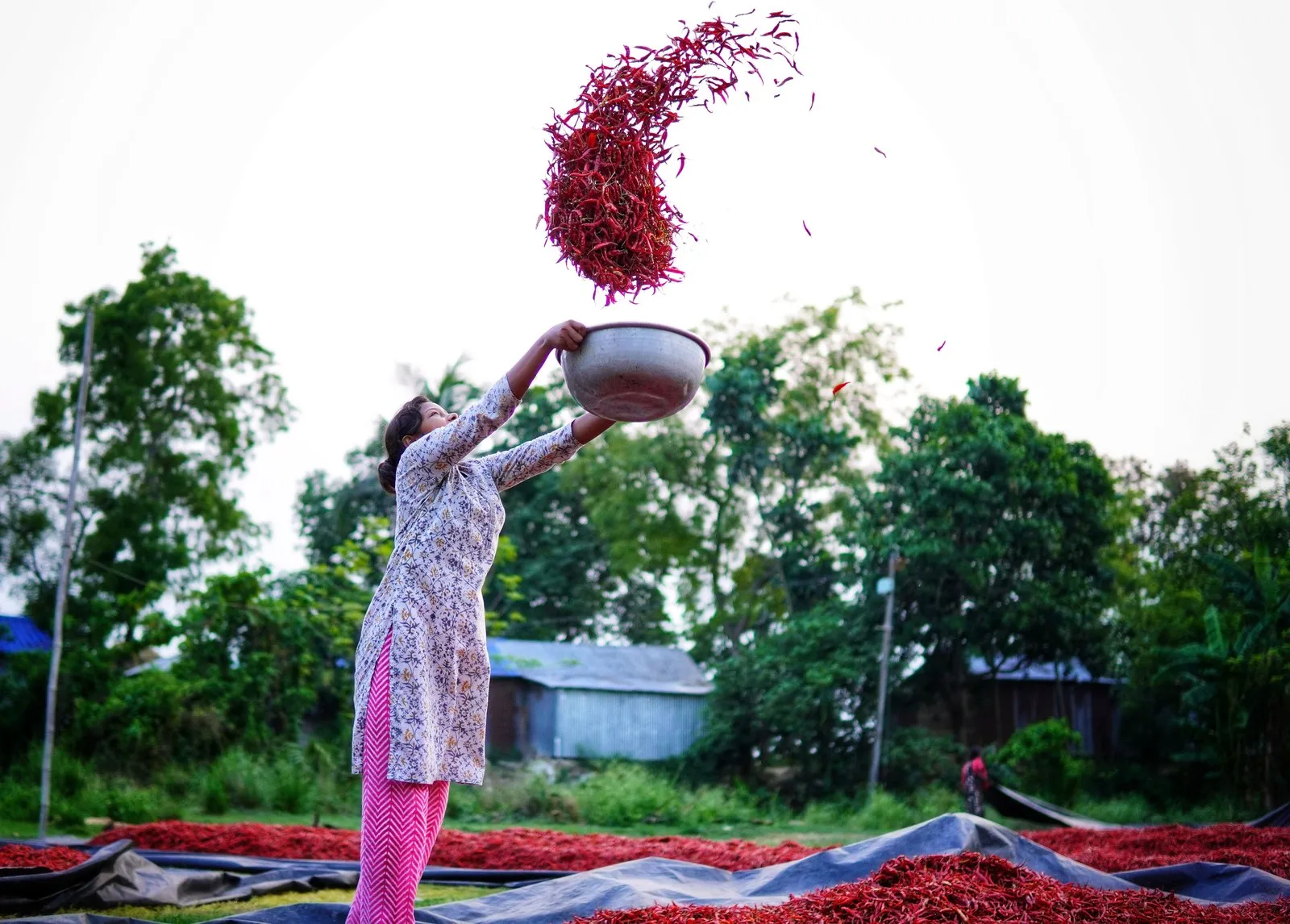
  4. A woman tossing red chillies to dry in a village in West Bengal

    04

    Overnight Kolkata

    100 km · about 4 hrs

    Rangabelia, and back to Kolkata

    An early walk through Rangabelia, a village on Gosaba island where the Tagore Society for Rural Development runs its projects with the islanders. You see how people live at the edge of the forest: rice fields and fish ponds behind the earth embankments, boats pulled up on the mud, and a day that runs by the tides. After lunch, back across the water and up the road to Kolkata for the night.

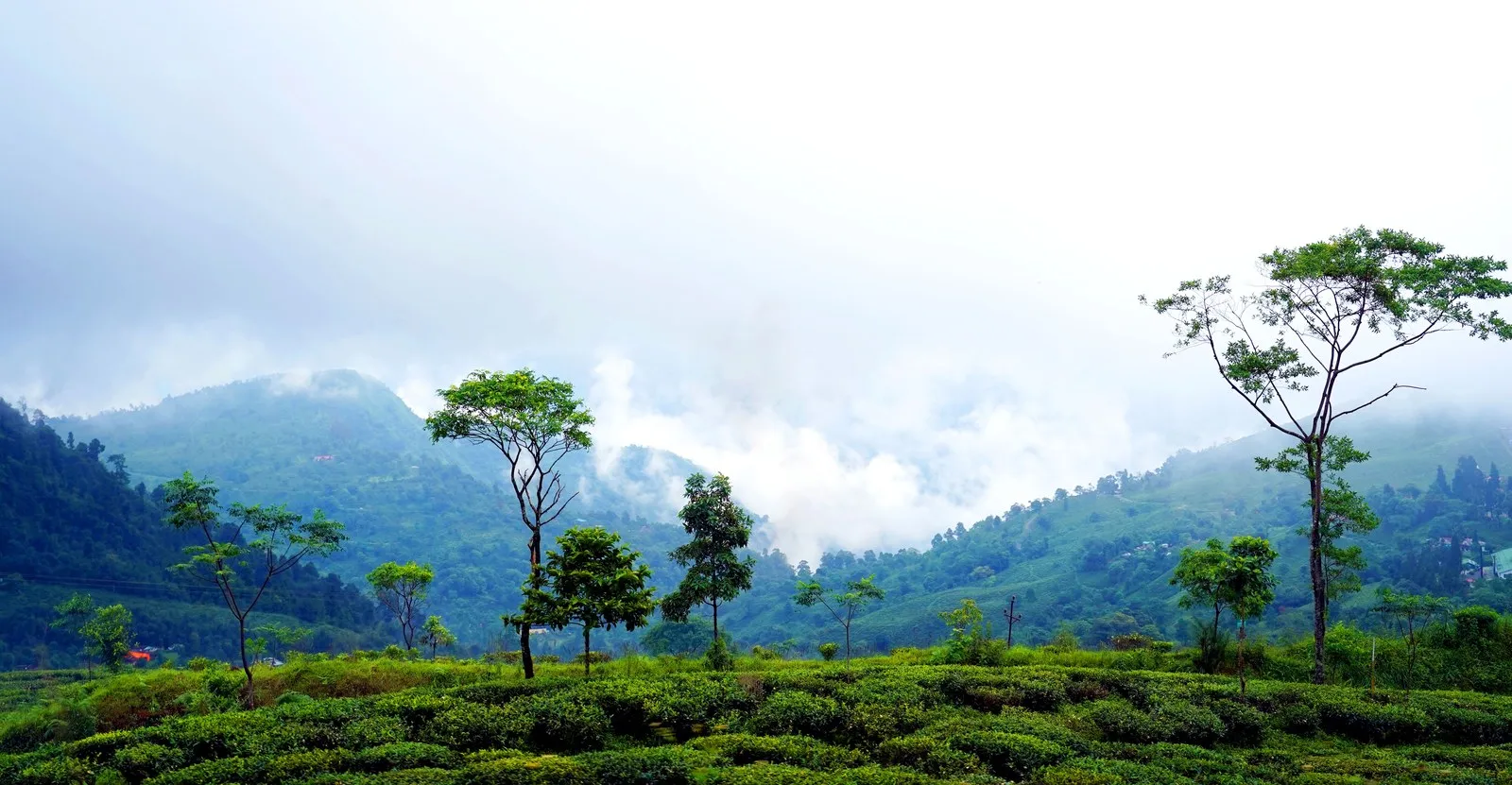
  5. Tea bushes and tall shade trees under mist in the Darjeeling hills

    05

    Overnight Darjeeling

    Flight Kolkata – Bagdogra · about 1 hr, then 95 km · about 3 hrs

    North to the hills and Darjeeling

    A short flight takes you from the plains of Bengal to Bagdogra, below the mountains, and the road does the rest: three hours of hairpins through forest and tea gardens to Darjeeling, laid along its ridge at a little over 2,000 metres. The afternoon is free in the town the British called the Queen of the Hills. Stroll the Mall, look into the tea shops, and make it an early night, because tomorrow begins before dawn.

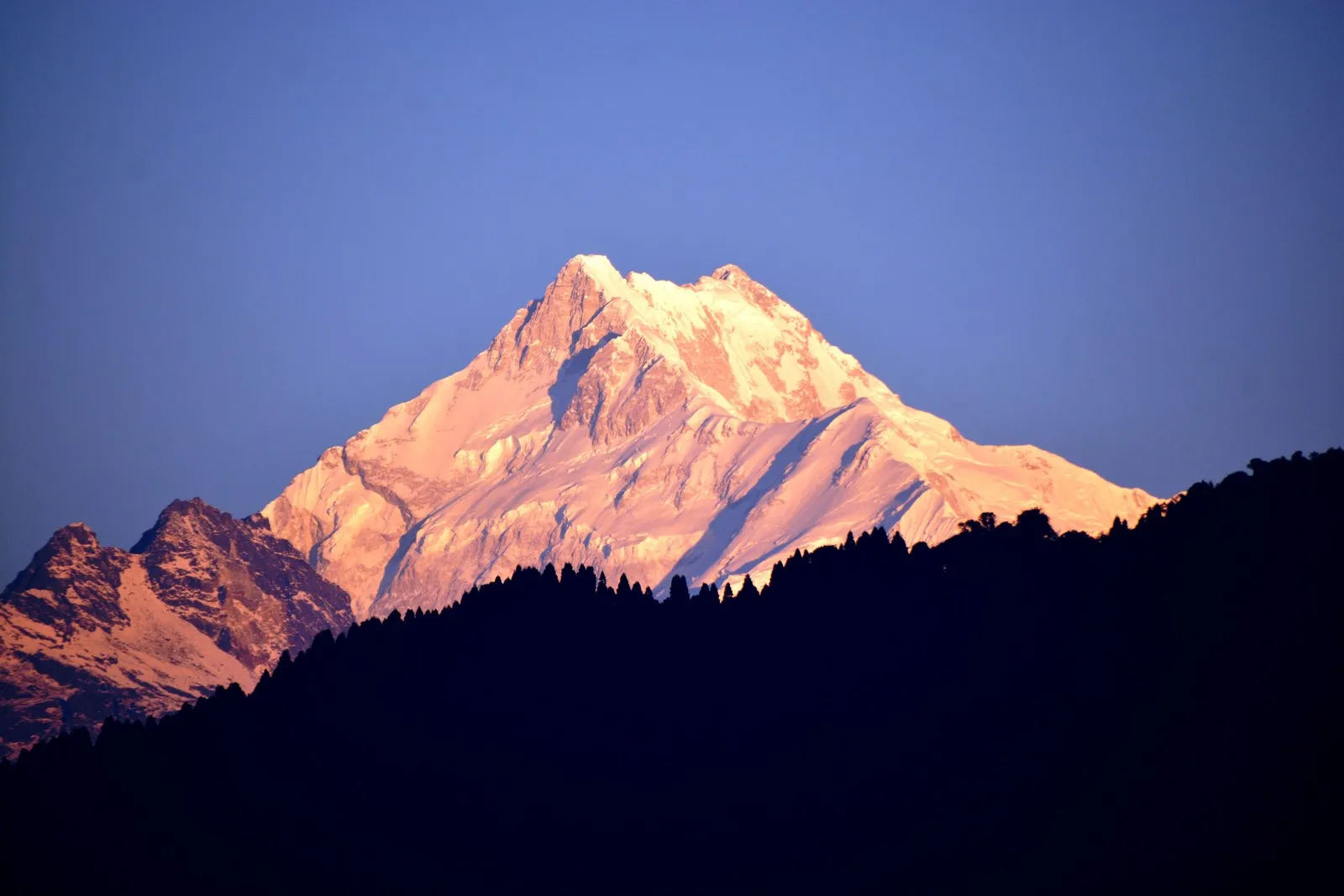
  6. First light turning Kanchenjunga gold above a dark forested ridge

    06

    Overnight Darjeeling

    Tiger Hill, a tea estate and the toy train

    Well before dawn a jeep takes you 11 km up to Tiger Hill, where a crowd stands in the cold waiting for the sun to strike Kanchenjunga. On a clear morning Everest, Lhotse and Makalu appear too, far off on the western horizon.

    Later, time allowing, a tea estate. The slopes around the town grow some of the most prized tea anywhere; on an estate you meet the pickers, watch the fresh leaf withered, rolled, oxidised and dried on the factory floor, and then sample it as the tasters do, from a spoon. The factories stop from mid-November to mid-March.

    After lunch comes the Himalayan Mountaineering Institute, set up in 1954 in honour of Tenzing Norgay’s climb of Everest the year before, whose museum is full of ropes, ice axes and expedition gear; it shuts on Thursdays. Last, a ride on the Darjeeling Himalayan Railway: two hours up to Ghum and back, looping round the war memorial at Batasia and stopping at Ghum’s small railway museum.

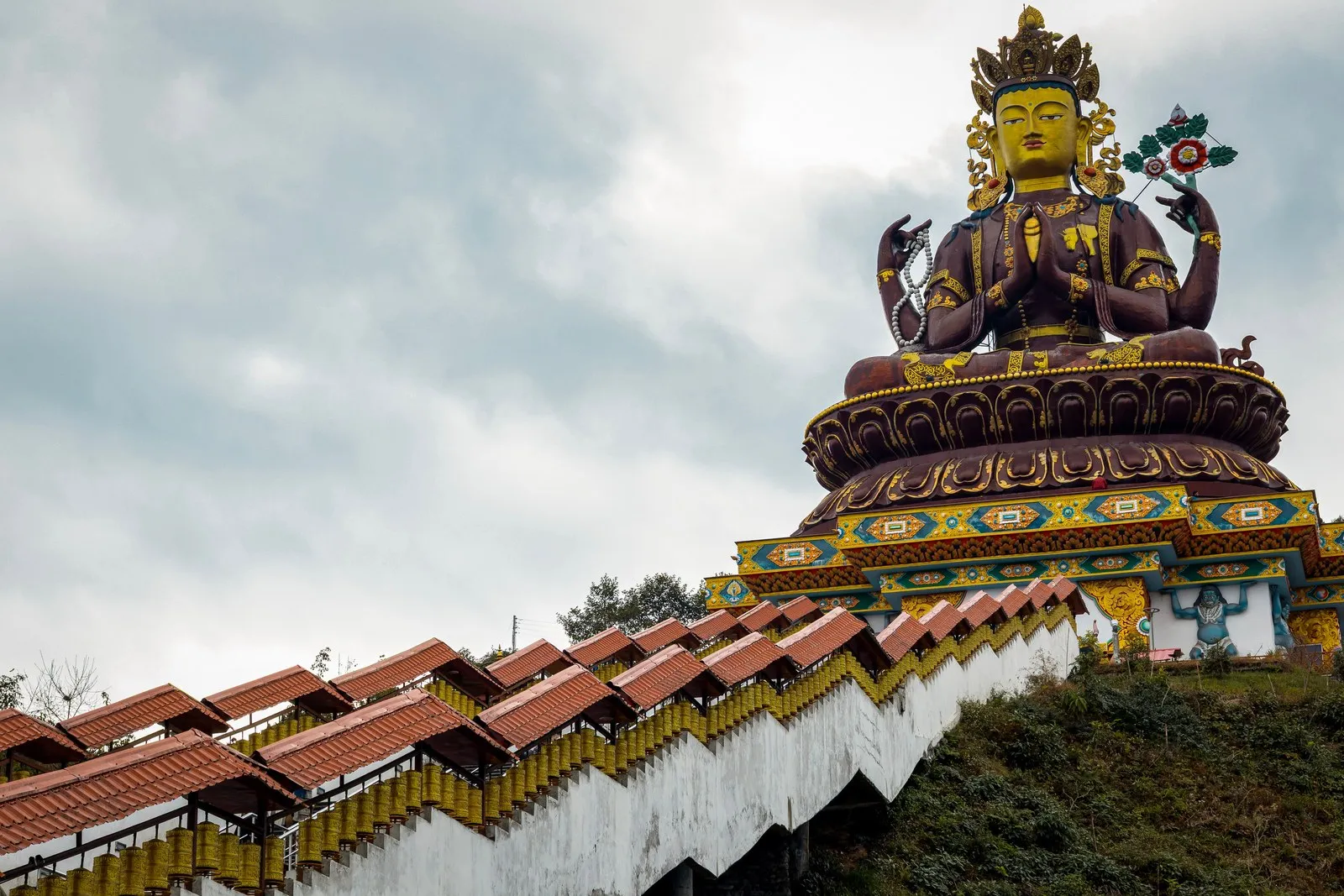
  7. The great statue of Chenrezig above Pelling, West Sikkim

    07

    Overnight Pelling

    125 km · about 5 hrs

    West Sikkim: Pelling and Pemayangtse

    A long drive north-west into Sikkim, down into the valley of the Rangeet and up again to Pelling. The small town stands at more than 6,000 feet on a ridge facing Kanchenjunga, and when the cloud lifts, the whole wall of snow fills the view from your window.

    In the afternoon, Pemayangtse, the great Nyingma monastery on the hill above the town, built for ‘pure monks’ of unbroken lineage. Lhatsun Chempo founded it in the middle of the seventeenth century, and it was enlarged in 1705. Murals and images crowd all three floors, and at the very top, worked in painted wood tier on tier by one lama over five years, stands Zangdok Palri, Guru Rinpoche’s celestial palace.

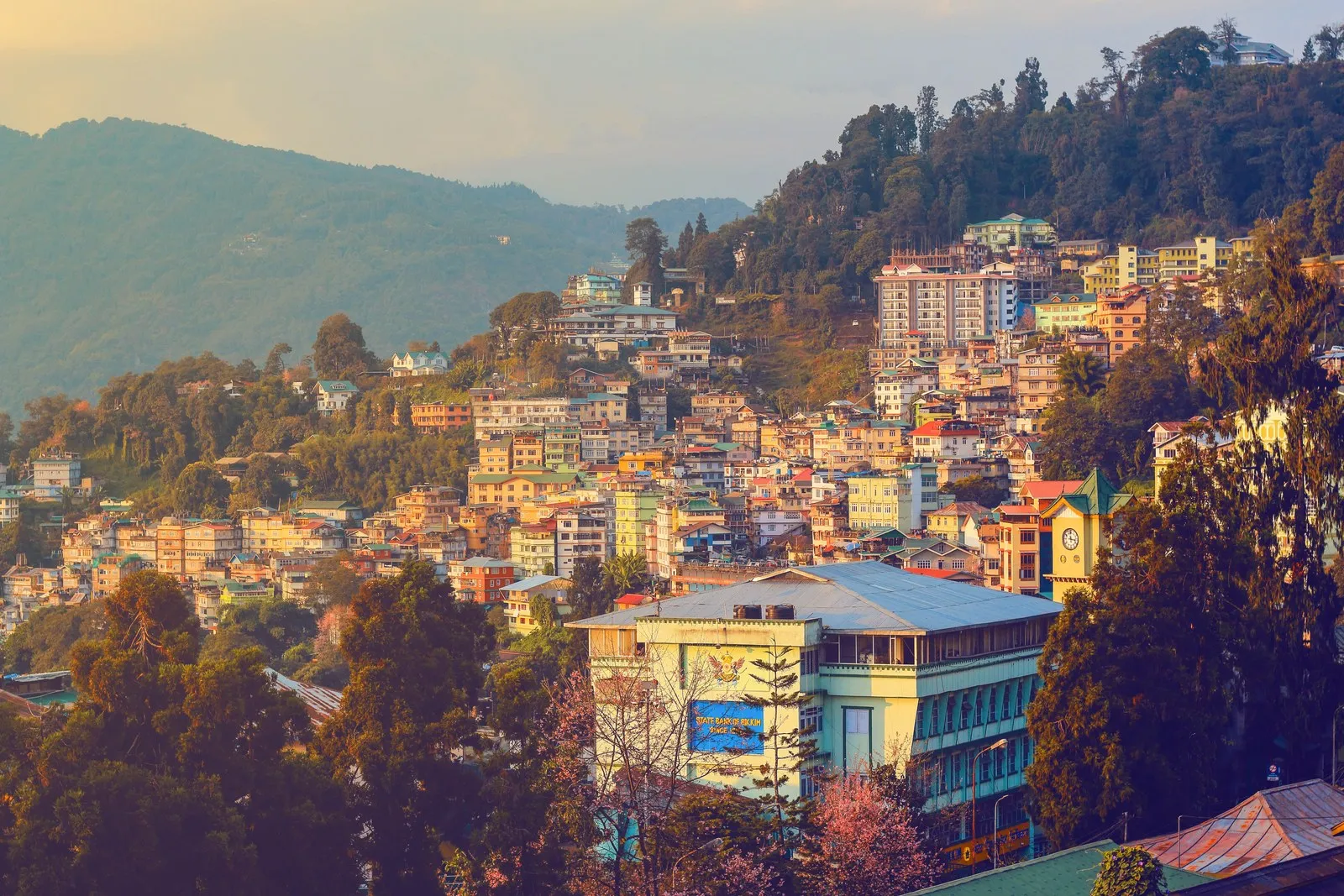
  8. Gangtok’s houses climbing the ridge in the late-afternoon light

    08

    Overnight Gangtok

    130 km · about 4 hrs

    Pelling to Gangtok

    After breakfast, east across the state to Gangtok, the capital, stacked in terraces down a hillside and ringed with monasteries. Sikkim was a kingdom under its Chogyals until it became part of India in 1975, and the town still has a small capital’s air. Once you have checked in, the afternoon is for the sights.

    First the Directorate of Handicrafts and Handlooms, founded in 1957, where Sikkim’s crafts are taught and made: hand-knotted carpets, thangka paintings, weaving on the loom, and the low tables called choktse, carved in relief and painted. The day ends at Enchey Monastery, a Nyingma house dating from 1909, where the golden cupola rises above the pines and deities and guardians crowd the prayer hall.

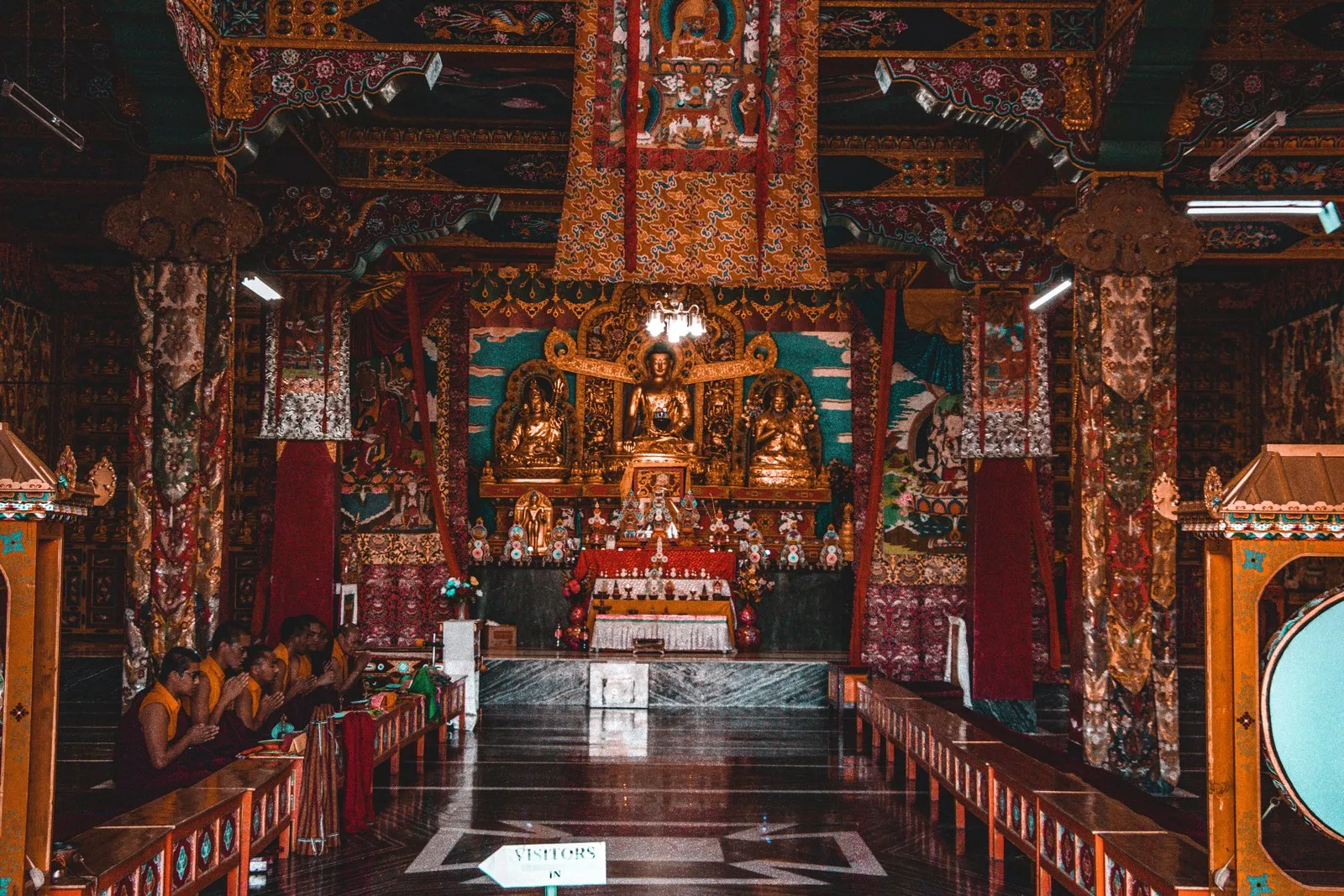
  9. Monks at prayer below the golden images of a monastery hall in Sikkim

    09

    Overnight Gangtok

    Rumtek 24 km each way

    Gangtok: Do Drul Chorten and Rumtek Monastery

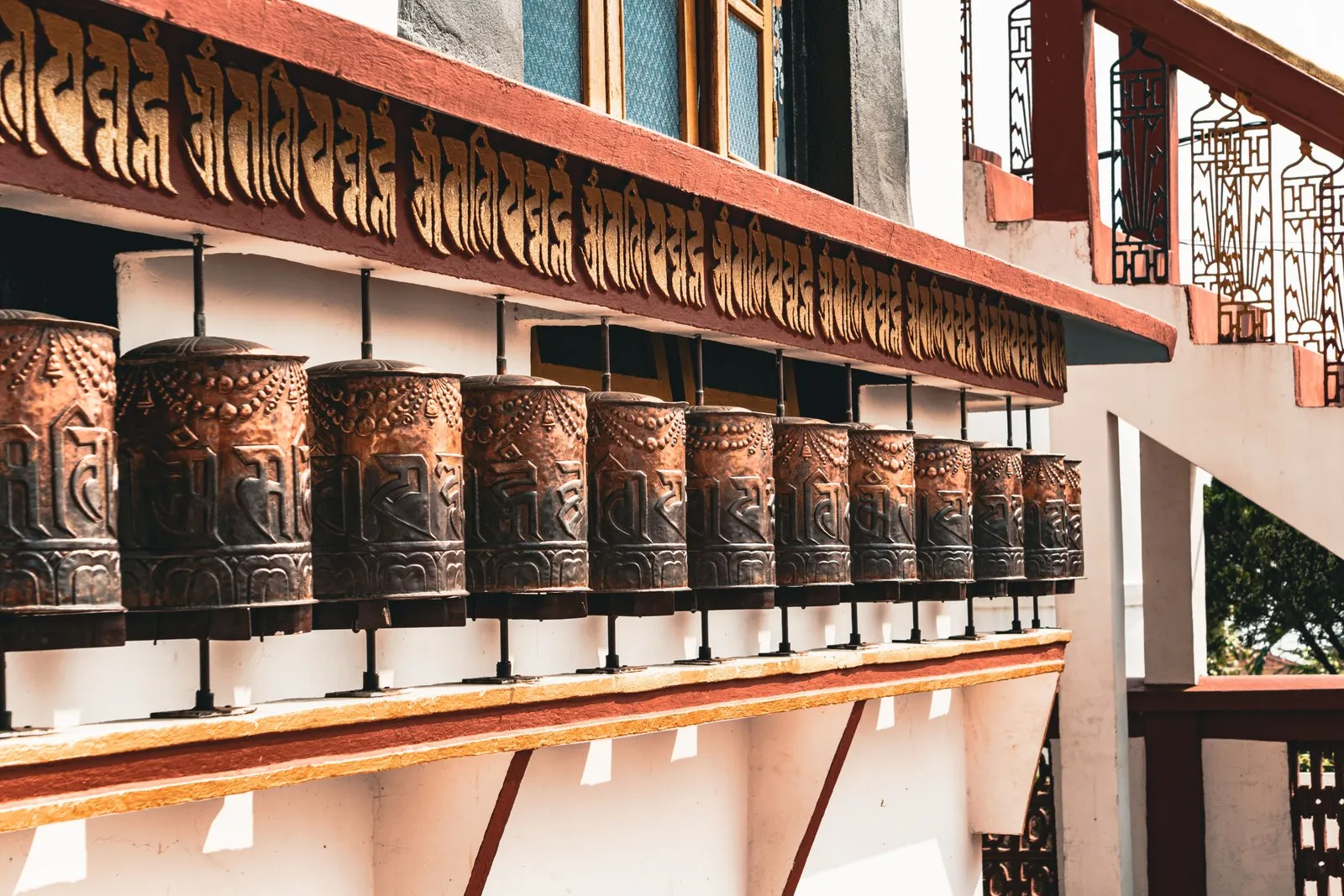
    The morning begins at Do Drul Chorten, raised in 1945 by Trulshik Rinpoche, a Tibetan lama. Its gold-plated spire is ringed by 108 prayer wheels engraved with mantras, and the faithful walk round it all day, turning each wheel as they pass.

    After that, the drive out to Rumtek, also called the Dharma Chakra Centre. When the 16th Karmapa, leader of the Karma Kagyu school, left Tibet, he raised it here in the 1960s in the image of Tsurphu, his old seat. Guardian kings of north, south, east and west stand painted at the doorway; within, beneath murals of the lineage’s teachers and of the Eight Bodhisattvas, a Buddha Shakyamuni ten feet high is flanked by Shariputra and Maudgalyayana. Afterwards, the time is your own.

  10. Carved prayer wheels along a monastery wall in Kalimpong

    10

    Overnight Kalimpong

    75 km · about 3 hrs

    Down to the Teesta, up to Kalimpong

    Down through the forest to the Teesta and up the far side to Kalimpong, a quieter hill town laid along the saddle between two hills, high above the river. On a clear day the view from Deolo, the higher of them, runs across green ridge after green ridge to Kanchenjunga.

    In the afternoon, the bazaar. The Haat Bazaar is the one to see, but it is held only on Wednesdays and Saturdays, when people come in from the hill villages to buy and sell; on the other days, the shops and lanes of Rishi Road show you the town going about its business.

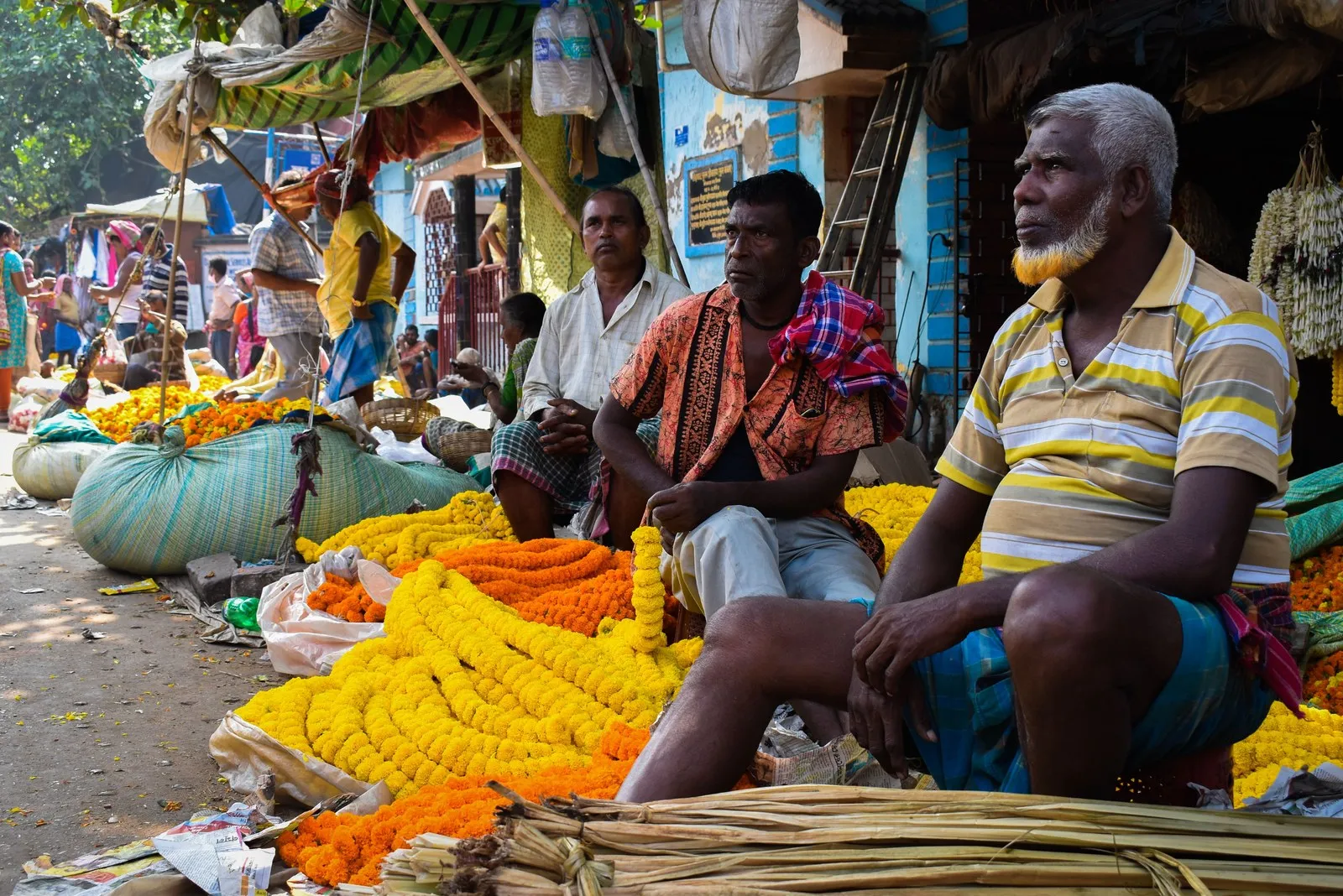
  11. Flower sellers waiting among heaps of marigolds at a Kolkata market

    11

    Overnight Kolkata

    75 km · about 4 hrs, then flight Bagdogra – Kolkata · about 1 hr

    Back to Kolkata

    Down out of the hills to Bagdogra for the flight south to Kolkata. What is left of the day belongs to the city and its shops, if you still have the energy: the old New Market for a little of everything, the sari shops of Gariahat, and the bookstalls that line College Street.

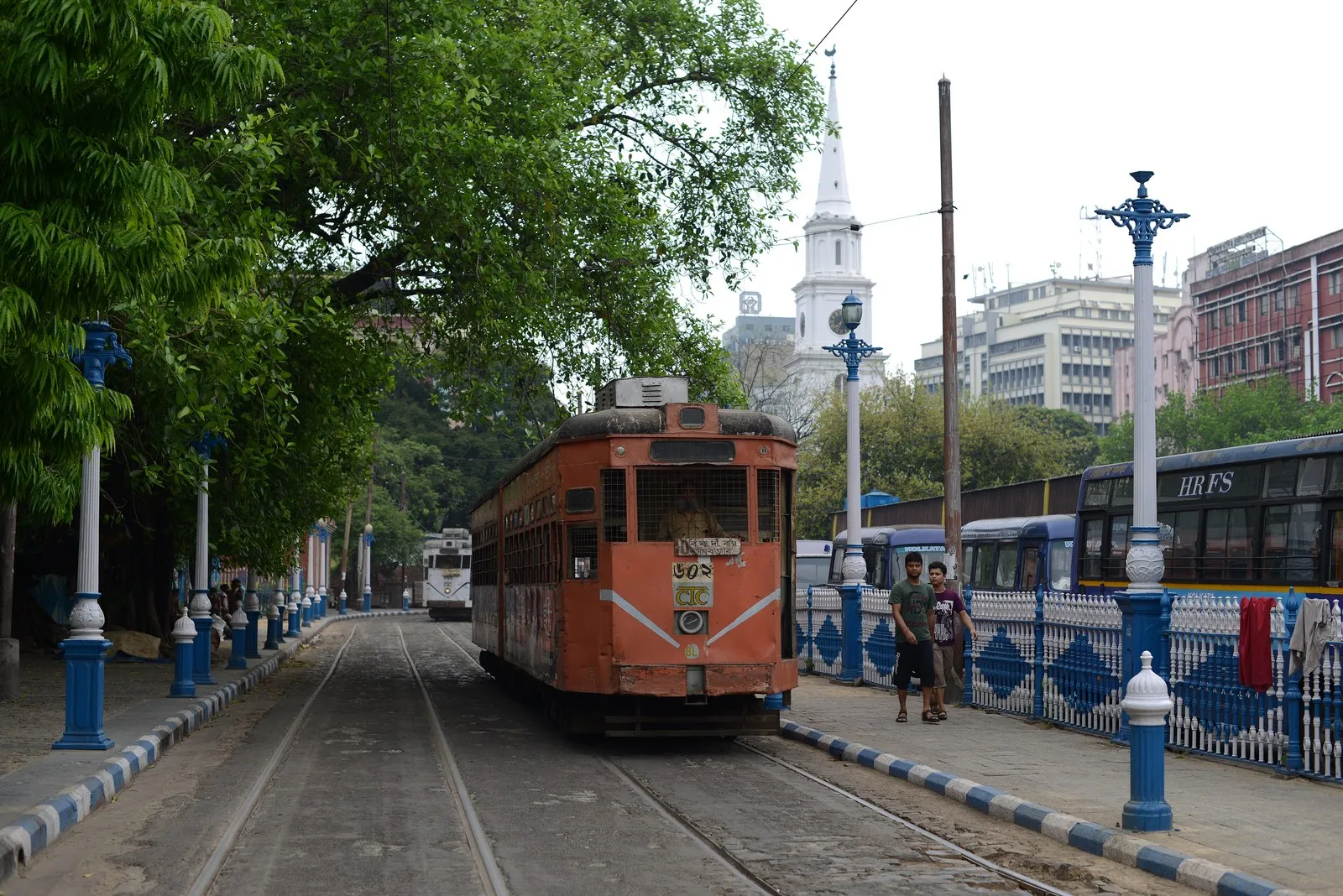
  12. An old tram on a tree-lined street at BBD Bagh, Kolkata

    12

    Departure

    Departure

    In the morning, the drive to Kolkata airport for your flight onward.

Like the route? We will write it for your dates.

The price

What the price covers

The commonest reason travellers abandon an enquiry is not knowing what is covered. Every Rang Travels quotation itemises it — this is the usual shape for this journey.

Included

  • 11 nights with breakfast, and all meals at the forest lodge in the Sundarbans
  • Your own car and driver on every road day and for all the sightseeing
  • The flights from Kolkata to Bagdogra and back
  • The boats, forest permits and a forest guide in the Sundarbans
  • English-speaking local guides in Kolkata, Darjeeling and Sikkim
  • The dawn jeep to Tiger Hill, and a seat on the toy train to Ghum

Not included

  • International flights
  • Monument and museum entrance fees
  • Lunches and dinners outside the Sundarbans
  • Your Indian visa, travel insurance and tips

Price on request

Quoted to your dates,
your hotels and your pace

Before you book

The delta, the hills and the permits

This journey runs from sea level to over 2,000 metres, by boat and by mountain road. Please read these before you confirm.

In the Sundarbans

  • The Sundarbans are seen from the boat and from fenced watchtowers; walking in the forest is not allowed, and a forest guide travels with every boat.
  • Tigers live here but are very rarely seen, and no one can promise one. Deer, monkeys, crocodiles, monitor lizards and birds are far more likely.
  • You stay at a forest lodge: comfortable, but simpler than a city hotel. Bring insect repellent, a hat and sunscreen for the open boat.

Permits

  • Entry to the Sundarban Tiger Reserve needs forest permits, which we arrange; carry your passport.
  • Sikkim admits foreign visitors on a Restricted Area Permit, which we obtain with your booking; keep your passport with you while you are in the state.

The hills

  • Darjeeling, Pelling and Gangtok are at moderate heights, and most people notice nothing worse than breathlessness on the stairs. Take the first day in the hills gently.
  • The mountain roads twist and narrow, and the times given assume good weather; in the monsoon a landslide can hold up a road for hours.
  • At monasteries, cover your shoulders and knees, take off your shoes where asked, walk clockwise round chortens and prayer wheels, and ask before taking photographs inside.

Days of the week

  • Kalimpong’s Haat Bazaar meets only on Wednesdays and Saturdays, and the Himalayan Mountaineering Institute shuts on Thursdays; where we can, we fit the days to them.
  • Darjeeling’s tea factories stop work from mid-November to mid-March.

Questions

Before you go

The questions travellers ask about this journey, answered from the itinerary itself. Anything else — ask, and a curator replies.

When is the best time to go?

October to December is best: the Sundarbans are cool and dry, and the Himalaya is at its clearest. March and April are good too, though the delta grows hot and the mountains hazier. Avoid the monsoon, from June to September.

Will we see a tiger in the Sundarbans?

Probably not, and nobody can promise one: the tigers of the Sundarbans are famously hard to see. The boat days are about the forest itself — the creeks, the birds, the deer and crocodiles, and the life of the islands.

Do we get off the boat in the Sundarbans?

Only at the fenced watchtowers and in the villages; walking in the forest is not allowed. The rest of the time you watch from the deck.

Do I need a permit for Sikkim?

Yes, if you are not an Indian citizen: Sikkim issues a Restricted Area Permit, and we obtain it when you book. Travellers with Indian passports need nothing for the places on this route.

How fit do I need to be?

Able to manage long days on the road and on the boat, and the steep streets and stairs of the hill towns. There is no trekking; the hardest part is the early start for Tiger Hill.

Can we add days?

An extra night in Darjeeling or Kalimpong is easy, or you can cross into Bhutan at Phuentsholing, as our Sikkim & Bhutan journey does. Ask, and we will write them in.

The gallery

On the road

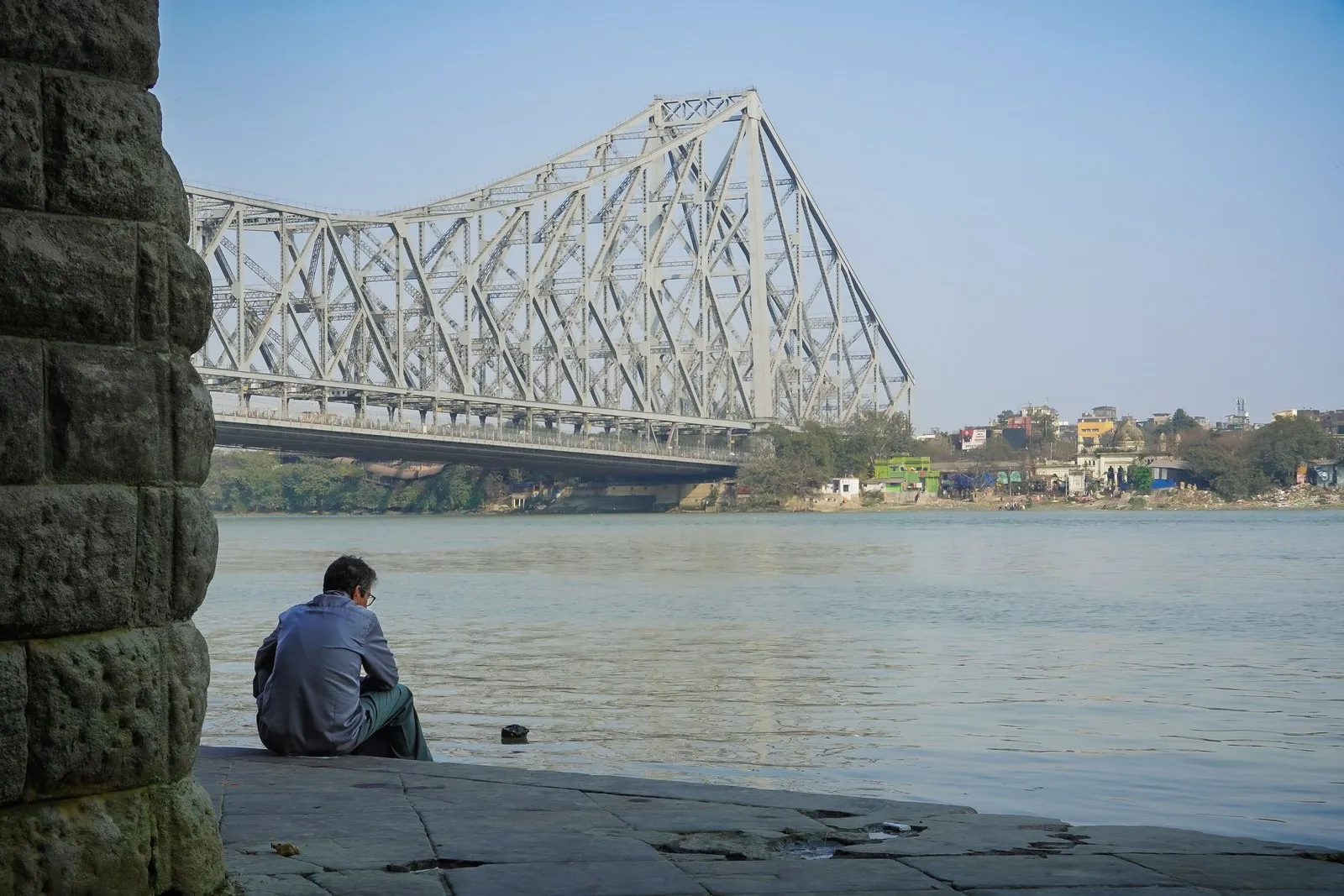
  • A man sitting on the ghat by the Hooghly below Howrah Bridge, Kolkata
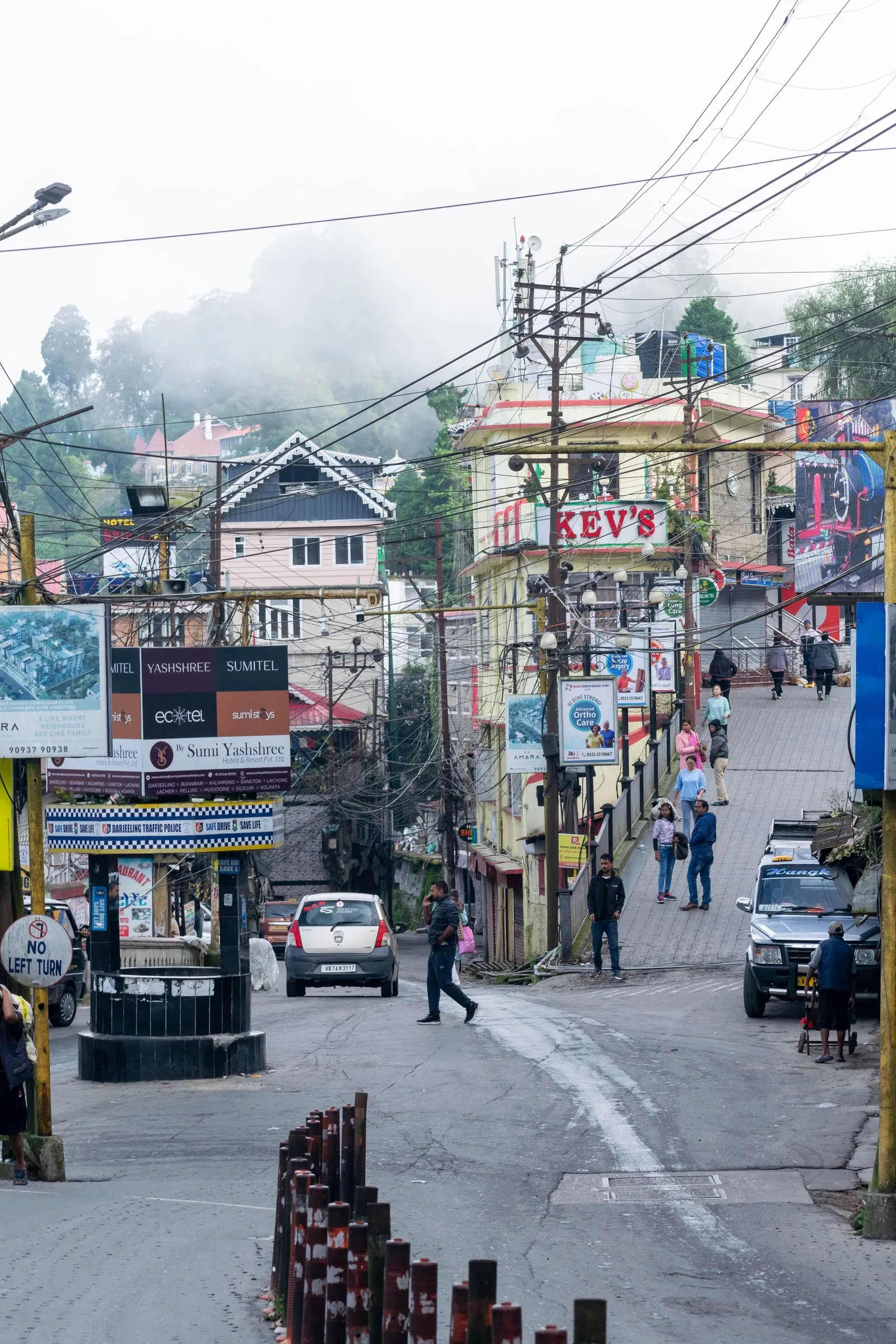
  • A steep street in Darjeeling on a misty morning
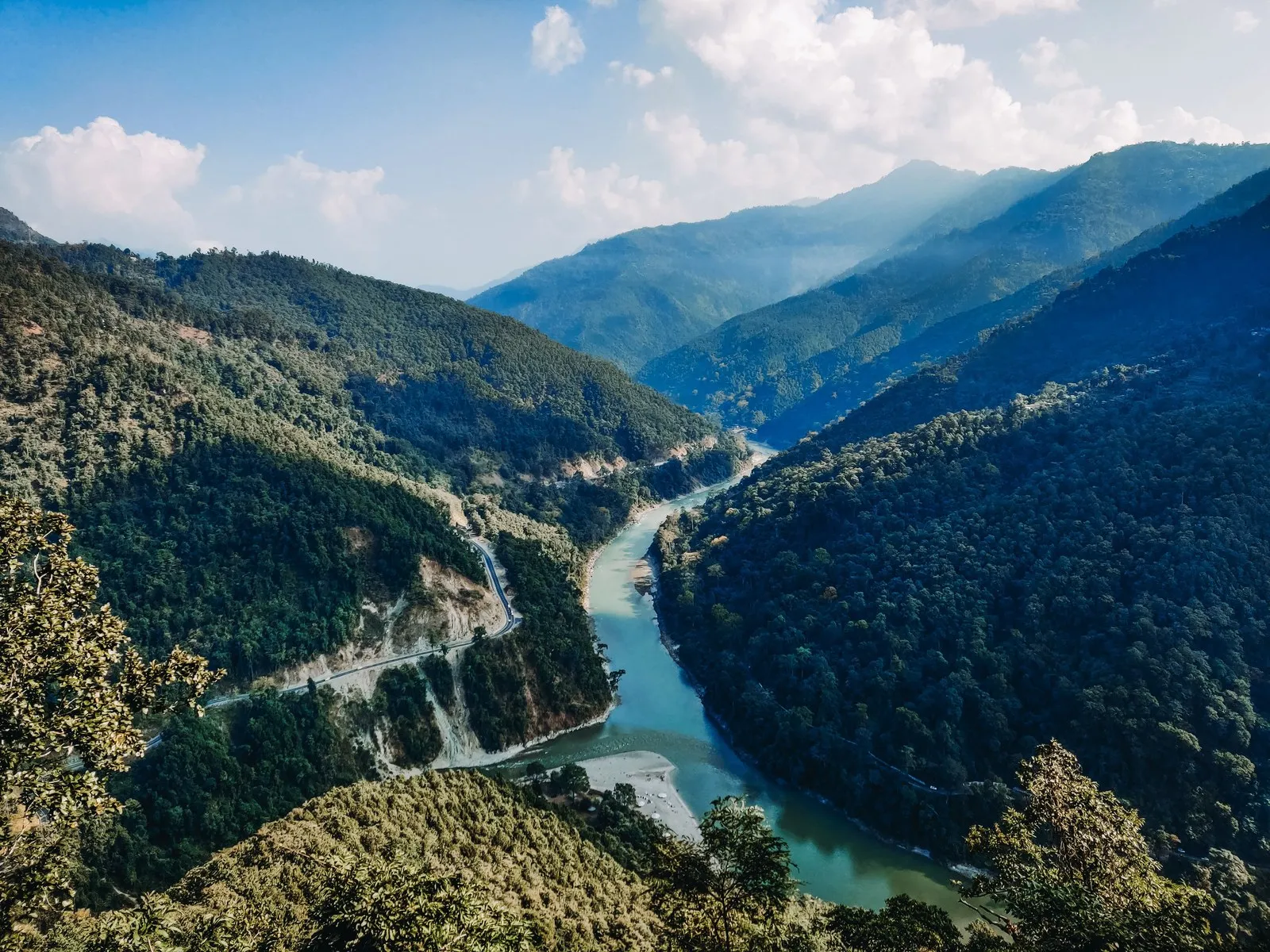
  • The Teesta winding through forested hills below Kalimpong
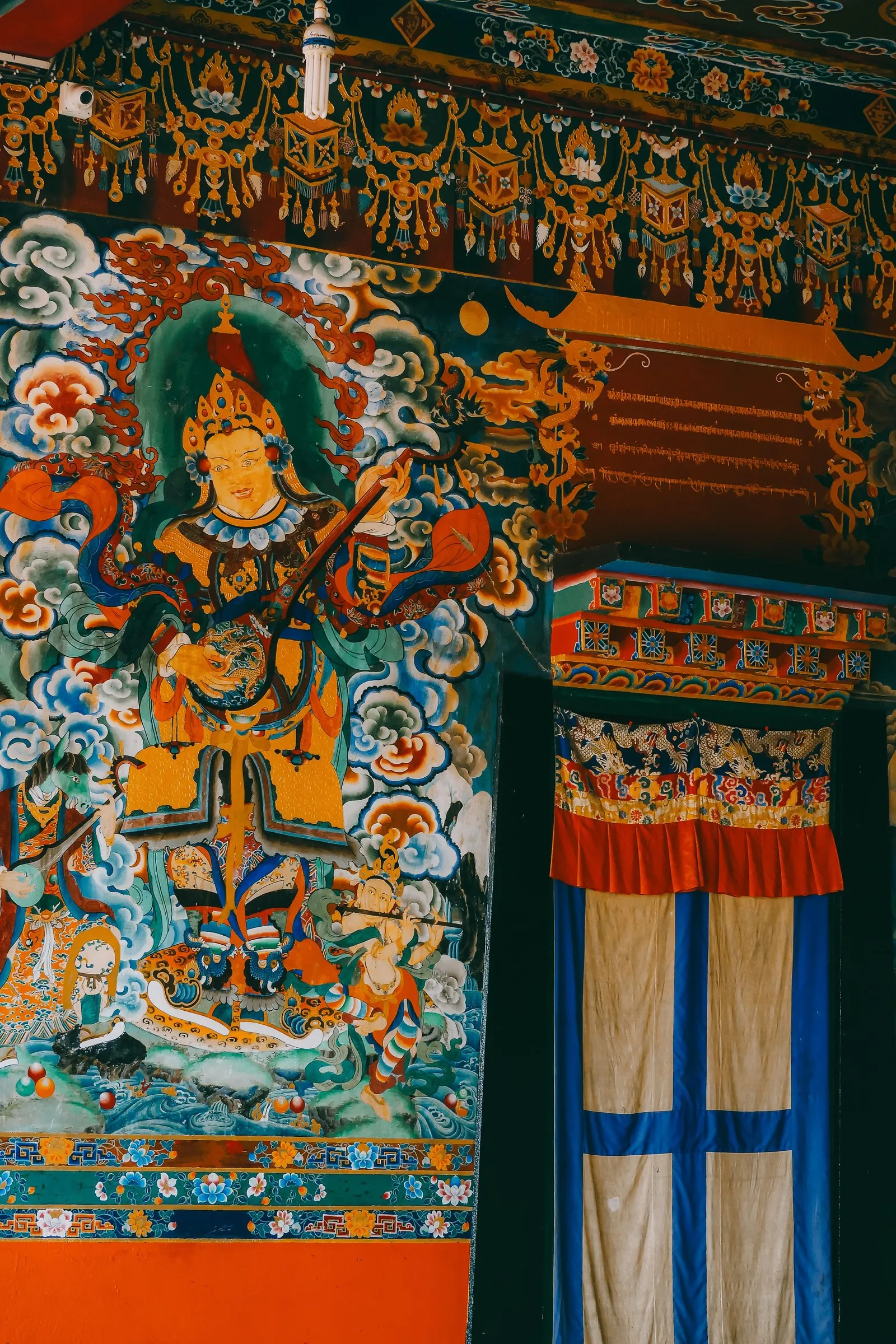
  • A painted mural at the entrance to Rumtek Monastery, Sikkim

Reviews

In their own words

Word for word, several in Italian, because Italy found us early. 5.0 from 146 reviews on Google, and 5.0 from 200 on TripAdvisor.

I had an incredible adventure with Rang Travels in Northern India earlier this year! The tour was jam packed. I loved the beautiful forts and buildings we visited, the markets, as well as the stunning World Heritage hotels. This tour gave me a real taste for India, and I felt very comfortable for my first time visiting!

Read the whole review on Google

Jess Foster

Northern India · May 2025

1 / 19

Enquire

Plan my journey

Tell us where your India begins — we reply with a written itinerary.

Travellers
When, roughly
Interests
Or ask on WhatsApp

No obligation. We reply with a written itinerary, not a sales call.