Rang Travels — explore the colors of India
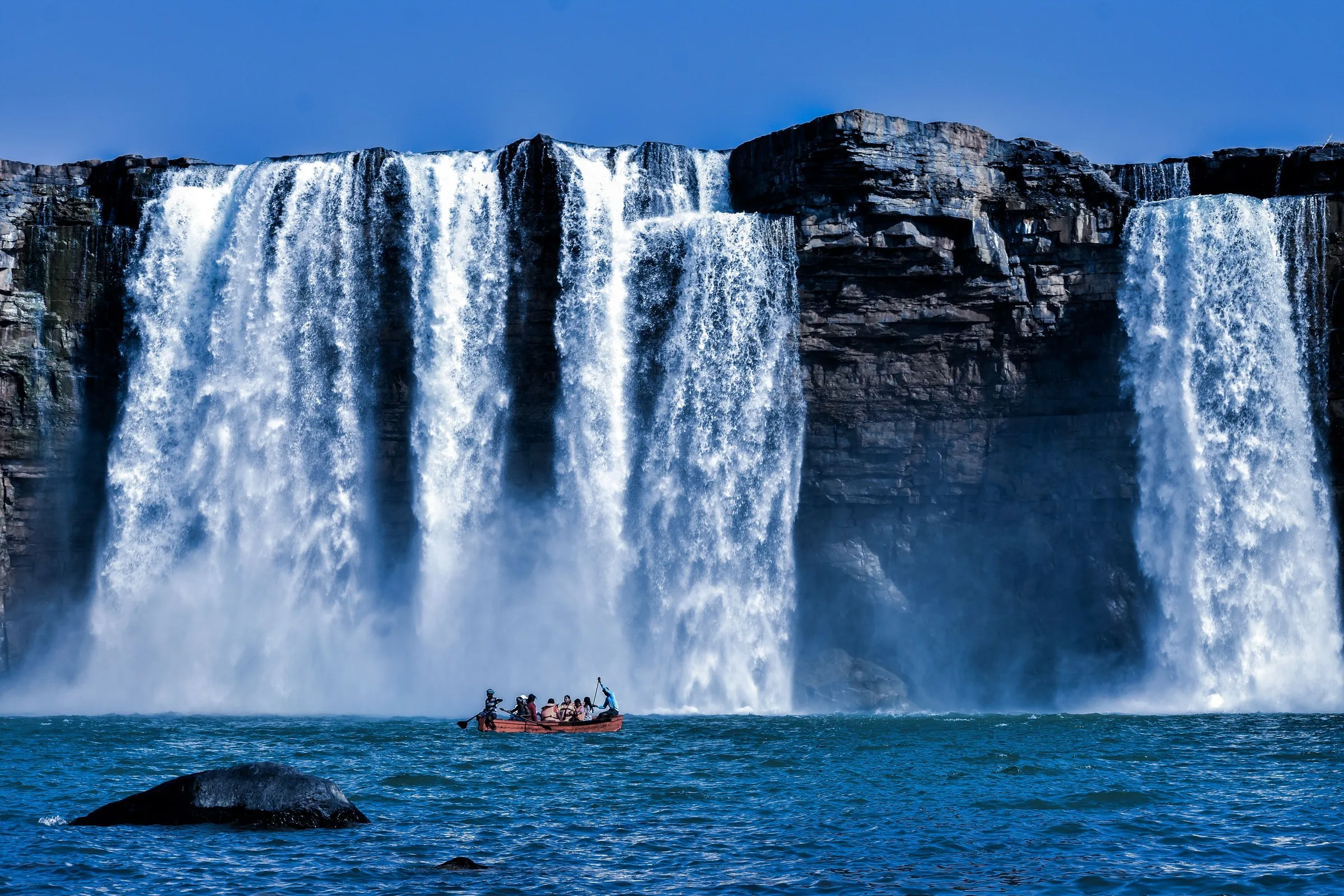
A boat below the Chitrakote Falls on the Indravati river, Bastar

Tribal · Temples · Wildlife

Chhattisgarh & Odisha Tribal Journey

Odisha’s temples and hill markets, the villages and falls of Bastar, and the forest at Kanha

See the day-by-day
Duration
14 days · 13 nights
Halts
14
Bhubaneswar to Raipur
Best months
November – March
Price
On request
quoted to your dates

The journey

Fourteen days from Odisha’s temples to Bastar and Kanha: the weekly markets of the Koraput hills, Kondh and Maria villages, Chitrakote Falls and tigers.

The hills where Odisha meets Chhattisgarh are home to more Adivasi communities than almost anywhere in India — Odisha alone counts sixty-two. Kondh, Dongria Kondh, Bonda, Gadaba, Paroja, Muria, Maria and Baiga each keep their own language, dress and gods, and once a week the villages come down to trade. This journey is timed around those markets: Chatikona on a Wednesday, Onkadelli on a Thursday, Lohandiguda on a Friday. You travel with a guide the villages know, which is what turns a visit into a meeting.

It begins with the temples of Bhubaneswar, the Sun Temple at Konark and the Jagannath temple at Puri, then climbs into the Eastern Ghats: the Kondh villages of Kandhamal, the markets of the Koraput hills and the weavers of Kotpad. In Bastar come the Chitrakote Falls, the dancers of the Bison Horn Maria and a Muria ghotul; then the Ramnamis of Shivrinarayan, the carved temple at Bhoramdeo and the Baiga of the Maikal hills. Two days in the sal forest at Kanha end it.

Highlights

What you will remember

  • Bhubaneswar’s temples, the Sun Temple at Konark and the Jagannath temple at Puri

  • The weekly markets of Chatikona, Onkadelli and Lohandiguda

  • Kondh villages in the Kandhamal hills, and the weavers of Kotpad

  • Chitrakote Falls, and the Bison Horn Maria of Bastar

  • The Ramnamis of Shivrinarayan, and the temple at Bhoramdeo

  • Baiga villages in the Maikal hills

  • Two days of jeep safaris in Kanha National Park

The route

15 halts, in order

  1. Bhubaneswar
  2. Konarkpass through
  3. Puri1 night
  4. Phulbani1 night
  5. Baligudapass through
  6. Rayagada1 night
  7. Chatikonapass through
  8. Jeypore2 nights
  9. Lohandigudapass through
  10. Jagdalpur1 night
  11. Kanker1 night
  12. Shivrinarayan1 night
  13. Bhoramdeo2 nights
  14. Kanha2 nights
  15. Raipur

Experiences

The moments it is built around

Everything else on this page is logistics. These are the reasons to come.

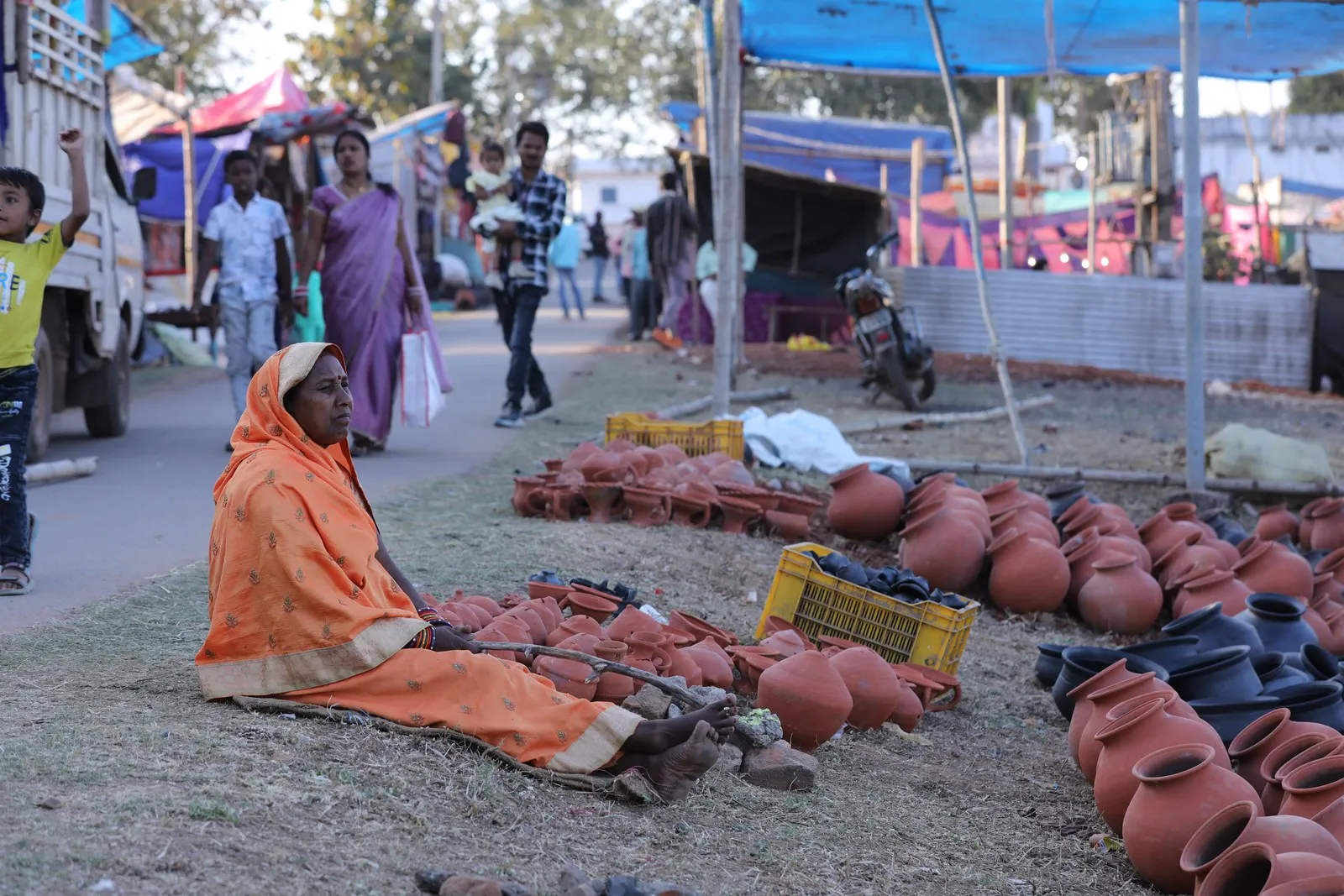
  • A woman selling clay pots at a market in Kota, Chhattisgarh

    Market day in the hills

    Chatikona, Onkadelli, Lohandiguda: once a week the villages come down to trade grain, pots, cloth and news.

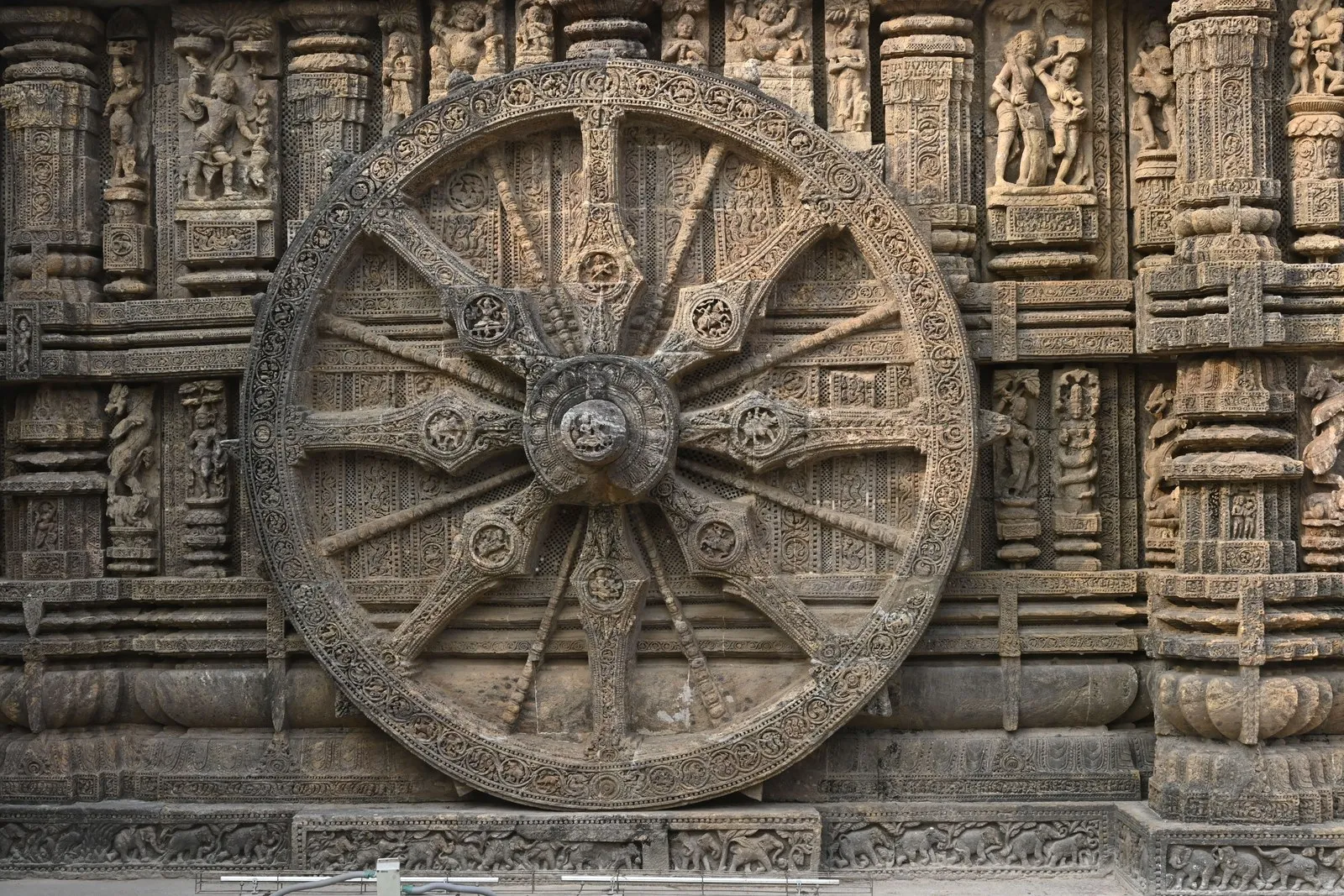
  • One of the carved stone wheels of the Sun Temple at Konark

    Konark’s stone chariot

    The thirteenth-century Sun Temple, carved as Surya’s chariot on twenty-four wheels, drawn by seven horses.

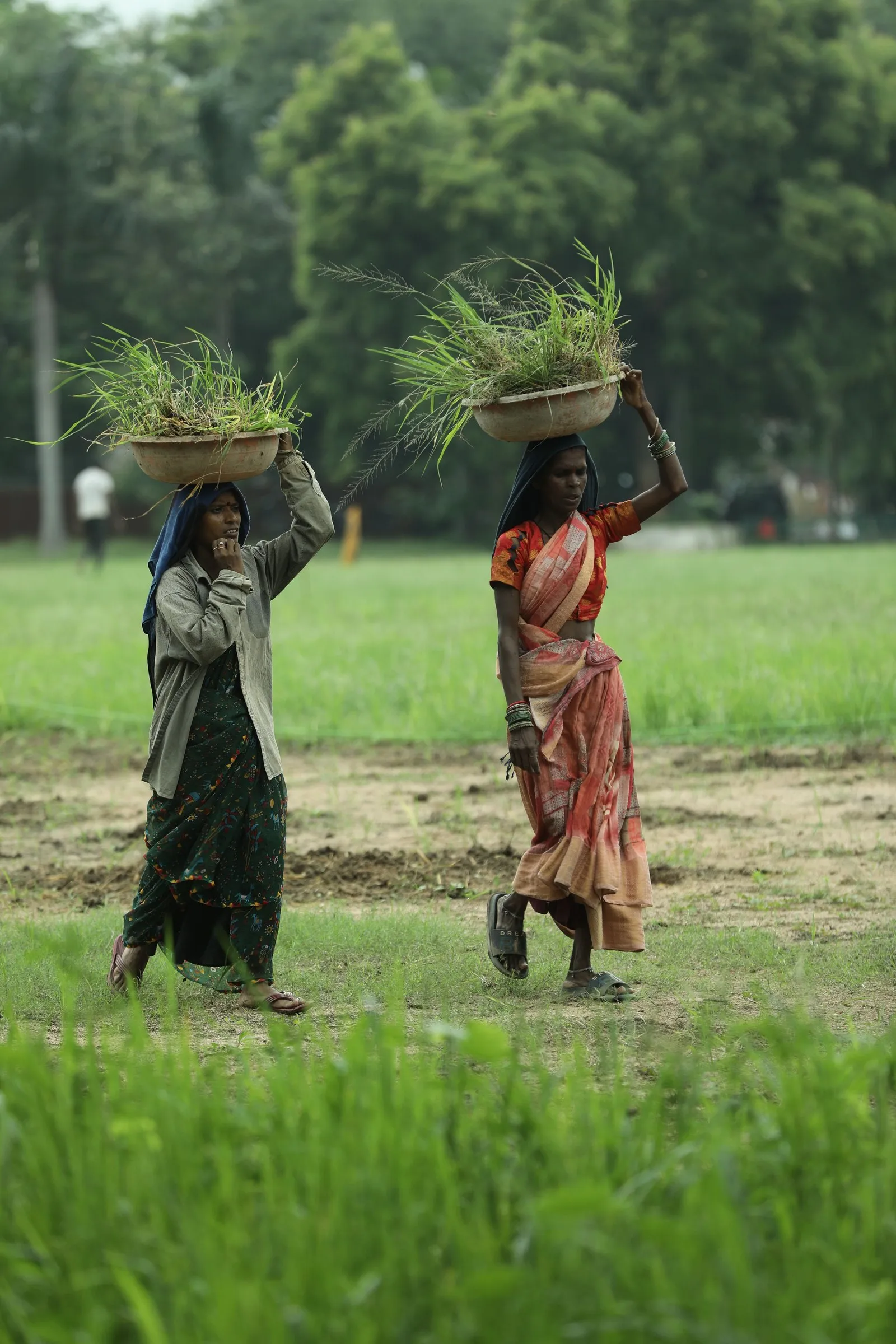
  • Two women carrying fodder home across the fields near Raipur

    Village walks

    Unhurried walks through Kondh, Paroja, Muria and Baiga villages, with a guide the families know.

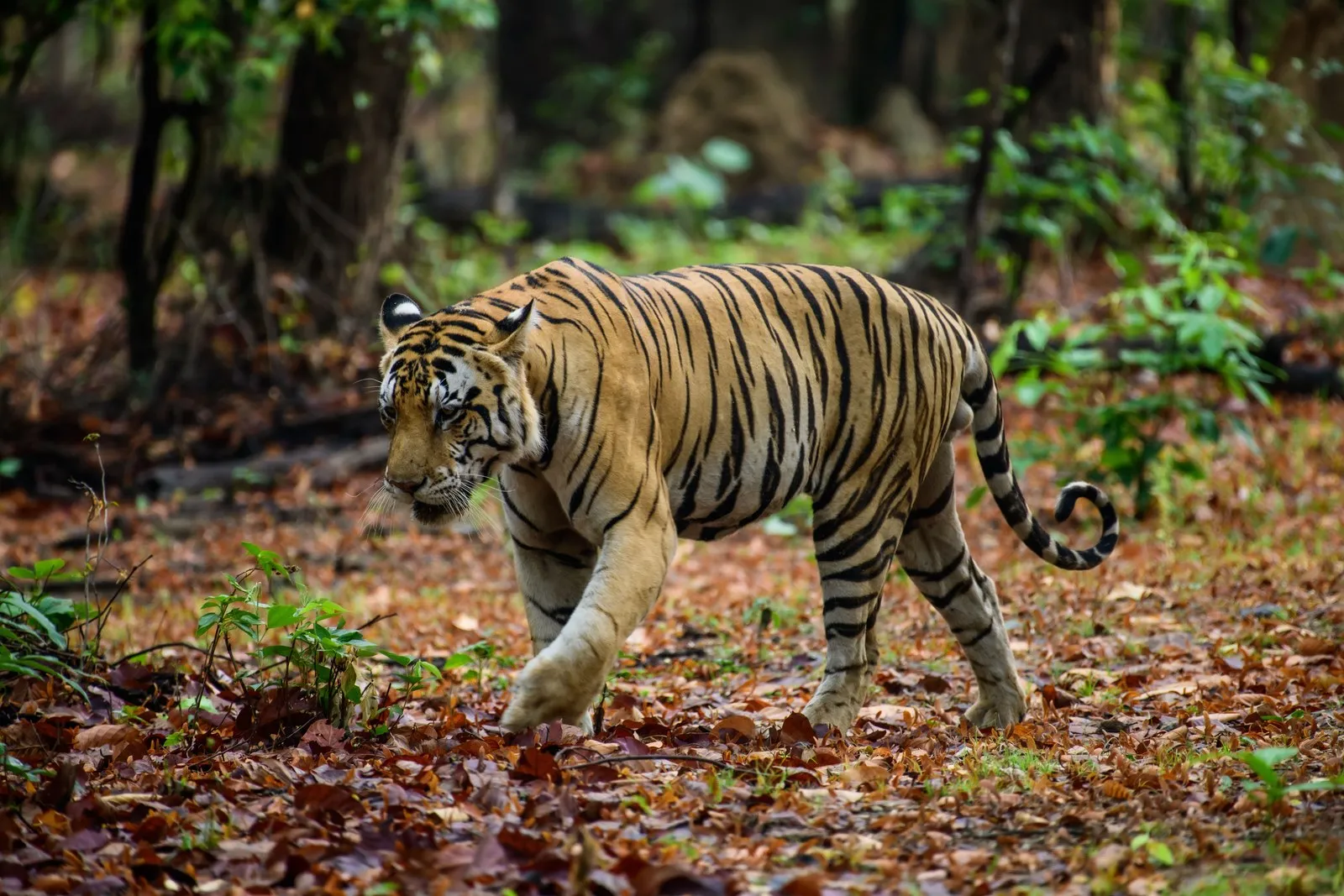
  • A tiger walking through the sal forest at Kanha

    Kanha by jeep

    Drives at dawn and in the afternoon through sal forest and meadow, where the barasingha was saved.

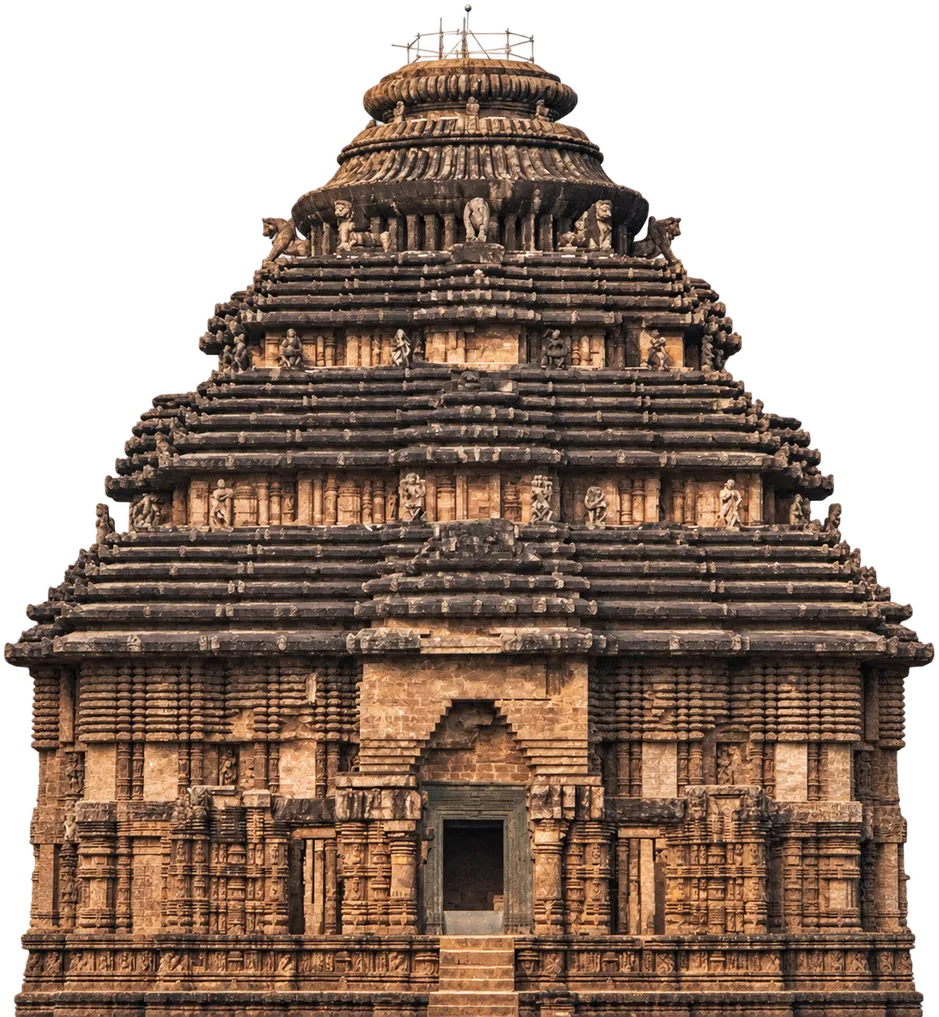
The Sun Temple at Konark, its stepped roof carved tier on tier to the crown

Tribal · Temples · Wildlife

Odisha’s temples and hill markets, the villages and falls of Bastar, and the forest at Kanha

14 days, 13 nights

The route, day by day

Every halt, every overnight and every drive, published in full.

  1. Bhubaneswar
  2. Konark
  3. Puri
  4. Phulbani
  5. Baliguda
  6. Rayagada
  7. Chatikona
  8. Jeypore
  9. Lohandiguda
  10. Jagdalpur
  11. Kanker
  12. Shivrinarayan
  13. Bhoramdeo
  14. Kanha
  15. Raipur
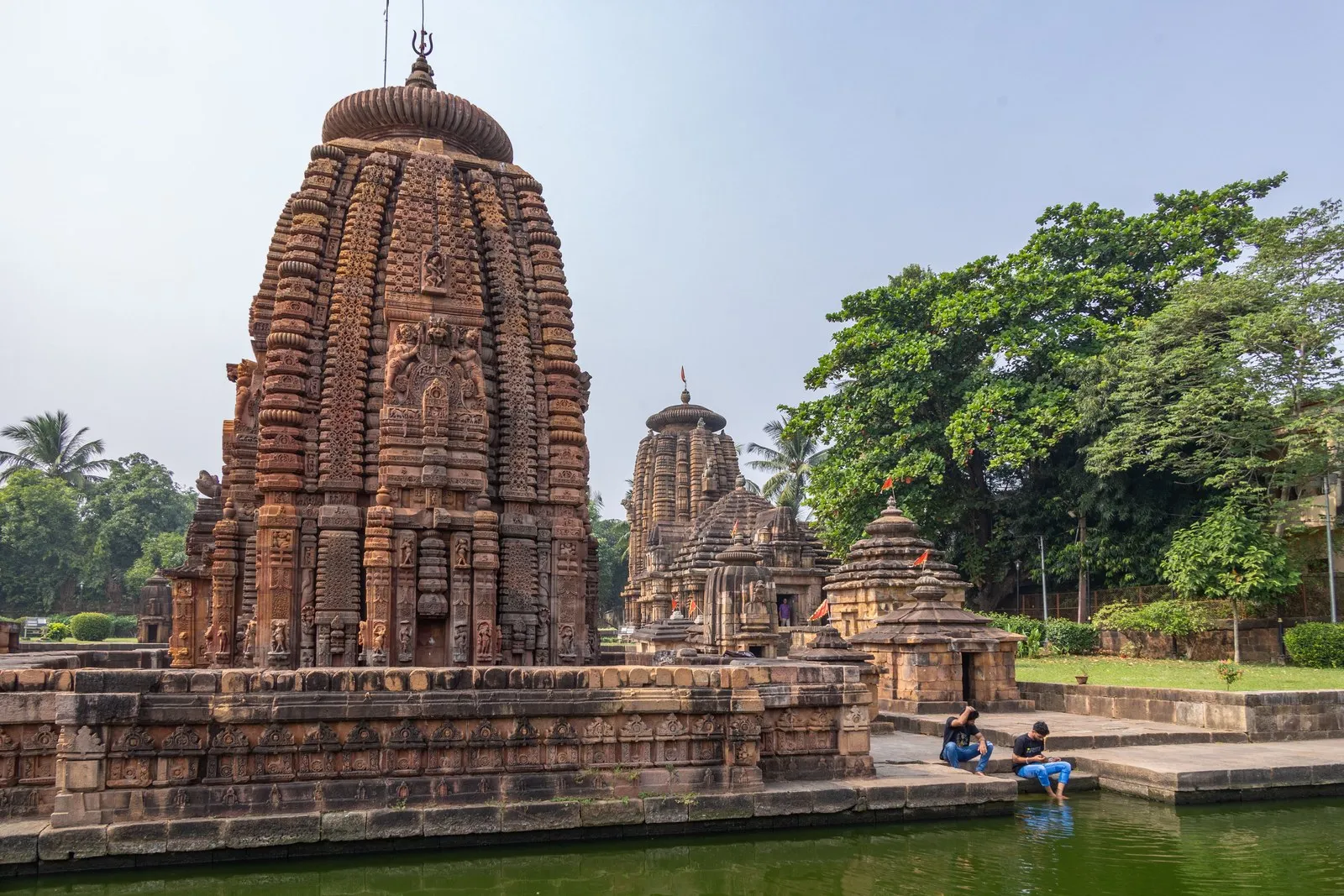
  1. Temples of the Mukteswara group beside their tank in Bhubaneswar

    01

    Overnight Bhubaneswar

    Arrival, and the temples of Bhubaneswar

    Met at Bhubaneswar airport and taken to your hotel. Bhubaneswar is Odisha’s capital and its temple city: tradition holds that seven thousand temples once stood around the Bindu Sagar tank, and a few hundred still do, built between the seventh and the thirteenth centuries in the Kalinga style, with tall curving towers carved from top to bottom.

    In the afternoon, the finest of them. The Mukteswara, of the tenth century, is small and covered in carving, with an arched stone torana at its gate; the Parasurameswara, of the seventh, is one of the oldest temples standing in Odisha. The great Lingaraj temple, of the eleventh century, is open only to Hindus, and everyone else looks over its wall from a viewing platform outside.
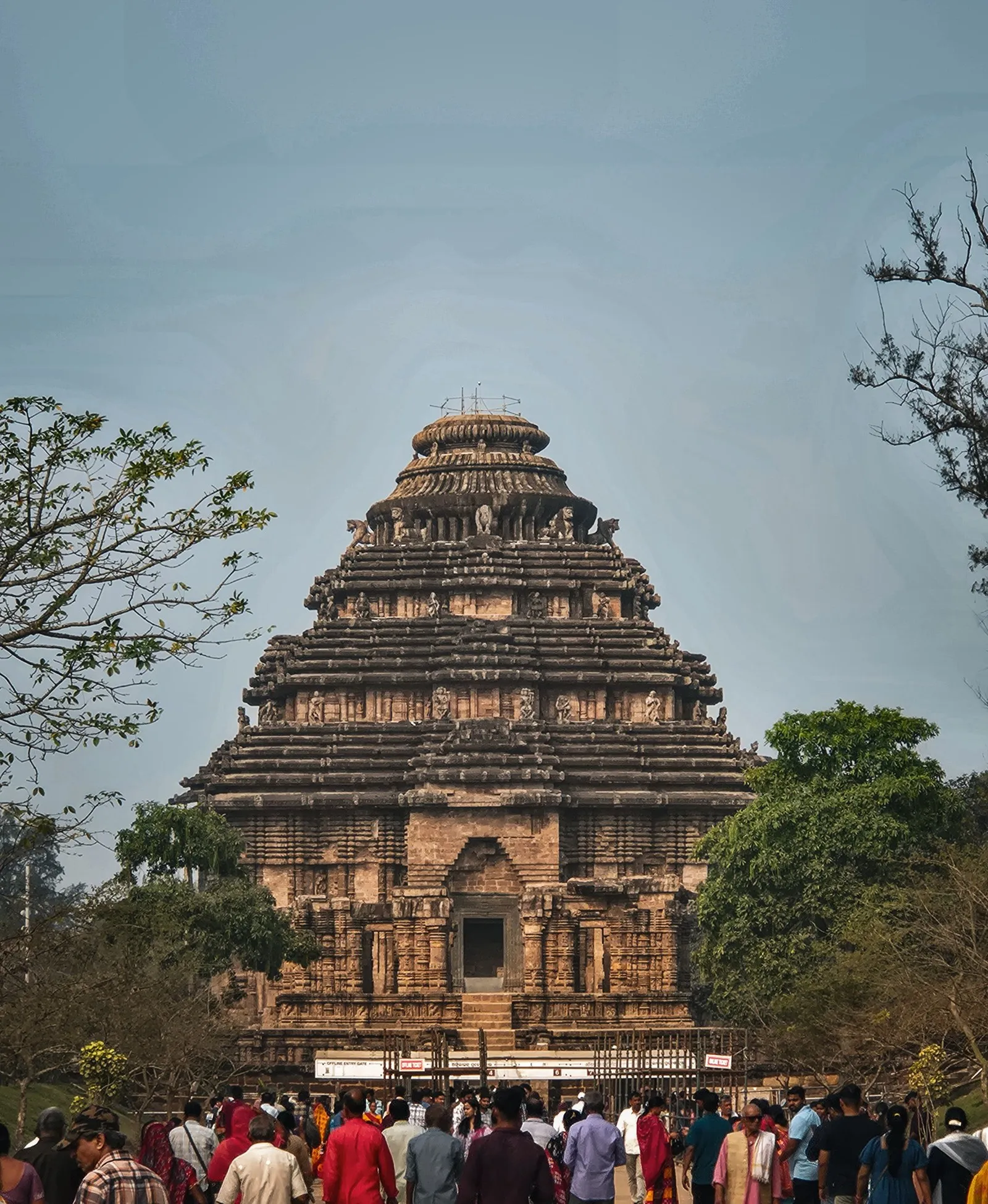
  2. Visitors walking up to the Sun Temple at Konark

    02

    Overnight Puri

    105 km · about 3 hrs

    Dhauli, Pipli and the Sun Temple at Konark

    South towards the coast, with three stops. At Dhauli, above the Daya river, the Emperor Ashoka had his edicts cut into the rock after the Kalinga war of the third century BC, the war that, by his own account, turned him to Buddhism; an elephant carved from the same rock stands above them. At Pipli, the appliqué village, cut-cloth canopies, umbrellas and lanterns hang in every shopfront.

    Then the Konark Sun Temple, built in the thirteenth century by King Narasimhadeva I as the chariot of Surya, the sun god: twenty-four carved stone wheels, seven horses, and walls covered with gods, dancers, musicians and scenes of court and village life. Three images of Surya on its outer walls stand for the sun at morning, noon and evening. On along the coast road to Puri for the night.

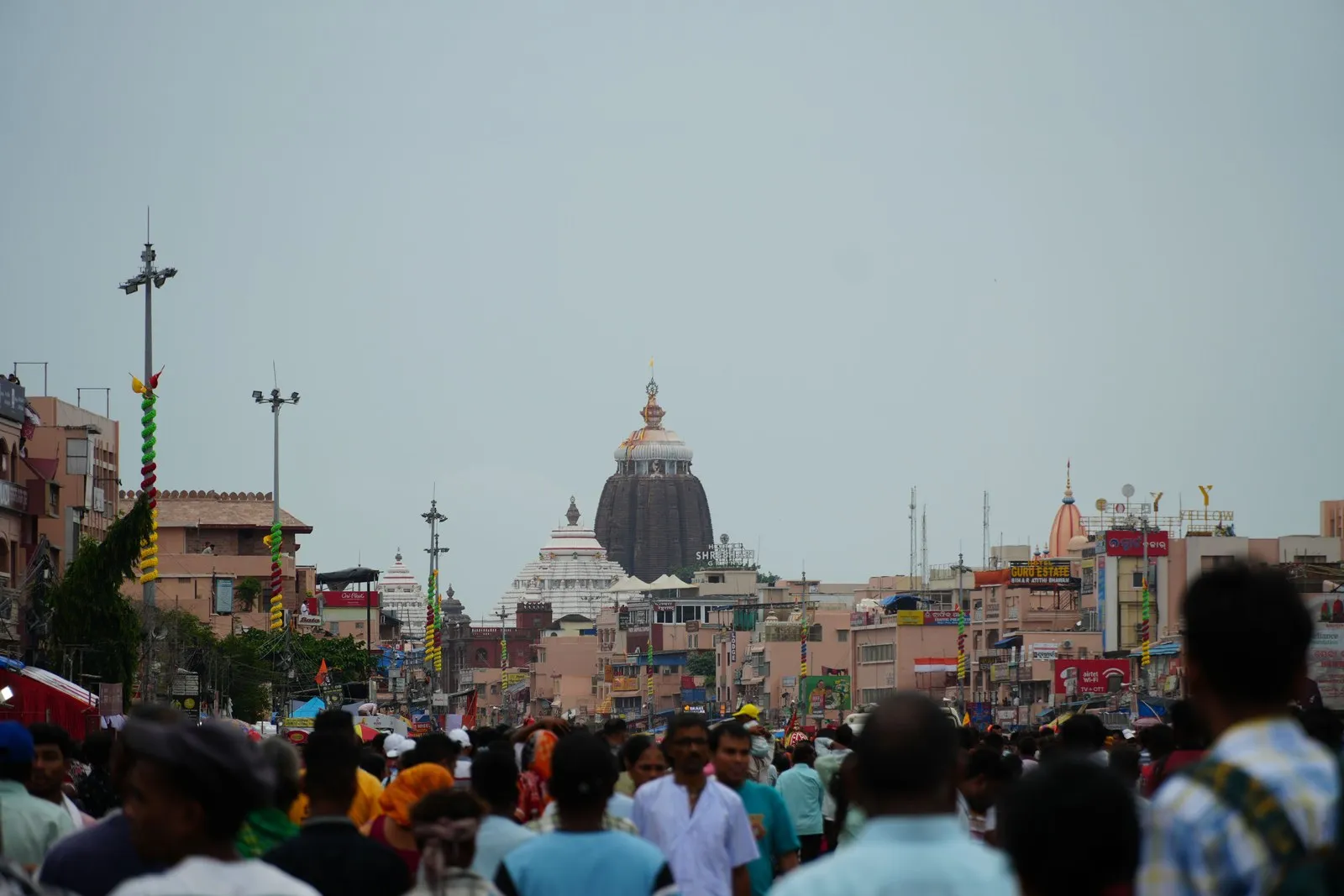
  3. The crowd on the Grand Road at Puri, the Jagannath temple beyond

    03

    Overnight Phulbani

    250 km · about 6 hrs

    Jagannath’s city, then into the hills

    The morning in Puri, one of the four dhams, the great pilgrim seats of Hinduism. The Jagannath temple was raised in the twelfth century and only Hindus may enter it; you see it from the Grand Road outside, down which the deities are hauled in their towering chariots at the Rath Yatra each summer. In the story, Jagannath has no hands or feet because the craftsman of the gods, Vishvakarma, was disturbed before he could finish the image.

    Then the tribal country begins. After lunch the road leaves the coast behind and climbs through forest and terraced valleys into the Eastern Ghats, to Phulbani, the headquarters of Kandhamal, the district named for the Kondh, whose villages you meet tomorrow.

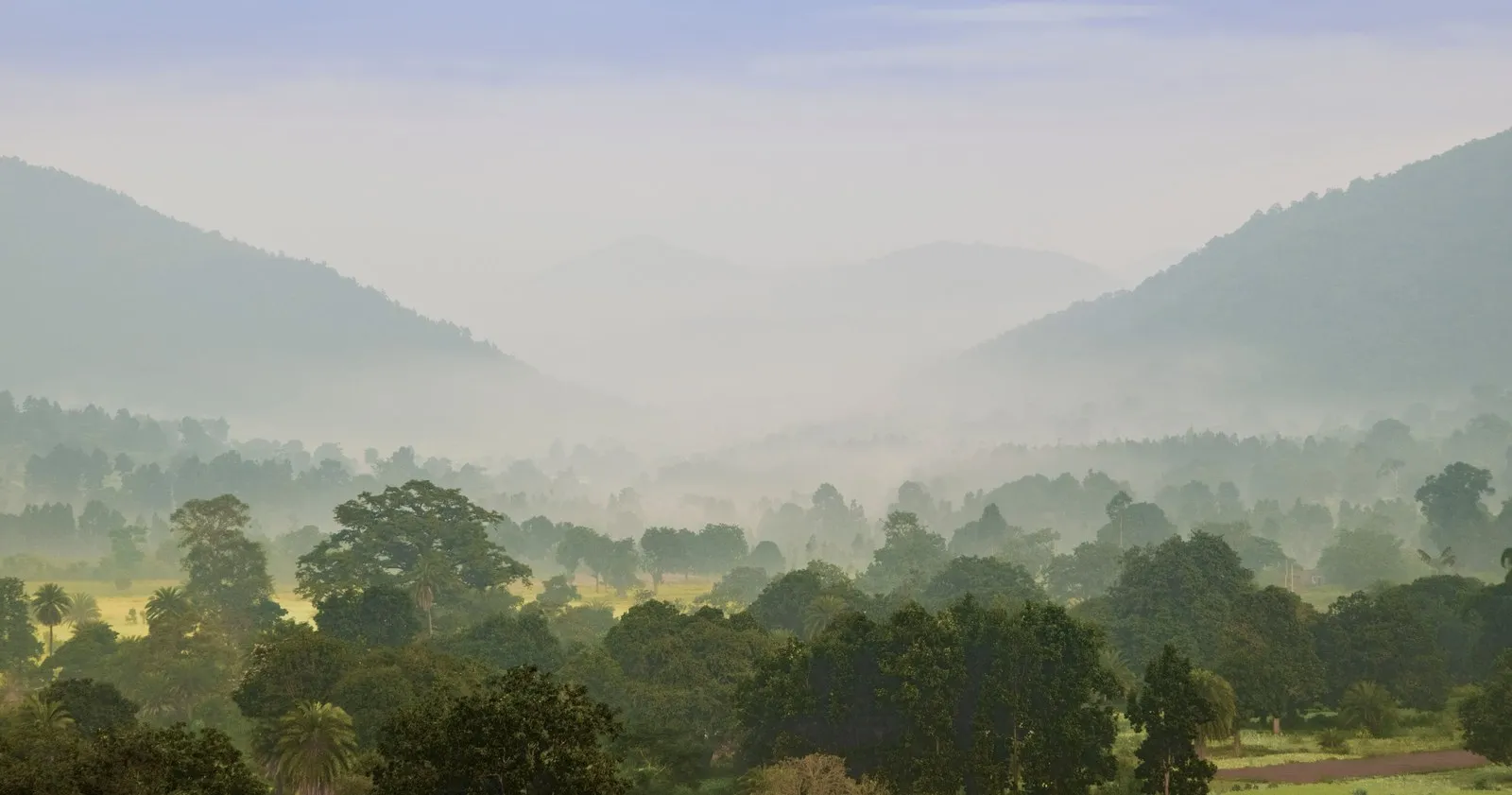
  4. Morning mist over the forested hills at Daringbadi, Kandhamal

    04

    Overnight Rayagada

    230 km · about 5½ hrs

    Kondh villages around Bataguda, then Rayagada

    South through Baliguda into the heart of the Kondh country. In the villages near Bataguda some of the older women still wear the facial tattoos of their youth, fine lines across the forehead and cheeks, a custom their daughters have mostly let go. Your guide knows the families here: you walk the lanes with him, sit where you are asked to sit, and see the wooden post at the centre of the village where offerings are made at its festivals.

    In the afternoon the road winds on through the hills to Rayagada, on the Nagavali river, where you spend the night. Tomorrow is Wednesday, market day at Chatikona, when the Dongria Kondh come down from their hills, and you leave early to be there.

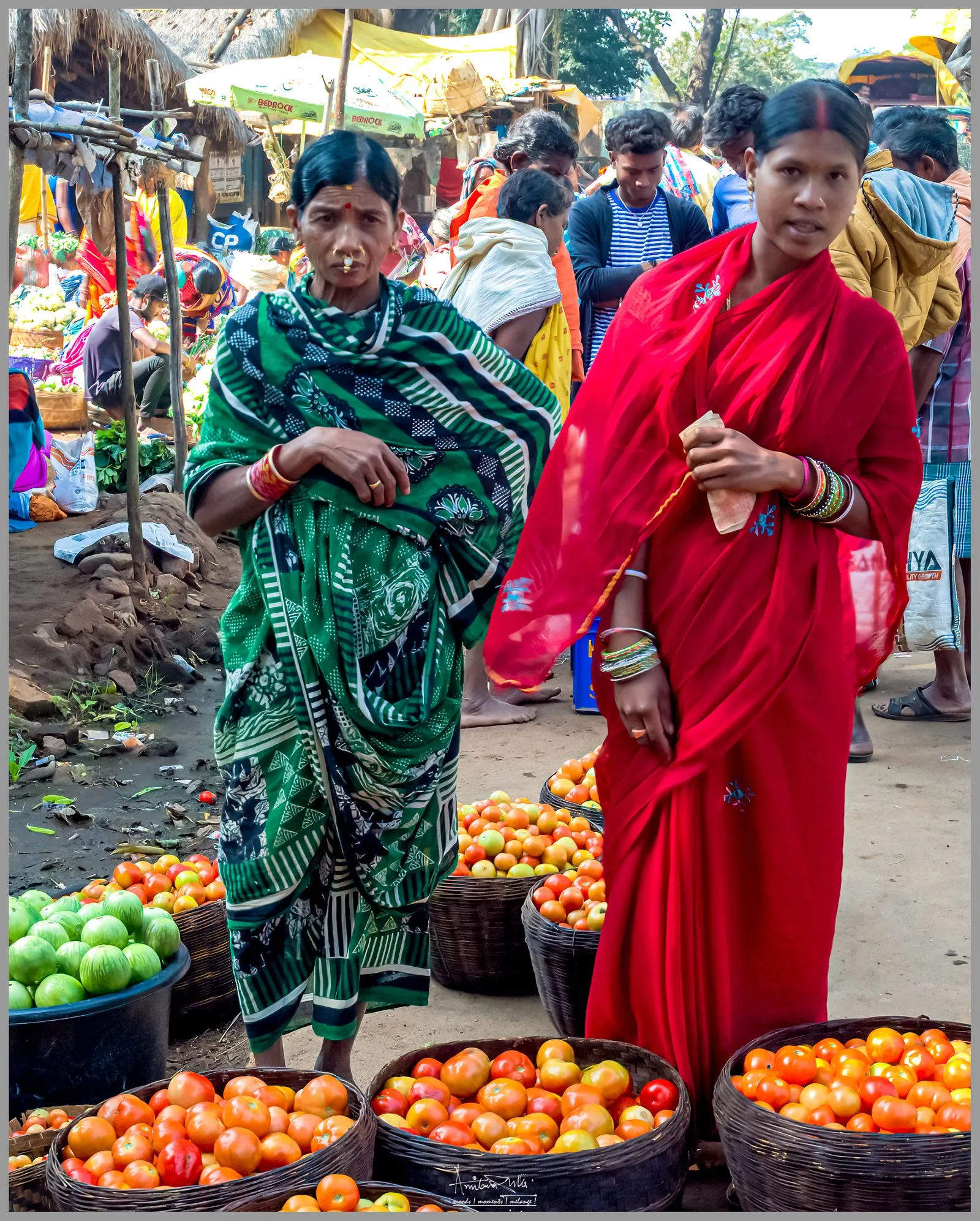
  5. Women with baskets of tomatoes at the weekly haat of Doraguda, in the Koraput hills

    05

    Overnight Jeypore

    230 km · about 5 hrs

    The Chatikona market, and on to Jeypore

    The market at Chatikona is held only on Wednesdays, and it is the day the Dongria Kondh come down from the Niyamgiri hills, which they hold sacred, to sell what they grow — pineapples, bananas, turmeric, millet and forest produce — and to buy salt, cloth and tools. Everyone here has come to trade, not to be looked at: walk with your guide, photograph only where he says it is welcome, and ask first.

    Then south-west towards Jeypore, stopping on the way at villages of the Mali, who farm vegetables on the valley floors, and of the Kuvi Kondh. Jeypore, the old seat of the maharajas of Jeypore, is your base for three nights.

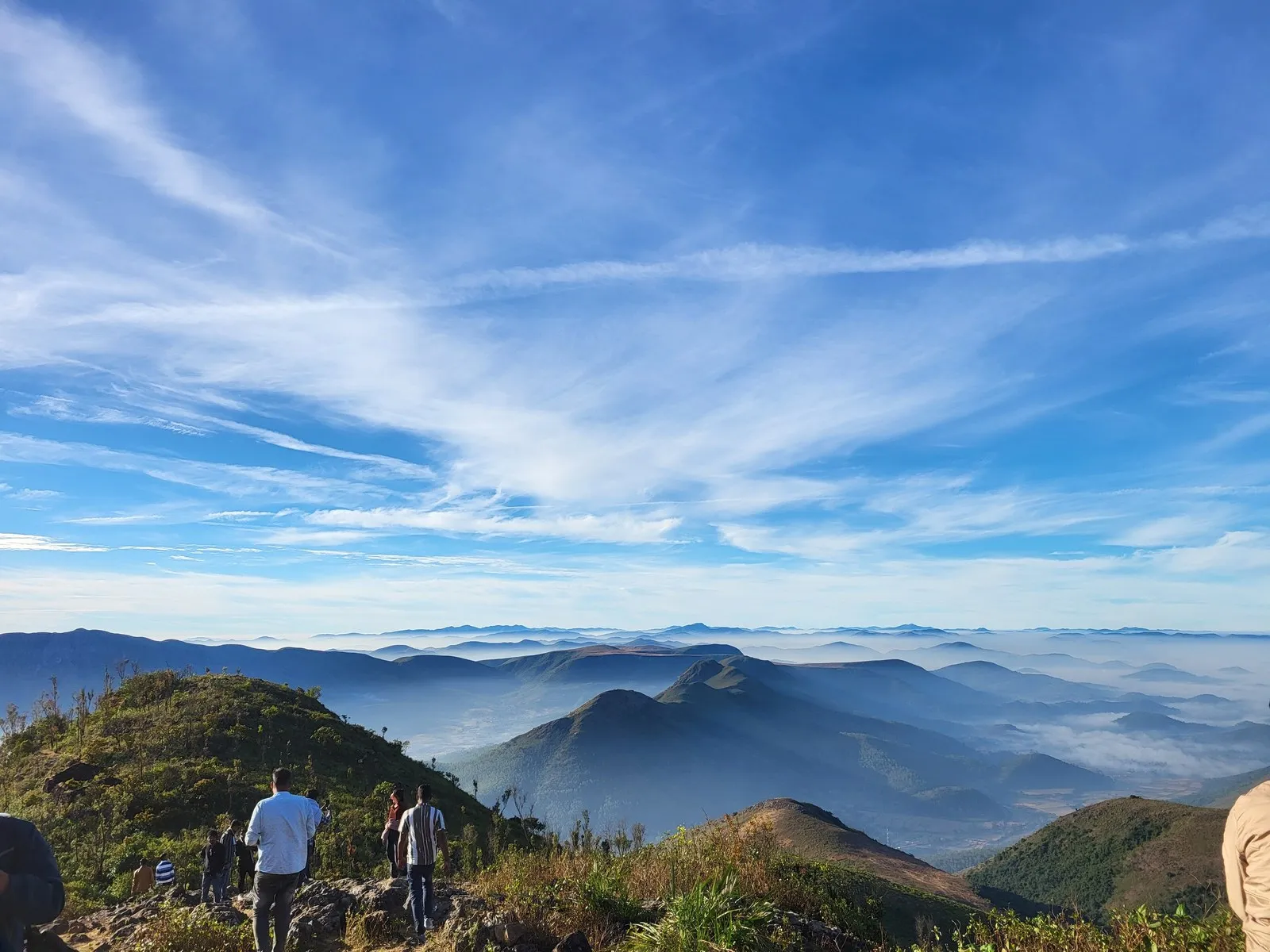
  6. Walkers on Deomali, the highest hill in Odisha, above a sea of cloud

    06

    Overnight Jeypore

    75 km · about 2 hrs each way

    The Onkadelli market

    An early start for Onkadelli, a small hill village whose Thursday market draws the Bonda and the Gadaba. The Bonda are among India’s most vulnerable communities, few in number and protective of their way of life, and the market is theirs. Keep your distance, stay with your guide, and never photograph a Bonda man or woman without their consent; many would rather you did not, and their wishes come first.

    Then a walk to villages of the Rana, the Paroja, the Ollar Gadaba and the Kumbhar, the potters, who still shape the water pots and grain jars sold in the markets on the wheel and fire them in the open. Back to Jeypore for the night.

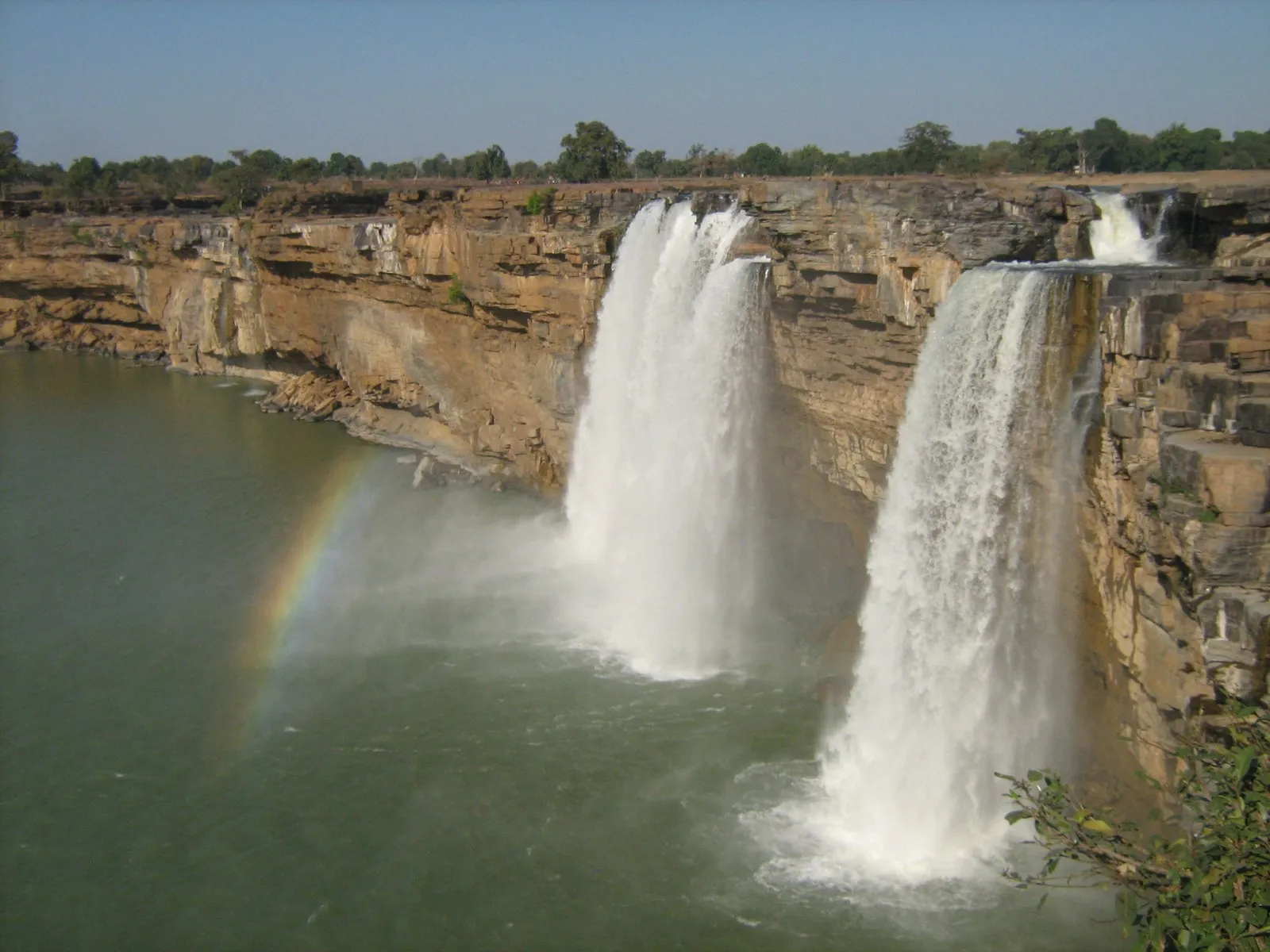
  7. The Chitrakote Falls on the Indravati, a rainbow in the spray, near Jagdalpur

    07

    Overnight Jagdalpur

    150 km · about 3½ hrs

    Kotpad, Lohandiguda and the Chitrakote Falls

    North towards Chhattisgarh. At Kotpad, near the state line, the weavers dye their cotton with the root of the aal tree, in the maroons and browns the Kotpad weave is known for, and you watch the yarn go on to the loom.

    Across the border, the Friday market at Lohandiguda, where the Muria come in from the villages, and then the Chitrakote Falls, where the Indravati drops over a broad horseshoe of cliff: the widest waterfall in India, and at its fullest after the monsoon. On to Jagdalpur, the old capital of the Bastar kings, for two nights.

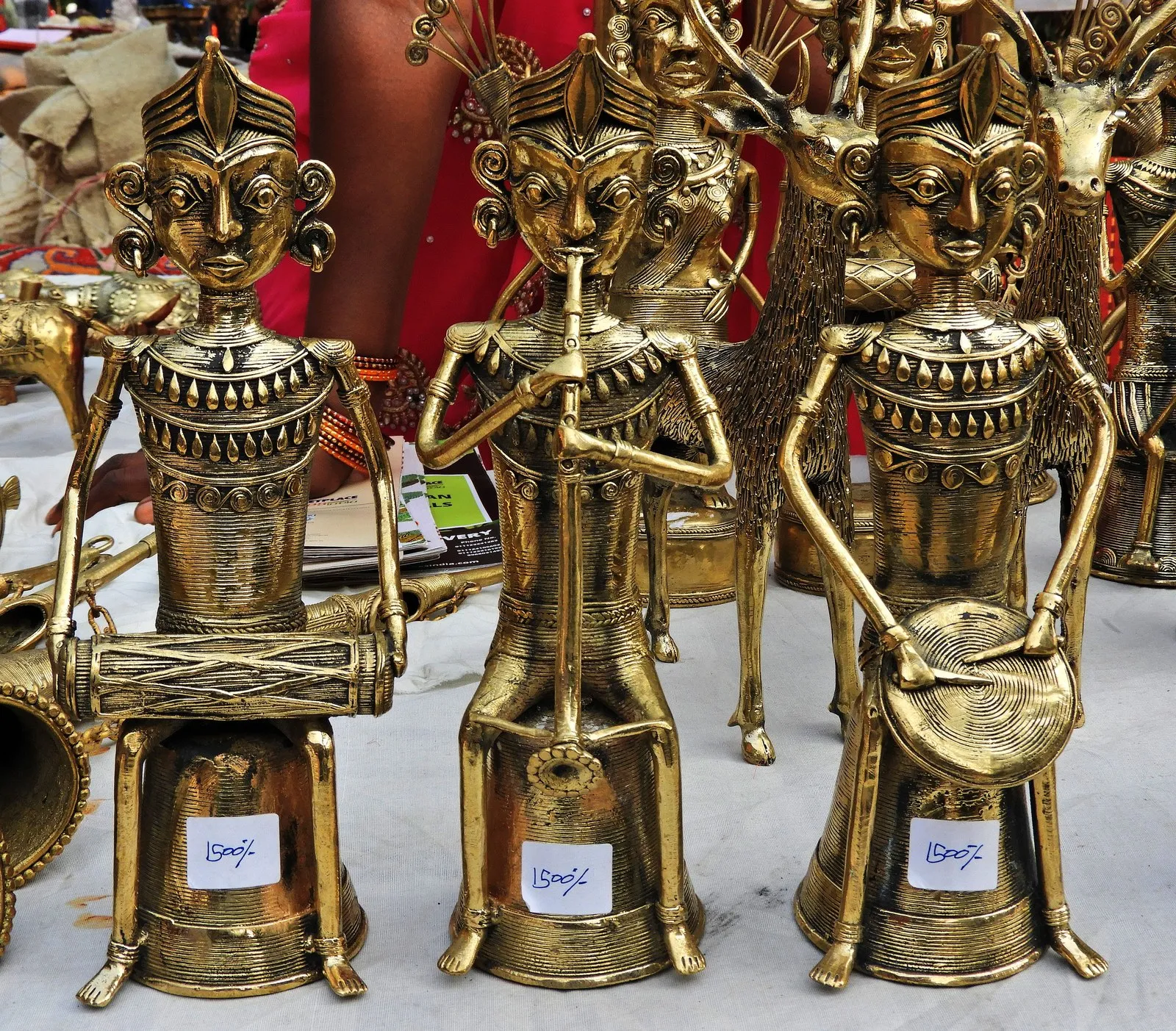
  8. Dhokra bell-metal figures of musicians, cast by the metalsmiths of Bastar

    08

    Overnight Kanker

    160 km · about 4 hrs

    The Bison Horn Maria, and a Muria ghotul

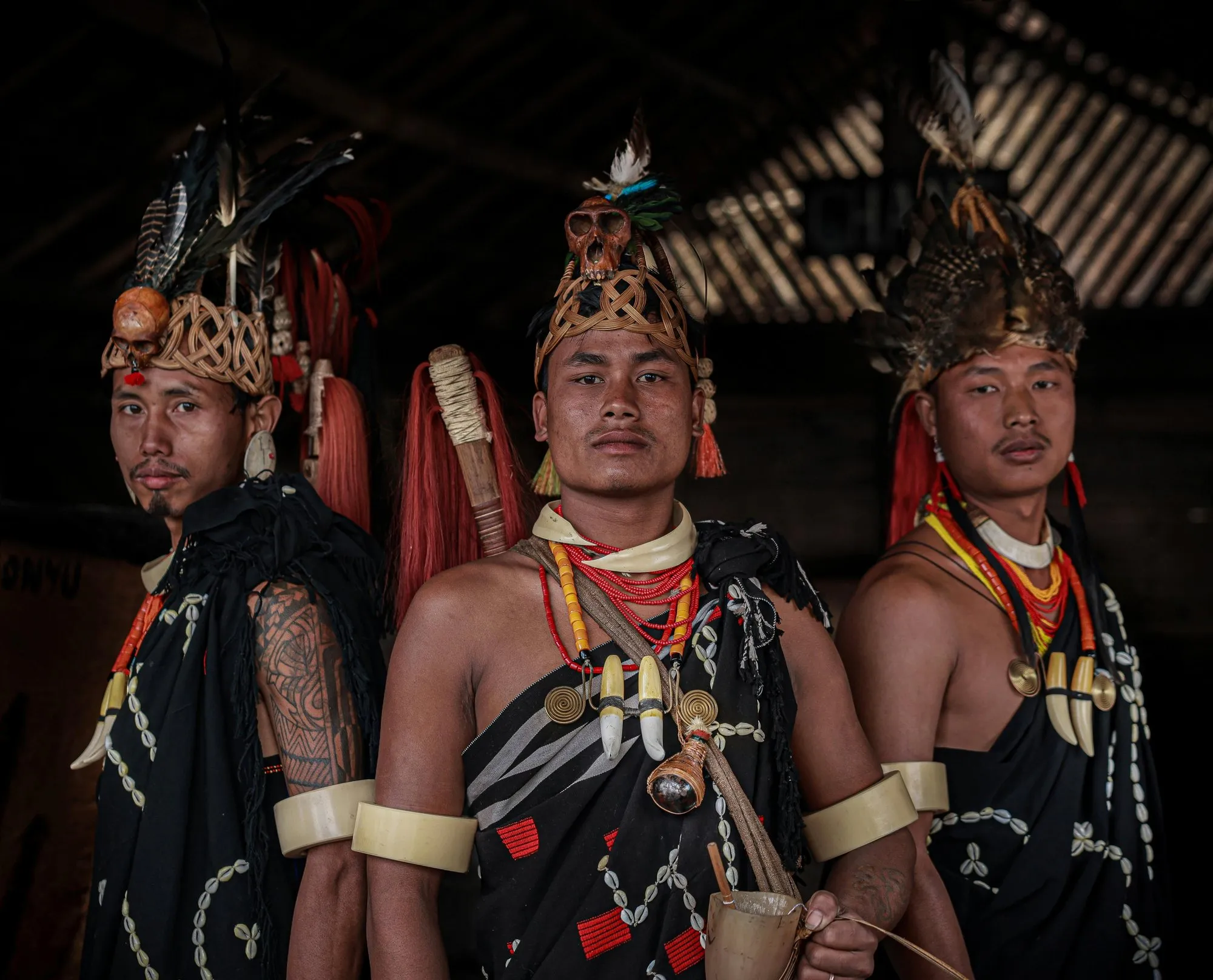
    The morning in villages of the Bison Horn Maria, the Gond people of southern Bastar named for the headdress their men wear to dance: the horns of the gaur, the Indian bison, with cowrie shells and plumes of feathers. Where a village has agreed to it, the dancers put the headdresses on and dance for you to the drums.

    Then north to Kanker. In the afternoon, a Muria village and its ghotul, the house where the young people of the village meet in the evenings, and where the songs, dances and ways of the community are handed on from one generation to the next.

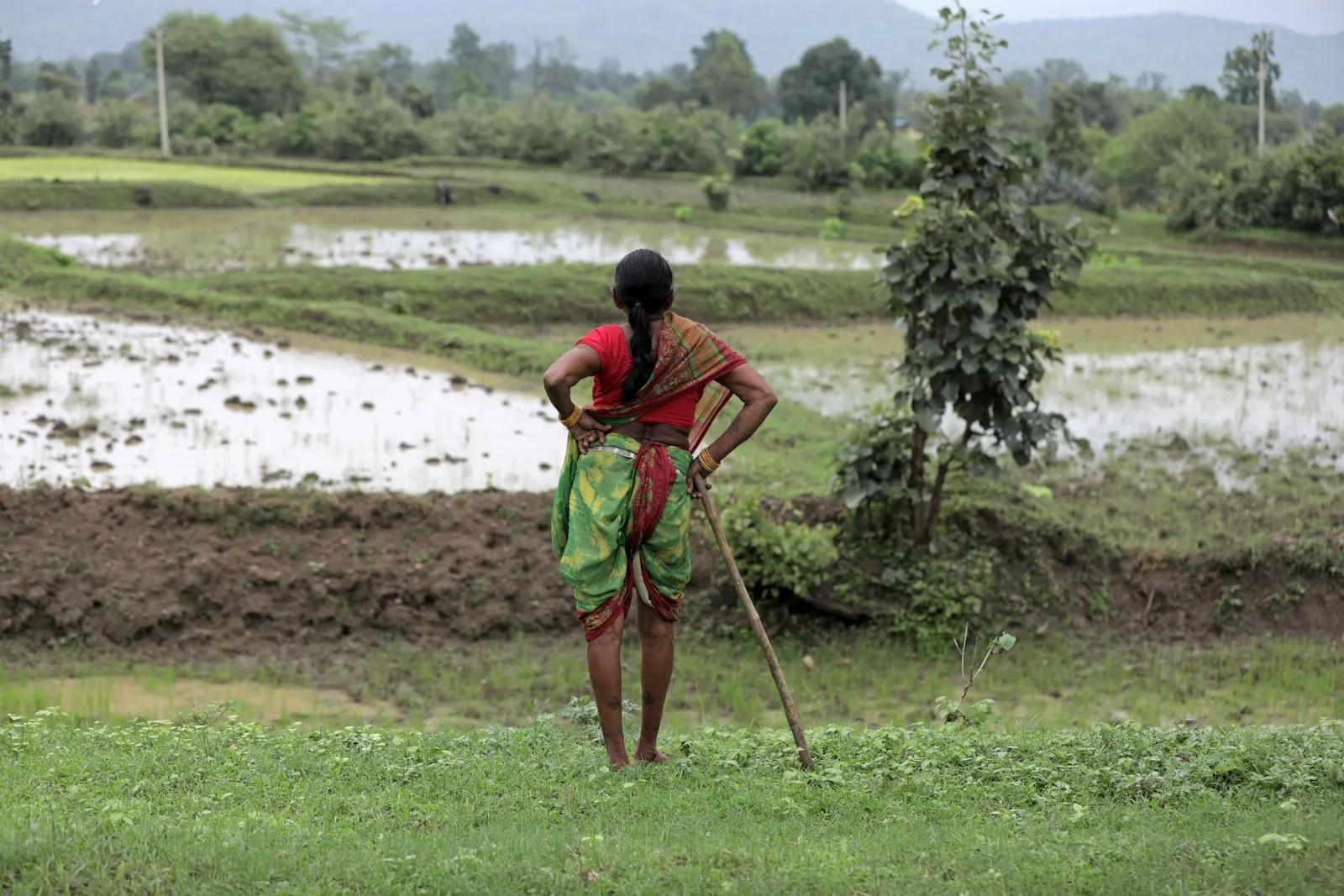
  9. A woman farmer looking over the rice paddies in rural Chhattisgarh

    09

    Overnight Shivrinarayan

    260 km · about 6 hrs

    Across the rice plains to Shivrinarayan

    A long drive north, out of the forest and across the rice plains around Raipur, the paddy country of Chhattisgarh, to Shivrinarayan, a temple town where the Mahanadi, the Shivnath and the Jonk rivers meet.

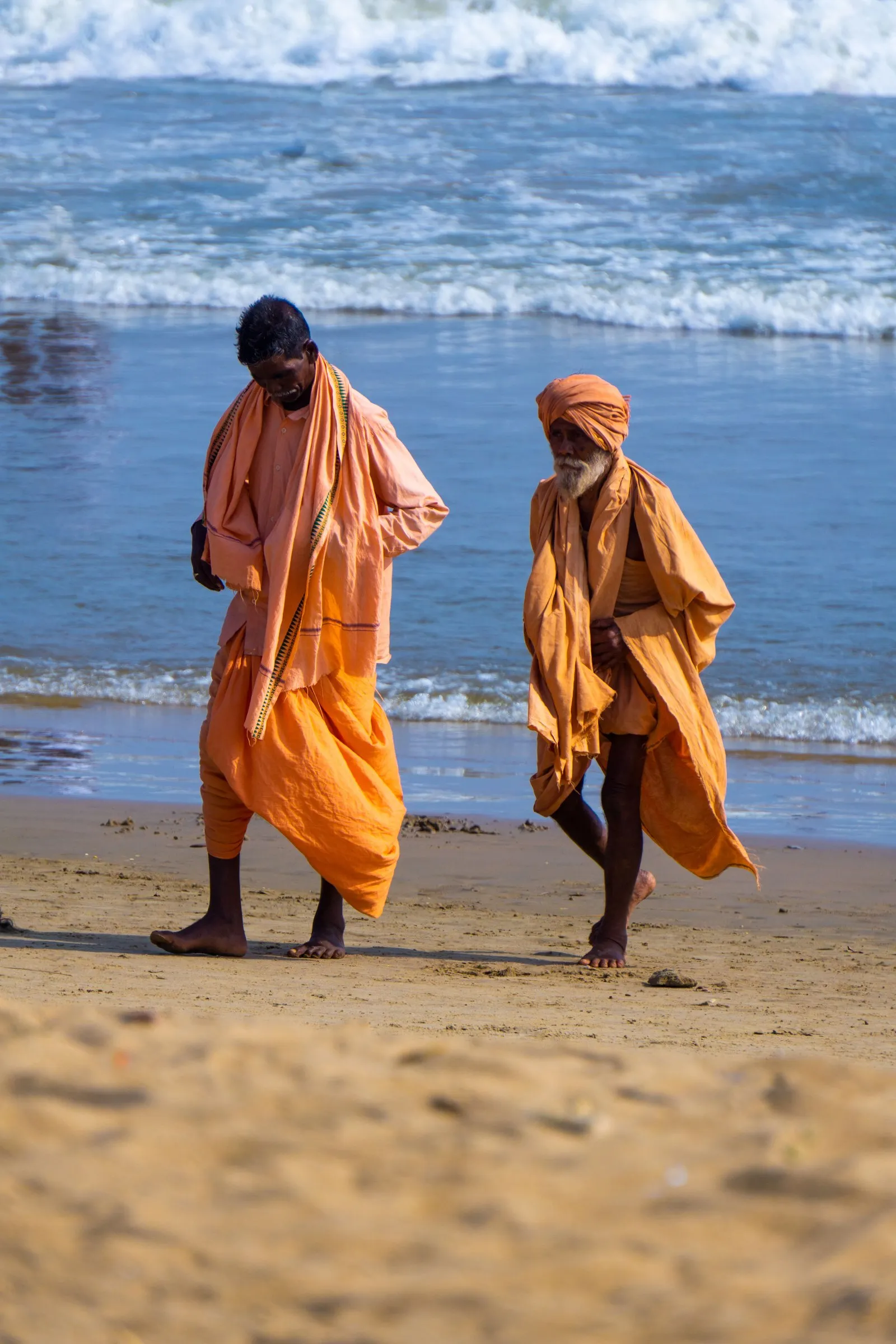
    This is the country of the Ramnami Samaj. From the end of the nineteenth century, barred from the temples, the Ramnamis took the name of Ram as their own and wrote it on their skin; some of the elders are tattooed with it from head to foot, even on their eyelids. Fewer of the young now take the tattoos, but the community still gathers to sing its bhajans in shawls printed with the name. Your guide introduces you, and you ask before taking a photograph.

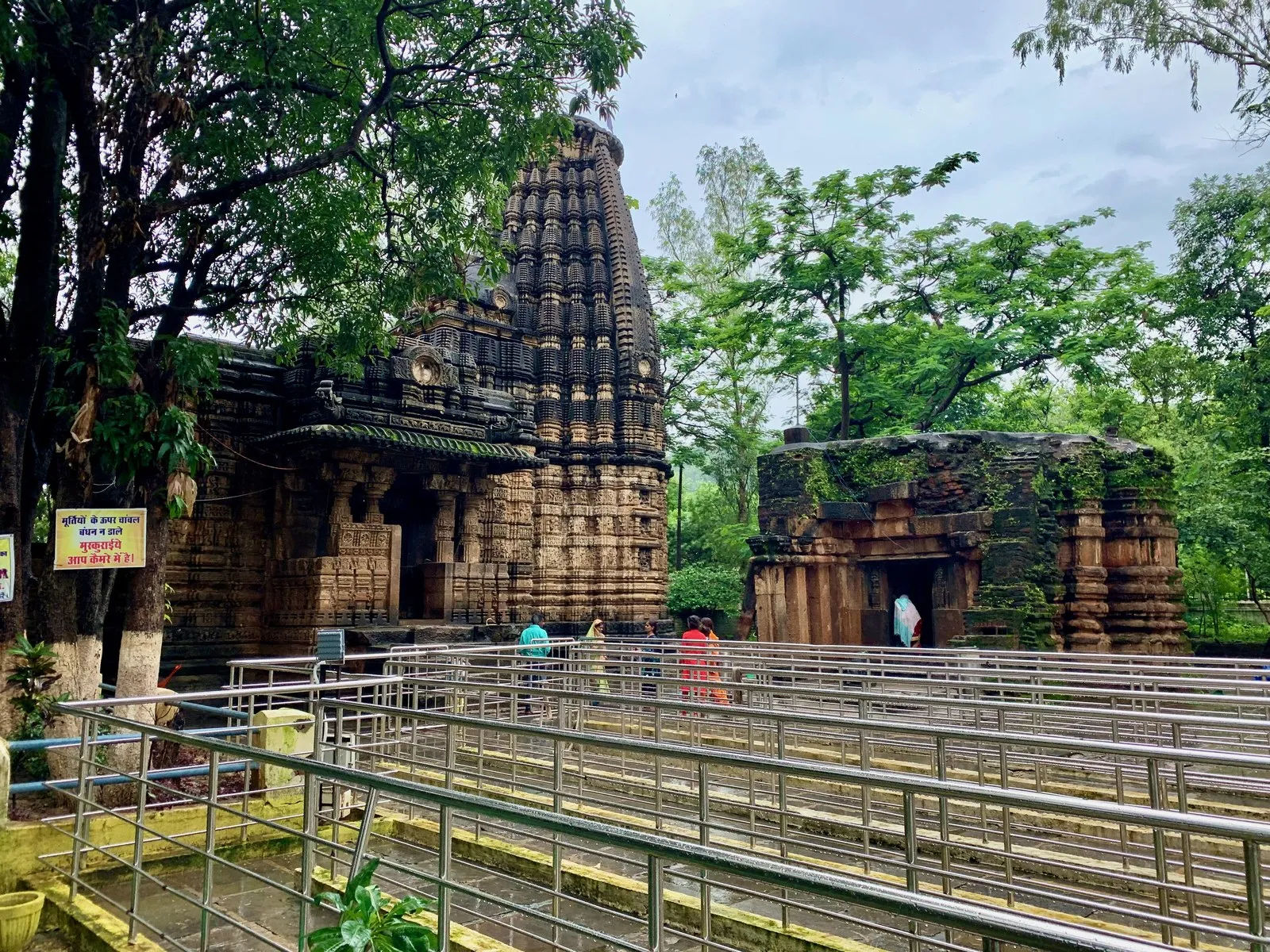
  10. The eleventh-century Bhoramdeo temple and its brick shrine, at the foot of the Maikal hills

    10

    Overnight Bhoramdeo

    200 km · about 4½ hrs

    The temple at Bhoramdeo

    West across the plain to Bhoramdeo, at the foot of the Maikal hills. Its temple to Shiva was built around the eleventh century under the Nagavanshi kings, and for the richness of its carving — gods, dancers, musicians and lovers — it is called the Khajuraho of Chhattisgarh. You stay for the evening worship.

    Nearby are two smaller shrines: the Madwa Mahal, a Shiva temple of the fourteenth century whose inscription says it was built for a royal wedding, and the little Chherki Mahal, in the fields. In the evening, a performance of the folk dances of the region, by the people who dance them at home.

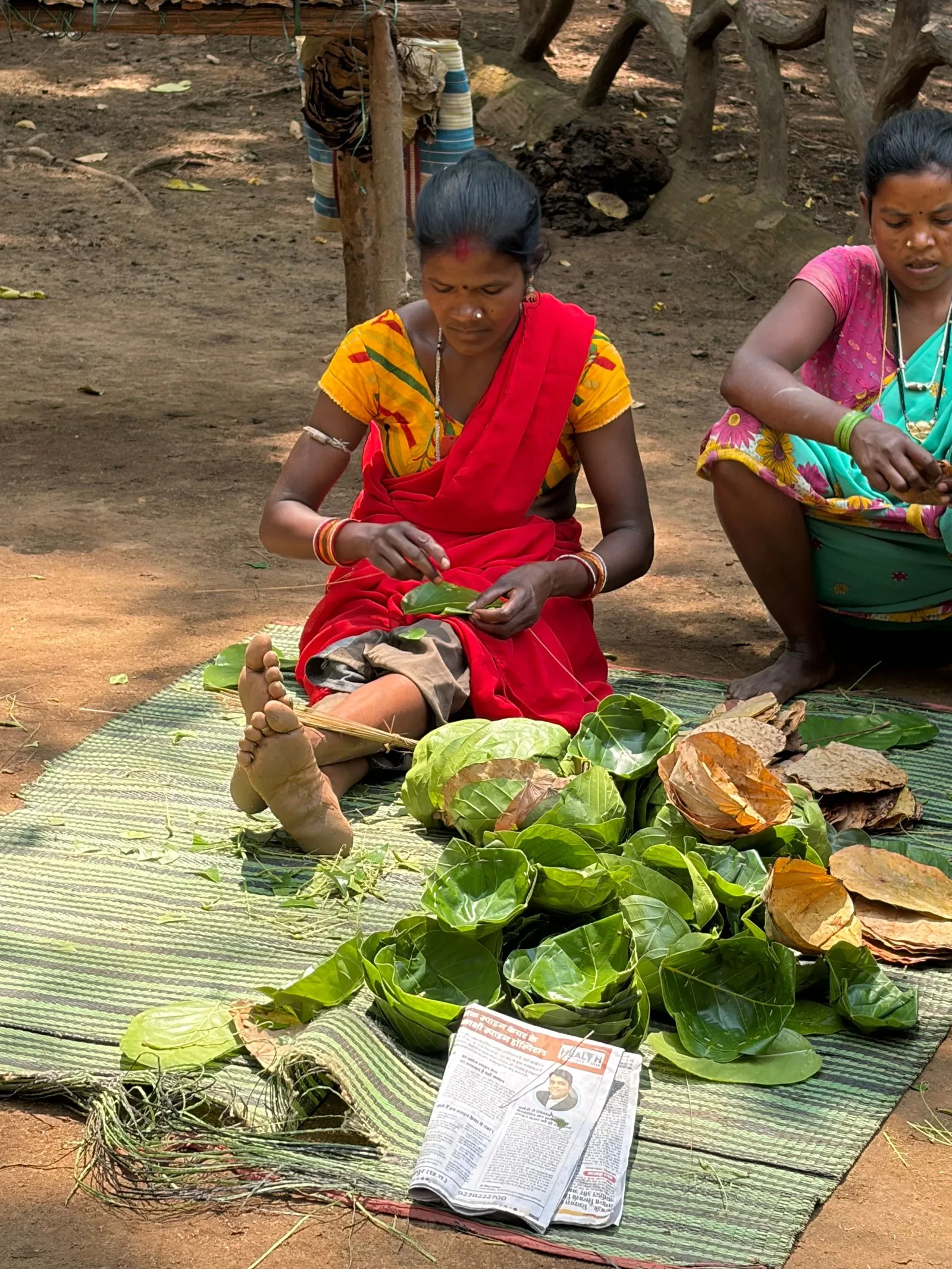
  11. Two women stitching sal leaves into plates in Chhattisgarh

    11

    Overnight Bhoramdeo

    With the Baiga in the Maikal hills

    A day in the hills with the Baiga, who have farmed and foraged in these forests for centuries and are known across central India for their knowledge of forest plants and healing. You visit their villages and their fields, and the old temples scattered through the hills around Bhoramdeo.

    Market day is part of it too, where the Baiga come to trade forest produce and grain. The best known is at Taregaon, on Fridays; on other days your guide takes you to the market that falls on the day. Several Baiga and Gond villages were moved out of the forest when Kanha became a national park; tomorrow you drive into it.

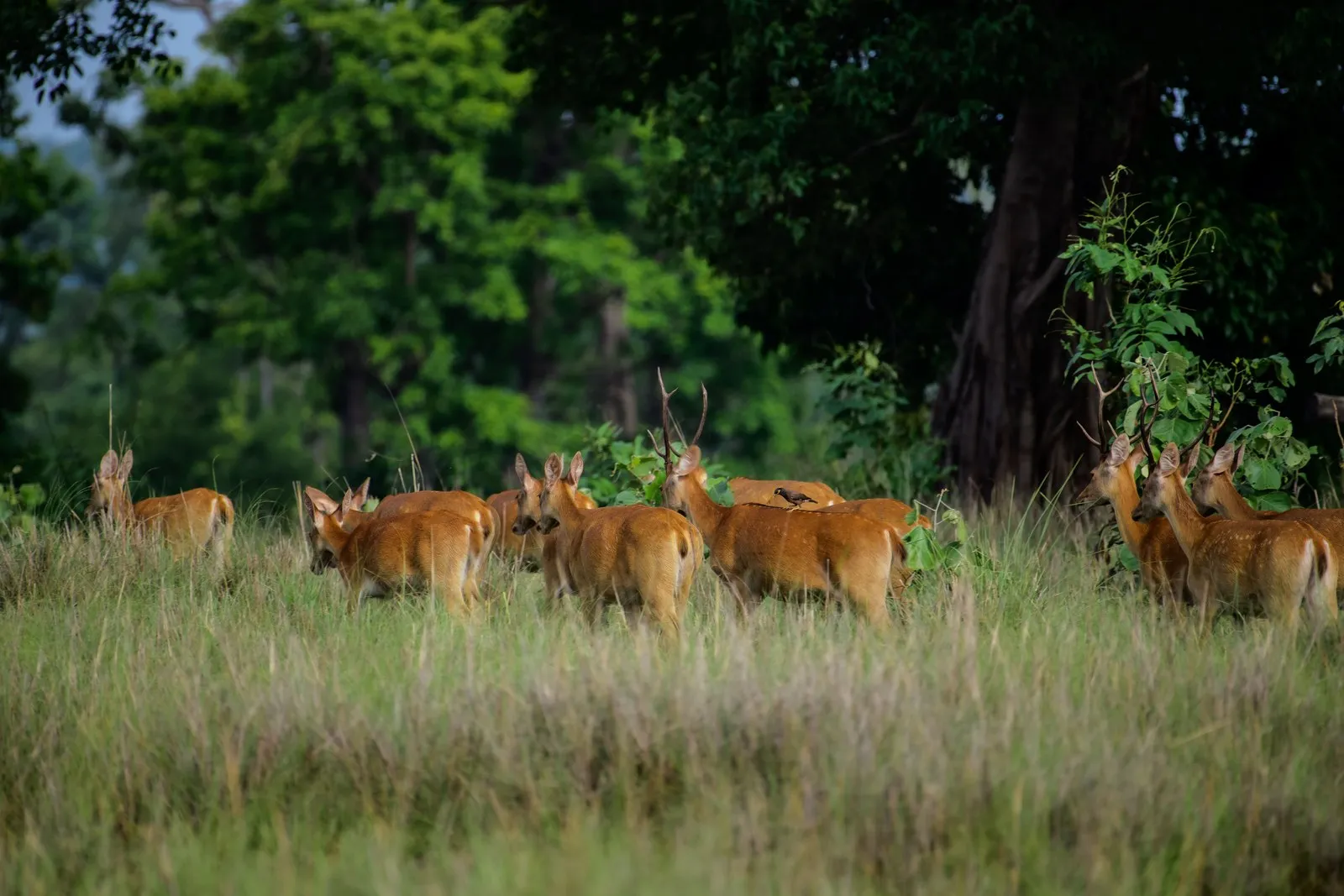
  12. A herd of barasingha, the hard-ground swamp deer, in Kanha National Park

    12

    Overnight Kanha

    90 km · about 2 hrs

    Bhoramdeo – Kanha

    A short drive over the Maikal hills into Madhya Pradesh, to your lodge at Kanha National Park. Its sal forest and open meadows were protected as sanctuaries in the 1930s and became a national park in 1955, and in 1973 Kanha was one of the first reserves of Project Tiger. The park closes to safaris on Wednesday afternoons, so the rest of the day is yours.

    Kanha is also where the barasingha was brought back. By 1970 fewer than a hundred of these hard-ground swamp deer were left, all of them here; careful protection of their meadows has brought them back to several hundred, and you are likely to see a herd.

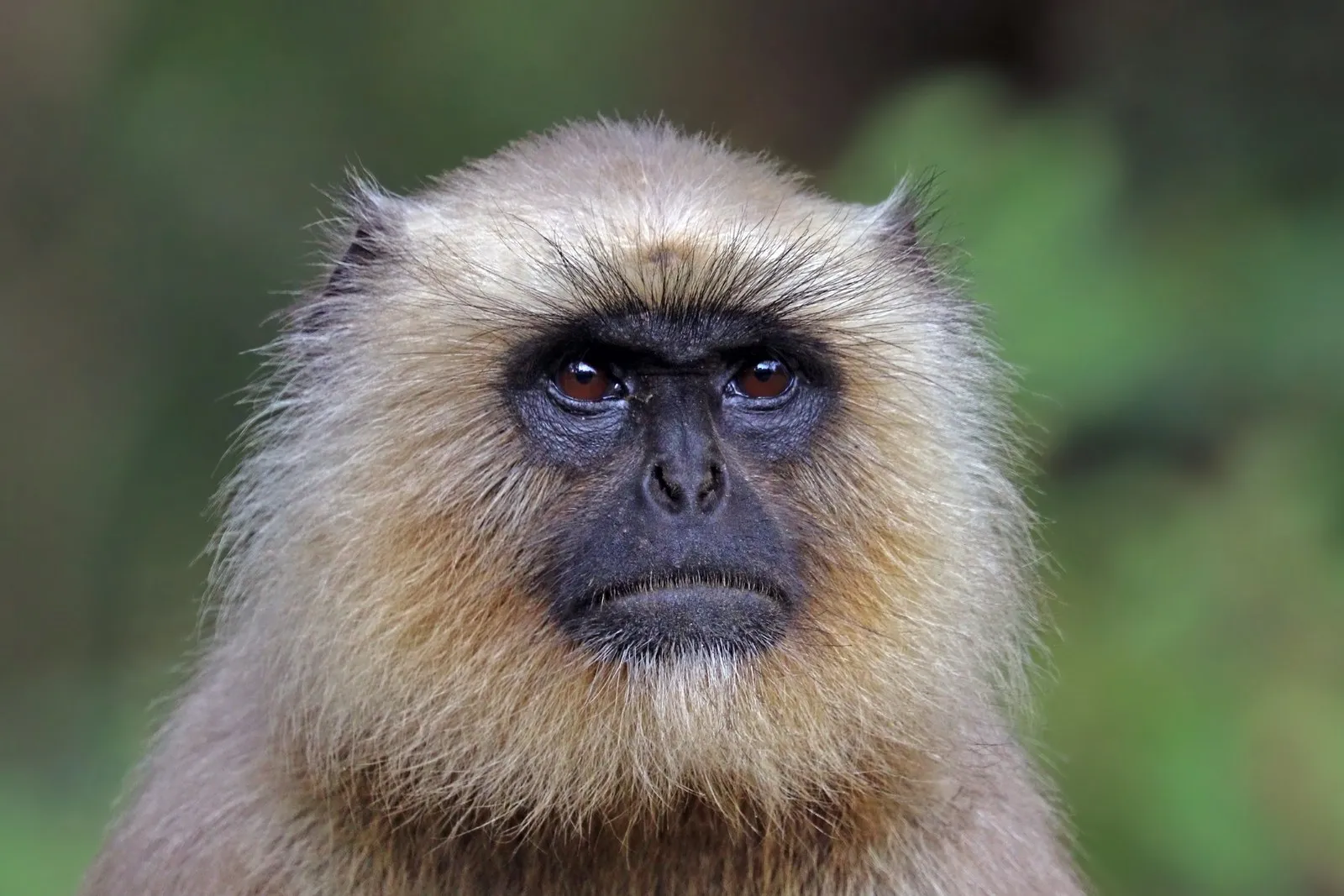
  13. A grey langur in Kanha National Park

    13

    Overnight Kanha

    Two safaris in Kanha

    Two drives today, at first light and in the afternoon, in an open jeep with a naturalist, through sal forest, bamboo and the great meadows of Kanha the park calls maidans. The tiger is why most people come, and Kanha is one of the better places in India to see one, but no one can promise it. You are far more likely to see chital, barasingha, sambar, gaur, wild boar and langurs.

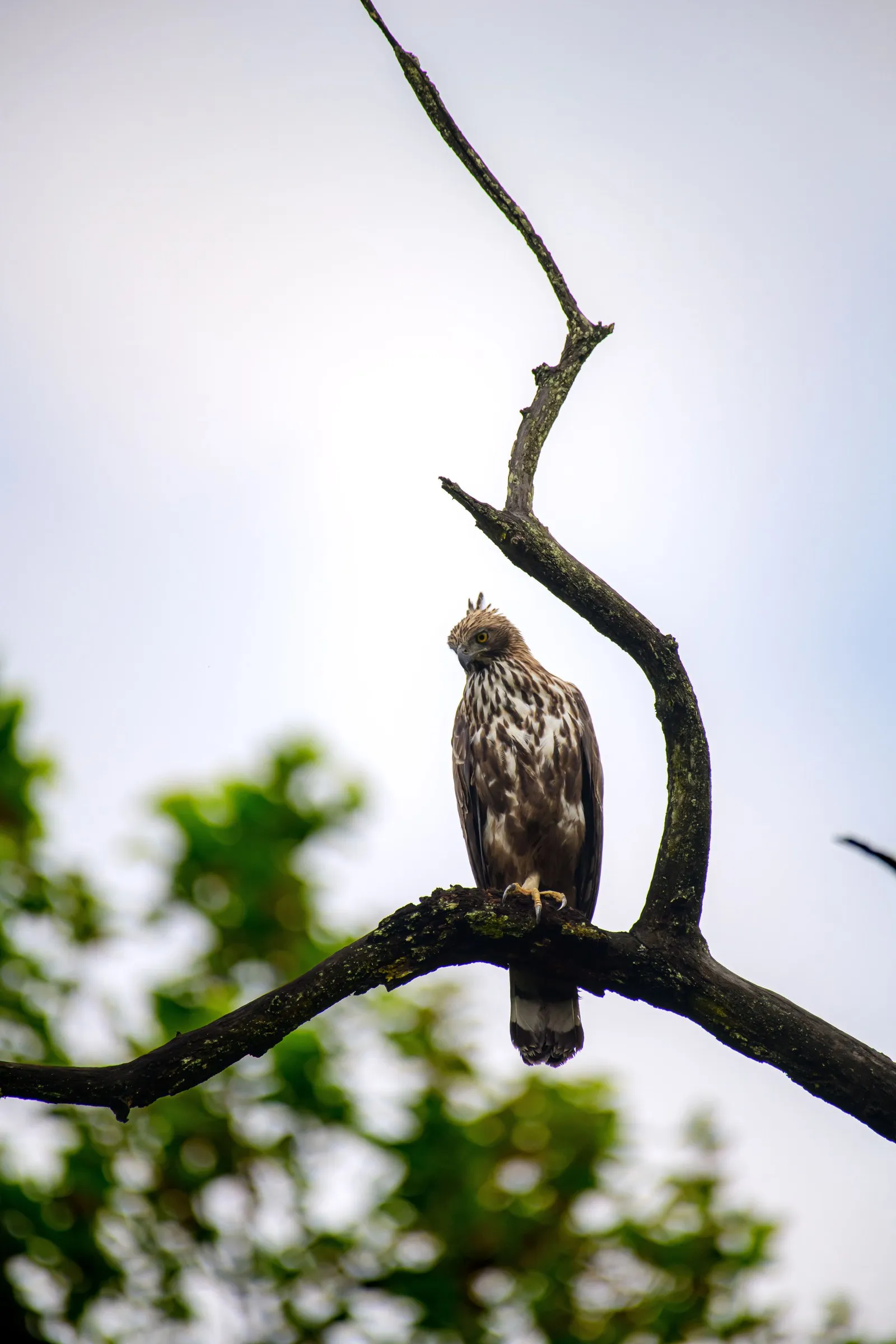
    Kanha is as good for birds: the crested serpent eagle and the hawk eagle, the racket-tailed drongo, the Indian roller, the white-breasted kingfisher, the grey hornbill, woodpeckers, parakeets and babblers, and peafowl in the clearings.

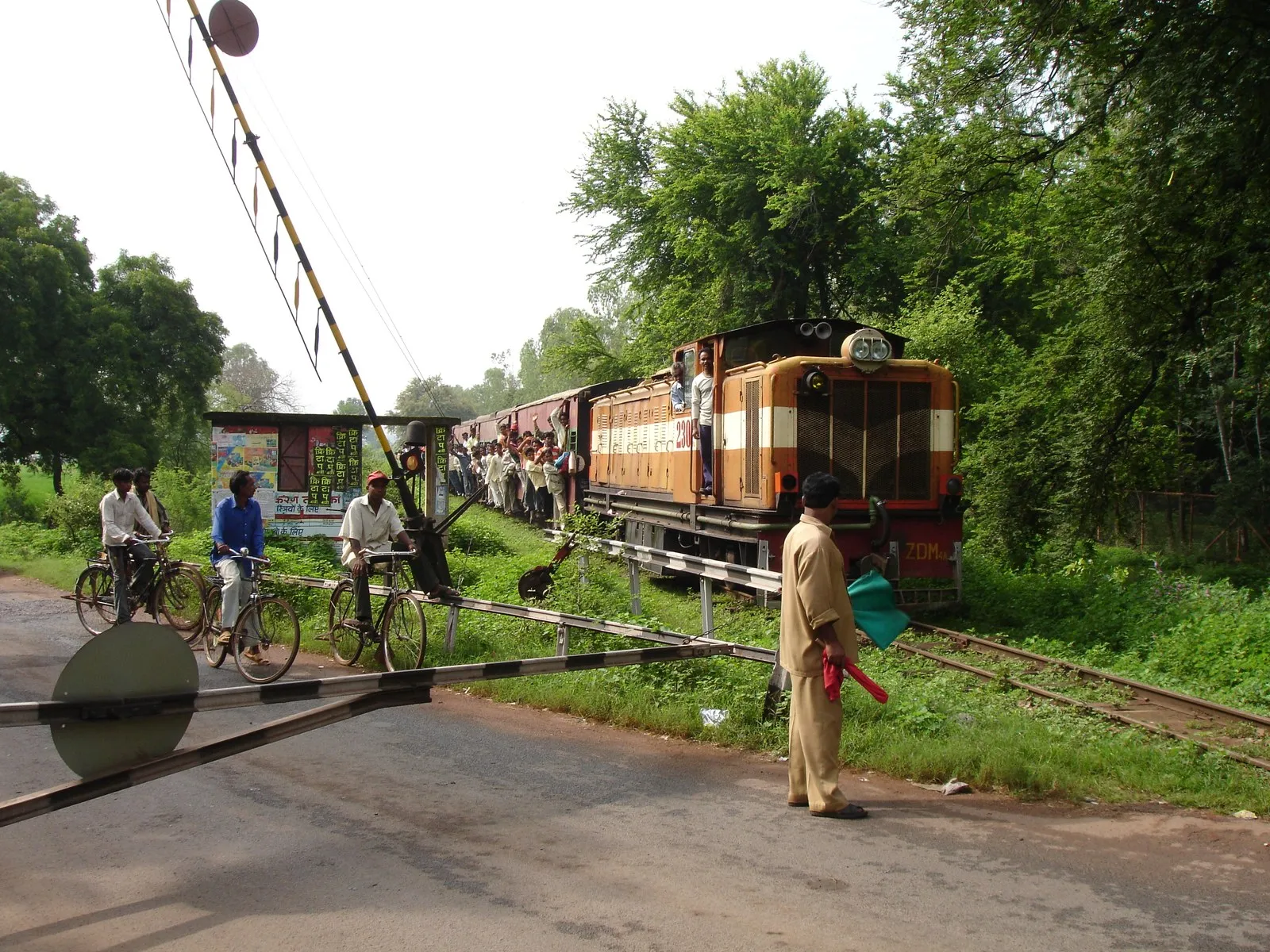
  14. A narrow-gauge train crossing a village road on its way to Raipur

    14

    Departure

    220 km · about 5 hrs

    Kanha – Raipur, and home

    A last breakfast at the lodge, then the drive back over the Maikal hills to Raipur airport, for your flight home or on to your next journey.

Like the route? We will write it for your dates.

The price

What the price covers

The commonest reason travellers abandon an enquiry is not knowing what is covered. Every Rang Travels quotation itemises it — this is the usual shape for this journey.

Included

  • 13 nights with breakfast: hotels in the towns, and a lodge at Kanha
  • A private air-conditioned car with driver from Bhubaneswar to Raipur
  • An English-speaking guide who knows the tribal areas, for the whole journey
  • Two jeep safaris in Kanha National Park with a naturalist
  • The Bison Horn Maria dance, and the evening of folk dance at Bhoramdeo
  • Airport transfers, tolls, parking and the driver’s allowances

Not included

  • Flights to Bhubaneswar and home from Raipur
  • Lunches and dinners
  • Monument entrance and camera fees
  • Visa, travel insurance and tips

Price on request

Quoted to your dates,
your hotels and your pace

Before you book

The villages, the markets and the season

This is a journey among people, not sights. Please read these before you confirm.

In the villages and markets

  • The communities you meet are hosts, not a show. The weekly markets are where they come to trade; nobody is there to be looked at.
  • Photograph people only where your guide says it is welcome, and ask first. Never photograph the Bonda, the Dongria Kondh or anyone else without their consent, and take a refusal with good grace.
  • Please do not hand out sweets, money or presents in the villages. If you would like to give something, ask your guide how best to do it.
  • Dress modestly, with shoulders and knees covered, and follow your guide’s lead on where to sit, stand and walk.

The market days

  • The journey is built around weekly markets that keep fixed days: Chatikona on Wednesdays, Onkadelli on Thursdays and Lohandiguda on Fridays. It starts on a Saturday so that each falls on the right day.
  • A festival, an election or local events can move or cancel a market at short notice; your guide rearranges the days when that happens.

Temples

  • Only Hindus may enter the Jagannath temple at Puri and the Lingaraj temple in Bhubaneswar; everyone else sees them from outside.
  • Shoes come off at every temple, and the stone can be hot by midday.

Roads, hotels and Kanha

  • Several days are long drives on country roads through the hills.
  • Outside Bhubaneswar and Puri the hotels in the hill towns are simple: clean and comfortable rather than grand.
  • Kanha National Park is closed from July to mid-October, and to safaris on Wednesday afternoons.
  • Parts of Bastar and the Koraput hills lie in districts where some governments advise caution. Check your government’s travel advice before you book, and that your travel insurance covers the whole route; we plan every day with our local teams and drive in daylight.

Questions

Before you go

The questions travellers ask about this journey, answered from the itinerary itself. Anything else — ask, and a curator replies.

When is the best time to go?

November to March, when the days are dry and warm and the nights cool in the hills. The monsoon, from June to September, makes the hill roads hard going, and Kanha is closed from July to mid-October.

Why does the journey start on a Saturday?

Because the weekly markets keep fixed days. Starting on a Saturday puts you at Chatikona on its Wednesday, Onkadelli on its Thursday and Lohandiguda on its Friday.

Can I photograph the people we meet?

Only where your guide says it is welcome, and always ask first. Some communities, the Bonda above all, would rather not be photographed at all, and their wishes come first.

How demanding is it?

Not physically hard: the village walks are short and gentle. But there are long days in the car on country roads, and the hotels in the hill towns are simple.

Will we see a tiger at Kanha?

Perhaps. Kanha is one of the better parks in India for tigers, but they are wild and no one can promise a sighting. Barasingha, chital, gaur and langurs are all but certain.

Can we add days?

Yes. Another night at Kanha for more safaris, or a night by Chilika Lake at the start, both fit well. Ask, and we will write them in.

The gallery

On the road

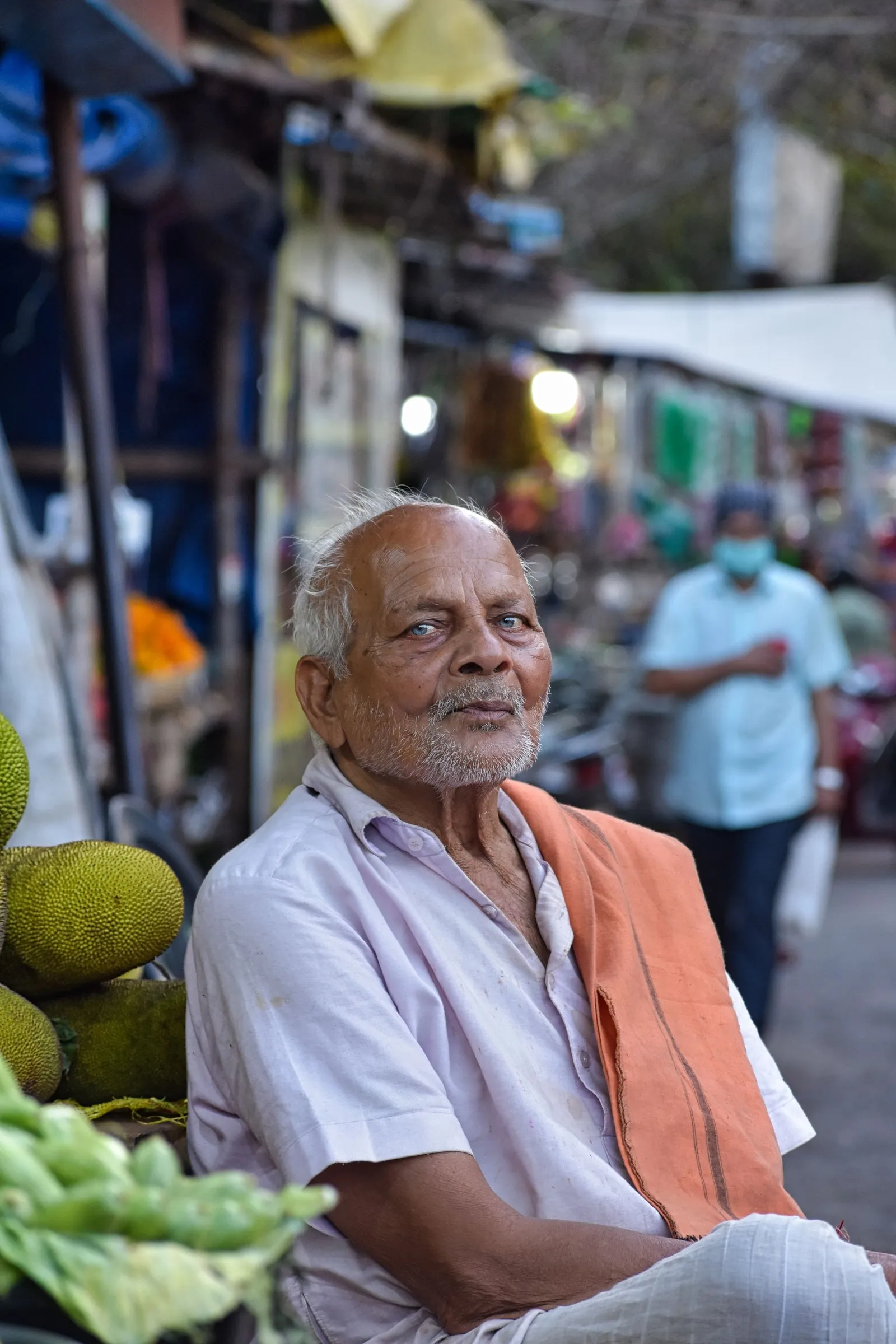
  • An elderly man at a street market in Bhubaneswar
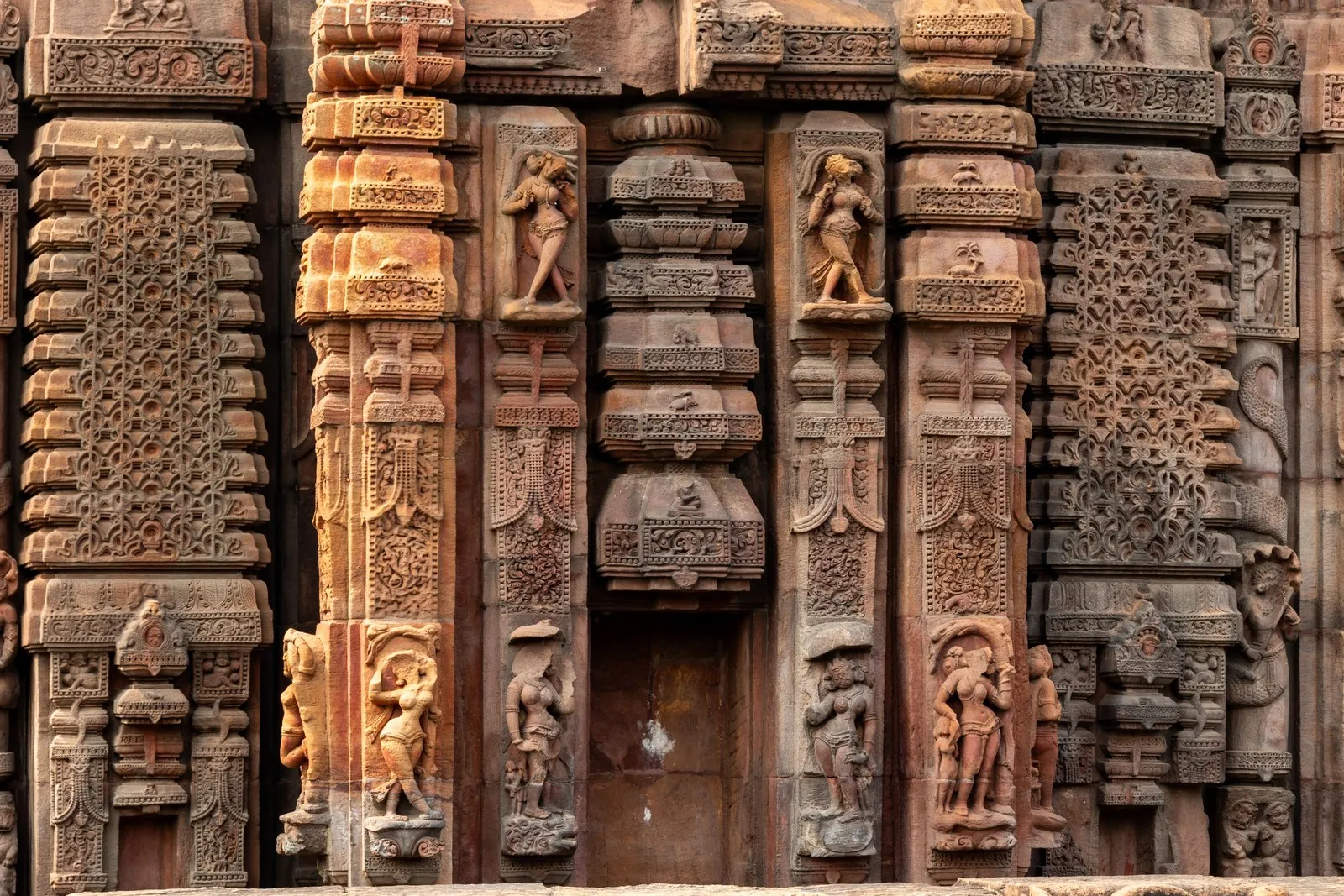
  • Carved sandstone on a temple wall in Bhubaneswar
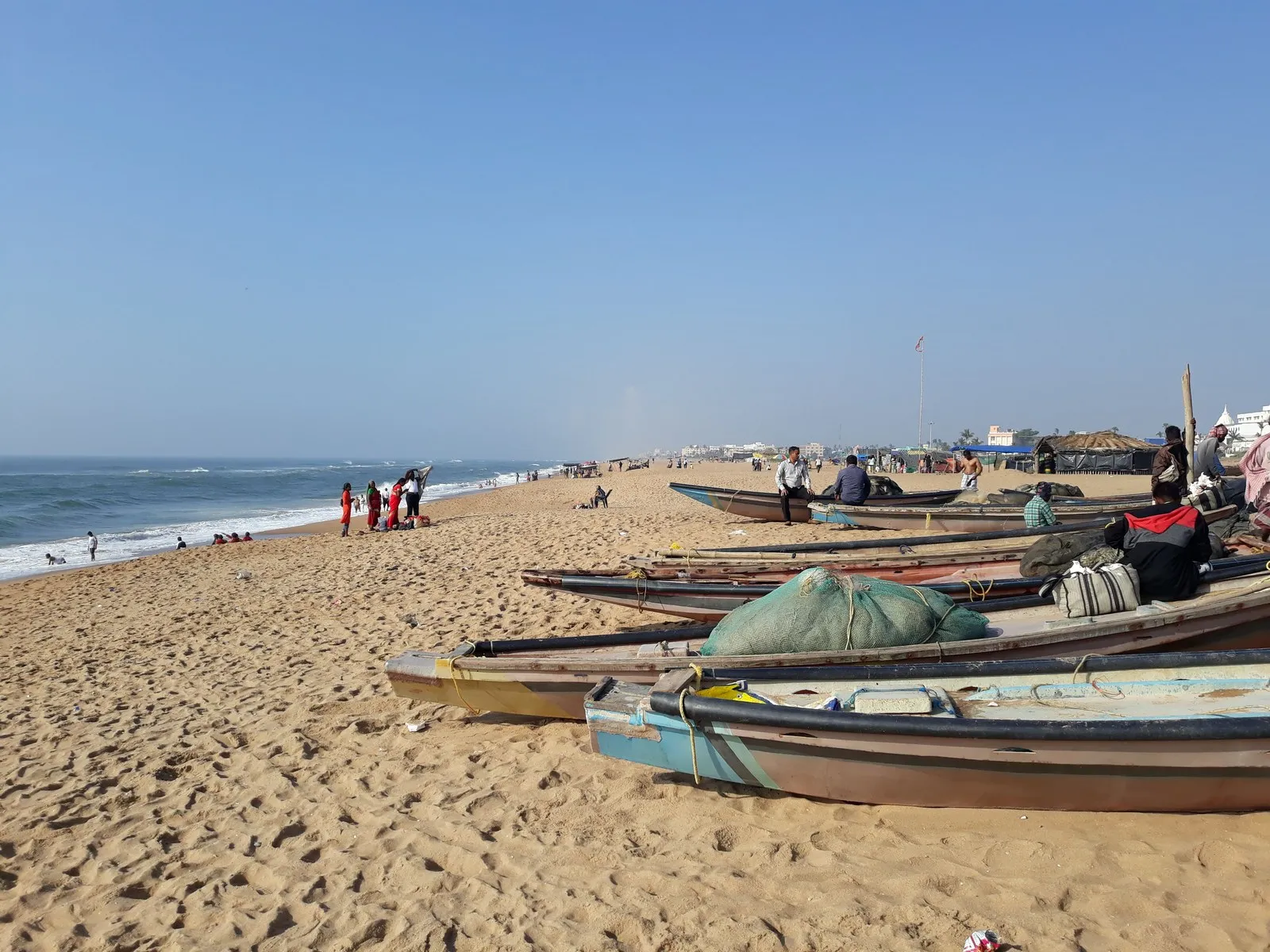
  • Fishing boats drawn up on the beach at Puri
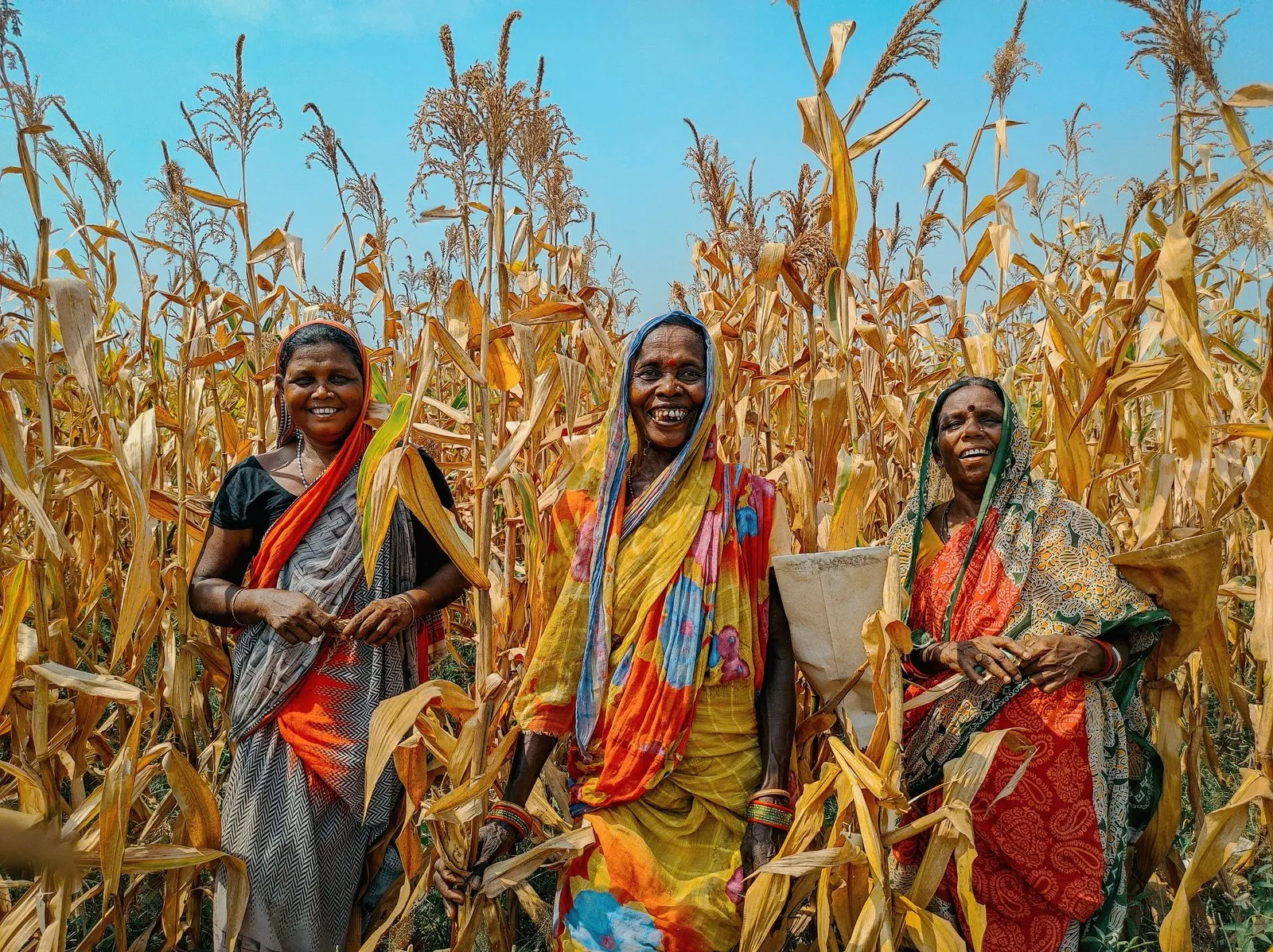
  • Women harvesting maize in a field in rural Odisha
  • A crested serpent eagle on a bare branch at Kanha

Reviews

In their own words

Word for word, several in Italian, because Italy found us early. 5.0 from 146 reviews on Google, and 5.0 from 200 on TripAdvisor.

I had an incredible adventure with Rang Travels in Northern India earlier this year! The tour was jam packed. I loved the beautiful forts and buildings we visited, the markets, as well as the stunning World Heritage hotels. This tour gave me a real taste for India, and I felt very comfortable for my first time visiting!

Read the whole review on Google

Jess Foster

Northern India · May 2025

1 / 19

Enquire

Plan my journey

Tell us where your India begins — we reply with a written itinerary.

Travellers
When, roughly
Interests
Or ask on WhatsApp

No obligation. We reply with a written itinerary, not a sales call.