Rang Travels — explore the colors of India
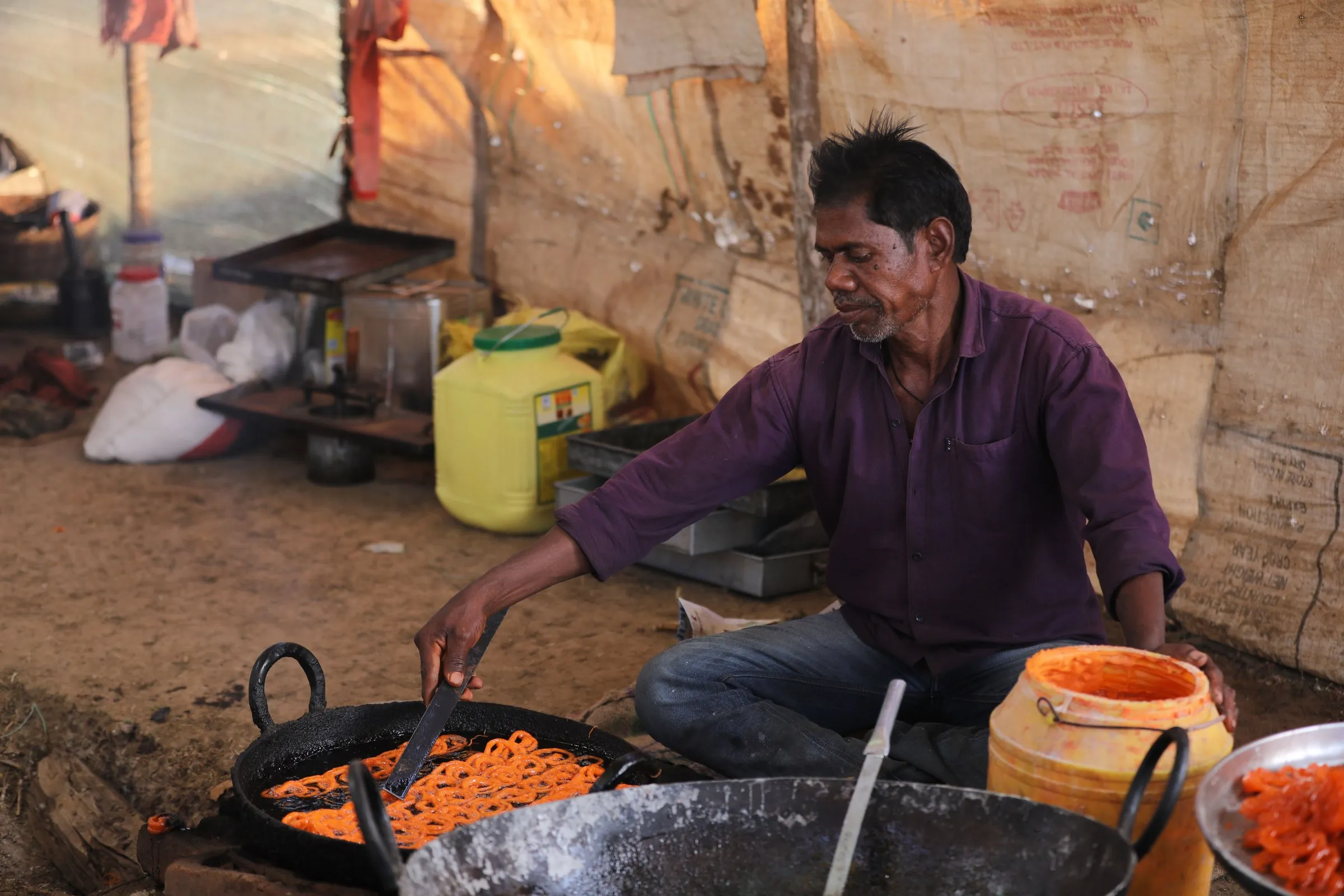
A halwai frying jalebis at a stall in Chhattisgarh

Festival · Tribal · Wildlife

Rajim Mela, Tribal Chhattisgarh & Odisha

Chhattisgarh’s river fair, Kanha, the markets of Bastar and Koraput, and Odisha’s coast

See the day-by-day
Duration
18 days · 17 nights
Halts
18
Delhi to Delhi
Departure
1 – 18 March 2027
Price
On request
quoted to your dates

The journey

Eighteen days in March 2027 around the Rajim Mela: Kanha, Bhoramdeo, the tribal markets of Bastar and Koraput, Chilika’s birds and Odisha’s temples.

Every year, from Maghi Purnima to Maha Shivratri, pilgrims, sadhus and village families from all over Chhattisgarh come to Rajim, where the Mahanadi, the Pairi and the Sondur meet — the Prayag of Chhattisgarh. For a fortnight the banks around the Rajiv Lochan temple fill with bathing, worship, processions and a great fair, and on Maha Shivratri it ends. This journey is at Rajim for the last two days, 5 and 6 March 2027, and sets them among the Adivasi villages and markets of Bastar and southern Odisha.

Before the fair come Kanha’s sal forest and a Baiga village at its edge, and the carved temple at Bhoramdeo. After it, the bell-metal casters of Kondagaon, the Bison Horn Maria and the Chitrakote Falls; then the weekly markets of the Koraput hills — Chatikona, Onkadelli, Kunduli — and the painted walls of the Lanjia Saura. The last days are on the coast: the birds of Mangalajodi on Chilika, Konark and Puri, and the temples and caves of Bhubaneswar.

Festival calendar
Rajim Mela

Maghi Purnima 20 Feb – Maha Shivratri 6 Mar 2027 · at Rajim 5 and 6 Mar

The Mela runs from Maghi Purnima to Maha Shivratri, by the lunar calendar.

Highlights

What you will remember

  • The last two days of the Rajim Mela, where three rivers meet

  • Jeep safaris in Kanha, and a Baiga village at the forest’s edge

  • The temple at Bhoramdeo, the Khajuraho of Chhattisgarh

  • Kondagaon’s bell-metal casters, the Bison Horn Maria and the Chitrakote Falls

  • The weekly markets of Tokapal, Kotpad, Chatikona, Onkadelli and Kunduli

  • Lanjia Saura villages and their painted walls in the Puttasing hills

  • Mangalajodi by boat, Konark, Puri and the temples of Bhubaneswar

The route

19 halts, in order

  1. Delhi
  2. Raipurpass through
  3. Kanha2 nights
  4. Bhoramdeopass through
  5. Raipur2 nights
  6. Rajimpass through
  7. Kanker1 night
  8. Kondagaonpass through
  9. Jagdalpur2 nights
  10. Rayagada1 night
  11. Chatikonapass through
  12. Jeypore2 nights
  13. Kundulipass through
  14. Rayagada1 night
  15. Puttasingpass through
  16. Gopalpur-on-Sea1 night
  17. Mangalajodipass through
  18. Bhubaneswar3 nights
  19. Delhi

Experiences

The moments it is built around

Everything else on this page is logistics. These are the reasons to come.

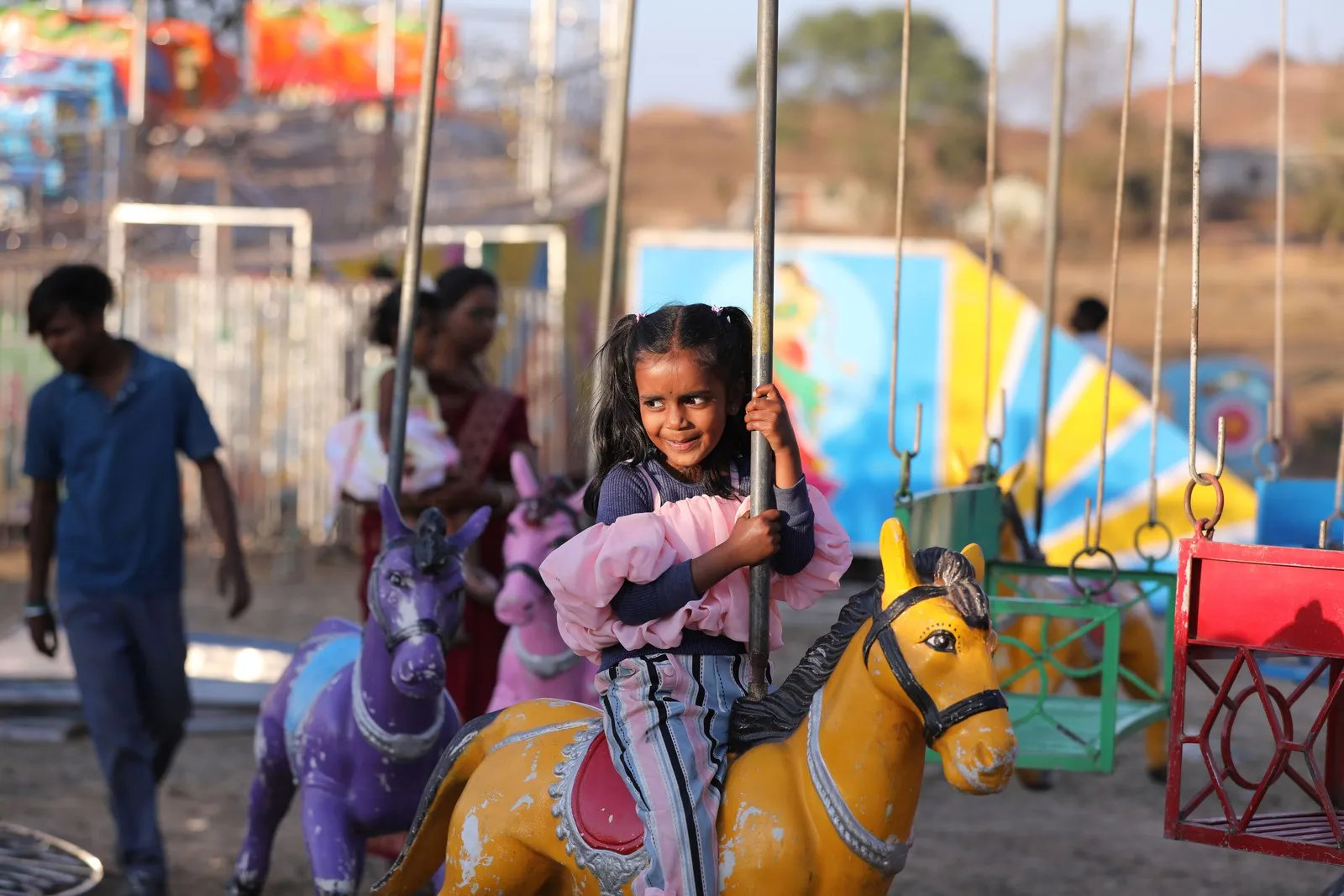
  • A girl on a carousel at a village fair in Kota, Chhattisgarh

    The fair at Rajim

    Pilgrims bathing at the confluence, sadhus and processions, drums, and a fairground that runs for a fortnight.

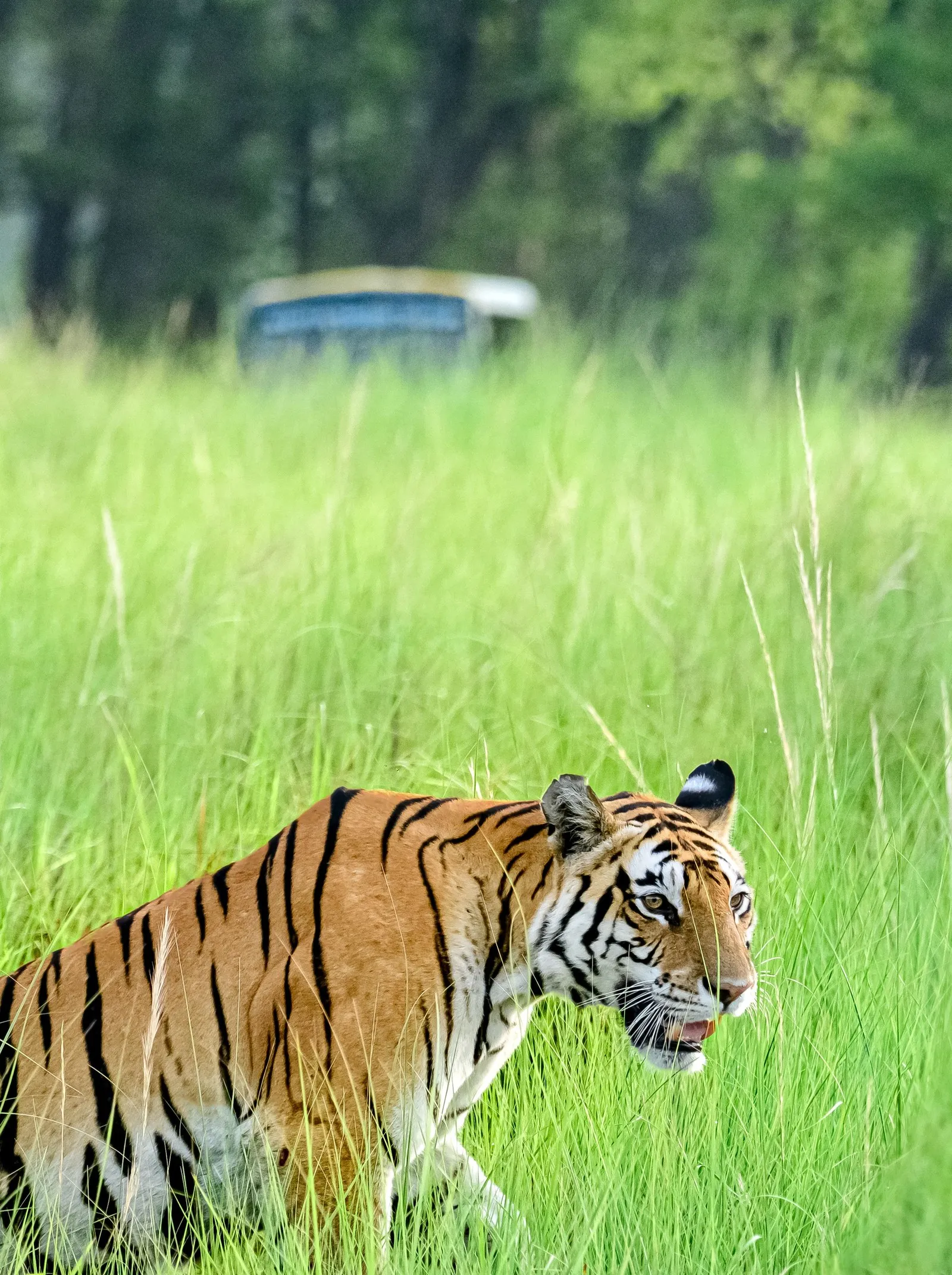
  • A tiger in the tall grass of a Kanha meadow, a safari jeep behind

    Tiger country at Kanha

    Sal forest, bamboo and open meadow: tigers, gaur and the barasingha that Kanha saved from extinction.

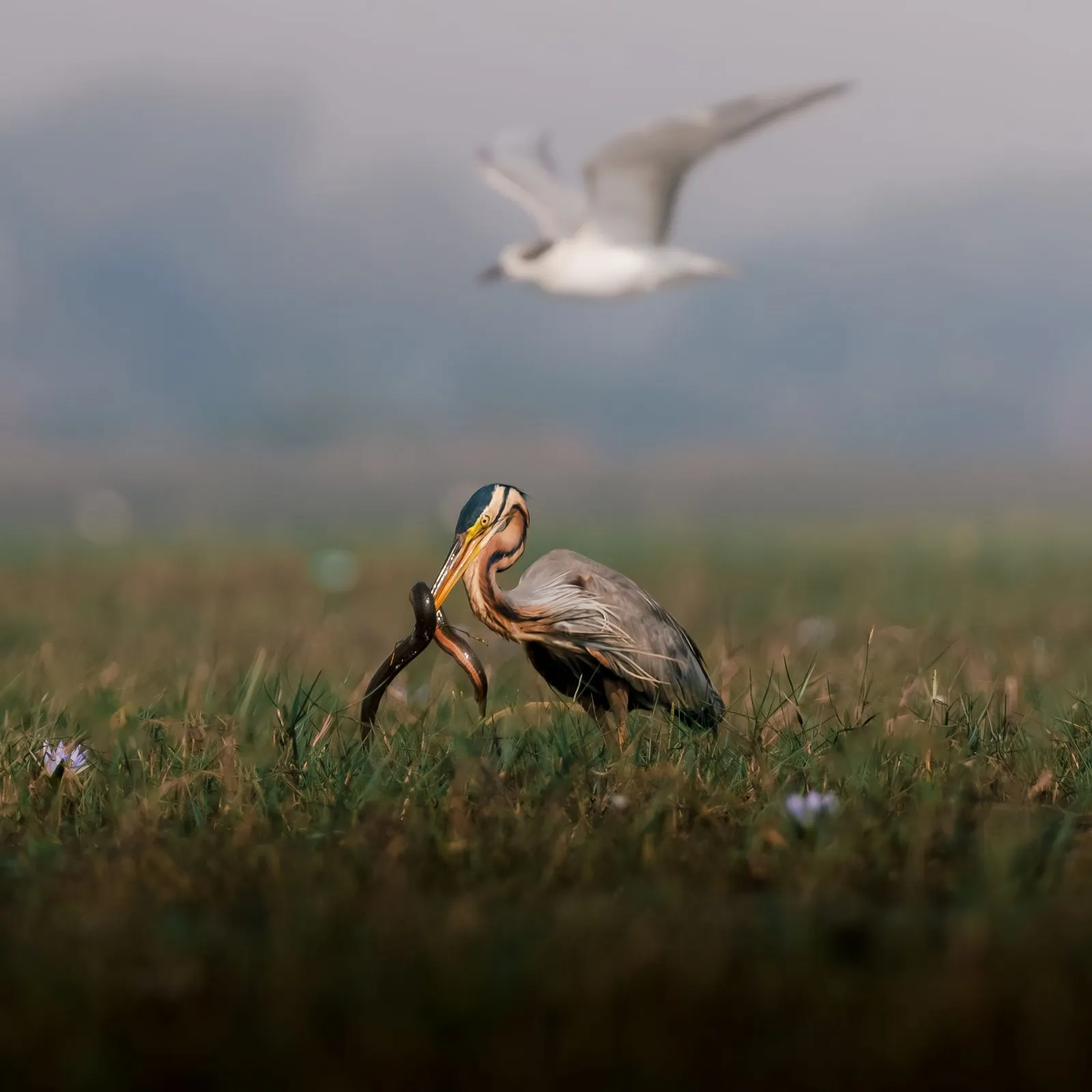
  • A purple heron with its catch in the Mangalajodi wetland

    Mangalajodi by boat

    A country boat poled through the reeds at the edge of Chilika, among herons, egrets, stilts and ducks.

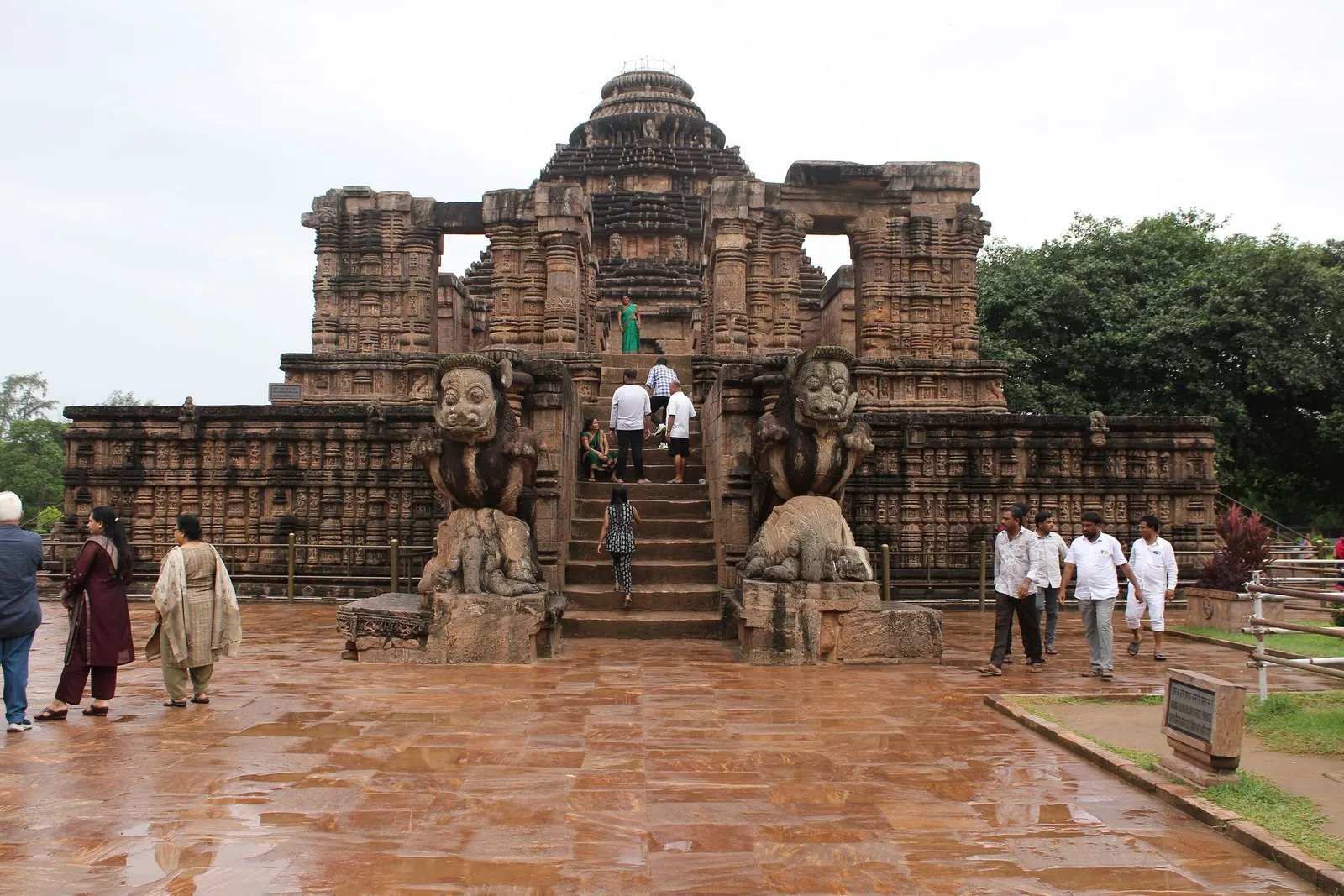
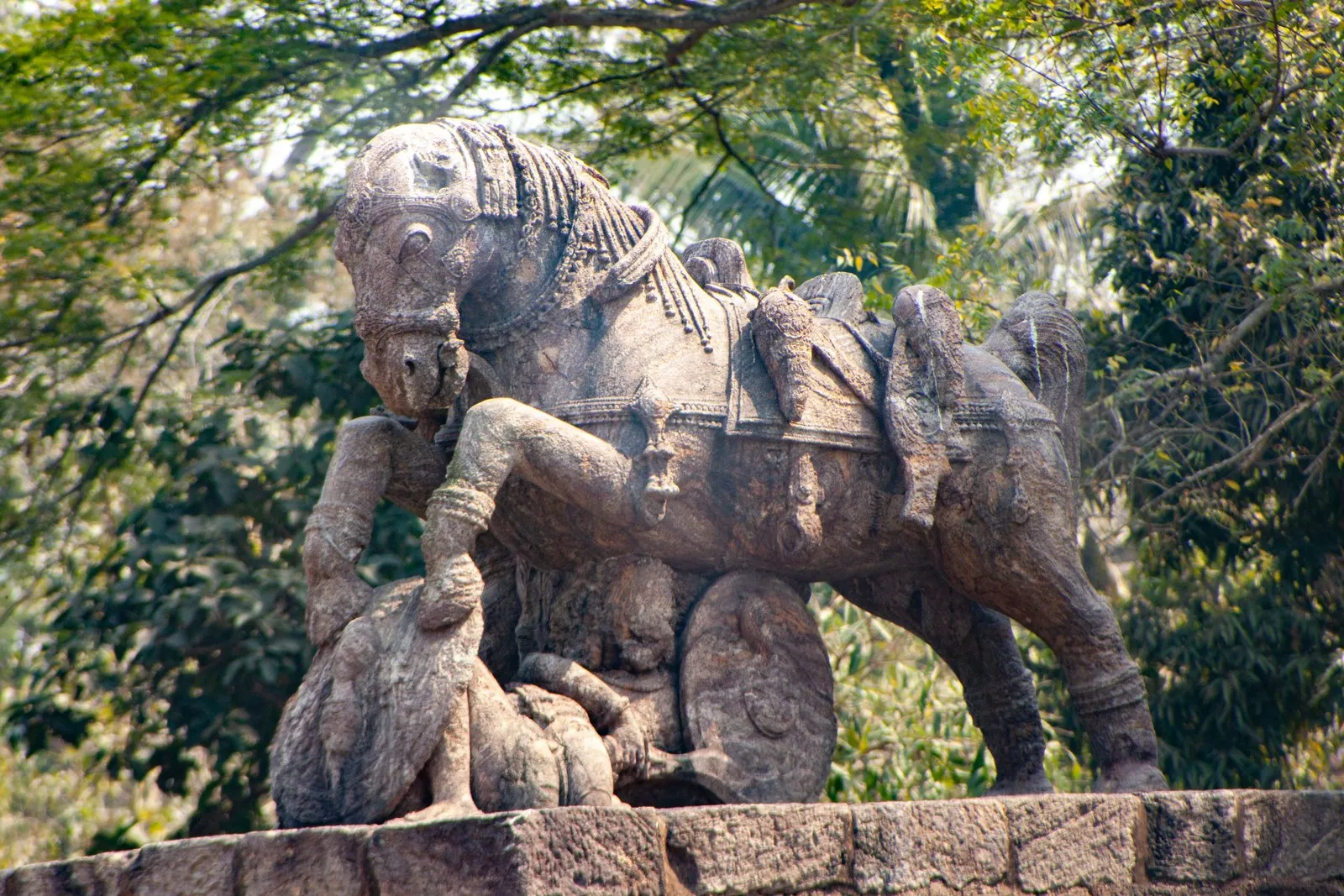
  • The stone war horse beside the Sun Temple at Konark

    Konark’s war horses

    Beside the Sun Temple stand its thirteenth-century guardians, war horses and elephants carved in stone.

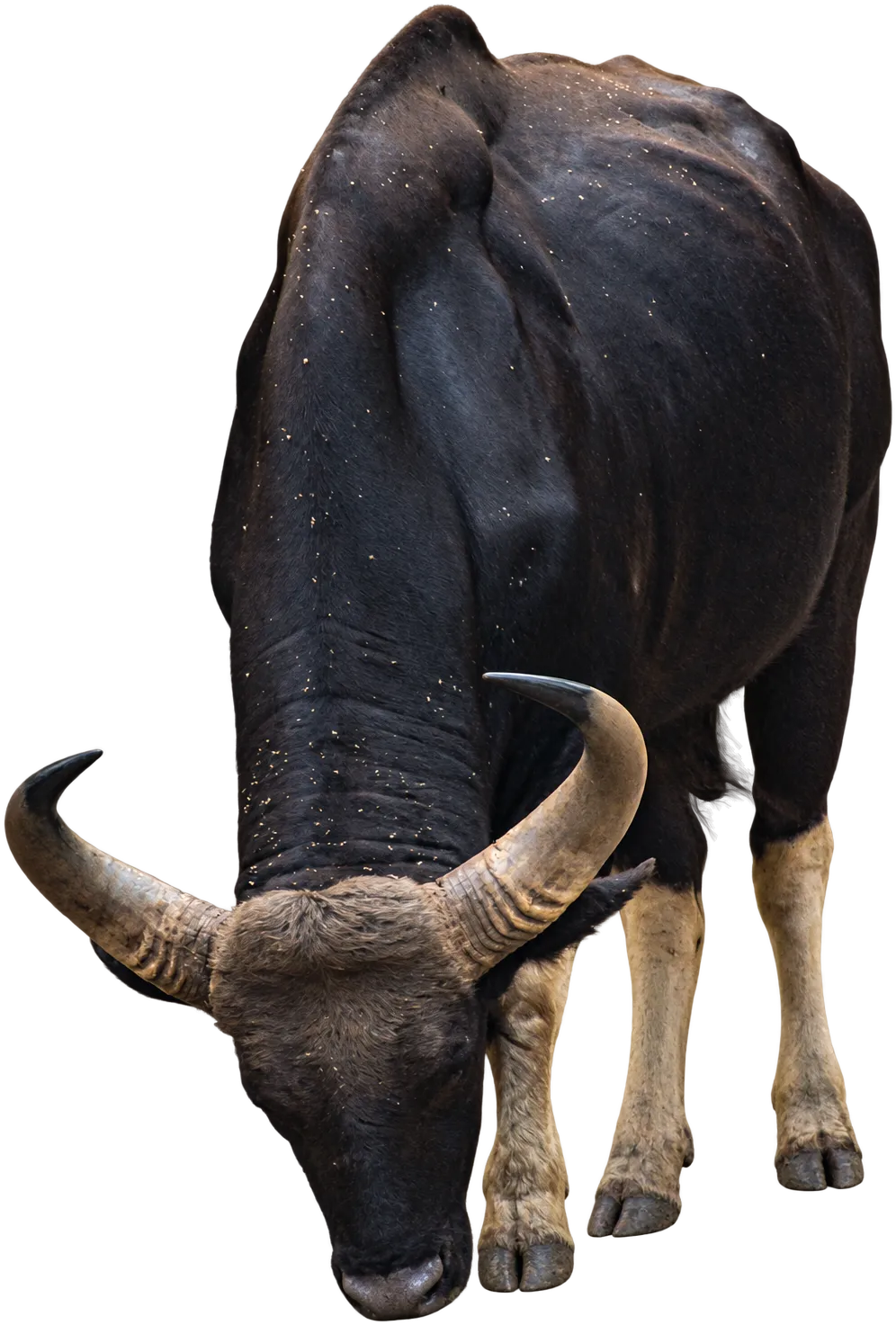
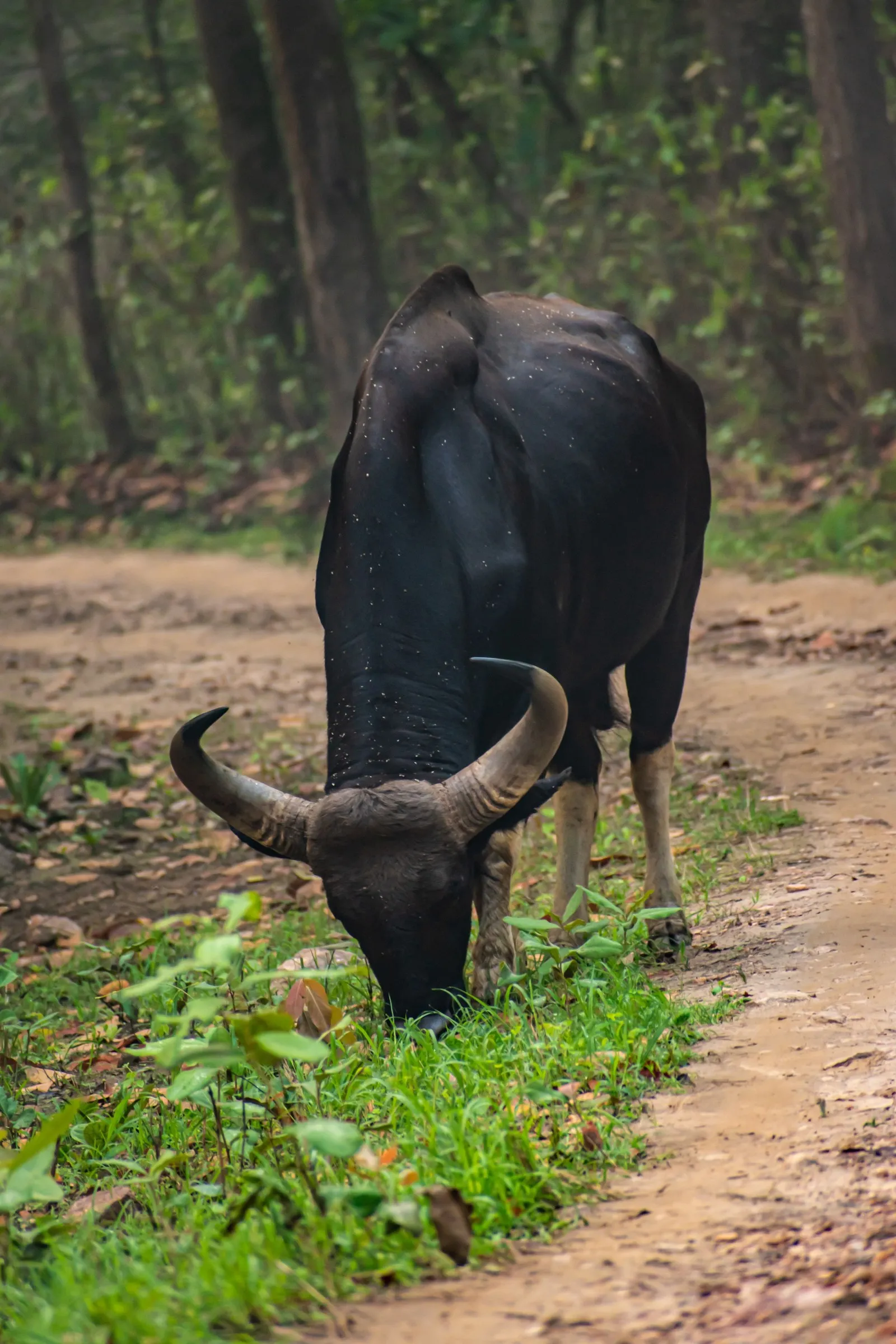
A gaur, the Indian bison, grazing with its horns lowered

Festival · Tribal · Wildlife

Chhattisgarh’s river fair, Kanha, the markets of Bastar and Koraput, and Odisha’s coast

18 days, 17 nights

The route, day by day

Every halt, every overnight and every drive, published in full.

  1. Delhi
  2. Raipur
  3. Kanha
  4. Bhoramdeo
  5. Raipur
  6. Rajim
  7. Kanker
  8. Kondagaon
  9. Jagdalpur
  10. Rayagada
  11. Chatikona
  12. Jeypore
  13. Kunduli
  14. Rayagada
  15. Puttasing
  16. Gopalpur-on-Sea
  17. Mangalajodi
  18. Bhubaneswar
  19. Delhi
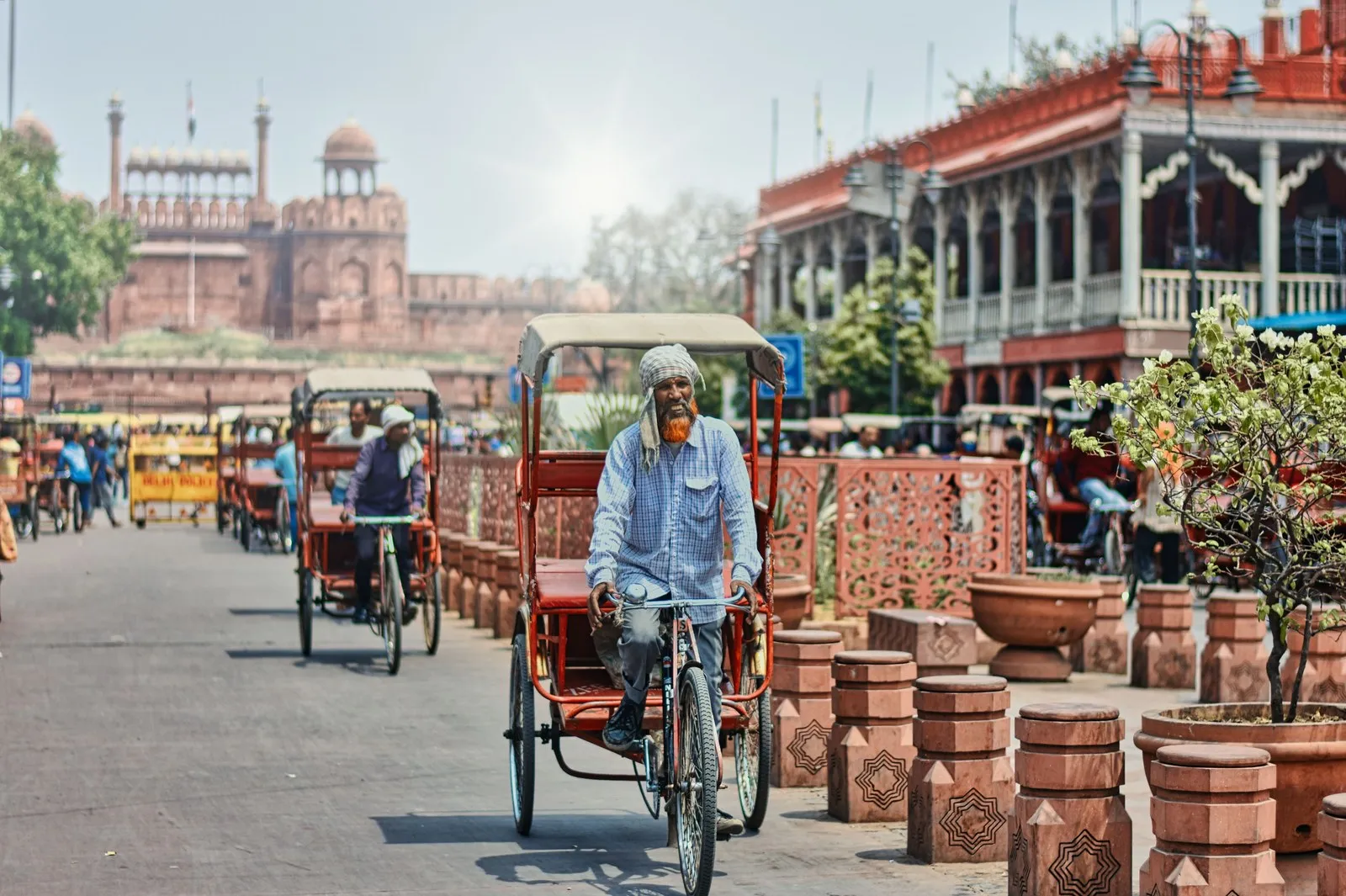
  1. Cycle rickshaws near Chandni Chowk, the Red Fort behind

    01

    1 March 2027

    Overnight Delhi

    Arrival, and a day in Delhi

    Met at Delhi airport and driven to your hotel, then a full day in the city with a local guide. It starts on foot in Old Delhi, then by cycle rickshaw through the lanes of Chandni Chowk, past spice sellers, silversmiths and sweet shops, to the Jama Masjid, the great mosque Shah Jahan built in the seventeenth century.

    In the afternoon, Humayun’s Tomb, the Mughal garden tomb that set the pattern for the Taj Mahal, and the Qutub Minar, the fluted sandstone tower of the first Delhi sultans, begun around 1200. The day ends at Gurudwara Bangla Sahib, the city’s best-known Sikh shrine, where the langar kitchen serves a free meal to everyone who comes, whatever their faith.
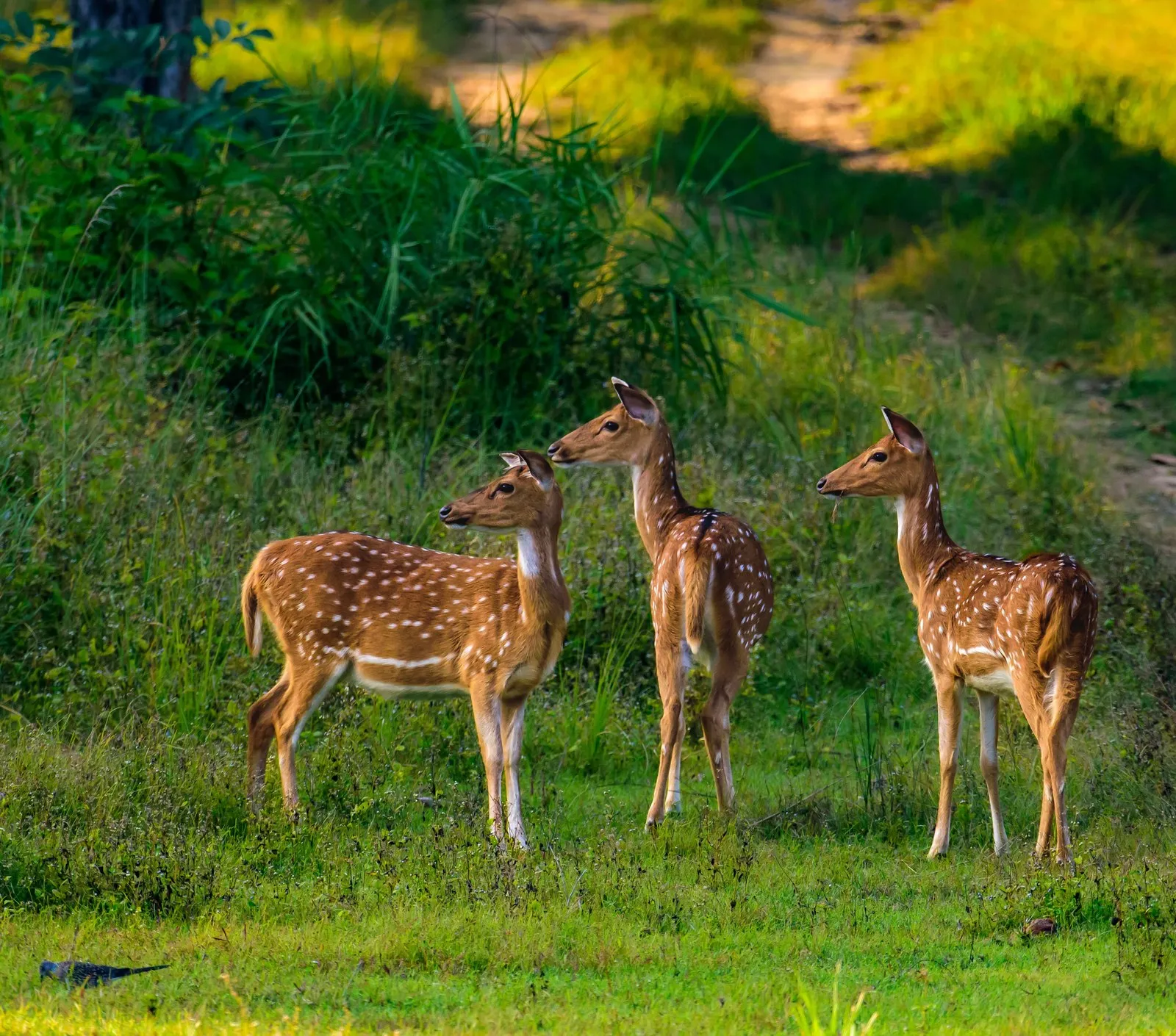
  2. Three chital, the spotted deer, at the edge of a meadow in Kanha

    02

    2 March 2027

    Overnight Kanha

    Flight Delhi – Raipur · then 250 km · about 6 hrs

    Fly to Raipur, drive to Kanha

    A morning flight south to Raipur, the capital of Chhattisgarh, where your driver meets you for the long drive north-west, across the plains and over the Maikal hills into Madhya Pradesh, to Kanha. Check in at your lodge at the edge of the forest; the evening is yours.

    Kanha’s tiger reserve is sal forest, bamboo and wide grassy meadows, and it is known above all for the barasingha, the hard-ground swamp deer. Around 1970 fewer than a hundred were left, all of them here; protecting their meadows brought them back from the edge, and today there are several hundred.

  3. A gaur grazing beside a forest track in Kanha

    03

    3 March 2027

    Overnight Kanha

    A safari, and a Baiga village

    Out at first light, the best hours for wildlife, on a jeep safari in Kanha National Park with a naturalist who knows it well. You look for tigers, leopards, gaur, chital, sambar and the barasingha, and for the birds of the sal forest. No one can promise a tiger, but Kanha is one of the better places in India to look for one.

    The park is closed to safaris on Wednesday afternoons, so the afternoon goes to a Baiga village near the park. The Baiga are the forest people of these hills, farmers and gatherers known for their knowledge of healing plants; you see their houses, fields and crafts, and hear how the forest shapes their year.

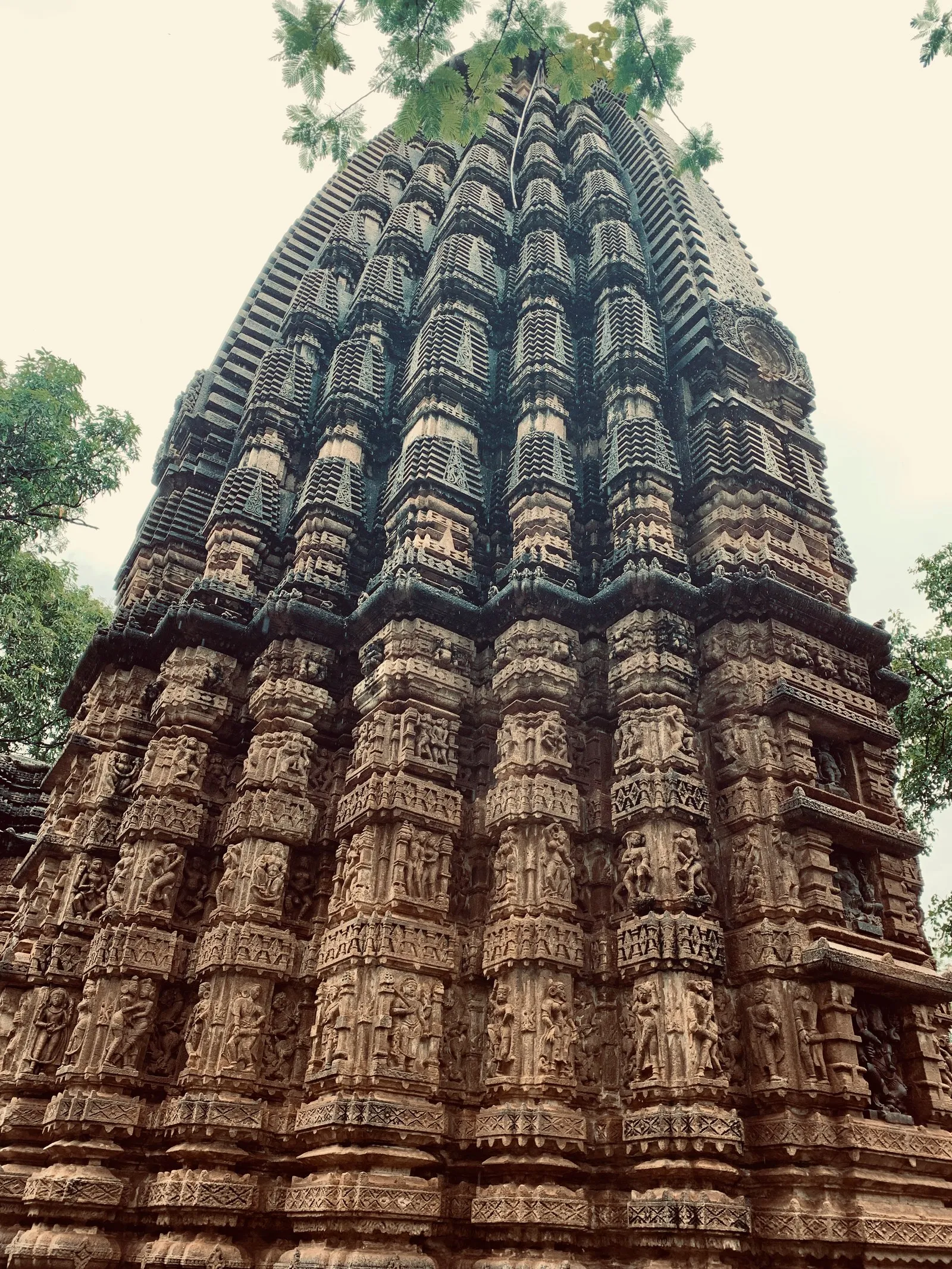
  4. The carved spire of the Bhoramdeo temple, Kawardha

    04

    4 March 2027

    Overnight Raipur

    200 km · about 5 hrs

    Kanha, then Bhoramdeo on the way to Raipur

    One more drive in the park at first light, when the forest is cool and the animals are moving: gaur in the sal, chital and barasingha out on the meadows, langurs calling from the trees, and perhaps the fresh pugmarks of a tiger in the dust of the track.

    Then south-east into Chhattisgarh, with a stop at Bhoramdeo, below the forested Maikal hills. Its Shiva temple, built around the eleventh century under the Nagavanshi kings, is carved from plinth to spire with gods, celestial dancers, musicians and lovers, and is called the Khajuraho of Chhattisgarh. On across the farmland to Raipur by evening.

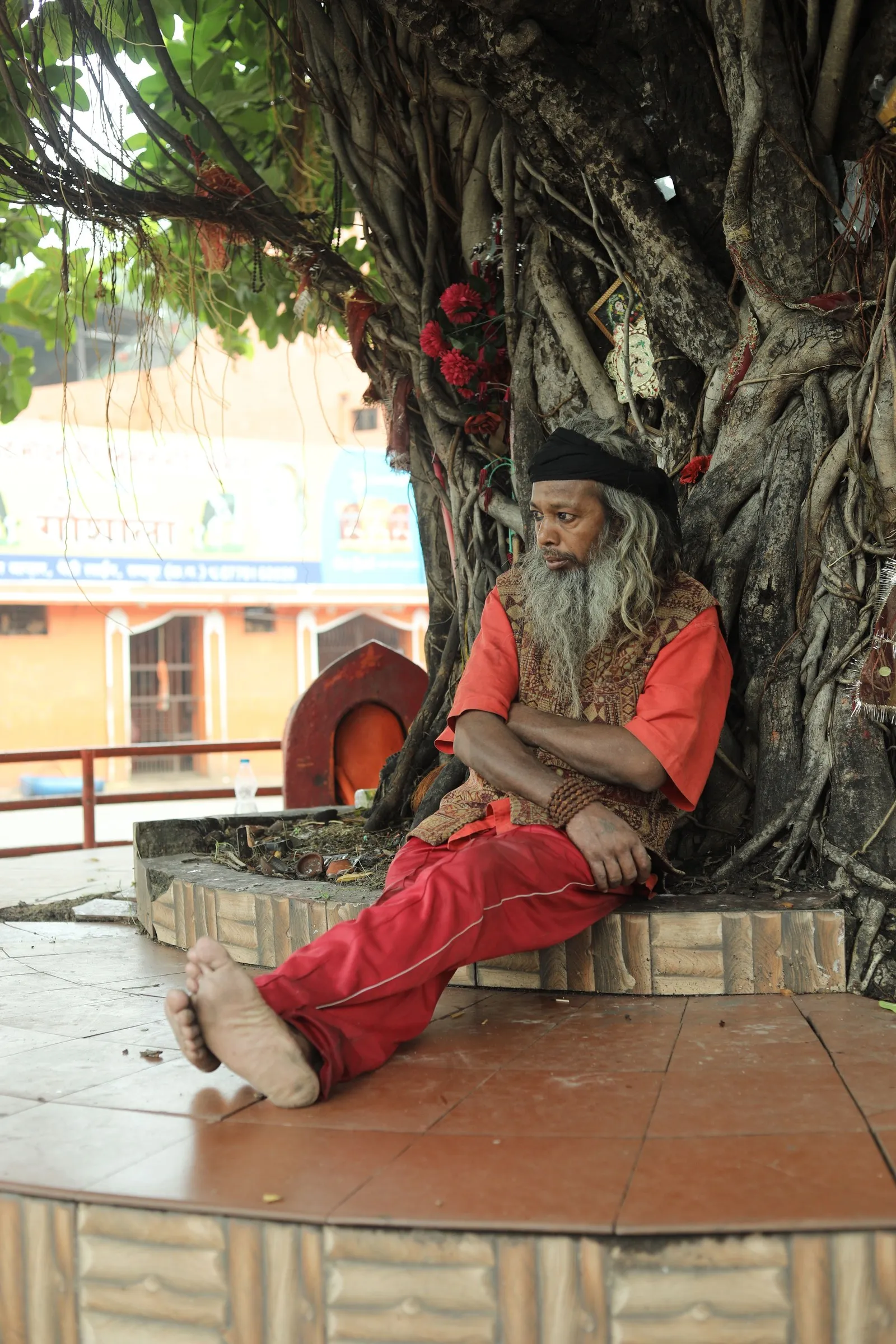
  5. A sadhu resting under a banyan tree in Raipur
    Rajim Mela

    05

    5 March 2027

    Overnight Raipur

    50 km each way · about 3 hrs there and back

    The Rajim Mela

    After breakfast, south-east of Raipur to Rajim, the Prayag of Chhattisgarh, where the Mahanadi meets the Pairi and the Sondur. For the fortnight from Maghi Purnima to Maha Shivratri, pilgrims, sadhus and families from villages all over the state come here to bathe at the confluence, and the riverbanks fill with worship, music and a great fair.

    At its heart stands the Rajiv Lochan temple to Vishnu, one of the oldest in Chhattisgarh, and on an island in the riverbed the Kuleshwar Mahadev temple to Shiva. Walk the fairground and its stalls with your guide, and watch the rites along the water. Back to Raipur in the evening.

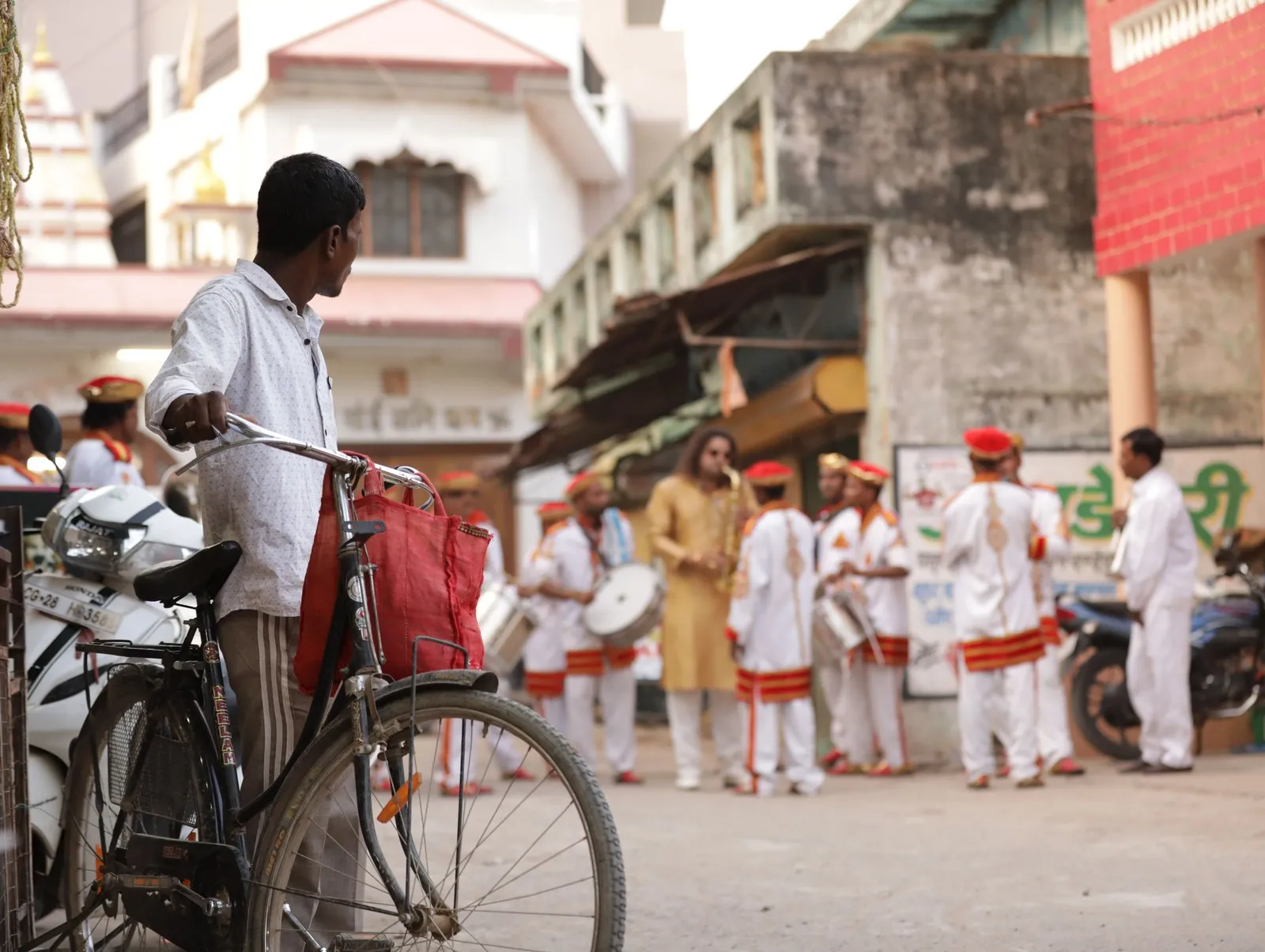
  6. A street band of drummers in Lormi, Chhattisgarh
    Maha Shivratri · Rajim Mela

    06

    6 March 2027

    Overnight Kanker

    200 km · about 4 hrs

    Maha Shivratri at Rajim, then Kanker

    An early start, with breakfast packed, to be at Rajim for Maha Shivratri, the great night of Shiva and the last day of the fair. The final procession winds through the town to the temples and the river, with drums, devotional singing and the sadhus, and the Mela ends with its closing rites.

    In the afternoon, south out of the plains through villages, fields and the first forests of Bastar to Kanker, a small town among rocky hills that was once the seat of its own rajas, for the night.

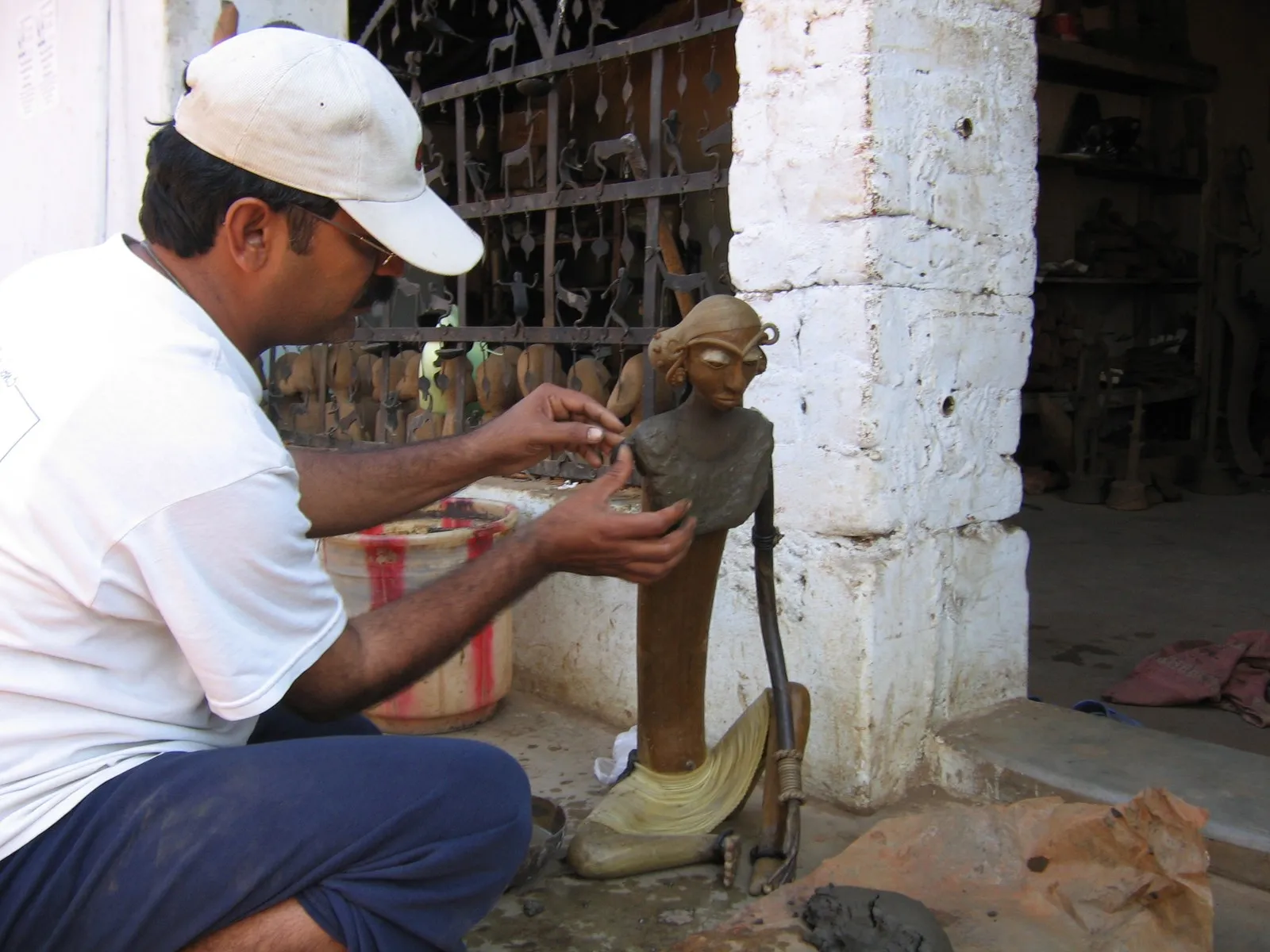
  7. A metalsmith finishing a Dhokra figure in his workshop at Kondagaon, Bastar

    07

    7 March 2027

    Overnight Jagdalpur

    165 km · about 3 hrs

    Kondagaon’s craftsmen, and the Pamela market

    South on the Jagdalpur road into the forests of Bastar, with a long stop at Kondagaon, the craft town of the region. Its workshops cast Dhokra bell metal by the lost-wax method — each figure modelled in wax over a clay core, sealed in clay and fired, the wax melted out and the metal poured in its place, so that no two pieces are alike — and its smiths also work wrought iron and terracotta.

    Later, the weekly market at Pamela, in the forest outside Jagdalpur, where villagers come to trade cattle, rice, forest produce and cloth, and to meet their friends. On to Jagdalpur, the old capital of the Bastar kings, for two nights.

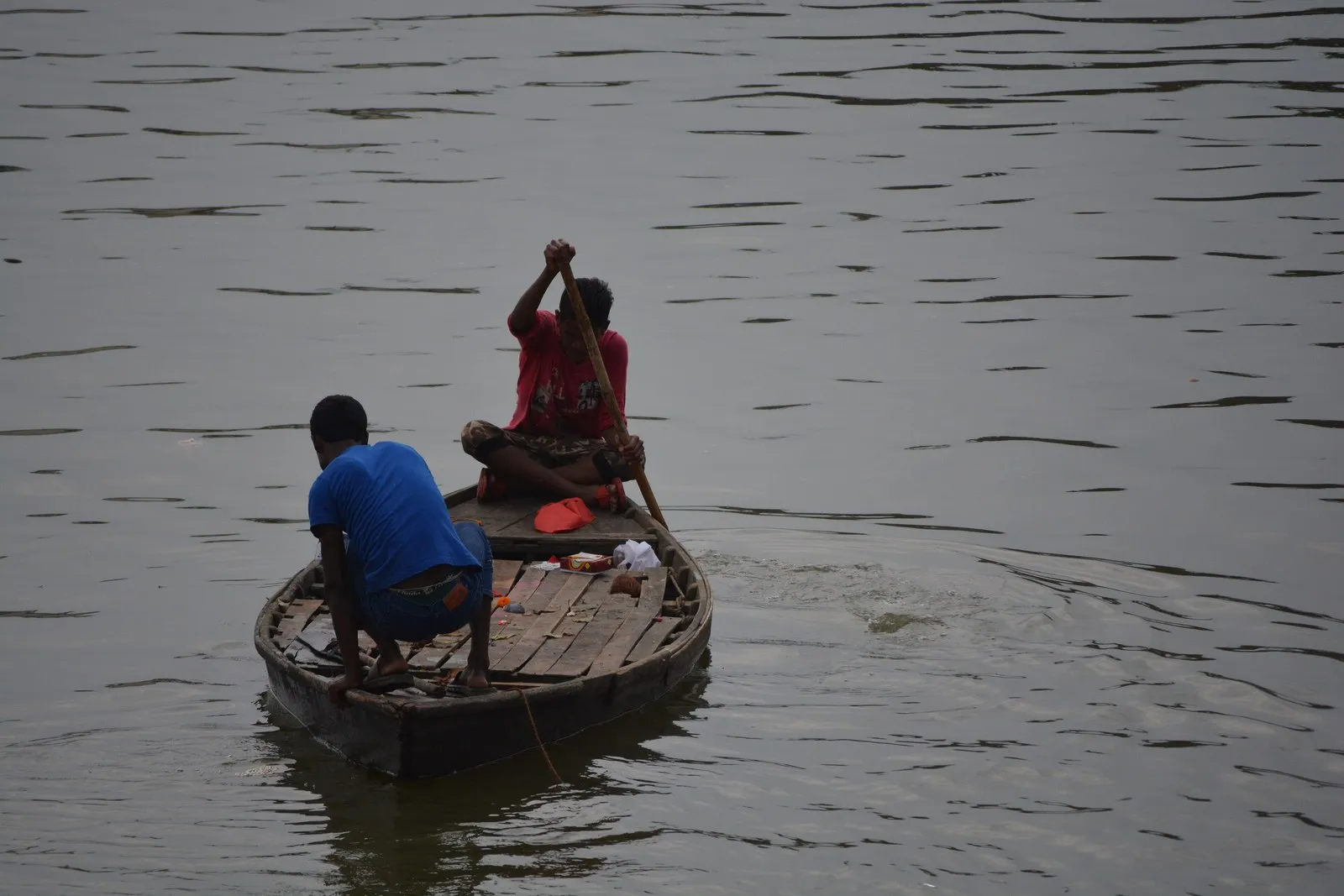
  8. Two men in a round coracle on the Indravati below the Chitrakote Falls

    08

    8 March 2027

    Overnight Jagdalpur

    The Bison Horn Maria, Tokapal and Chitrakote

    The morning with the Bison Horn Maria, a Gond people of southern Bastar. They take their name from the dance headdress of their men, made with the horns of the gaur, cowrie shells and feathers, and the village puts on a short performance for you to the drums. Afterwards there is time, through your guide, to talk about the forest, the harvest and the festivals the dance belongs to.

    Then the Monday market at Tokapal, where the villages round about bring produce, forest goods, spices and cloth, and in the afternoon the Chitrakote Falls, where the Indravati pours over a wide horseshoe of cliff — the widest waterfall in India. Back to Jagdalpur for the night.

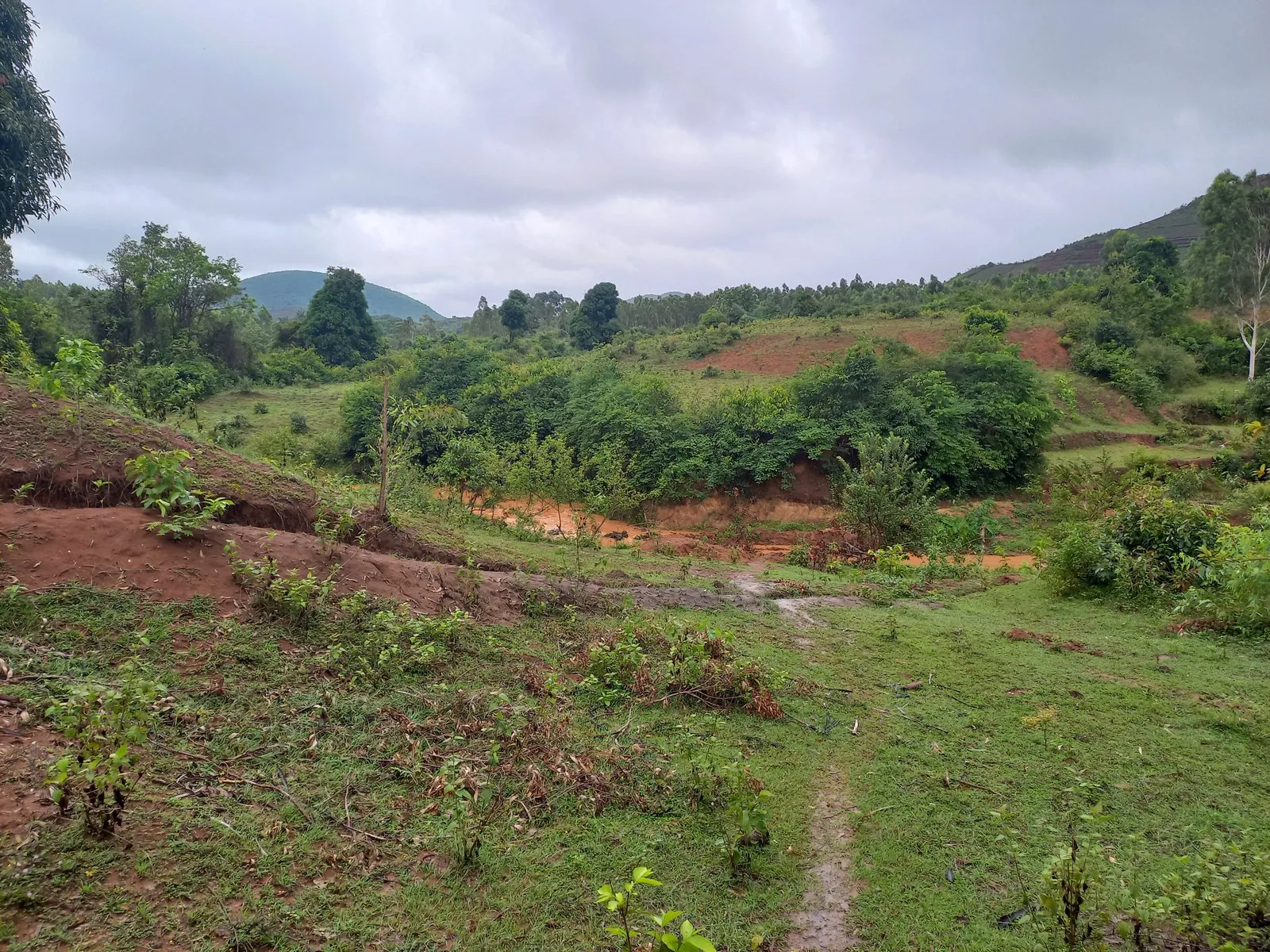
  9. Green fields and wooded hills in the monsoon near Sunabeda, Koraput

    09

    9 March 2027

    Overnight Rayagada

    210 km · about 5½ hrs

    Bhatra villages and the Kotpad market

    Out of Jagdalpur to villages of the Bhatra, farmers of the Bastar plateau, for their houses, fields and everyday crafts. Then across the state line into Odisha and the Tuesday market at Kotpad, the meeting place of the Bhatra and their neighbours, busy with produce, forest goods, pots and cloth. Kotpad is a weaving town too, known for cotton dyed maroon and brown with the root of the aal tree.

    The afternoon is a long drive east across the Koraput plateau, past terraced fields and small hill towns, and down to Rayagada on the Nagavali river, where you arrive in the evening for the night.

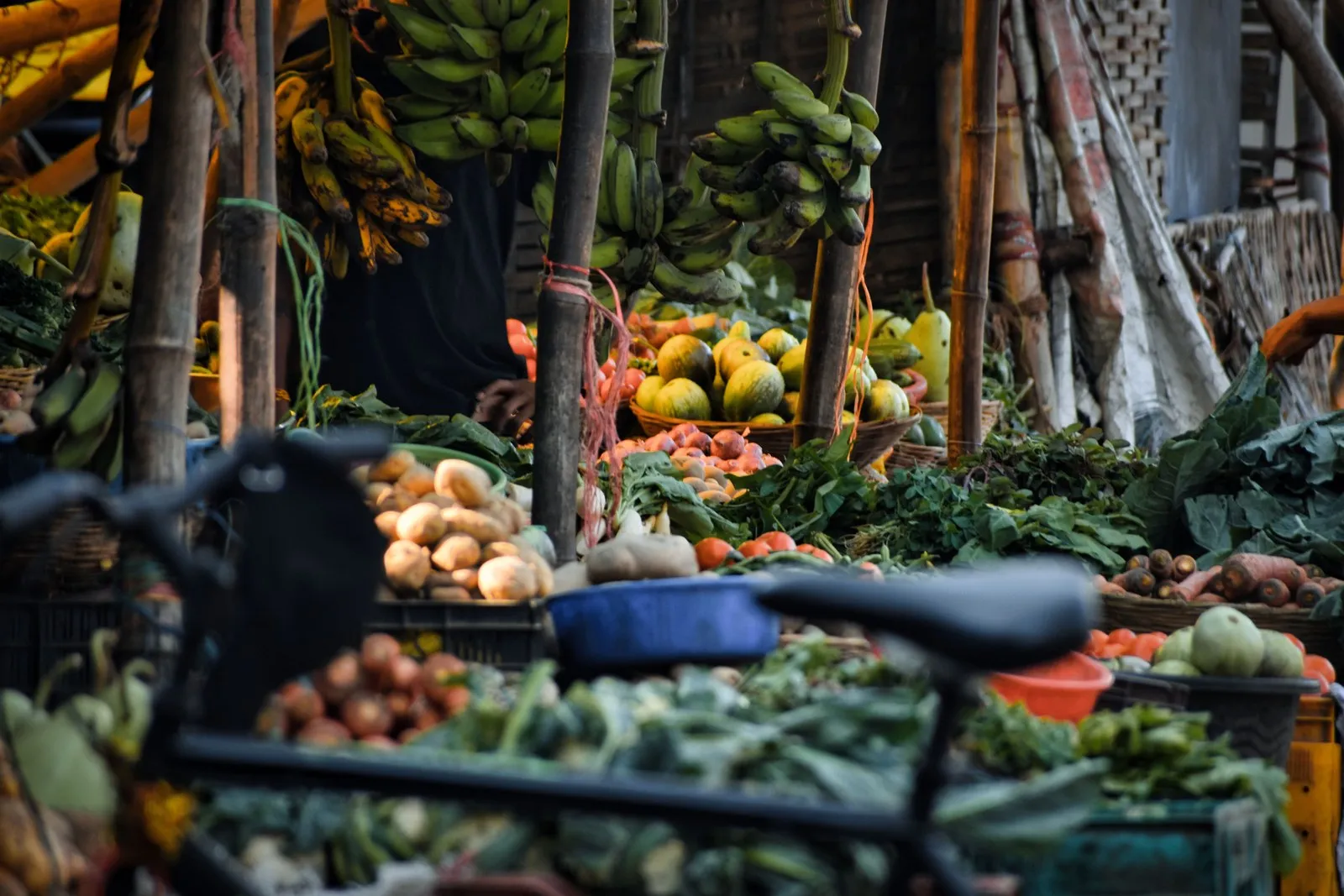
  10. Fruit and vegetables piled high at a market stall in Odisha

    10

    10 March 2027

    Overnight Jeypore

    230 km · about 5 hrs

    The Chatikona market, and on to Jeypore

    Wednesday is market day at Chatikona, when the Dongria Kondh come down from the Niyamgiri hills. The Dongria hold the hills sacred as the seat of Niyam Raja, their protector, and farm the slopes for pineapples, jackfruit, oranges, turmeric and millet, which they trade here with the Desia Kondh of the valleys for salt, cloth and tools. Everyone has come to do business: follow your guide, keep a respectful distance, and photograph only where you are welcome.

    Afterwards, villages of the Mali, known for their skill as farmers, and of the Paroja, with their colourful houses, and a stop with a family of basket makers at work; then on through the hills to Jeypore for two nights.

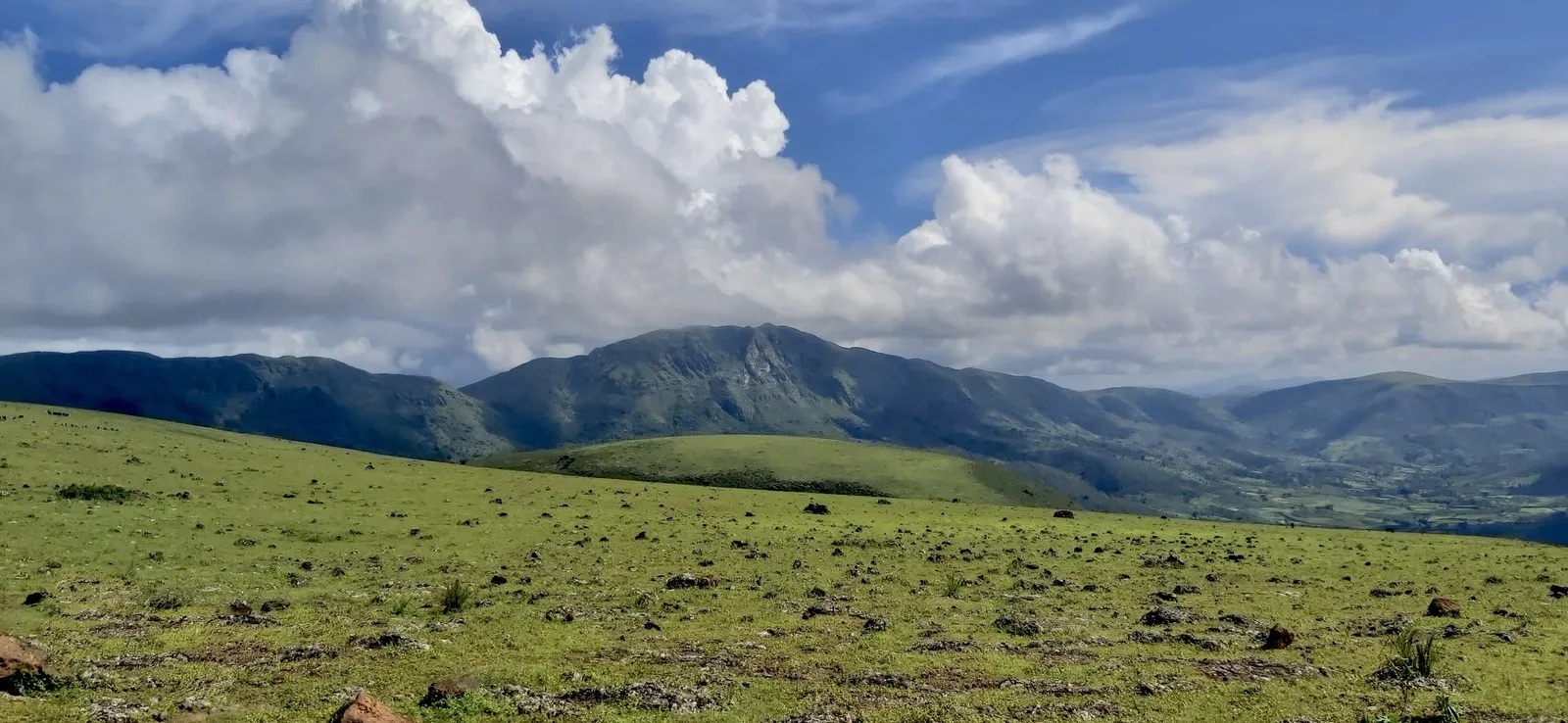
  11. The grassy top of Deomali, Koraput, under a wide sky

    11

    11 March 2027

    Overnight Jeypore

    150 km there and back · about 3 hrs

    The Onkadelli market

    A full day in the hills around Onkadelli, whose Thursday market brings in the Bonda and the Gadaba. The Bonda are one of India’s most vulnerable communities, few in number and careful of their privacy; this is their market, and they come to barter and buy, not to be looked at. Stay close to your guide, keep your distance, and never photograph a Bonda man or woman without their consent.

    Lunch is a traditional meal at Peta Eco Farm, then a short walk to villages of the Rana, the Paroja and the Kumbhar, the potters, whose wheels and open fires turn out the water pots and grain jars sold in the markets. Back to Jeypore.

  12. The Hanuman temple at the daily market in Rayagada

    12

    12 March 2027

    Overnight Rayagada

    180 km · about 4 hrs

    The Kunduli market, and back to Rayagada

    Friday is market day at Kunduli, the largest weekly market in the Koraput hills, where the Paroja, the Mali, the Kondh and their neighbours come to buy and sell. It is laid out in quarters — livestock, fruit and vegetables, cloth, spices, street food and the local spirits — and it takes a morning to walk round.

    On the way back, a Paroja village, where your guide introduces you to a family and they show you round their house and fields. Then the drive north-east through the hills to Rayagada, for your second night there on this journey.

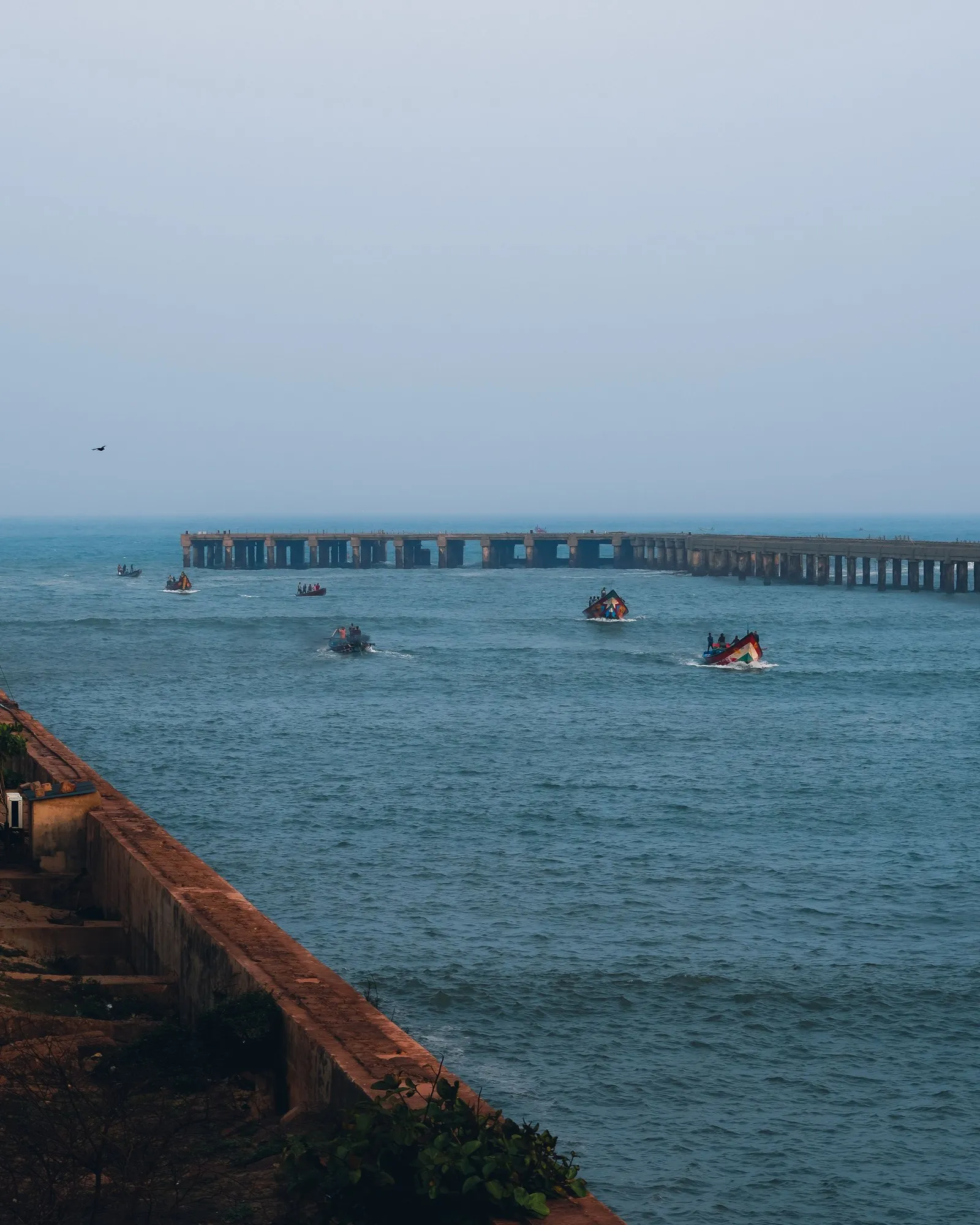
  13. Fishing boats off the old pier at Gopalpur-on-Sea

    13

    13 March 2027

    Overnight Gopalpur-on-Sea

    300 km · about 7 hrs

    The Lanjia Saura, then down to Gopalpur

    The longest drive of the journey, broken in the hills around Puttasing, home of the Lanjia Saura, one of the oldest communities of southern Odisha. The Saura paint the walls of their houses with idital, sacred drawings of people, animals, trees, the sun and the moon, made for the ancestors and the spirits at times of illness, harvest or celebration.

    If she is willing, you may sit with the village shaman — among the Saura often a woman — who speaks with the ancestors and leads the rites of healing. Then down out of the hills to the sea at Gopalpur-on-Sea, an old port turned quiet beach town, for the night.

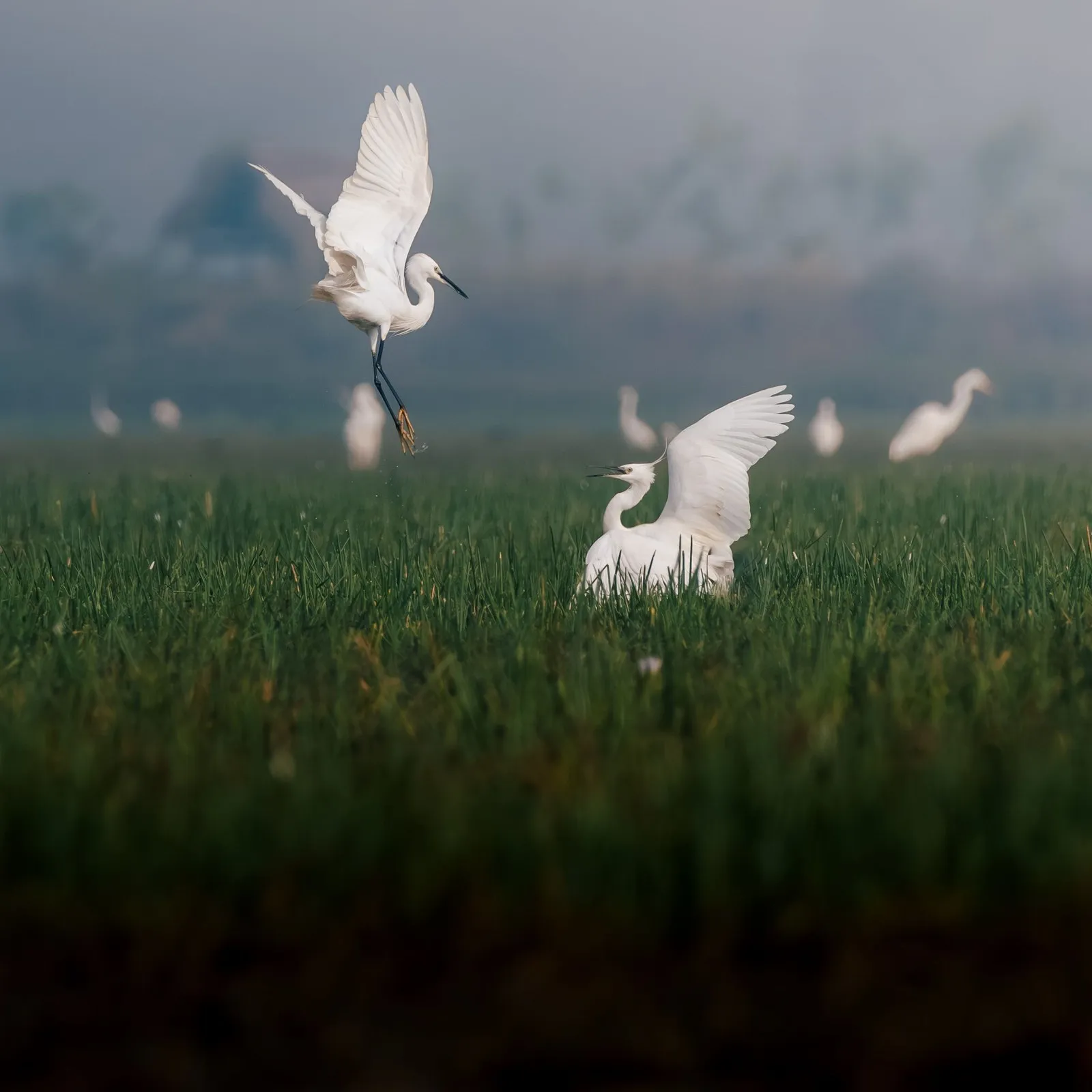
  14. Egrets over the marshes at Mangalajodi, on the edge of Chilika

    14

    14 March 2027

    Overnight Bhubaneswar

    220 km · about 4 hrs

    Mangalajodi on Chilika, and Bhubaneswar

    North along the coast to Mangalajodi, on the northern edge of Chilika Lake, the largest brackish-water lagoon in Asia. You go out through the reed channels in a flat-bottomed country boat, poled by a man from the village, which once lived by trapping the birds and now protects them.

    The migrants arrive from Central Asia and Siberia for the winter, and by mid-March many are heading north again, but the marsh stays busy: purple herons and egrets, black-winged stilts, black-tailed godwits, jacanas and ducks. Then on to Bhubaneswar for three nights.

  15. Visitors on the steps of the Sun Temple at Konark

    15

    15 March 2027

    Overnight Bhubaneswar

    220 km round trip · about 4 hrs

    Dhauli, Pipli, Konark and Puri

    A day on the coast. First Dhauli, above the Daya river, where the Kalinga war is said to have been fought: the Emperor Ashoka’s edicts are cut into the rock, and a white Peace Pagoda crowns the hill. Then Pipli, where every shop is hung with appliqué canopies, lanterns and umbrellas in bright cut cloth.

    Then Konark, the thirteenth-century Sun Temple carved as the chariot of Surya, and along the marine drive to Puri. Only Hindus may enter the Jagannath temple, so you see it from the Grand Road, the broad avenue down which its deities ride in their chariots at the Rath Yatra. Back to Bhubaneswar.

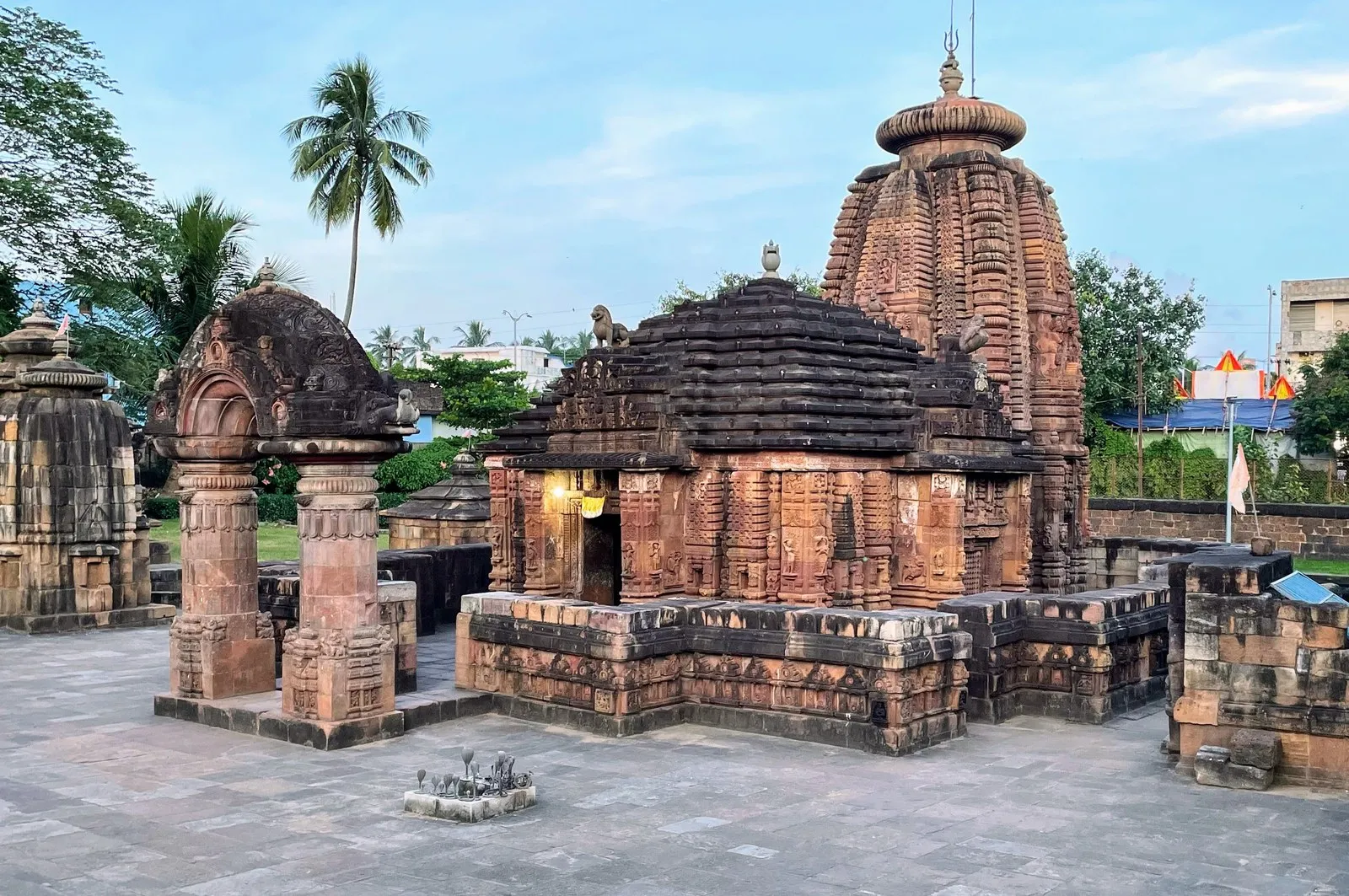
  16. The Mukteswara temple and its carved torana arch, Bhubaneswar

    16

    16 March 2027

    Overnight Bhubaneswar

    The temples and museums of Bhubaneswar

    The morning in the old town of Bhubaneswar, among temples built between the seventh and the thirteenth centuries: the Lingaraj, the greatest of them, which only Hindus may enter and everyone else sees from a platform by its wall; the Mukteswara, small, finely carved and entered through a stone torana; and the Parasurameswara, one of the oldest standing in Odisha.

    In the afternoon, the Odisha State Tribal Museum, with the dress, tools, instruments, crafts and models of the houses of the state’s tribal communities — a chance to put names and places to what you have seen over the past fortnight — and Kala Bhoomi, the Odisha crafts museum, for handloom, painting, stone carving and pottery.

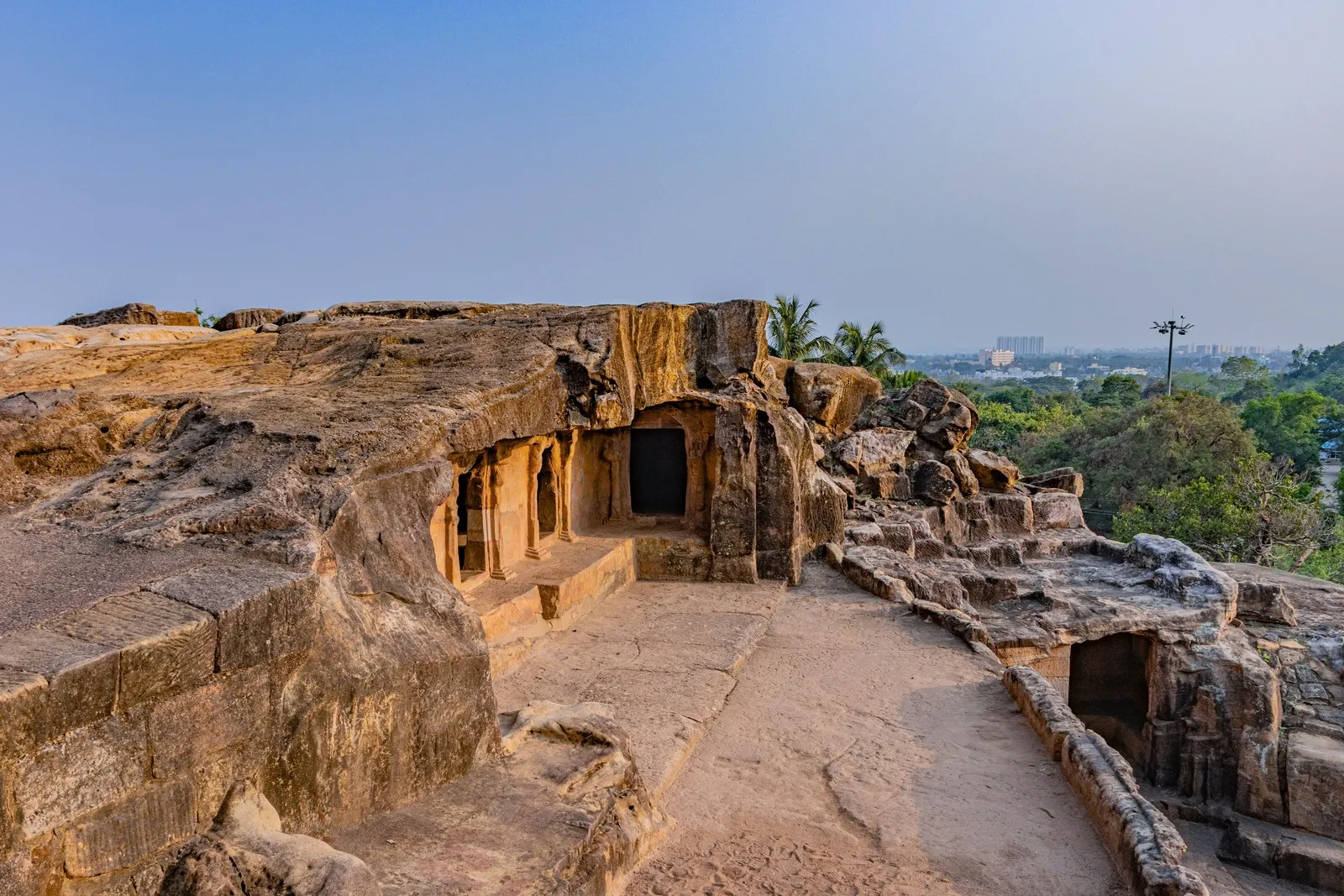
  17. The rock-cut caves of Udayagiri, on the edge of Bhubaneswar

    17

    17 March 2027

    Overnight Delhi

    Flight Bhubaneswar – Delhi

    Udayagiri and Khandagiri, then Delhi

    A last morning in Bhubaneswar, at the twin hills of Udayagiri and Khandagiri on the edge of the city. Their caves were cut into the sandstone in the first century BC, under King Kharavela of Kalinga, as shelters for Jain monks: small cells behind carved verandas, friezes of processions, dancers and elephants, and the Hathigumpha inscription, which records the king’s reign.

    Then the transfer to Bhubaneswar airport and the flight to Delhi. You are met on arrival and taken to your hotel, where dinner is waiting, for a last evening and a last night in India before the flight home.

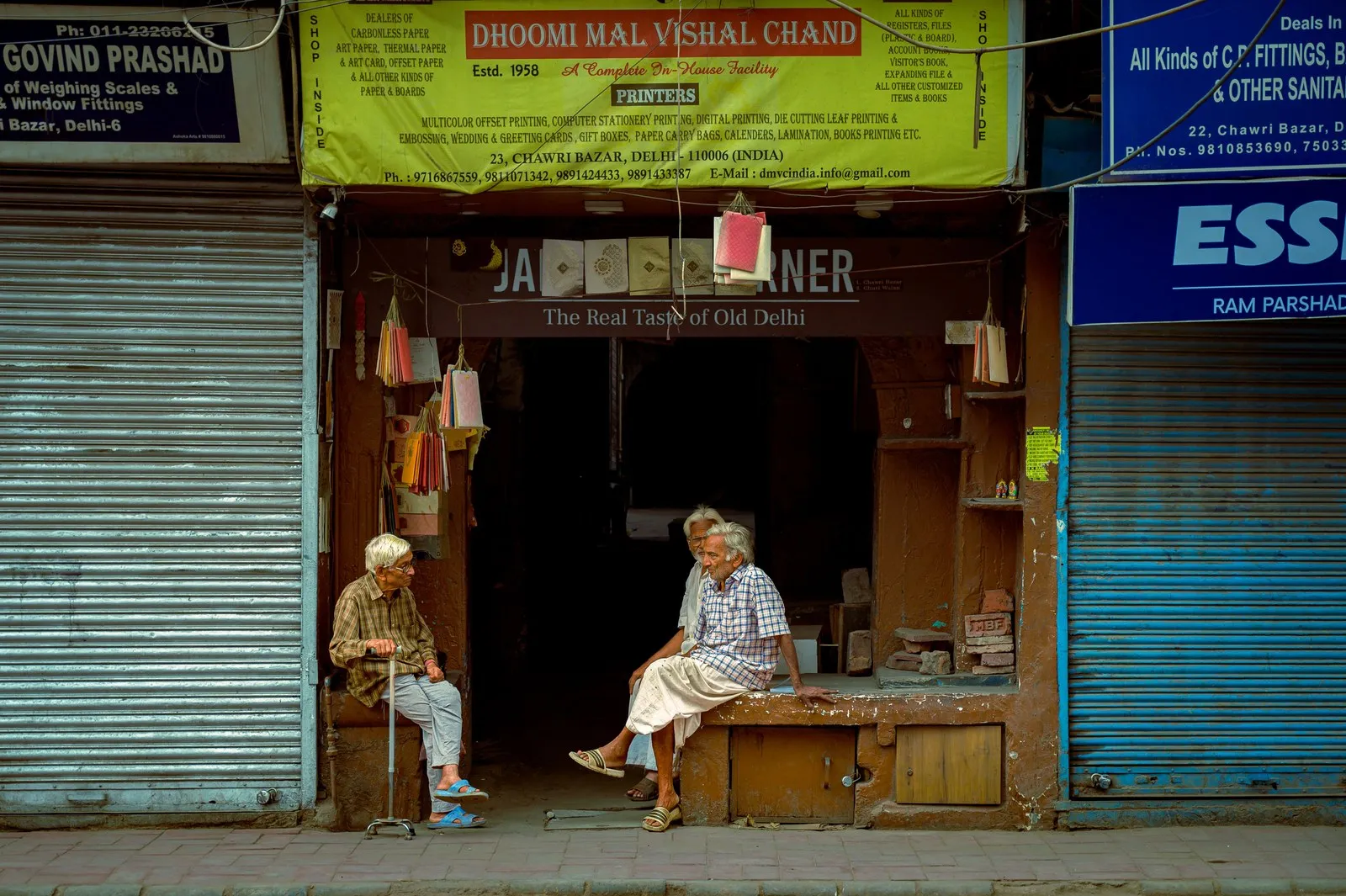
  18. Two elderly men talking outside their shop in Old Delhi

    18

    18 March 2027

    Departure

    Departure

    After breakfast, the transfer to Delhi airport for your flight home.

Like the route? We will write it for your dates.

The price

What the price covers

The commonest reason travellers abandon an enquiry is not knowing what is covered. Every Rang Travels quotation itemises it — this is the usual shape for this journey.

Included

  • 17 nights with breakfast, dinner on the last night in Delhi, a packed breakfast on Maha Shivratri and lunch at Peta Eco Farm
  • The flights Delhi – Raipur and Bhubaneswar – Delhi
  • A private air-conditioned car with driver from Raipur to Bhubaneswar, and for the day in Delhi
  • A local guide in Delhi, and an English-speaking guide who knows the tribal areas from Raipur to Bhubaneswar
  • Two jeep safaris in Kanha National Park with a naturalist
  • The cycle rickshaw in Old Delhi, the Bison Horn Maria dance and the boat at Mangalajodi
  • Airport transfers, tolls, parking and the driver’s allowances

Not included

  • International flights
  • Other lunches and dinners
  • Monument entrance and camera fees
  • Visa, travel insurance and tips

Price on request

Quoted to your dates,
your hotels and your pace

Before you book

The Mela, the markets and the season

This is a journey among pilgrims and village communities, timed to the lunar calendar. Please read these before you confirm.

At the Rajim Mela

  • The Mela is a religious gathering first, and its last two days are the busiest. There is no reserved area for visitors: stay with your guide, keep to the meeting points and keep your valuables close.
  • Dress modestly, and take your shoes off at the temples. Bathing at the confluence is an act of worship; watch it quietly, and ask your guide before you photograph anyone.

In the villages and markets

  • The communities you meet are hosts, not a show. The weekly markets are where they come to trade; nobody is there to be looked at.
  • Photograph people only where your guide says it is welcome, and ask first. Never photograph the Bonda, the Dongria Kondh or anyone else without their consent.
  • Please do not hand out sweets, money or presents in the villages. If you would like to give something, ask your guide how best to do it.

The dates

  • The Mela follows the lunar calendar, and so does this departure: in 2027 it runs from Maghi Purnima on 20 February to Maha Shivratri on 6 March.
  • The weekly markets keep fixed days — Tokapal on Monday, Kotpad on Tuesday, Chatikona on Wednesday, Onkadelli on Thursday, Kunduli on Friday — and the journey is dated so that you reach each on its day.
  • A festival, an election or local events can move a market at short notice; your guide rearranges the days if that happens.

Temples, roads and hotels

  • Only Hindus may enter the Jagannath temple at Puri and the Lingaraj temple in Bhubaneswar; everyone else sees them from outside.
  • Several days are long drives on country roads through the hills, with early starts.
  • In the hill towns of Bastar and Koraput the hotels are simple: clean and comfortable rather than grand. Kanha National Park is closed to safaris on Wednesday afternoons.
  • Parts of Bastar and the Koraput hills lie in districts where some governments advise caution. Check your government’s travel advice before you book, and that your travel insurance covers the whole route; we plan every day with our local teams and drive in daylight.

Questions

Before you go

The questions travellers ask about this journey, answered from the itinerary itself. Anything else — ask, and a curator replies.

When is the Rajim Mela in 2027?

From Maghi Purnima on 20 February to Maha Shivratri on 6 March 2027. You are at Rajim on 5 and 6 March, its last two days, ending with the final procession on Maha Shivratri. The journey runs from 1 to 18 March 2027.

Can I arrive the day before?

Yes, and after a long flight it is worth it, because the Delhi city tour is on the day you land. Ask us to book your hotel from 28 February.

Can I photograph the people we meet?

Only where your guide says it is welcome, and always ask first. Some communities, the Bonda above all, would rather not be photographed at all, and their wishes come first.

Will we see a tiger at Kanha?

Perhaps. Kanha is one of the better parks in India for tigers, but they are wild and no one can promise a sighting. Barasingha, chital, gaur and langurs are all but certain.

How demanding is it?

Not physically hard: the village walks are short and gentle. But there are early starts, long days in the car on country roads, and simple hotels in the hill towns.

Do I need a visa?

Most visitors need an Indian visa, and many nationalities can apply online for an e-Visa before they travel. Check the current rules for your passport when you book.

The gallery

On the road

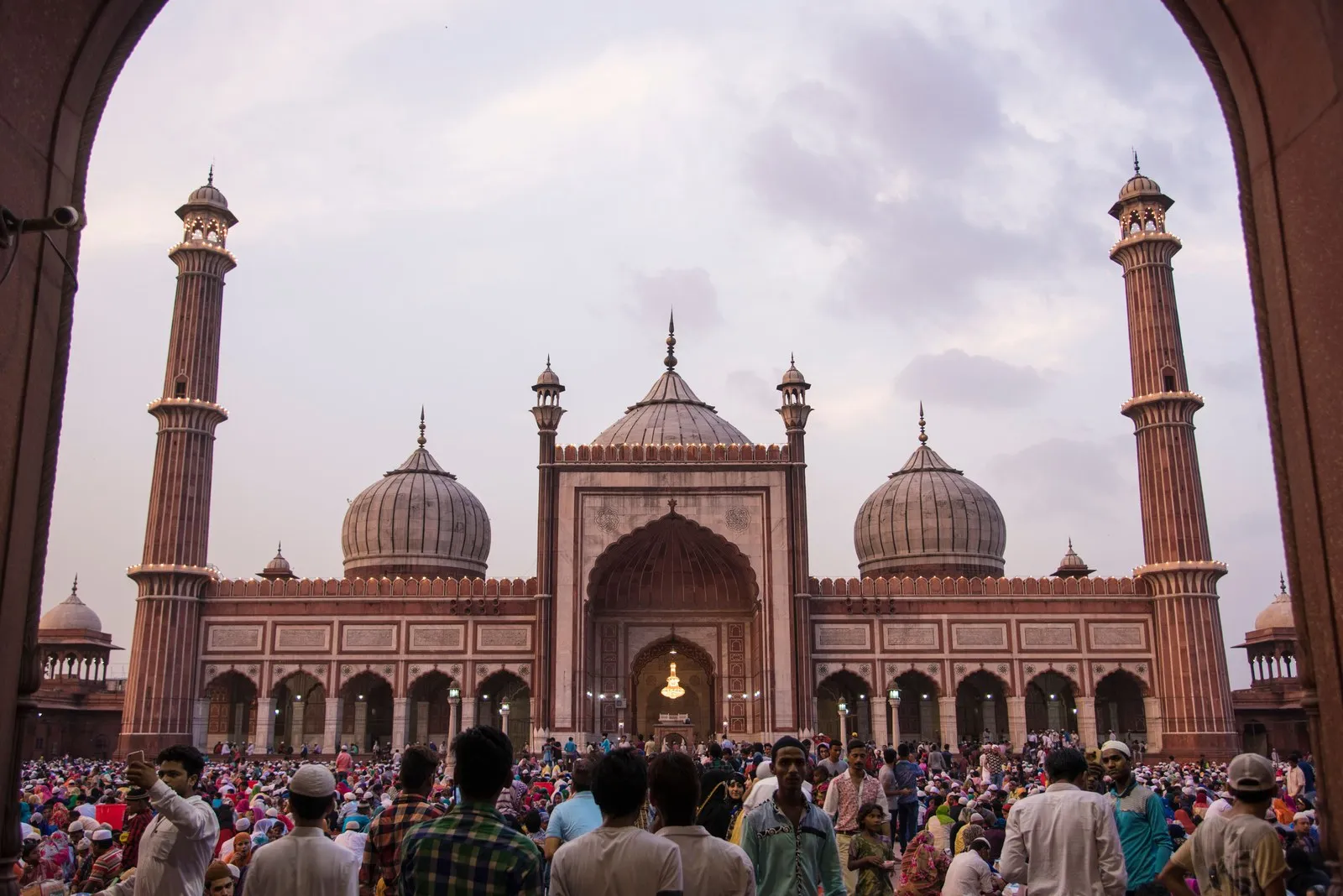
  • The crowd outside the Jama Masjid in Old Delhi
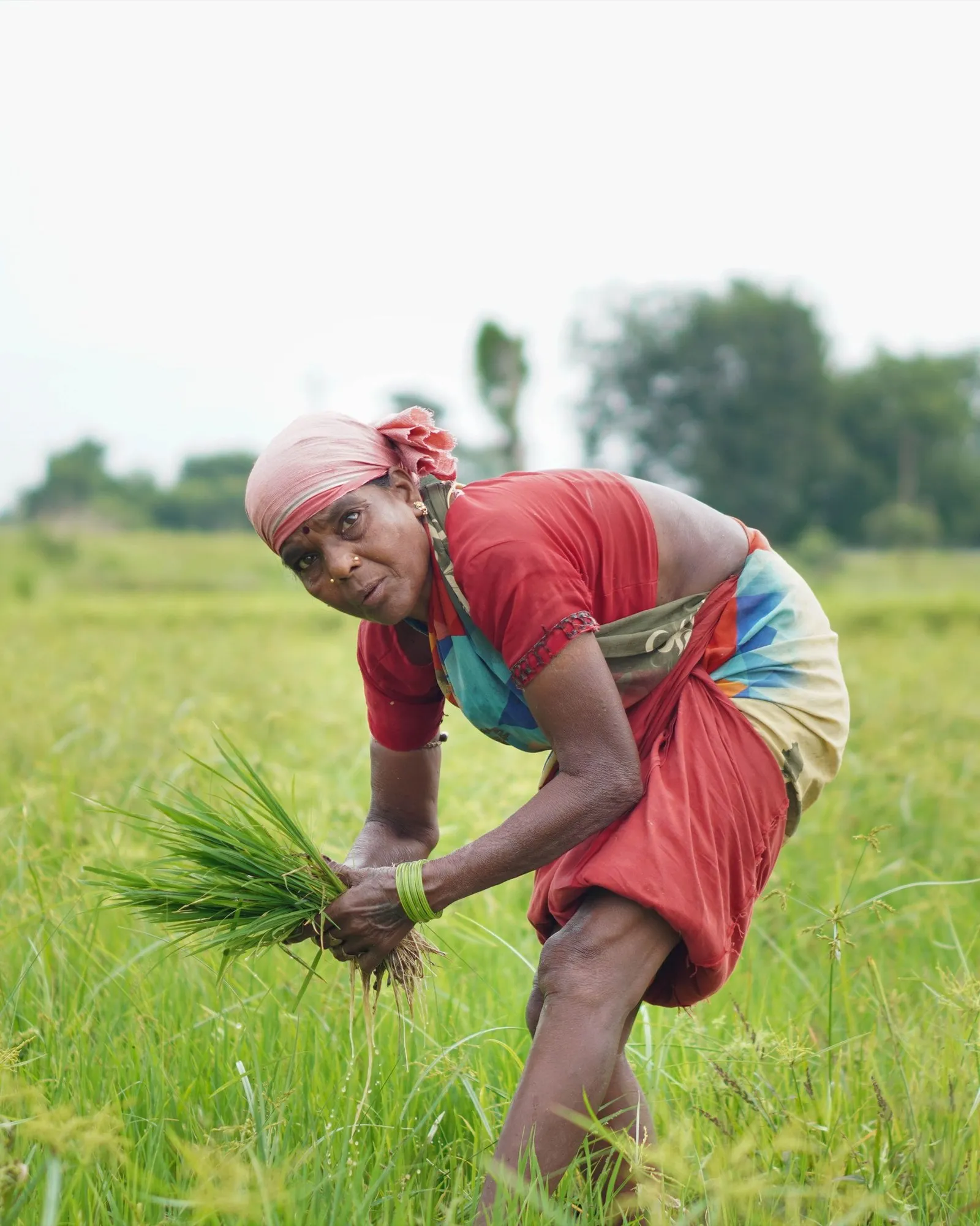
  • A woman planting rice in a paddy field in Chhattisgarh
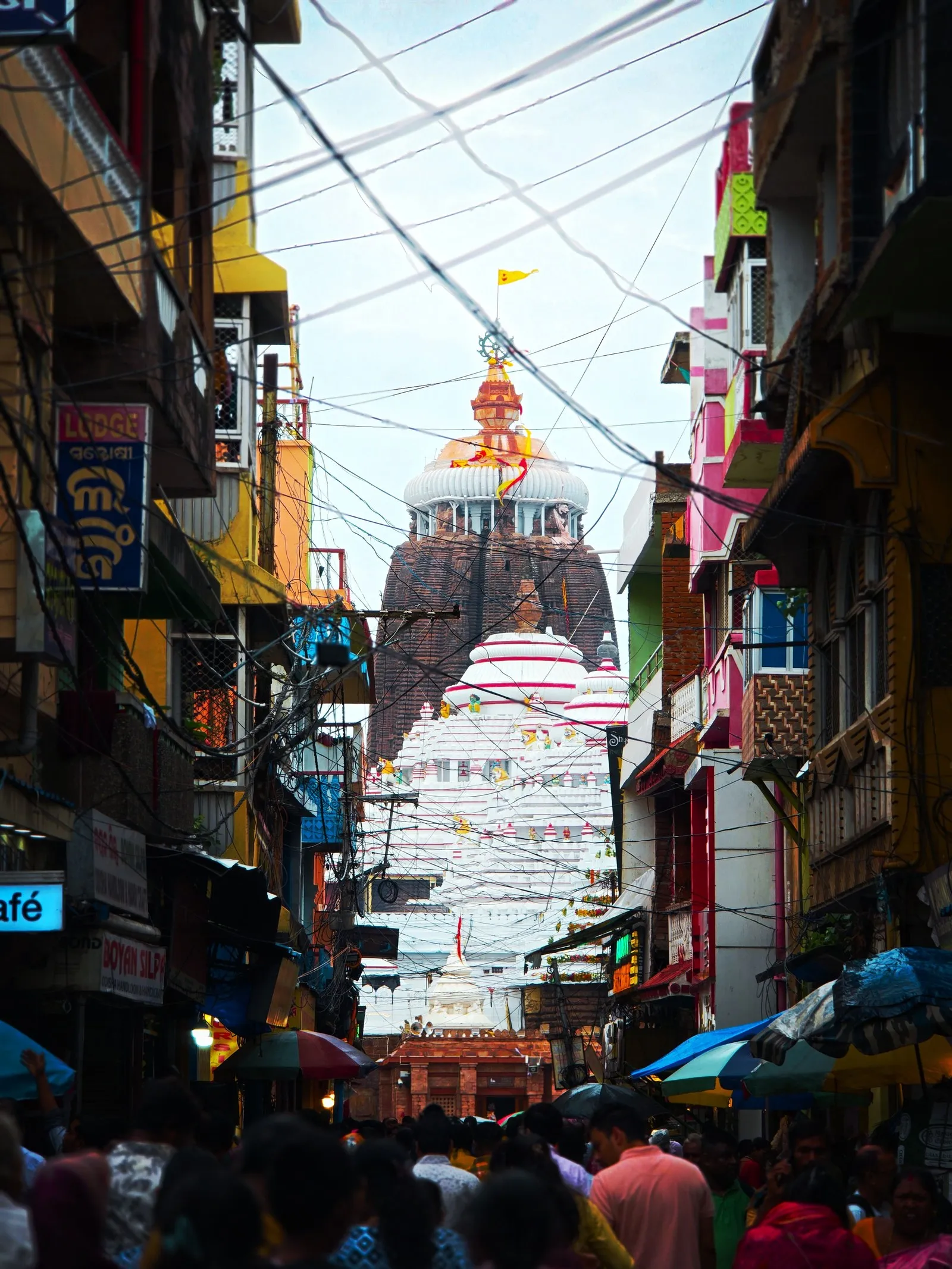
  • A lane in Puri leading to the Jagannath temple
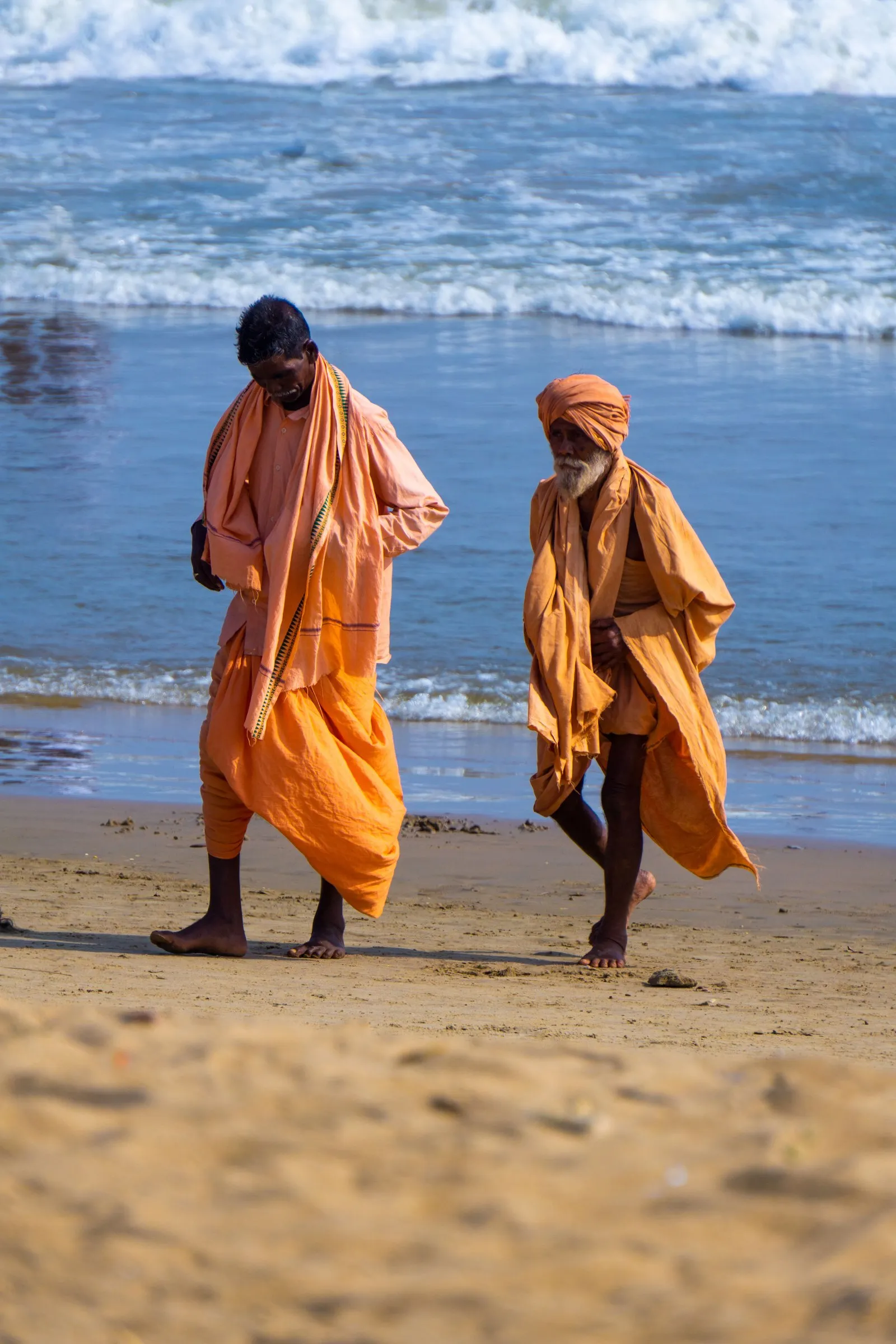
  • Two sadhus in saffron walking on the beach at Puri

Reviews

In their own words

Word for word, several in Italian, because Italy found us early. 5.0 from 146 reviews on Google, and 5.0 from 200 on TripAdvisor.

I had an incredible adventure with Rang Travels in Northern India earlier this year! The tour was jam packed. I loved the beautiful forts and buildings we visited, the markets, as well as the stunning World Heritage hotels. This tour gave me a real taste for India, and I felt very comfortable for my first time visiting!

Read the whole review on Google

Jess Foster

Northern India · May 2025

1 / 19

Enquire

Plan my journey

Tell us where your India begins — we reply with a written itinerary.

Travellers
When, roughly
Interests
Or ask on WhatsApp

No obligation. We reply with a written itinerary, not a sales call.