Rang Travels — explore the colors of India
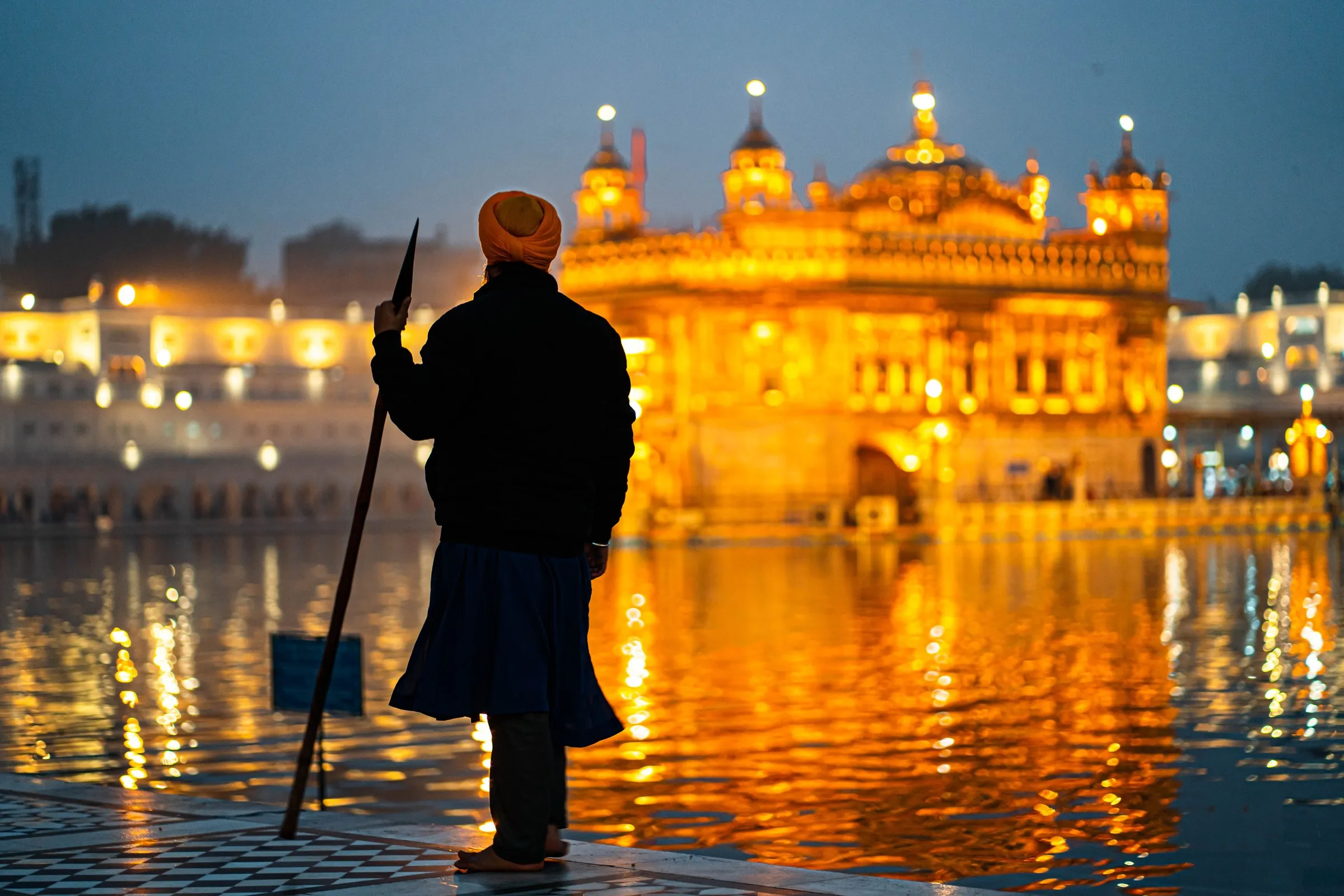
A Sikh sevadar with a spear beside the sacred pool at dusk, the Golden Temple lit beyond

Yoga · Spiritual · Himalaya

Rishikesh, Amritsar and Dharamshala

A yoga and spiritual journey: the Ganga, the Golden Temple and the home of the Dalai Lama

See the day-by-day
Duration
10 days · 9 nights
Halts
6
Delhi to Delhi
Best months
October – November · February – April
Price
On request
quoted to your dates

The journey

Ten days of yoga and pilgrimage: Haridwar and three nights in Rishikesh, the Golden Temple at Amritsar, and Dharamshala, home of the Dalai Lama.

Three of the great spiritual centres of the north, joined by road. First the Ganga: Haridwar, where pilgrims come to bathe and the Kumbh Mela gathers every twelve years, then three nights in Rishikesh for yoga and meditation, morning and evening, by the river. Then west across the Punjab to Amritsar and the Golden Temple, the heart of the Sikh faith, and up into the Kangra valley to Dharamshala, where the Dalai Lama has lived since 1960.

Along the way: the steps of Har Ki Pauri, the ashrams and temples around Laxman Jhula, and the sadhus on the ghats. At Amritsar, pilgrims bathing in the sacred pool, the langar that feeds everyone who comes, Jallianwala Bagh and the lowering of the flags at the Wagah border. At Dharamshala, the Tsuglagkhang temple, prayer wheels and lamps, the Tibetan community in exile and the snows of the Dhauladhar; and at the end, Le Corbusier’s Chandigarh.

Highlights

What you will remember

  • Har Ki Pauri at Haridwar, and three nights of yoga and meditation in Rishikesh

  • Laxman Jhula and the ashrams and temples along the Ganga

  • The Golden Temple at Amritsar, the Akal Takht and the langar

  • Jallianwala Bagh, and the Beating Retreat at the Wagah border

  • McLeod Ganj: the Tsuglagkhang and the Tibetan community in exile

  • Bhagsu Nag, Dal Lake and sunset at Naddi, below the Dhauladhar

  • Le Corbusier’s Capitol Complex and Nek Chand’s Rock Garden in Chandigarh

The route

7 halts, in order

  1. Delhi
  2. Haridwarpass through
  3. Rishikesh3 nights
  4. Amritsar2 nights
  5. Dharamshala2 nights
  6. Chandigarh1 night
  7. Delhi

Experiences

The moments it is built around

Everything else on this page is logistics. These are the reasons to come.

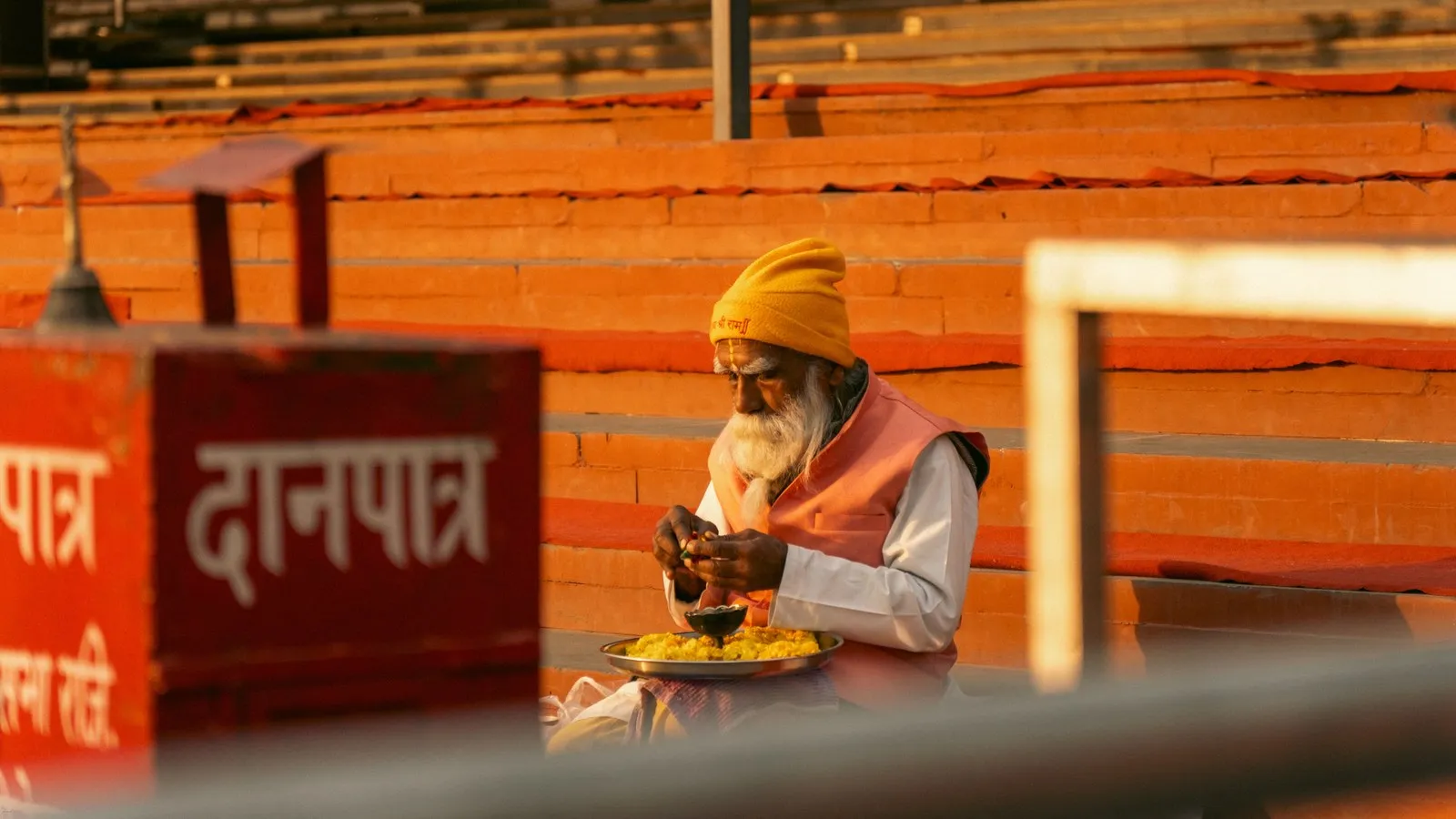
  • A sadhu seated behind an offering box on a Rishikesh ghat at sunset

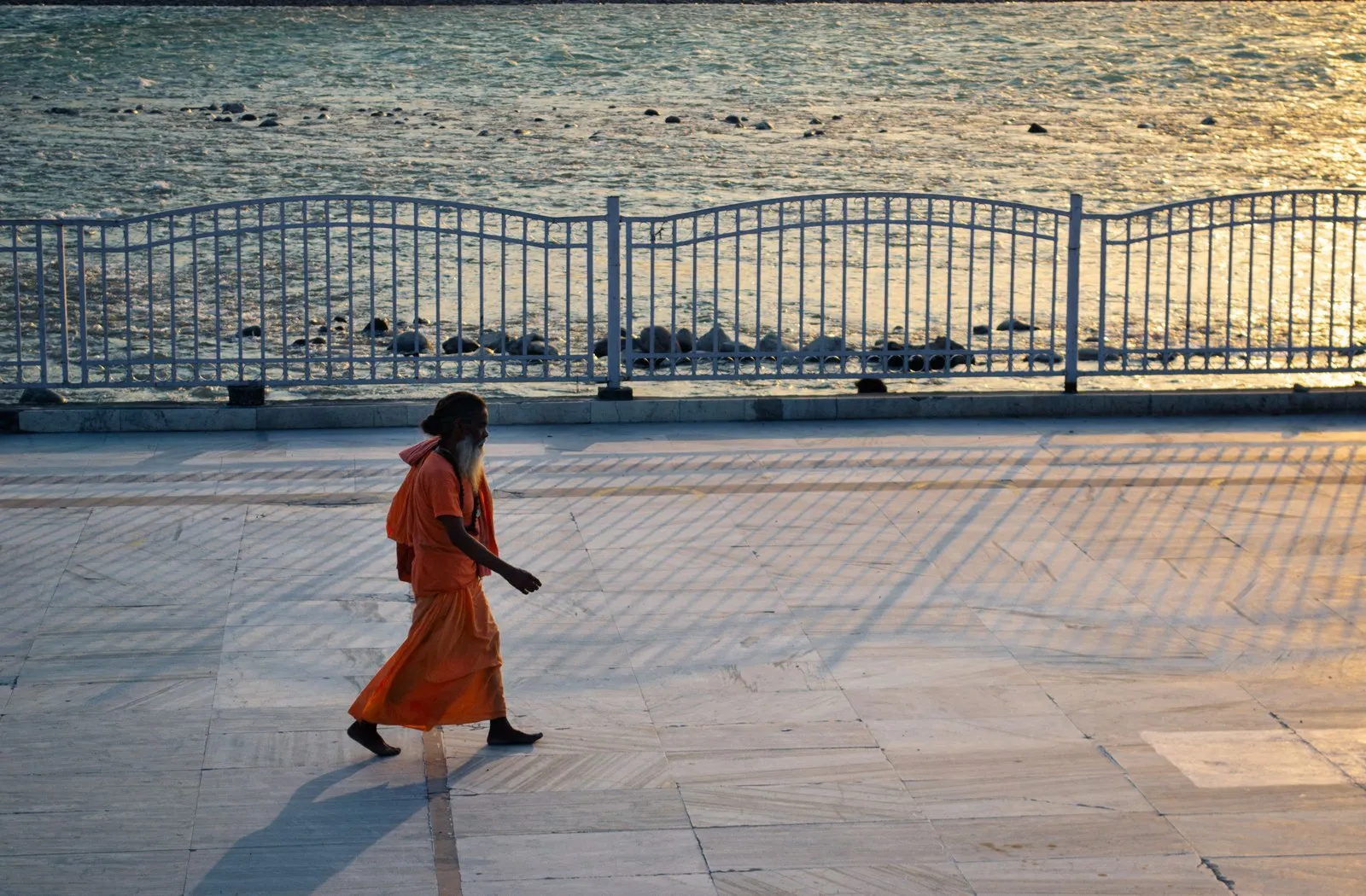
    Sadhus on the ghats

    Wandering ascetics in saffron on the steps at Rishikesh, sitting out the evening by the river.

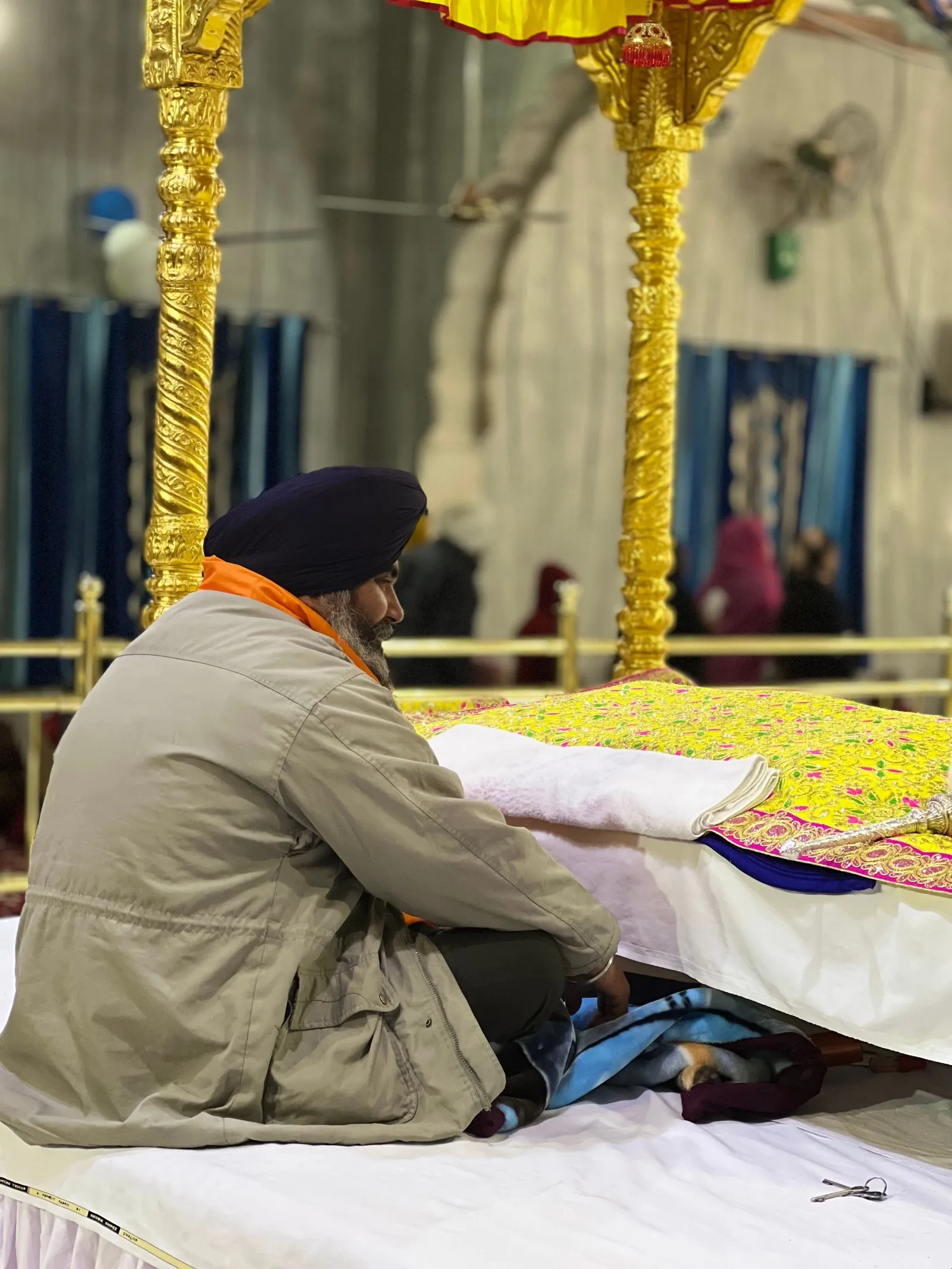
  • A Sikh man in prayer beside a gilded canopy in the Golden Temple, Amritsar

    Prayer at the Golden Temple

    Pilgrims sit for hours by the gilded canopies, listening to the kirtan that runs from dawn until night.

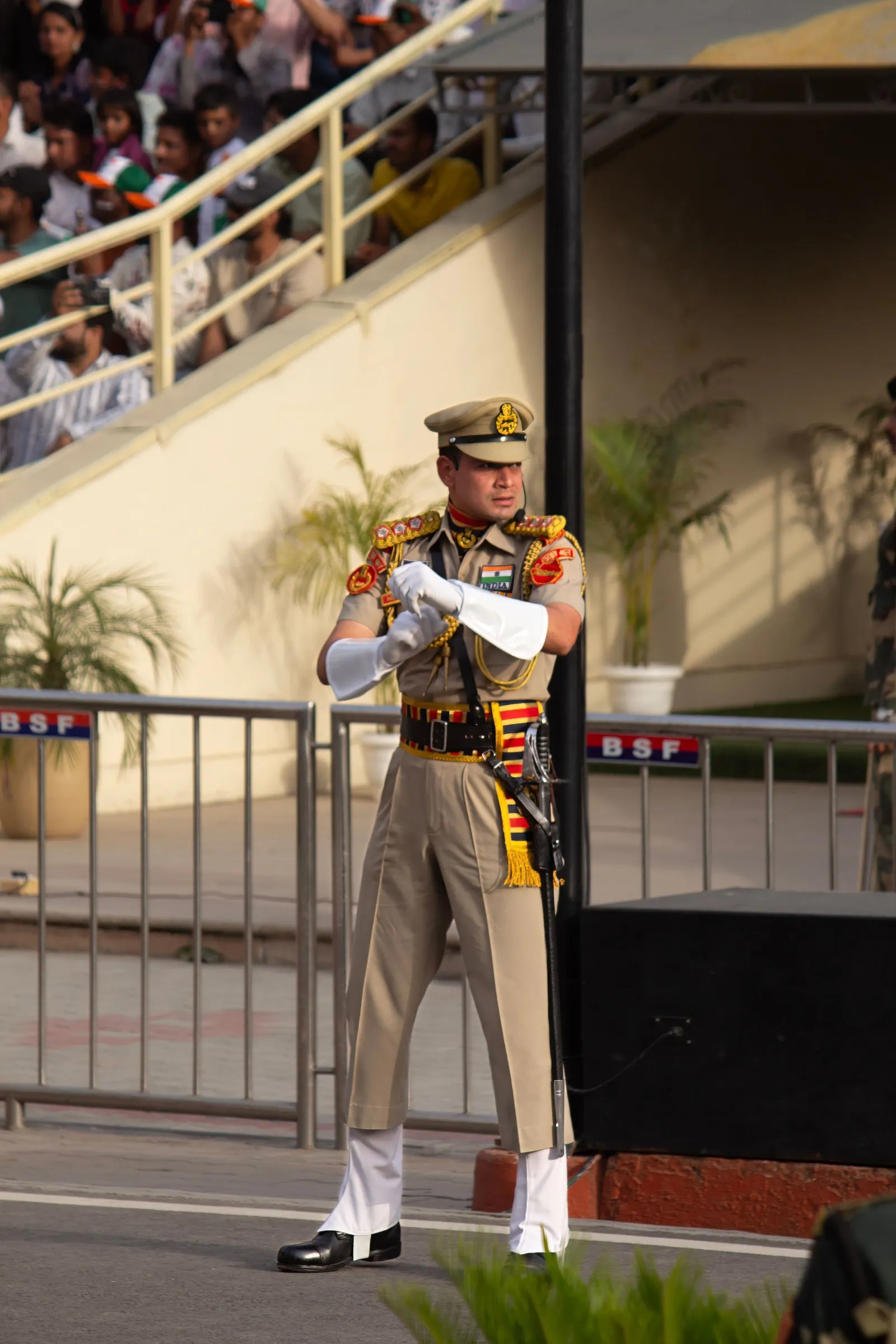
  • A Border Security Force soldier in his fan-crested turban at the Wagah border ceremony

    The Wagah ceremony

    Stamping, high kicks and the lowering of the flags at sunset, on the border between India and Pakistan.

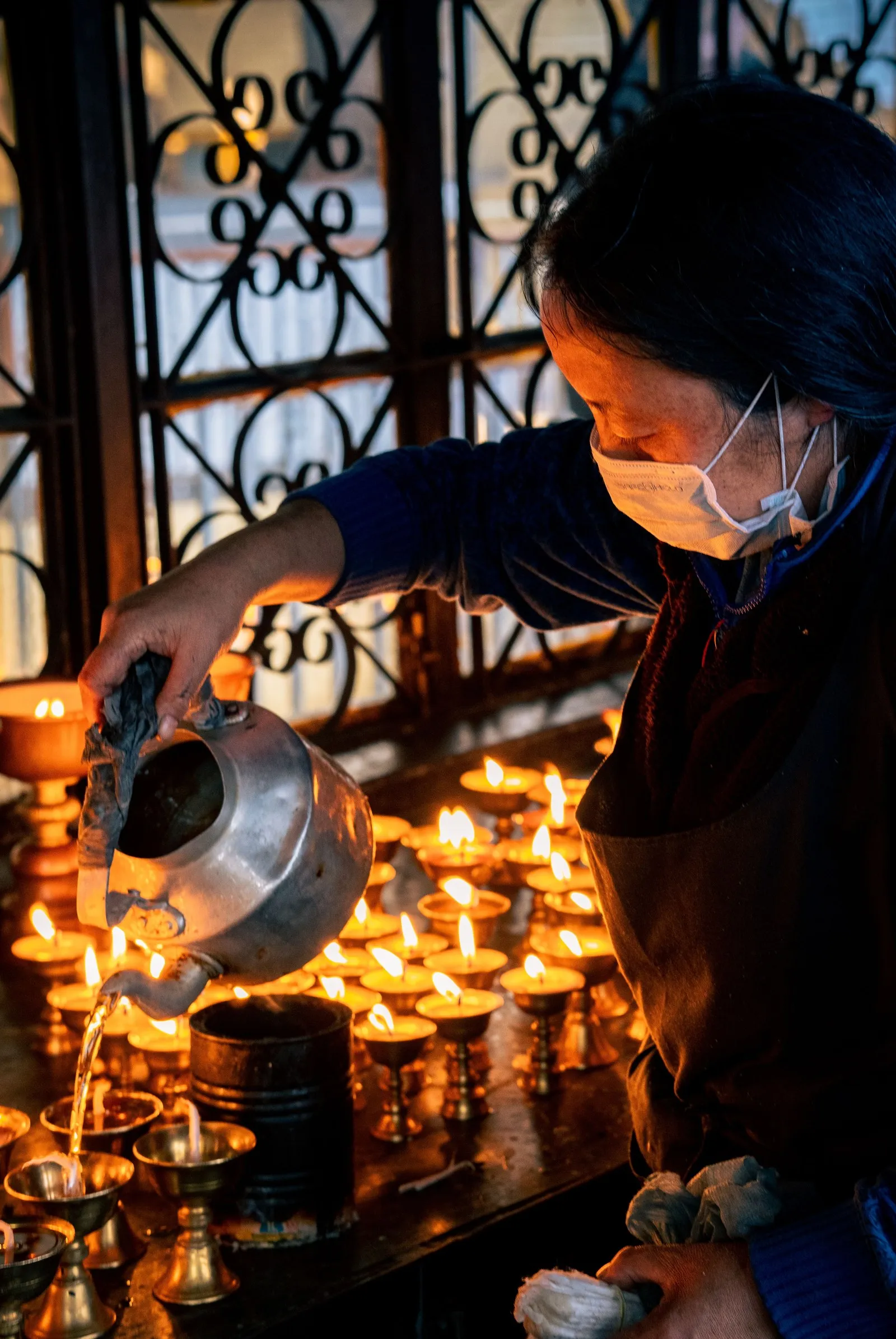
  • A woman refilling the lamps at a temple in Dharamshala

    Lamps in McLeod Ganj

    Rows of lamps kept burning in the Tibetan temples, and refilled every day by the faithful.

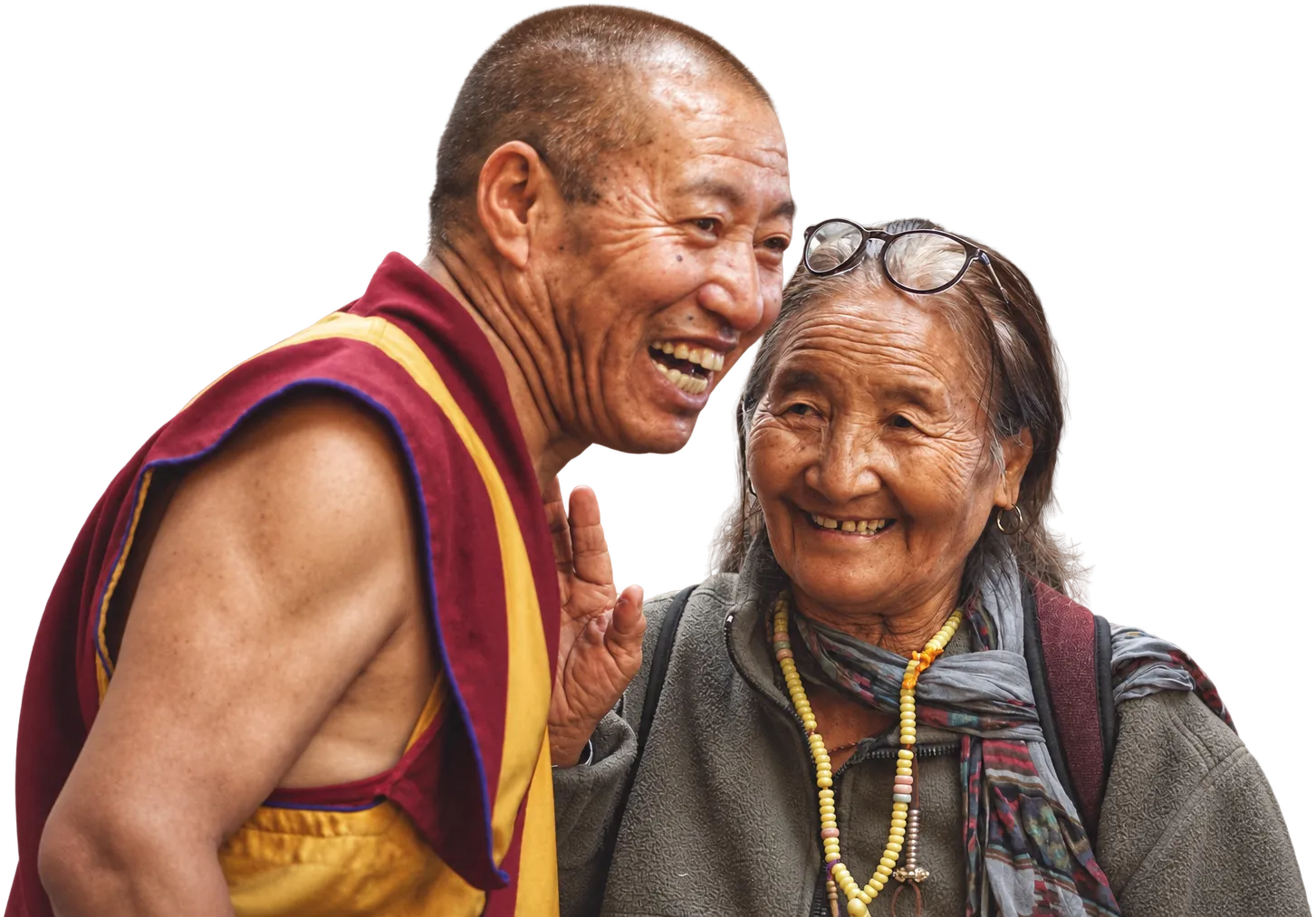
A Tibetan monk and an elderly woman laughing together, Dharamshala

Yoga · Spiritual · Himalaya

A yoga and spiritual journey: the Ganga, the Golden Temple and the home of the Dalai Lama

10 days, 9 nights

The route, day by day

Every halt, every overnight and every drive, published in full.

  1. Delhi
  2. Haridwar
  3. Rishikesh
  4. Amritsar
  5. Dharamshala
  6. Chandigarh
  7. Delhi
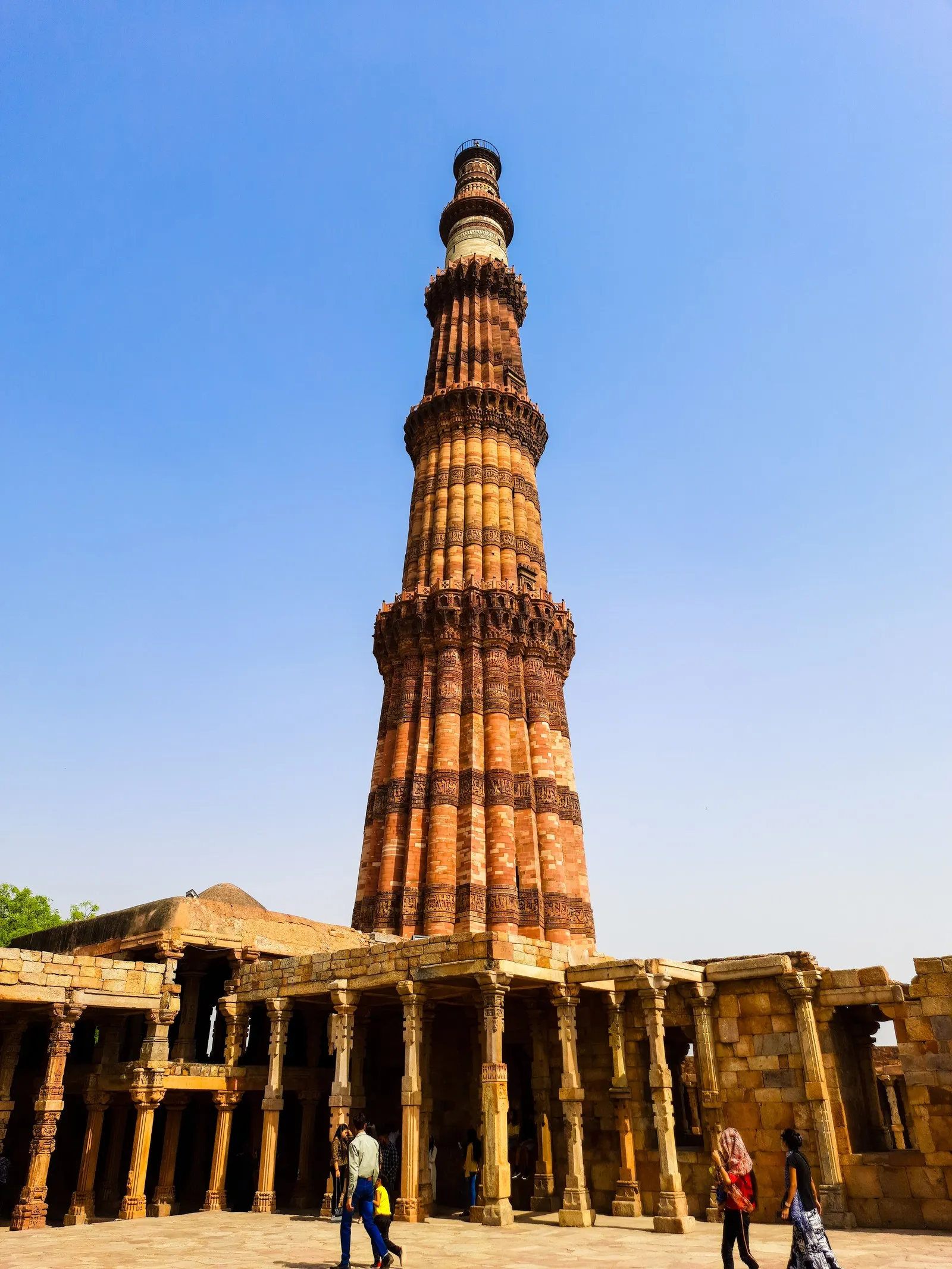
  1. The Qutub Minar above the colonnades of its ruined mosque, Delhi

    01

    Overnight Delhi

    Arrival: the two Delhis

    Met at Delhi airport and taken to your hotel. In the afternoon, a tour of the old city and the new. In Old Delhi, Shah Jahan’s Red Fort (closed on Mondays) and his Jama Masjid, a drive through the lanes of Chandni Chowk, and Raj Ghat, the plain memorial by the Yamuna where Mahatma Gandhi was cremated in 1948.

    In New Delhi, the Qutub Minar, the victory tower of the first sultans of Delhi, and Humayun’s Tomb, whose red sandstone and white marble show where the Taj Mahal came from. Then the Birla Mandir, the Laxminarayan temple Gandhi opened in 1939, and a drive down Kartavya Path past India Gate, Rashtrapati Bhavan, the Parliament and the Secretariat.
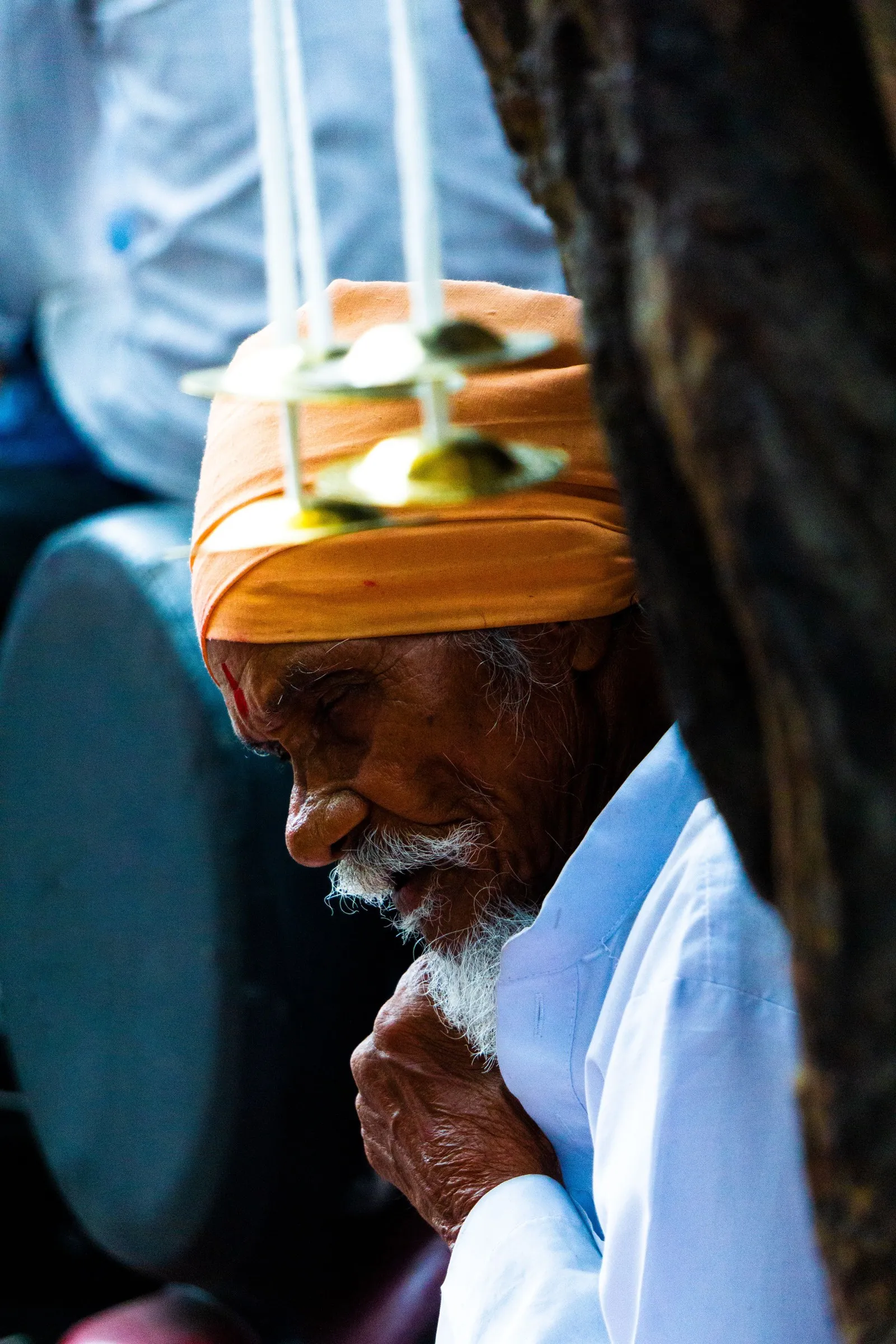
  2. An elderly man in a saffron turban, eyes closed in prayer, Haridwar

    02

    Overnight Rishikesh

    280 km · about 6 hrs

    Delhi – Haridwar – Rishikesh

    North to Haridwar, where the Ganga comes out of the hills onto the plains. Pilgrims come here from all over India to bathe, in the belief that the river washes away their sins, and every twelve years the city holds the Kumbh Mela, when millions come at once. At Har Ki Pauri, the most sacred of its ghats, you watch them step down into the fast, cold water, holding on to the chains.

    Then on up the river to Rishikesh, the yoga capital of the world, and your hotel for three nights. Before dinner, a first talk on yoga and meditation, to introduce the practice and the days ahead.

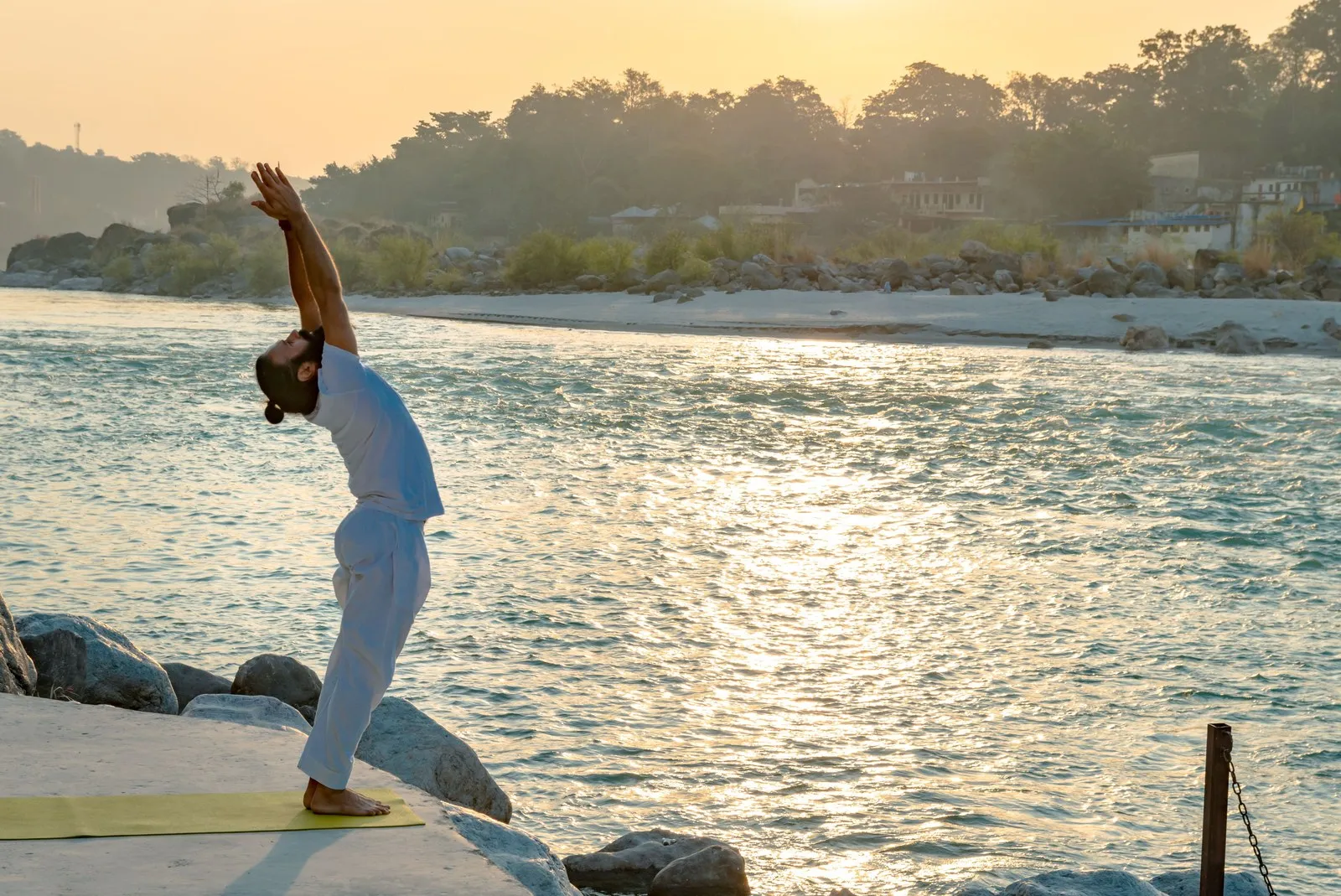
  3. A man at his yoga practice by the Ganga at sunrise, Rishikesh

    03

    Overnight Rishikesh

    Rishikesh: a day of yoga

    The day begins early, with a yoga session for body, breath and mind, and goes on with classes and other sessions through the day — postures, pranayama and meditation — with time between them to rest, or to sit by the Ganga and watch it run past, green and fast, out of the mountains.

  4. A sadhu in saffron walking the riverside at dusk, Rishikesh

    04

    Overnight Rishikesh

    Rishikesh: Laxman Jhula, the ashrams and the temples

    Early yoga and meditation, then breakfast, then out to Laxman Jhula, the iron suspension bridge upstream that gave this part of town its name. The bridge itself is closed now (see Before you book), but the view down the river towards Haridwar is the same, and the lanes around it are full of ashrams, temples and small cafés, loved by visitors and local people alike.

    In the evening, a second session of yoga and meditation. Meditation, the teachers say, is awareness without distraction: watching the breath, or listening to the birds in the trees along the river. Done with full attention, any of these becomes meditation, and the mind grows quiet.

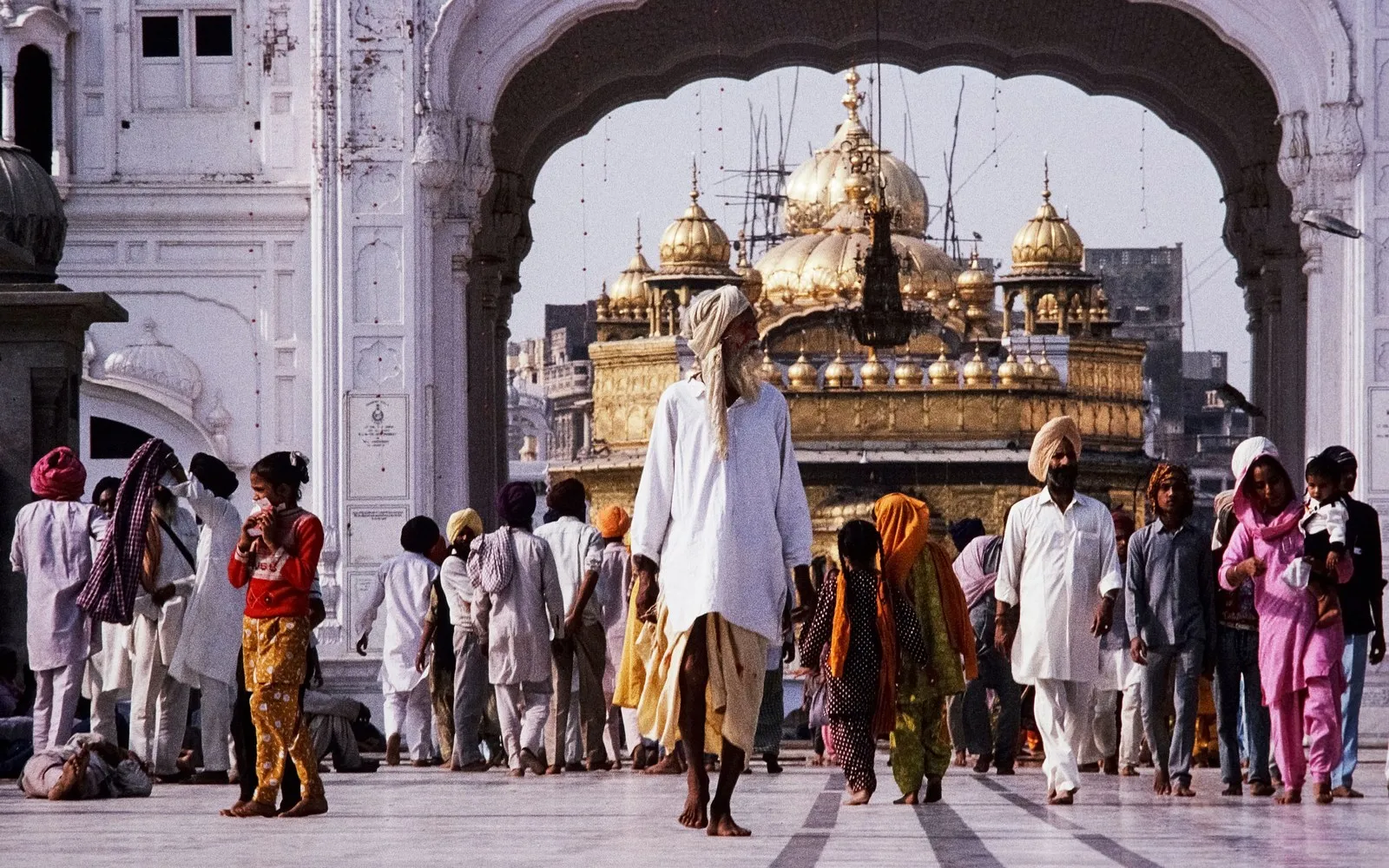
  5. Pilgrims coming through the gateway to the Golden Temple, Amritsar

    05

    Overnight Amritsar

    465 km · 8–9 hrs

    Rishikesh – Amritsar

    A long day on the road, down out of the hills and west across Haryana and the wheat fields of the Punjab to Amritsar. If you arrive in time, walk down in the evening to the Golden Temple, when the gilded sanctum is lit and doubled in its pool, and the hymns carry on late into the night.

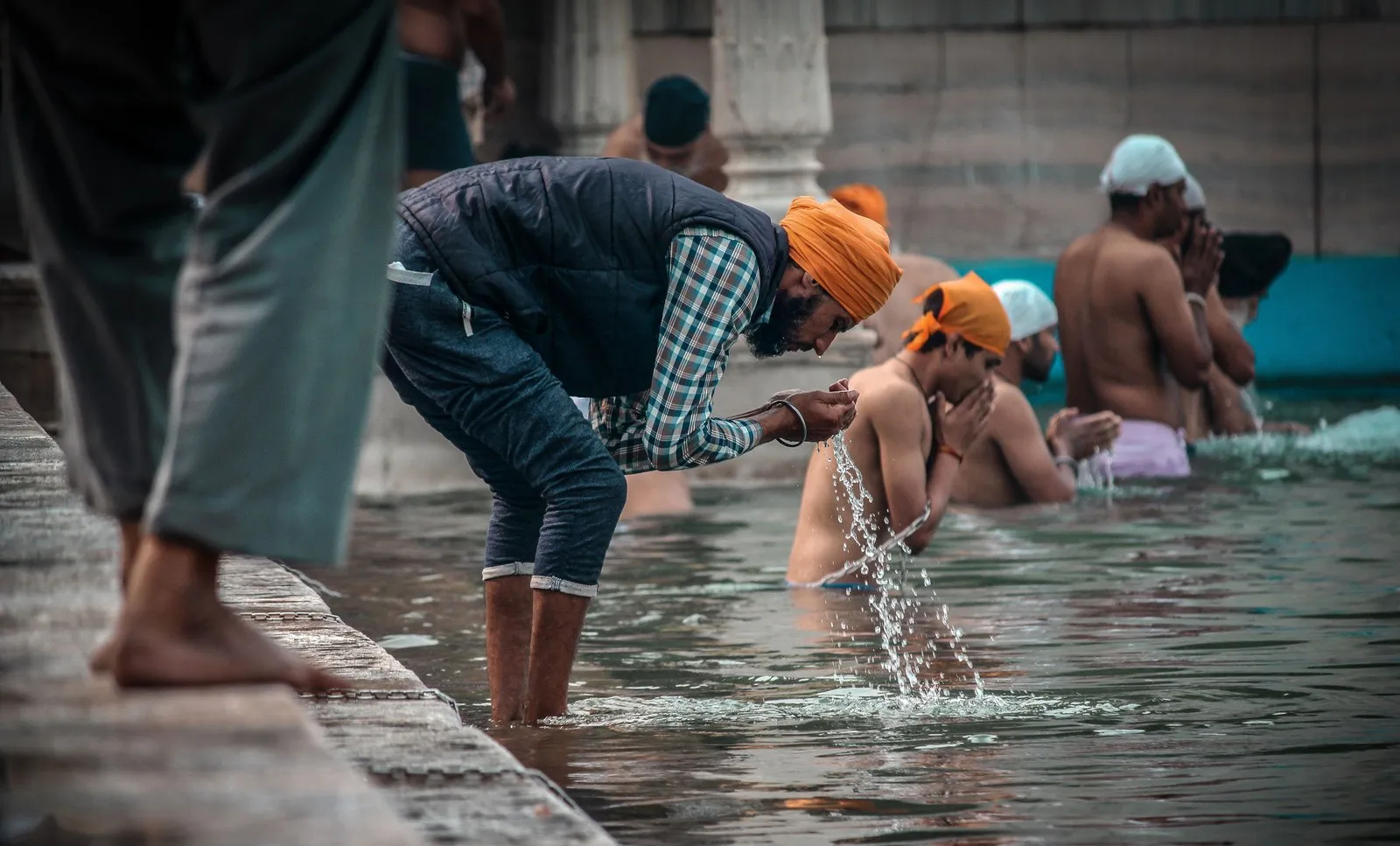
  6. Sikh men bathing in the sacred pool of the Golden Temple, Amritsar

    06

    Overnight Amritsar

    The Golden Temple, Jallianwala Bagh and the Wagah border

    Early to the Golden Temple, the Harmandir Sahib, the holiest shrine of the Sikhs. Guru Arjan, the fifth Guru, completed it in 1604 in the middle of the Amrit Sarovar, the pool of nectar that gave Amritsar its name; Maharaja Ranjit Singh covered its upper storeys in gilded copper in the early nineteenth century. You walk barefoot round the marble causeway as pilgrims bathe, and the kirtan, the singing of the hymns, goes on from before dawn until late at night.

    Everyone who comes, of any faith, is fed at the langar, the community kitchen run by volunteers, which serves tens of thousands of meals a day. Then the Akal Takht, facing the temple across the causeway, the seat of Sikh authority founded by the sixth Guru, Hargobind, in 1606; and Jallianwala Bagh, the walled garden where, on 13 April 1919, troops under General Dyer fired on an unarmed crowd of thousands, many of them in town for Baisakhi. The bullet marks are still in the walls.

    In the afternoon, 28 km out to the Wagah border for the Beating Retreat, the lowering of the flags at sunset: soldiers of India and Pakistan stamping, high-kicking and glaring at each other across the gate, and a stadium of spectators on each side cheering them on.

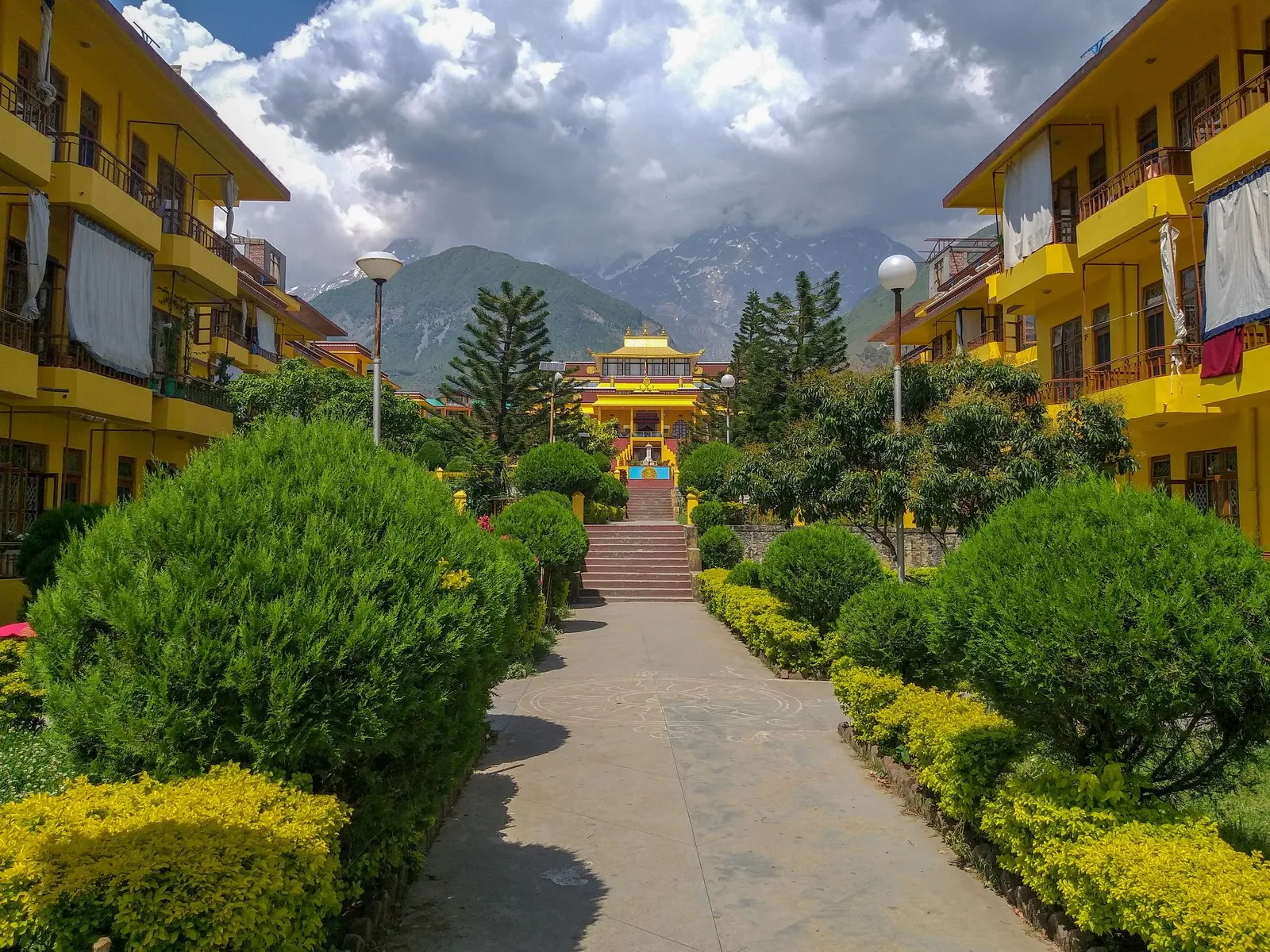
  7. A Tibetan monastery among its gardens below the Dhauladhar, Dharamshala

    07

    Overnight Dharamshala

    200 km · about 5 hrs

    Amritsar – Dharamshala

    North-east into the hills to Dharamshala, on the slopes of the Kangra valley below the snows of the Dhauladhar. In 1960, a year after he fled Tibet, the Dalai Lama settled at McLeod Ganj, just above the town, and it became the centre of the Tibetan community in exile, with its monasteries, nunneries, schools and the Tibetan government itself.

    In the afternoon, a visit to the Tibetan refugee community, to meet people and hear about their lives in exile and the struggle over their homeland. Volunteers from many countries teach languages and computer skills to Tibetan children here; if you would like to join them, ask us well before you travel. Towards evening, the little Dal Lake and the sunset point at Naddi, looking out over the valley to the peaks.

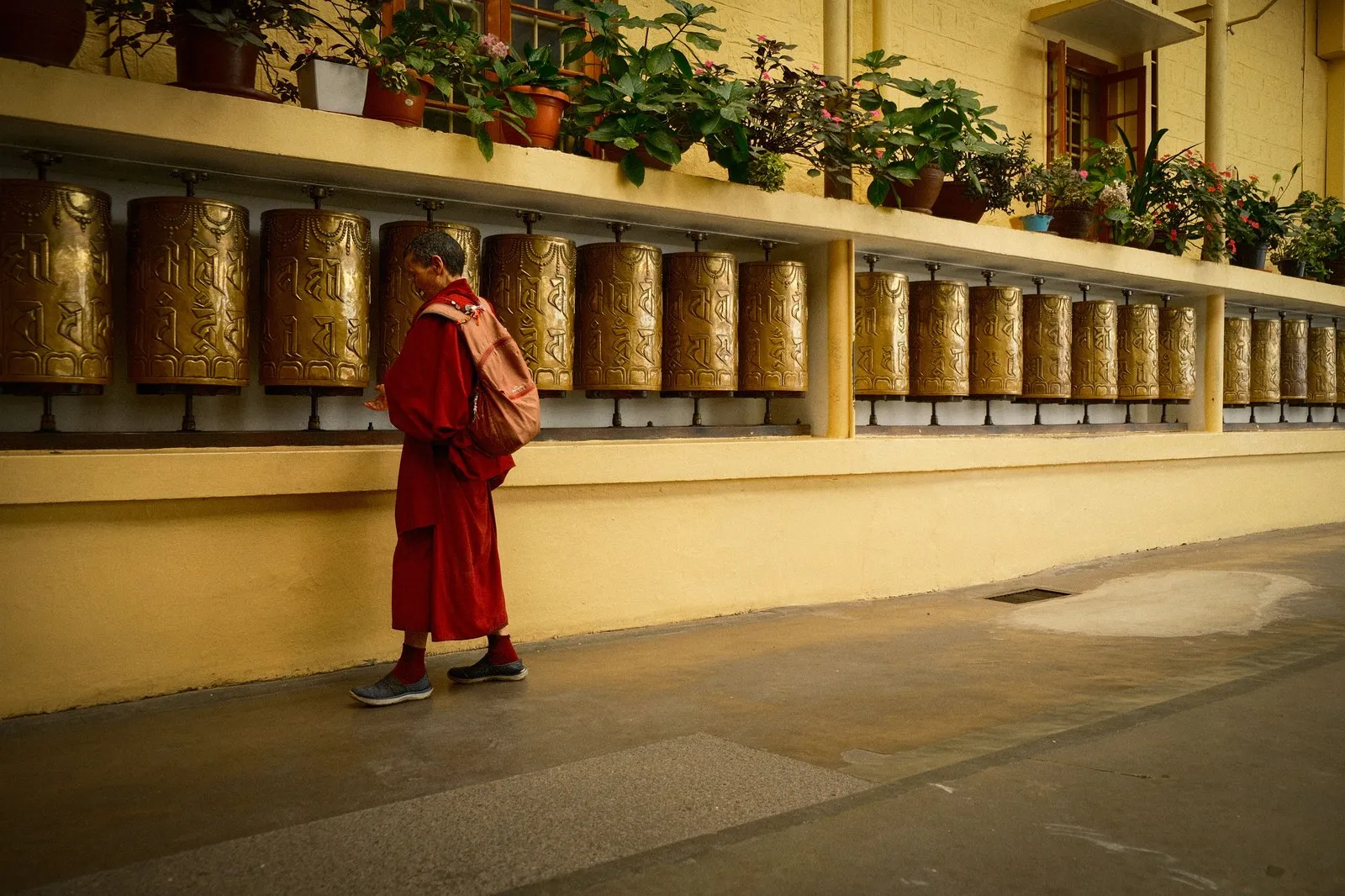
  8. A monk turning the prayer wheels at a temple in Dharamshala

    08

    Overnight Dharamshala

    The Tsuglagkhang and Bhagsu Nag

    In McLeod Ganj, the Tsuglagkhang, the main temple of the Tibetans in exile, beside the Dalai Lama’s residence. Its shrine holds a gilded Buddha; Avalokiteshvara, the bodhisattva of compassion, of whom the Dalai Lama is held to be an emanation; and Padmasambhava, who helped bring Buddhism to Tibet. You can sit in the meditation hall, and turn the prayer wheels outside as the pilgrims do. Down the hill, the Library of Tibetan Works and Archives keeps old manuscripts and texts, and holds classes in Buddhist philosophy.

    Then up to Bhagsu Nag, a temple to Shiva with two bathing pools that pilgrims hold to have healing powers, and a short walk beyond it the Bhagsu waterfall, dropping through the deodar forest. The path is rough and uneven in places, so wear good shoes.

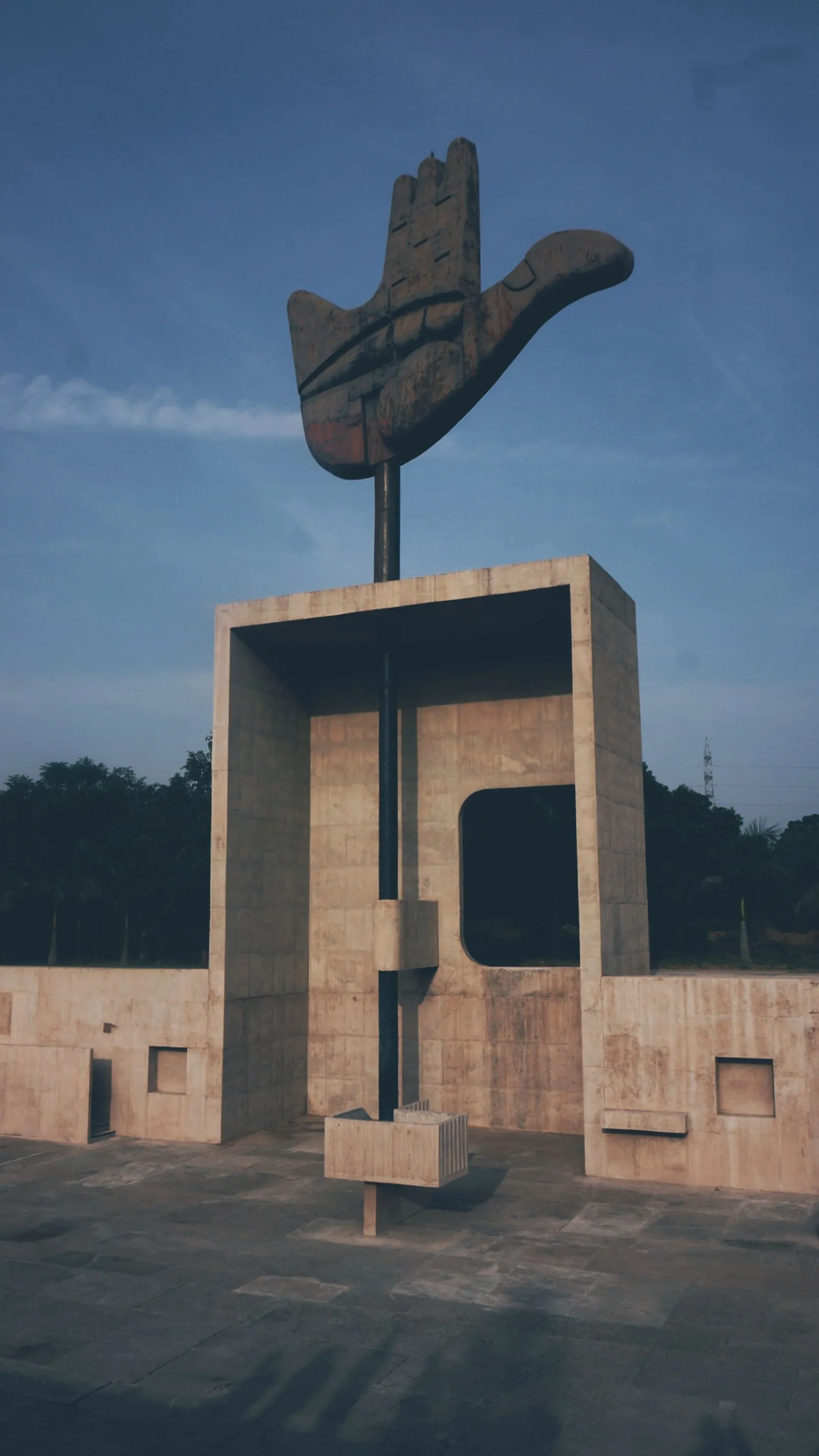
  9. Le Corbusier’s Open Hand monument, Chandigarh

    09

    Overnight Chandigarh

    240 km · about 5 hrs

    Dharamshala – Chandigarh

    Down out of the hills to Chandigarh, the capital of both the Punjab and Haryana, which Le Corbusier planned in the 1950s — one of the first planned cities of independent India, laid out in numbered sectors among wide green avenues.

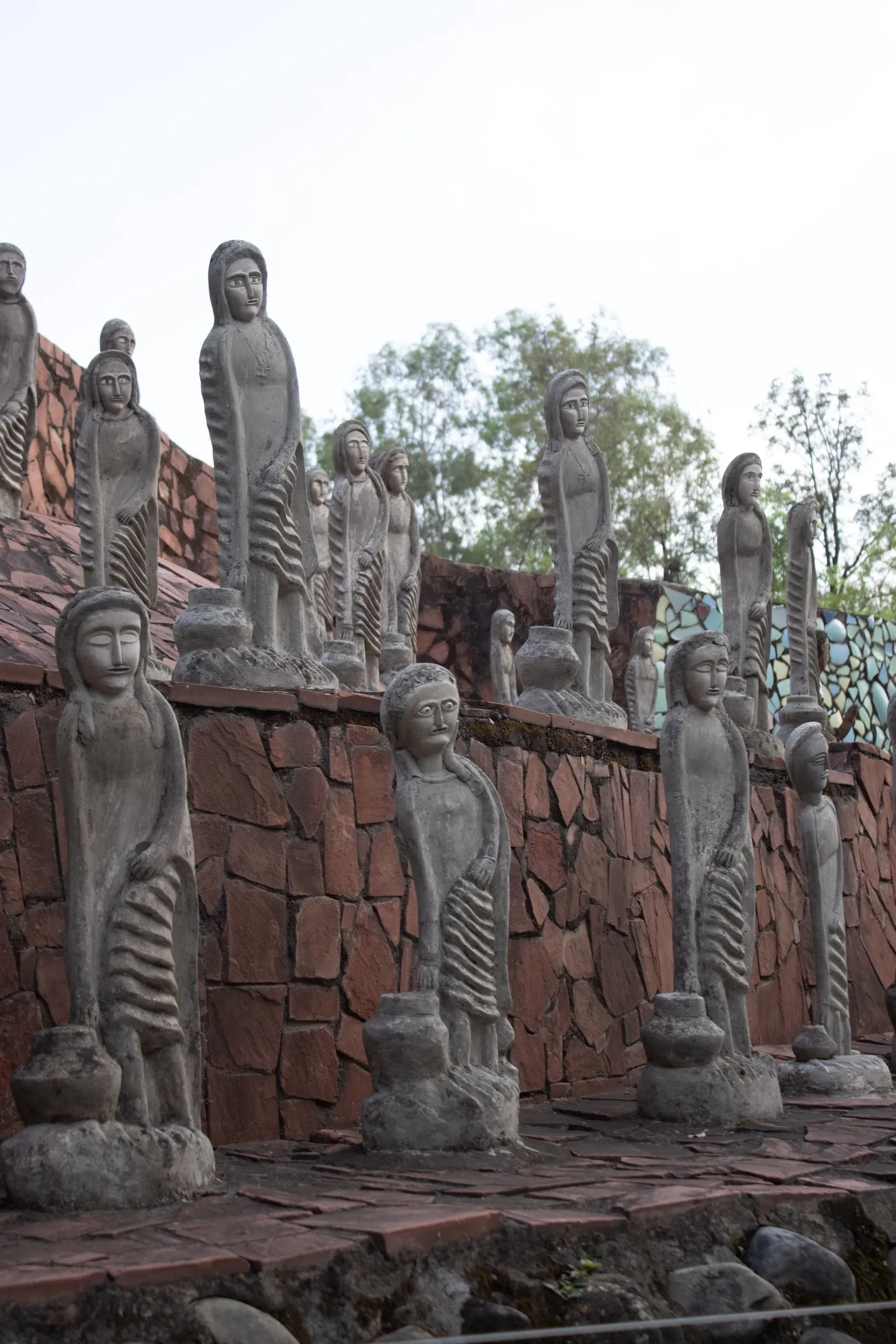
    In the afternoon, his Capitol Complex, the Assembly, the Secretariat and the High Court in raw concrete, with the Open Hand monument, now listed by UNESCO; and the Rock Garden, the garden of figures that Nek Chand, a road inspector, began building in secret from broken crockery, tiles and waste.

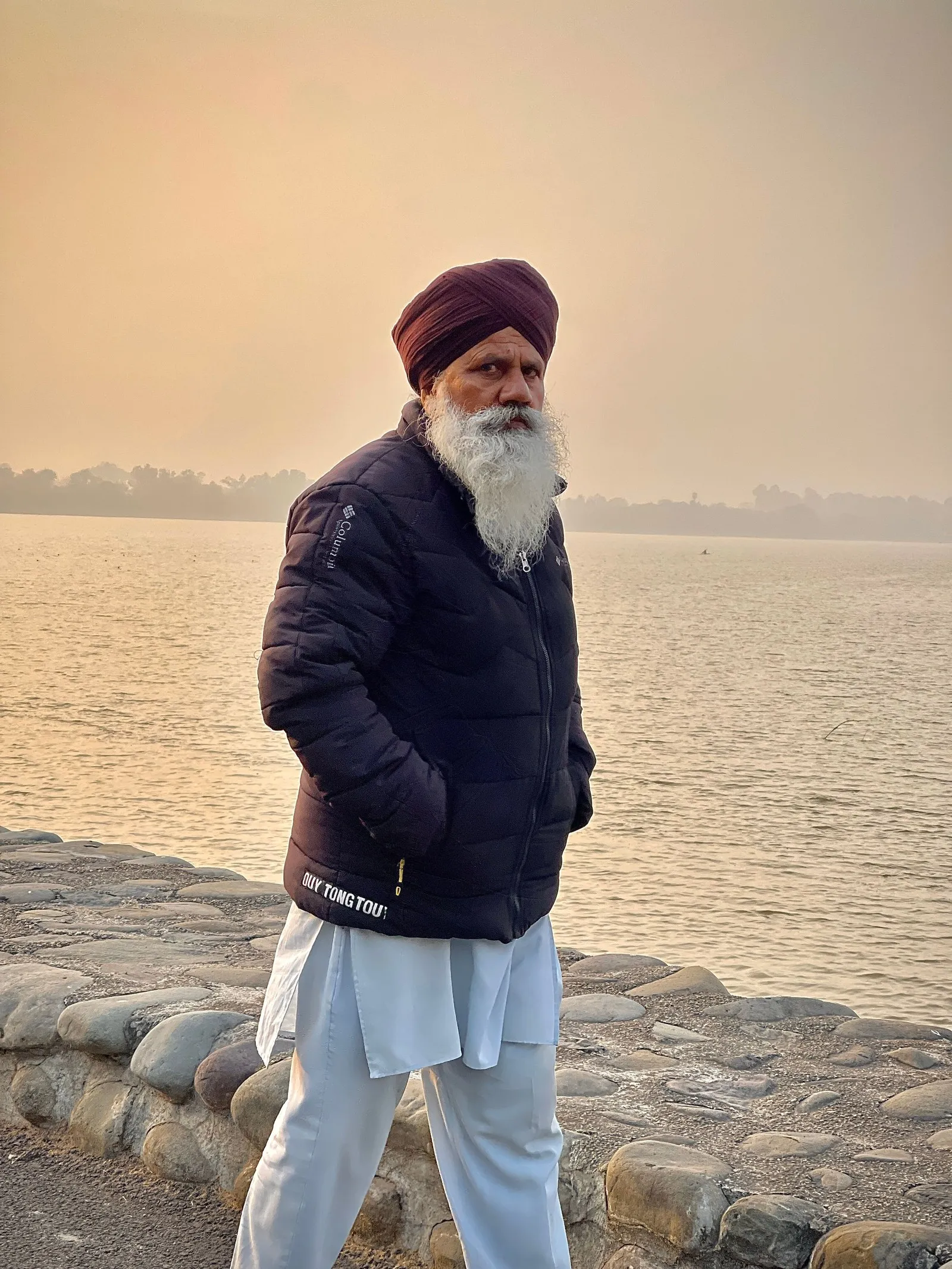
  10. An elderly Sikh man walking by the lake at sunset, Chandigarh

    10

    Departure

    245 km · 4–5 hrs

    Chandigarh – Delhi airport

    A last morning in Chandigarh — Sukhna Lake, at the foot of the Shivalik hills, is the place to walk — then the drive south to Delhi and the airport for your flight home.

Like the route? We will write it for your dates.

The price

What the price covers

The commonest reason travellers abandon an enquiry is not knowing what is covered. Every Rang Travels quotation itemises it — this is the usual shape for this journey.

Included

  • 9 nights with breakfast
  • A private air-conditioned car with driver for the whole journey, from Delhi airport back to Delhi airport
  • Local guides for the sightseeing in Delhi, Haridwar, Amritsar, Dharamshala and Chandigarh
  • Yoga and meditation sessions in Rishikesh, from the introductory talk on Day 2 to the evening session on Day 4
  • The excursion to the Beating Retreat at the Wagah border
  • Tolls, parking and the driver’s allowances

Not included

  • International flights
  • Entrance fees at the monuments and temples
  • Lunches and dinners
  • Visa, travel insurance and tips

Price on request

Quoted to your dates,
your hotels and your pace

Before you book

Holy places, long drives and the season

A journey through three faiths and four states. Please read these before you confirm.

At the Golden Temple

  • Everyone covers their head inside the complex — scarves are lent at the entrance — and leaves their shoes at the shoe stands before washing their feet and going in. Tobacco and alcohol are not allowed.

At the Wagah border

  • The ceremony draws thousands every evening, and the stands fill early. Carry your passport and leave your bags in the car: there are security checks at the gate.

In Rishikesh and Dharamshala

  • Haridwar and Rishikesh are vegetarian towns, and alcohol is not sold in them. Cover your shoulders and knees at the temples and on the ghats.
  • The old Laxman Jhula suspension bridge has been closed to crossing since 2019, and a new bridge has been built beside it. You see the old bridge from the bank, and cross the river by whichever bridge is open.
  • Walk clockwise round Tibetan temples, stupas and prayer wheels, and take off your shoes and hat in the temple halls.

The drives and the hills

  • Rishikesh to Amritsar is the long day: about 465 km, eight to nine hours with stops. The other drives are four to six hours.
  • McLeod Ganj stands at about 2,000 metres, with steep lanes. Nights are cool even in spring, and cold from December to February.

The season

  • October and November, and February to April, are the best months. May and June are very hot on the plains of the Punjab, and the monsoon, from about July to September, brings heavy rain to Dharamshala.

Questions

Before you go

The questions travellers ask about this journey, answered from the itinerary itself. Anything else — ask, and a curator replies.

When is the best time to go?

October and November, or February to April, when the plains are pleasant and the hills clear. May and June are very hot in Amritsar, and the monsoon brings heavy rain to Dharamshala from about July to September.

Do I need to have done yoga before?

No. The sessions in Rishikesh suit beginners as well as people who already practise; tell us your level, and any injury, when you book.

How fit do I need to be?

Reasonably. The walking is easy, except in McLeod Ganj, where the lanes are steep, and on the path to the Bhagsu waterfall. There is one long drive, from Rishikesh to Amritsar.

What should I wear at the Golden Temple?

Clothes that cover your shoulders and legs, and a scarf or cloth to cover your head — scarves are lent at the entrance. Shoes and socks come off at the gate.

Can I volunteer with the Tibetan community?

Yes, but it has to be arranged in advance. Tell us when you book and we will pass on your request; most volunteers teach languages or computer skills to Tibetan children.

Do I need a visa for India?

Most visitors do, and many nationalities can apply online for an e-Visa before they travel. The rules differ by passport, so check the current requirements when you book.

The gallery

On the road

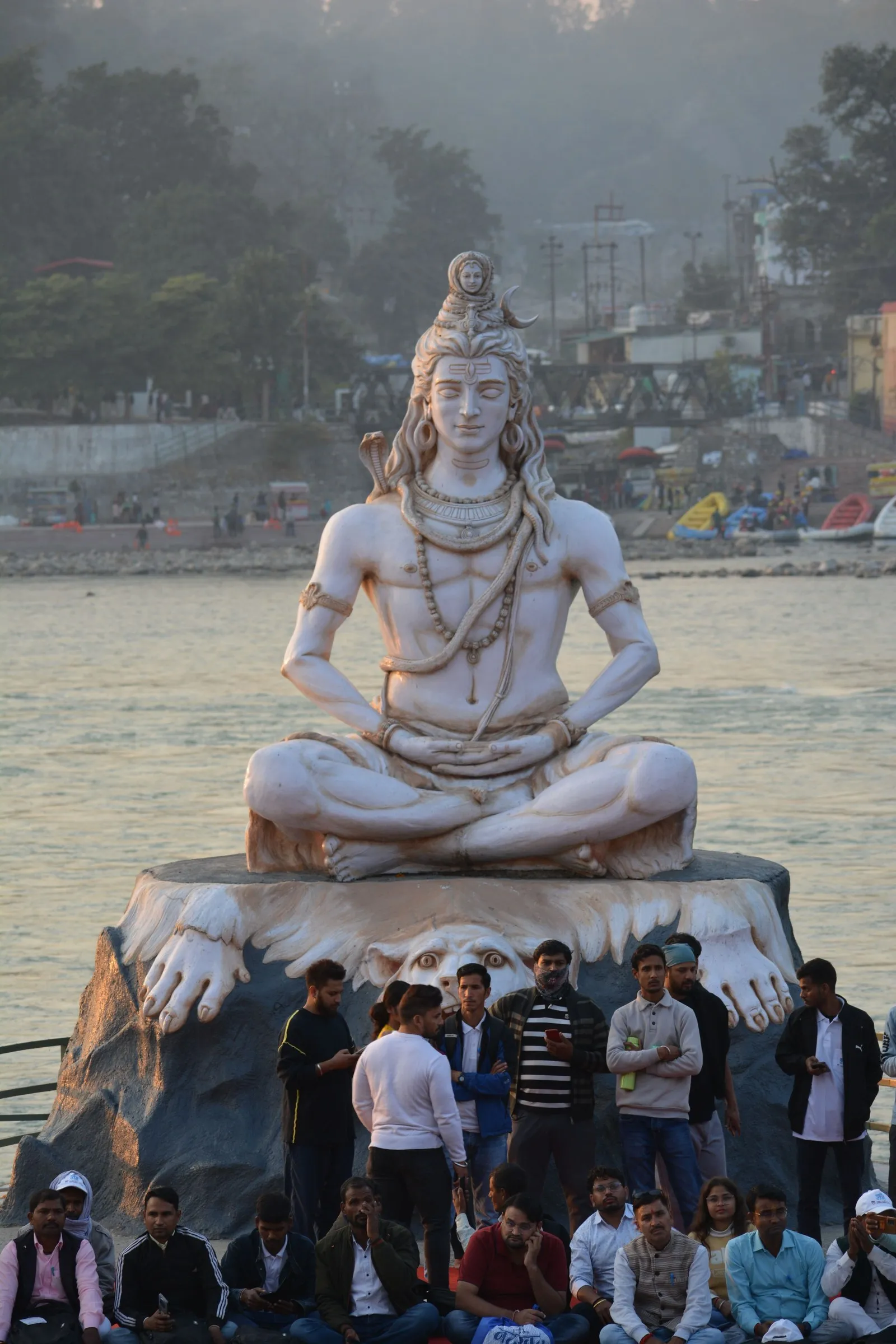
  • The white statue of Shiva on the Ganga at Rishikesh, pilgrims below
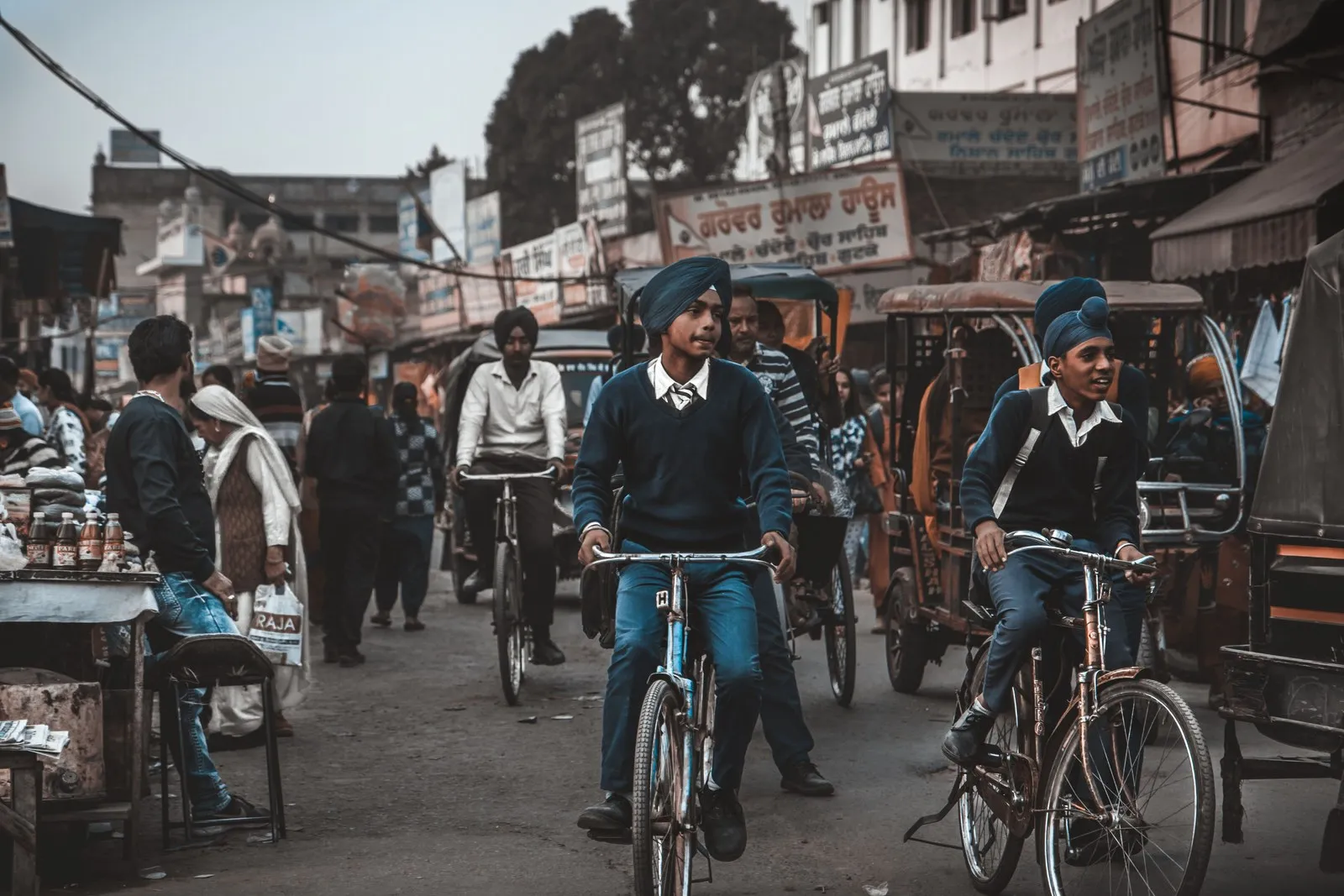
  • Boys cycling through a busy market street in Amritsar
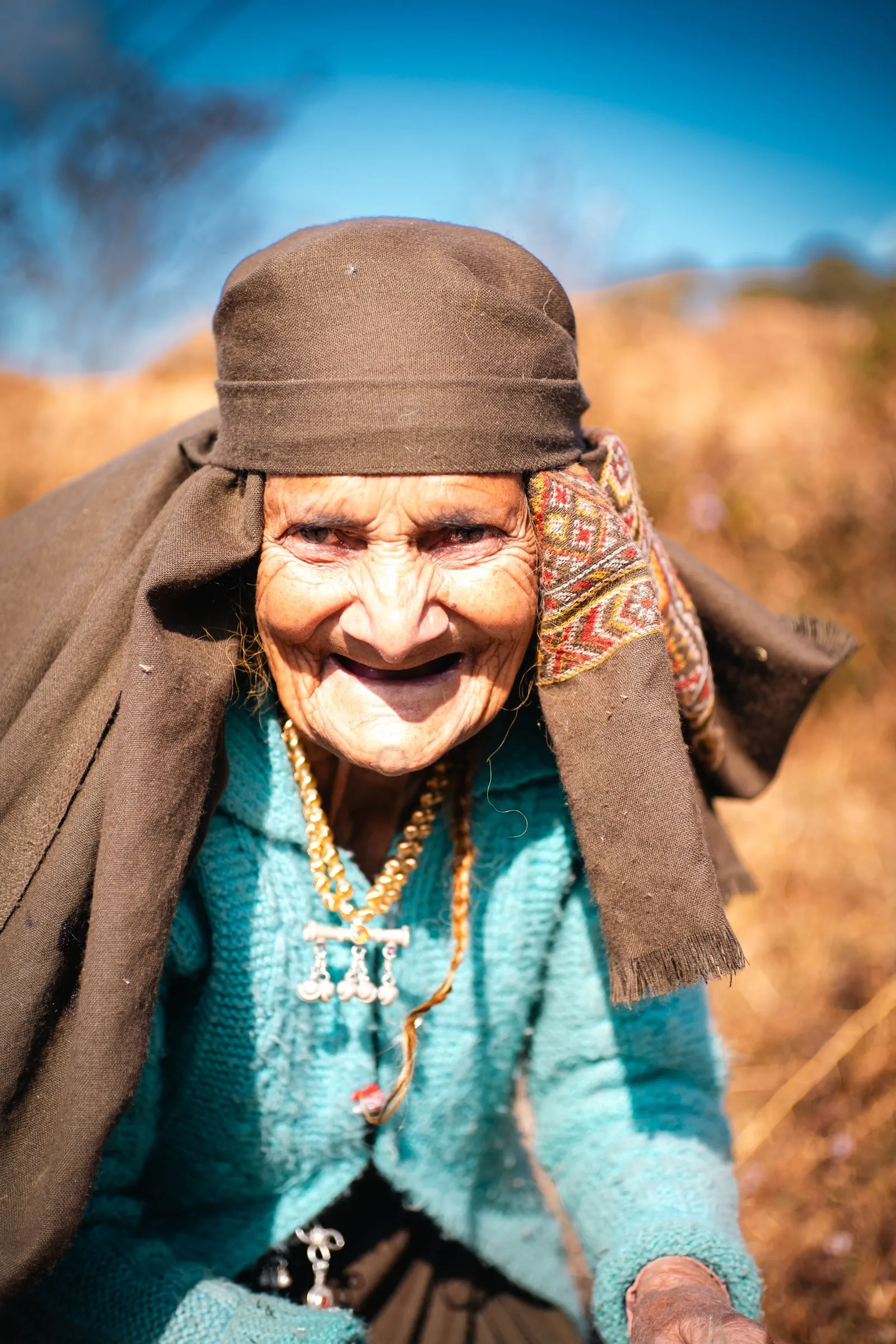
  • An elderly woman in traditional Himachali dress, Dharamshala
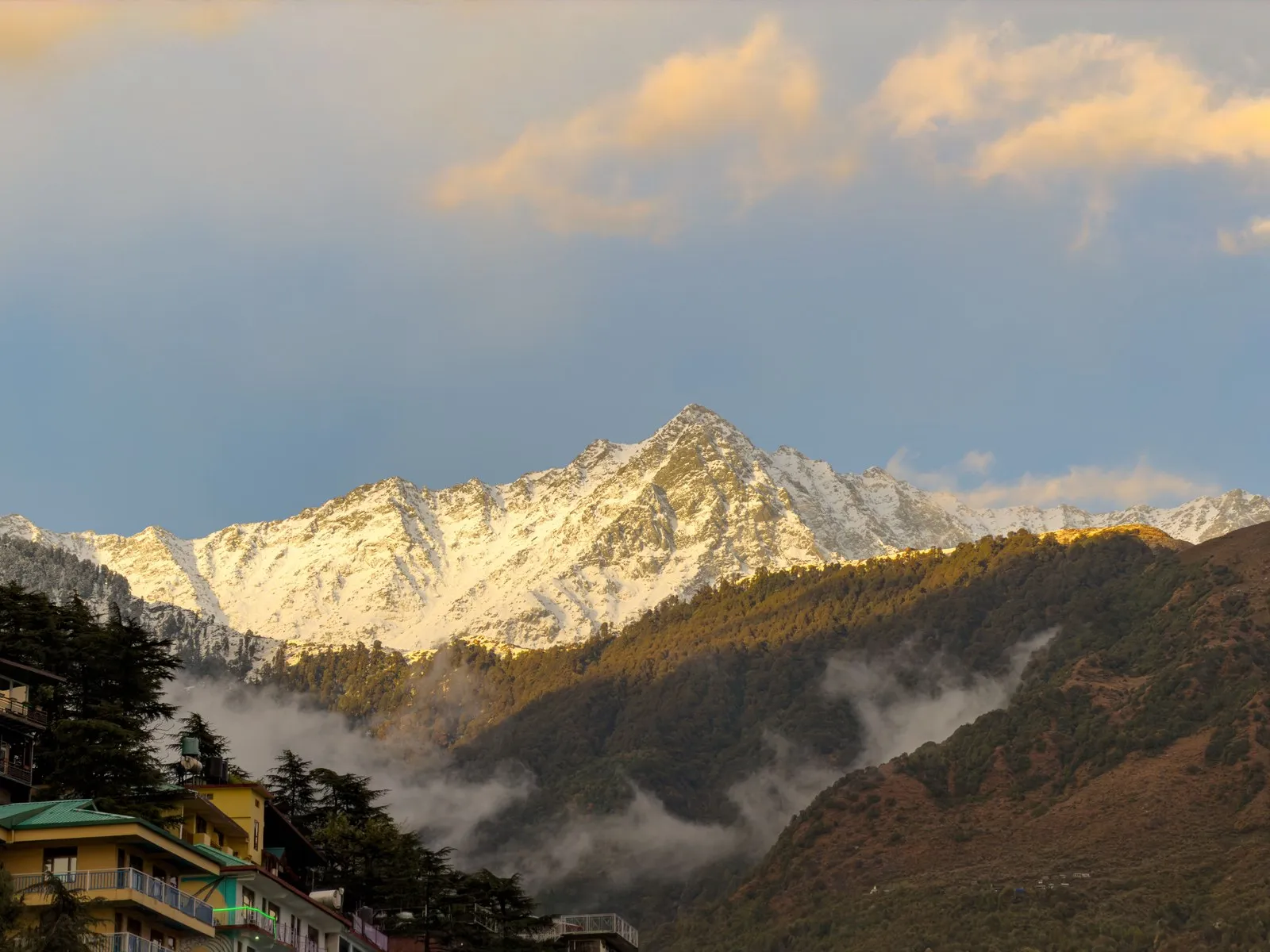
  • The snows of the Dhauladhar range above Dharamshala
  • Rows of sculpted figures in Nek Chand’s Rock Garden, Chandigarh

Reviews

In their own words

Word for word, several in Italian, because Italy found us early. 5.0 from 146 reviews on Google, and 5.0 from 200 on TripAdvisor.

I had an incredible adventure with Rang Travels in Northern India earlier this year! The tour was jam packed. I loved the beautiful forts and buildings we visited, the markets, as well as the stunning World Heritage hotels. This tour gave me a real taste for India, and I felt very comfortable for my first time visiting!

Read the whole review on Google

Jess Foster

Northern India · May 2025

1 / 19

Enquire

Plan my journey

Tell us where your India begins — we reply with a written itinerary.

Travellers
When, roughly
Interests
Or ask on WhatsApp

No obligation. We reply with a written itinerary, not a sales call.