Rang Travels — explore the colors of India
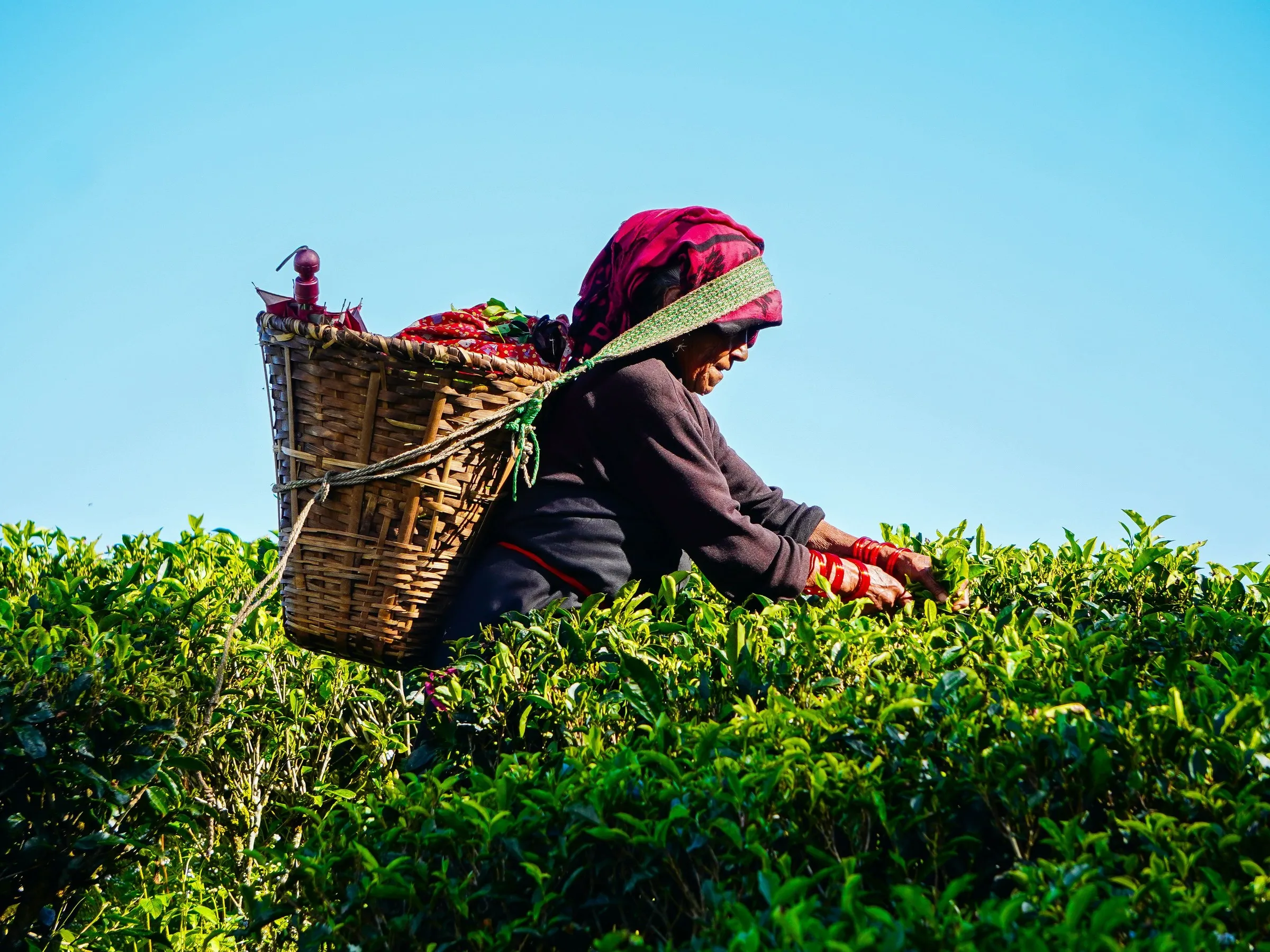
A tea picker with her wicker basket bent over the bushes in a Darjeeling tea garden

Himalaya · Monasteries · Tea gardens

Sikkim & Bhutan

Darjeeling’s tea and toy train, Sikkim’s monasteries, and the road into Bhutan

See the day-by-day
Duration
15 days · 14 nights
Halts
8
Kolkata to Paro
Best months
March – May · October – December
Price
On request
quoted to your dates

The journey

Fifteen days from Kolkata into the eastern Himalaya: Darjeeling, Pelling, Gangtok and Kalimpong, then by road into Bhutan for Thimphu, Punakha and Paro.

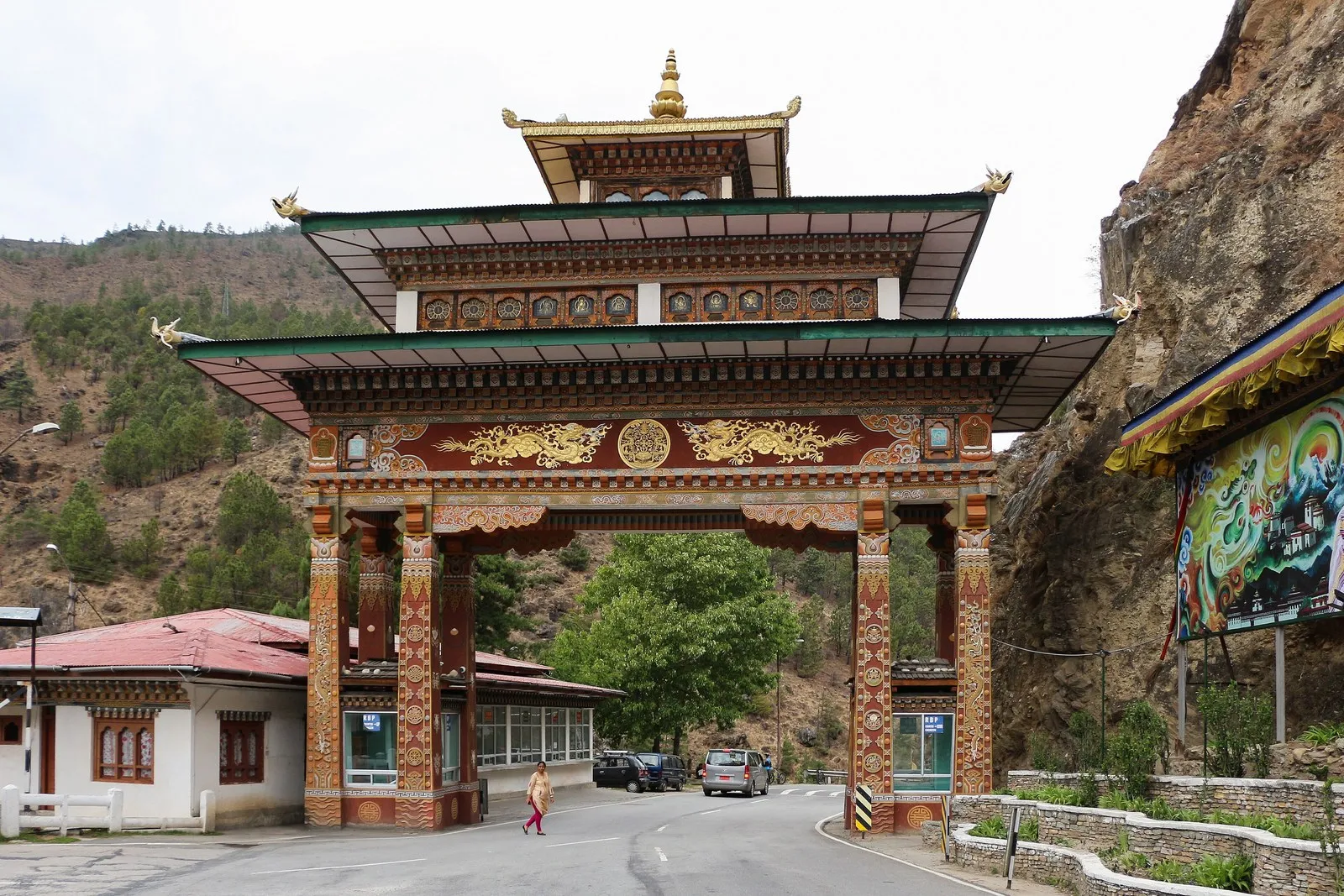
This is the eastern Himalaya taken slowly, and by road. From Kolkata you fly north to Bagdogra and climb into the Darjeeling hills, where tea grows on every slope and the toy train still climbs to Ghum. Then Sikkim: Pelling, facing Kanchenjunga across the valley; Gangtok and the great monastery at Rumtek; and Kalimpong, on its ridge above the Teesta. And instead of flying into Bhutan, you drive in through the gate at Phuentsholing and watch the country change around you.

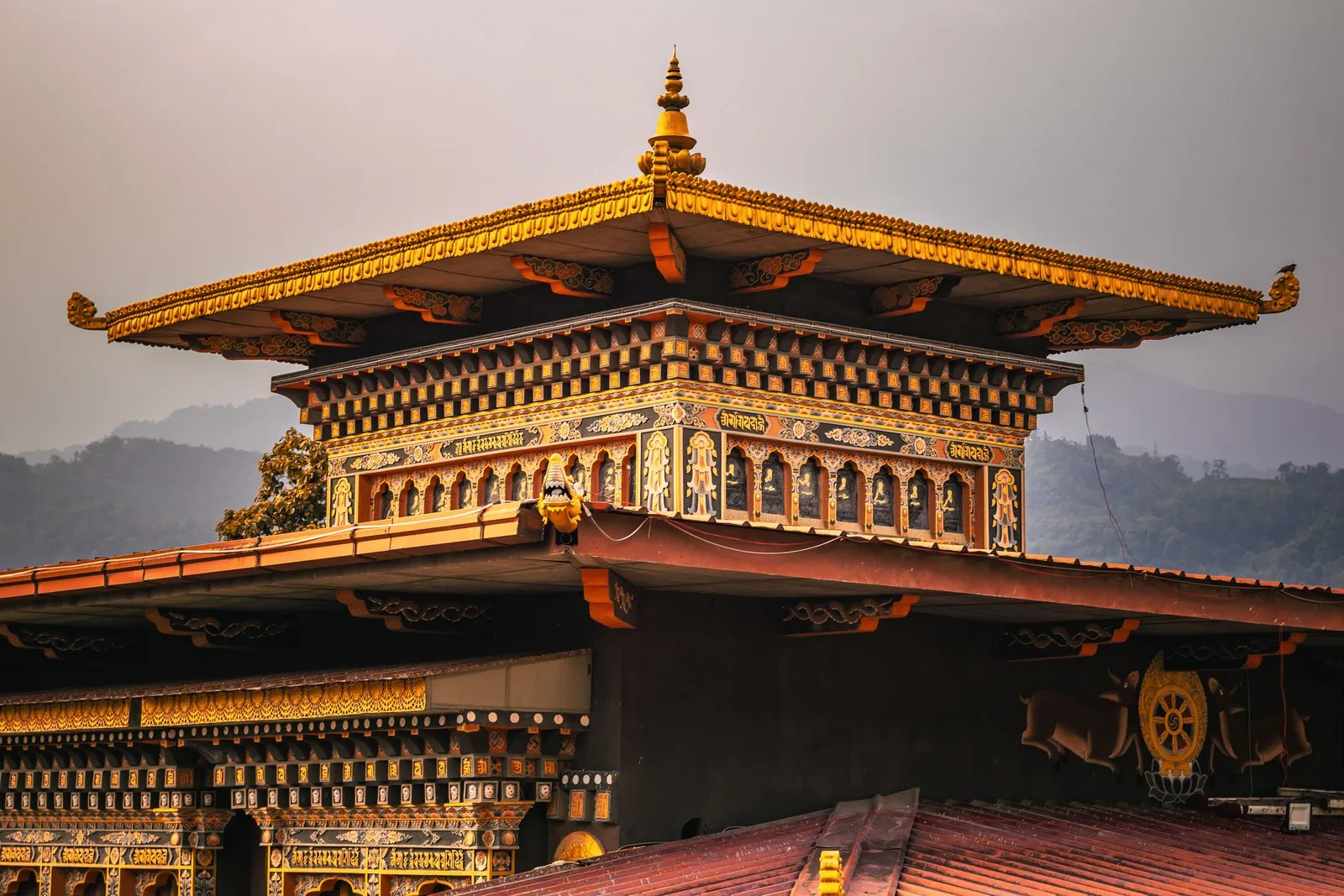
In Bhutan the road climbs from the plains to Thimphu, the capital, where a giant Buddha looks down the valley and the King’s throne room sits inside Tashichho Dzong. Over the Dochu La, with its 108 chortens and, on a clear day, the snow peaks along the northern border, you come down to Punakha and its dzong at the meeting of two rivers. The journey ends in Paro, below the Tiger’s Nest, a monastery built into a cliff where Guru Rinpoche is said to have meditated.

Highlights

What you will remember

  • Sunrise on Kanchenjunga from Tiger Hill, above Darjeeling

  • The toy train to Ghum, and a morning in the Darjeeling tea gardens

  • Pemayangtse, Enchey and Rumtek, the great monasteries of Sikkim

  • Kalimpong on its ridge above the Teesta, and its twice-weekly market

  • Into Bhutan by road, through the border town of Phuentsholing

  • Thimphu, the 108 chortens of the Dochu La, and Punakha Dzong

  • The walk to the Tiger’s Nest above the Paro valley

The route

9 halts, in order

  1. Kolkata
  2. Darjeeling2 nights
  3. Pelling1 night
  4. Gangtok2 nights
  5. Kalimpong1 night
  6. Phuentsholing1 night
  7. Thimphu2 nights
  8. Punakha2 nights
  9. Paro

Experiences

The moments it is built around

Everything else on this page is logistics. These are the reasons to come.

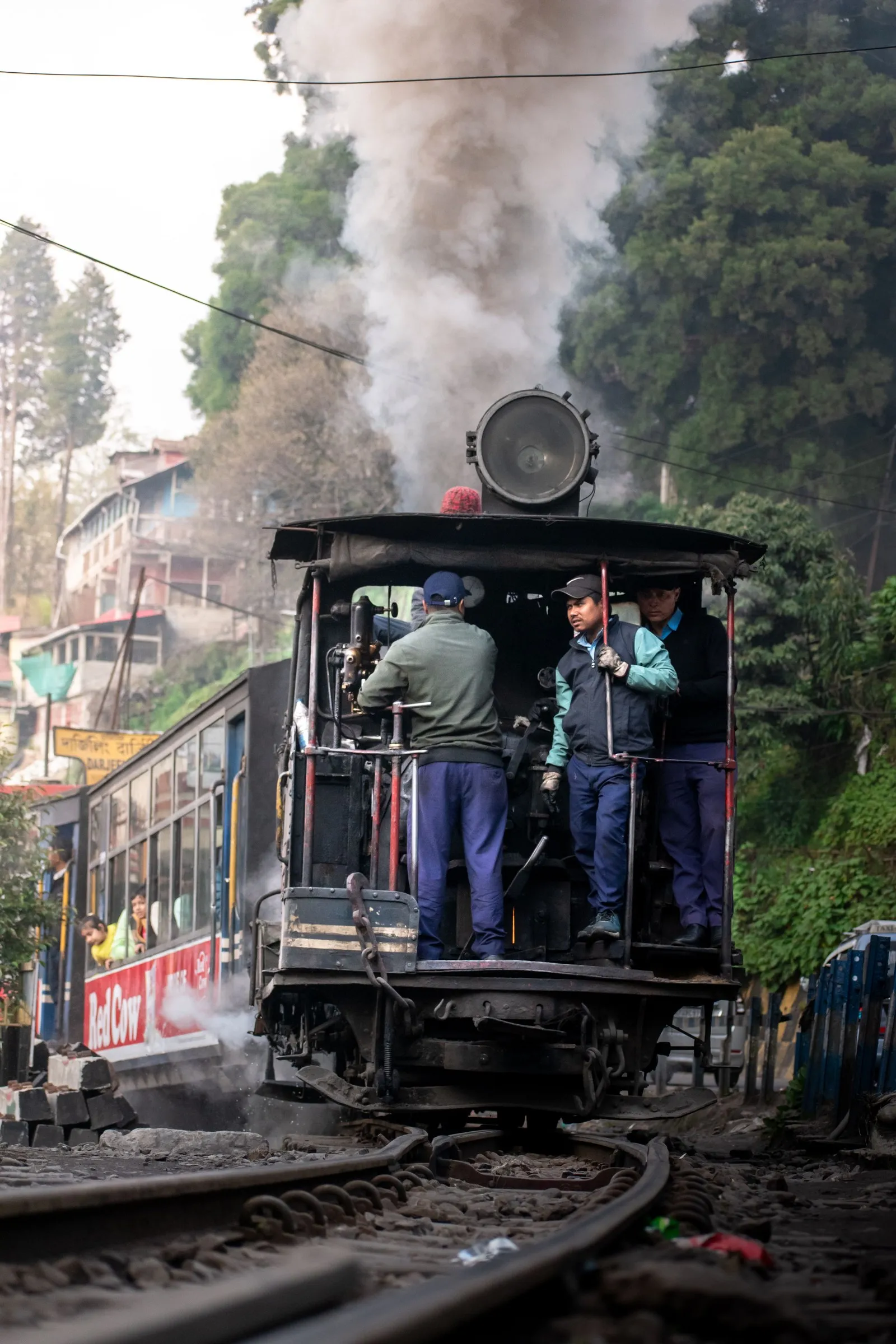
  • The crew on the footplate of a Darjeeling Himalayan Railway steam engine, smoke rising

    The toy train to Ghum

    The Darjeeling Himalayan Railway, opened in 1881, loops round Batasia on its way up to Ghum.

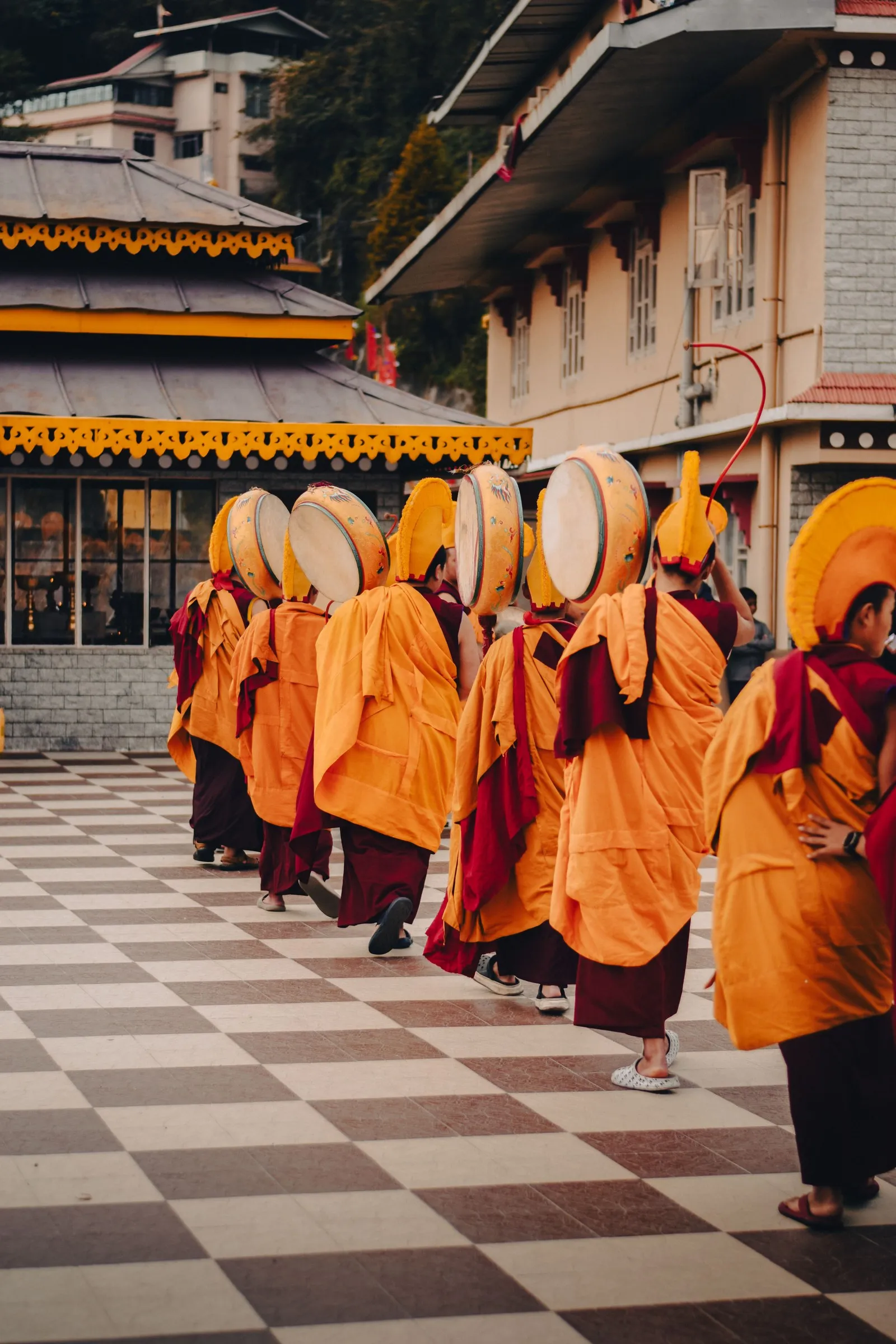
  • Monks in crested yellow hats carrying drums in procession at a monastery in Gangtok

    The monasteries of Sikkim

    Pemayangtse’s carved heavenly palace, Enchey’s golden cupola, and Rumtek, built by the 16th Karmapa.

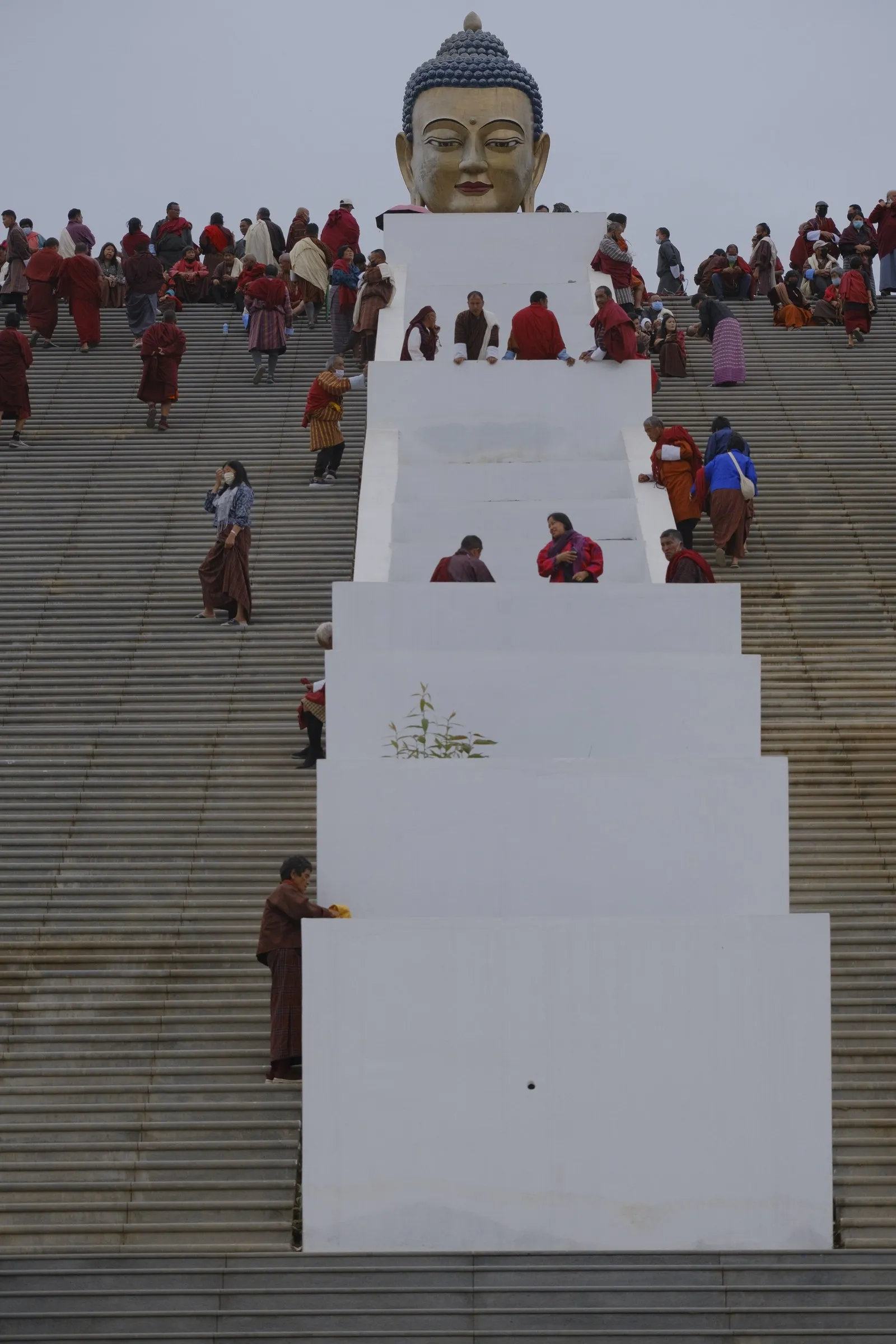
  • People in national dress climbing the long stairs below the Buddha Dordenma, Thimphu

    Buddha Point, Thimphu

    The Buddha Dordenma, the largest statue of the Buddha in Bhutan, looks down the Thimphu valley from its hill.

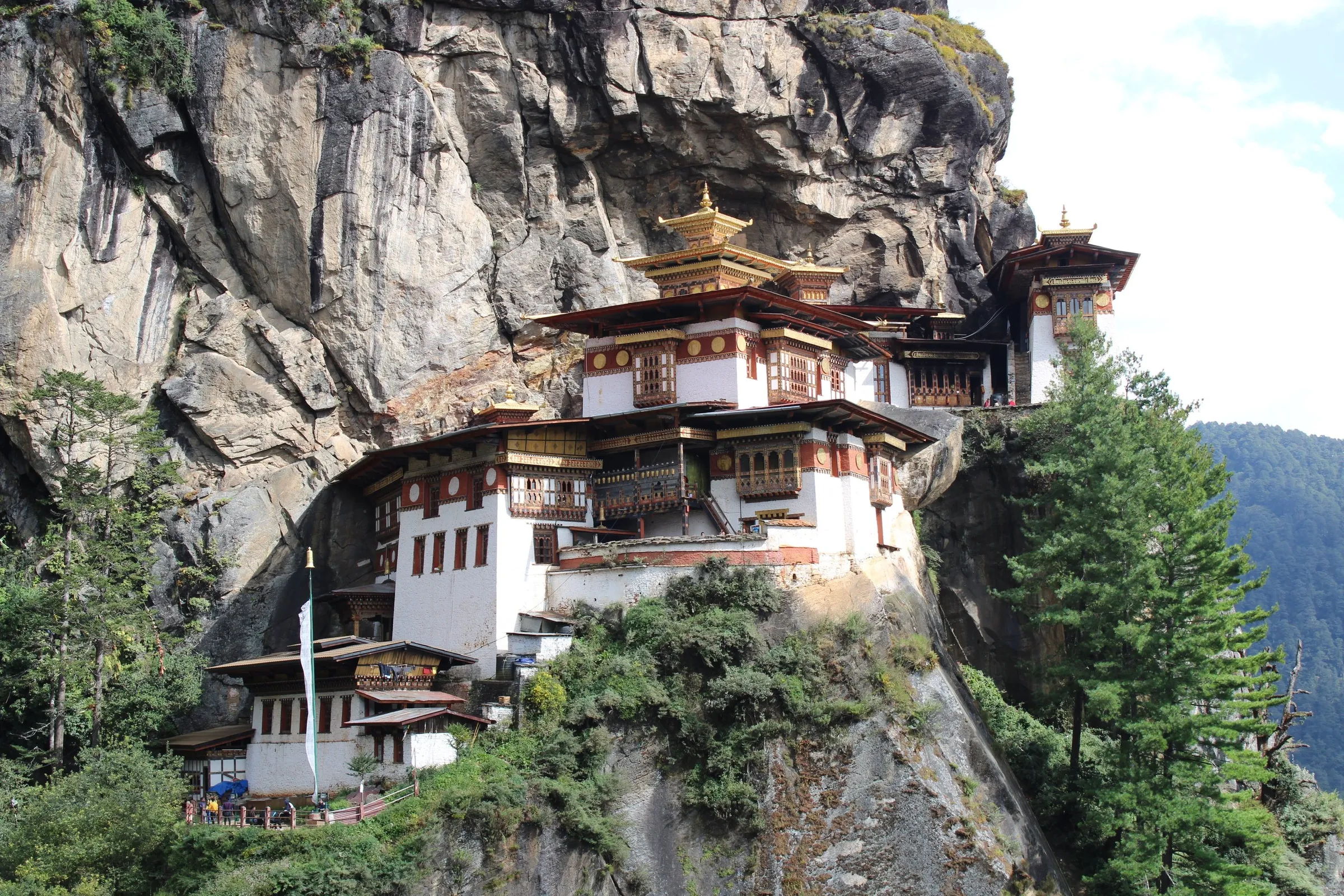
  • The Tiger’s Nest monastery on its cliff above the Paro valley, Bhutan

    The Tiger’s Nest

    A monastery built into a cliff some 900 metres above the Paro valley, reached on foot through pine forest.

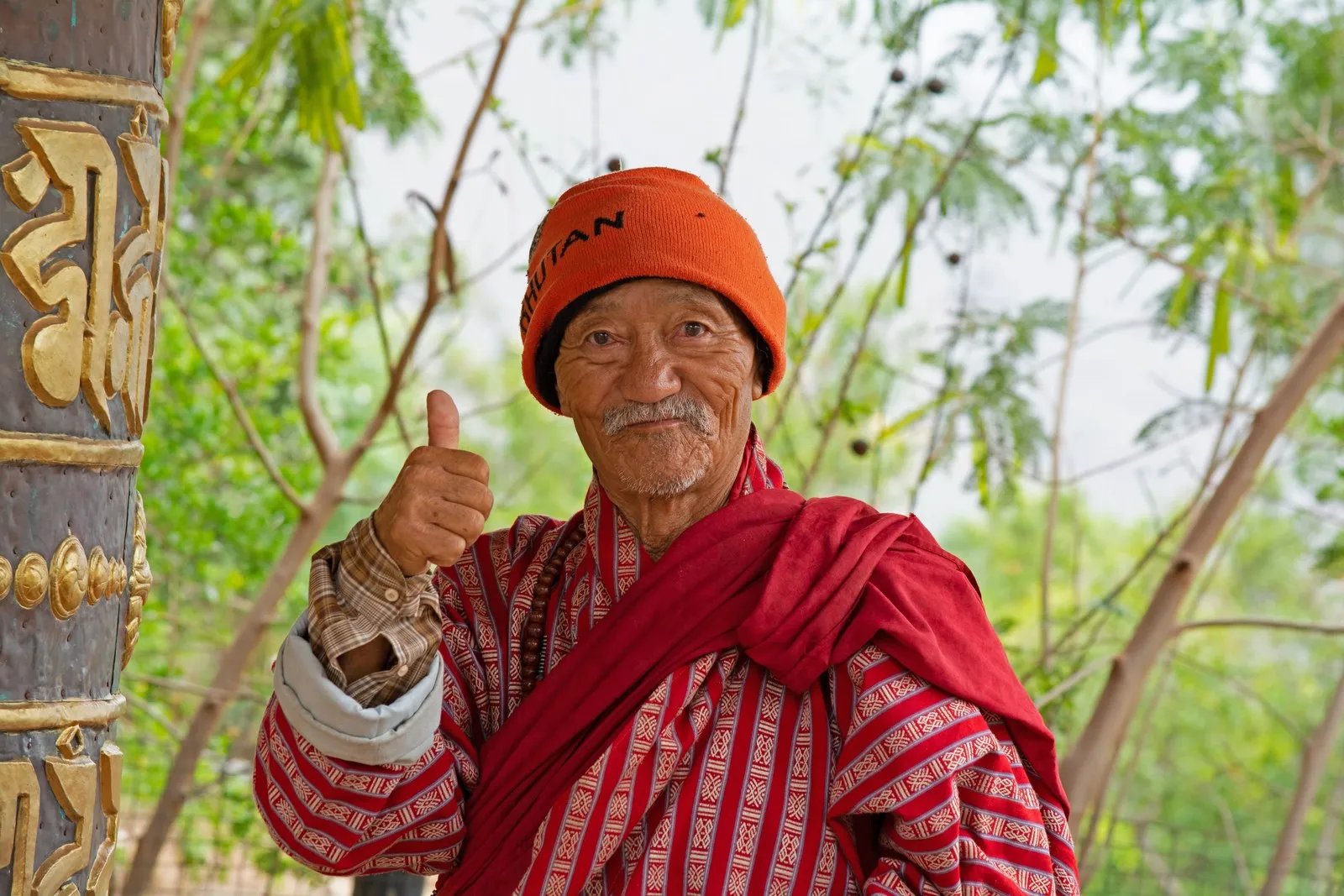
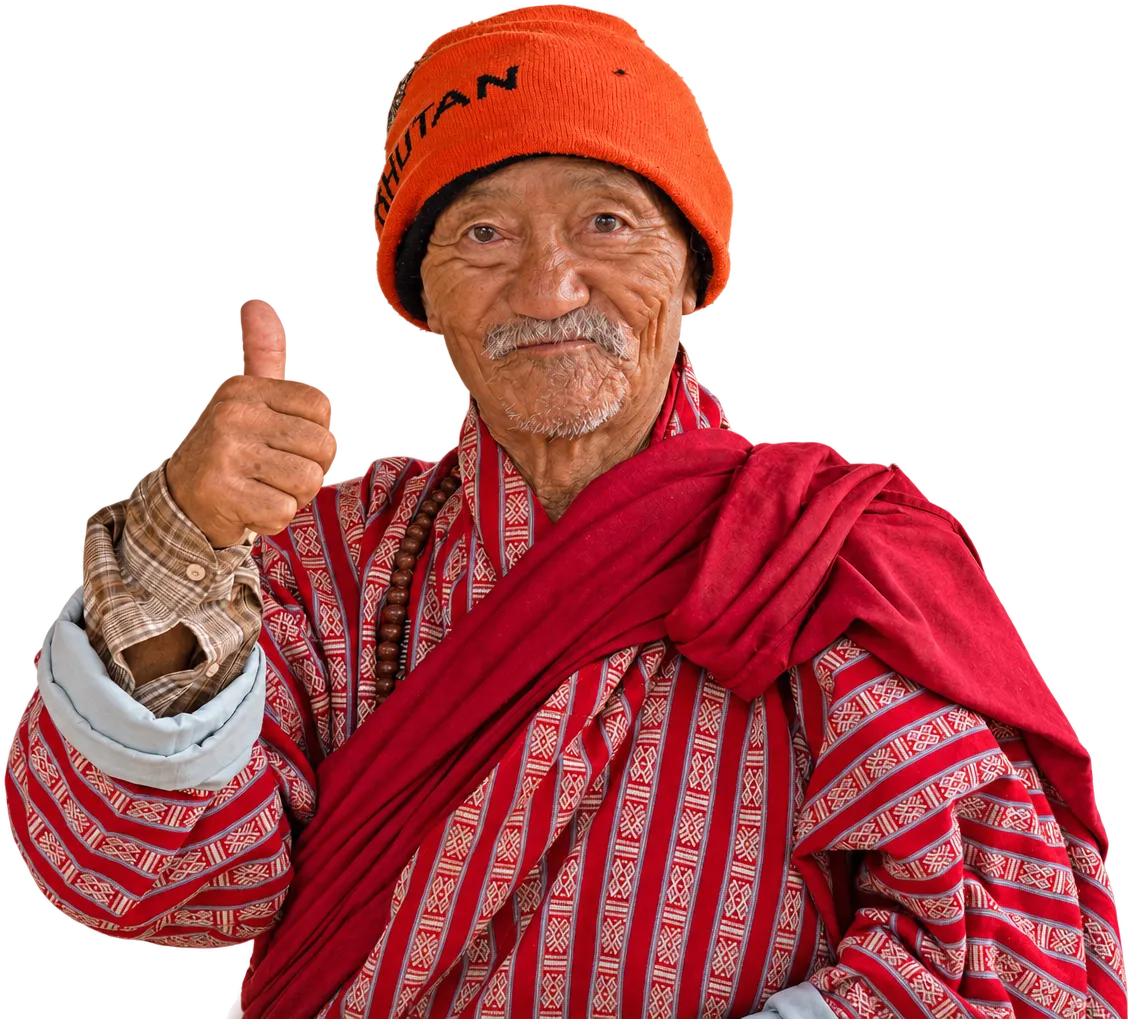
An elder in an orange cap and red gho, smiling, giving a thumbs-up, Thimphu

Himalaya · Monasteries · Tea gardens

Darjeeling’s tea and toy train, Sikkim’s monasteries, and the road into Bhutan

15 days, 14 nights

The route, day by day

Every halt, every overnight and every drive, published in full.

  1. Kolkata
  2. Darjeeling
  3. Pelling
  4. Gangtok
  5. Kalimpong
  6. Phuentsholing
  7. Thimphu
  8. Punakha
  9. Paro
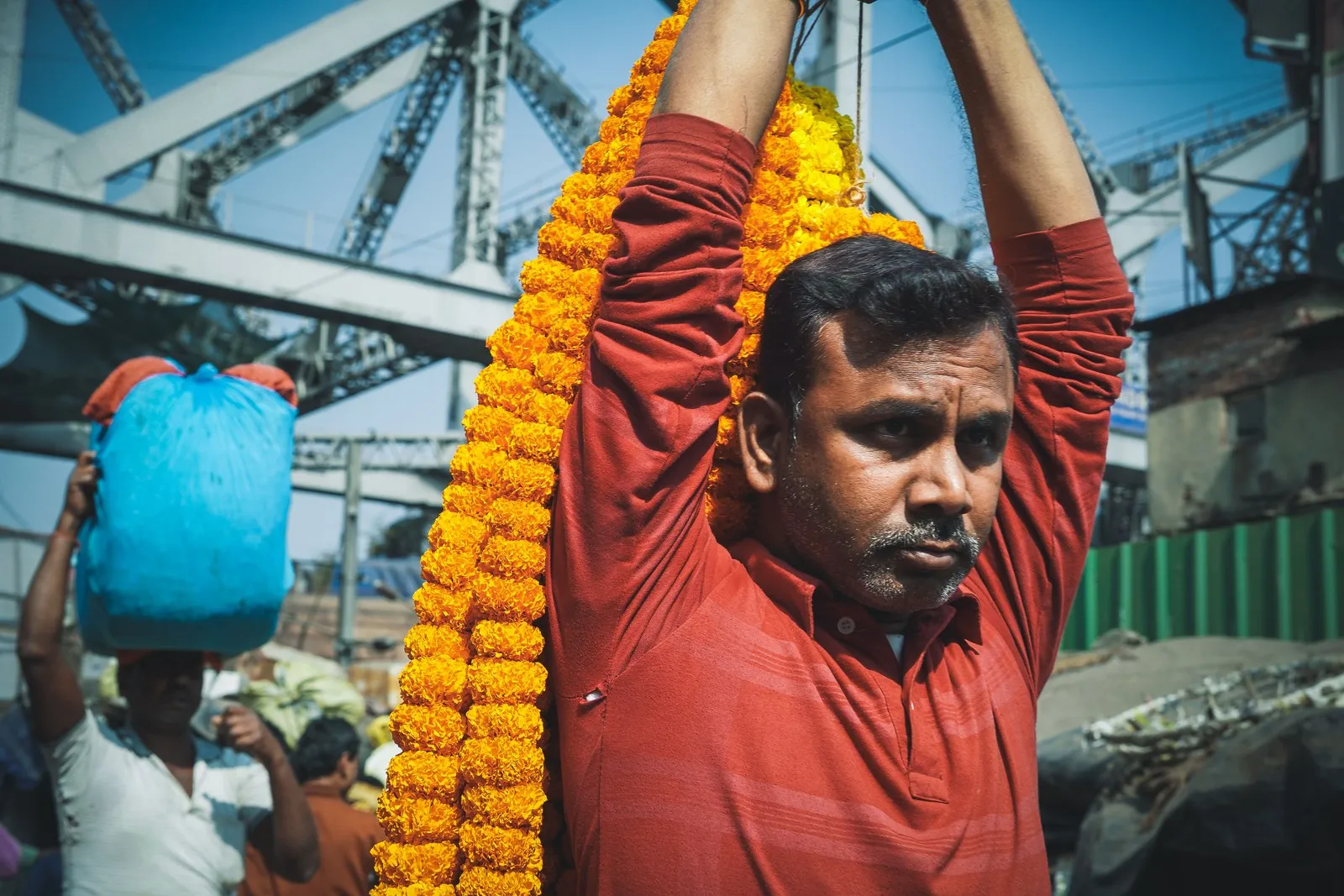
  1. A garland seller with marigolds under the girders of Howrah Bridge, Kolkata

    01

    Overnight Kolkata

    Kolkata: the Victoria Memorial and Mother House

    Met at the airport and driven to your hotel. Kolkata was Calcutta until 2001 and the capital of British India until 1911, and it still thinks of itself as the cultural capital of the country: the city of Tagore and Satyajit Ray, of bookshops, theatre and long arguments over tea.

    In the afternoon, the Victoria Memorial, the white marble hall built in memory of Queen Victoria and opened in 1921, where British and Mughal architecture meet under one dome; then the Indian Museum, founded in 1814 and the oldest in India, whose galleries hold the carved railings of the Bharhut stupa. The day ends quietly at Mother House, where Mother Teresa lived and worked, and where she is buried.
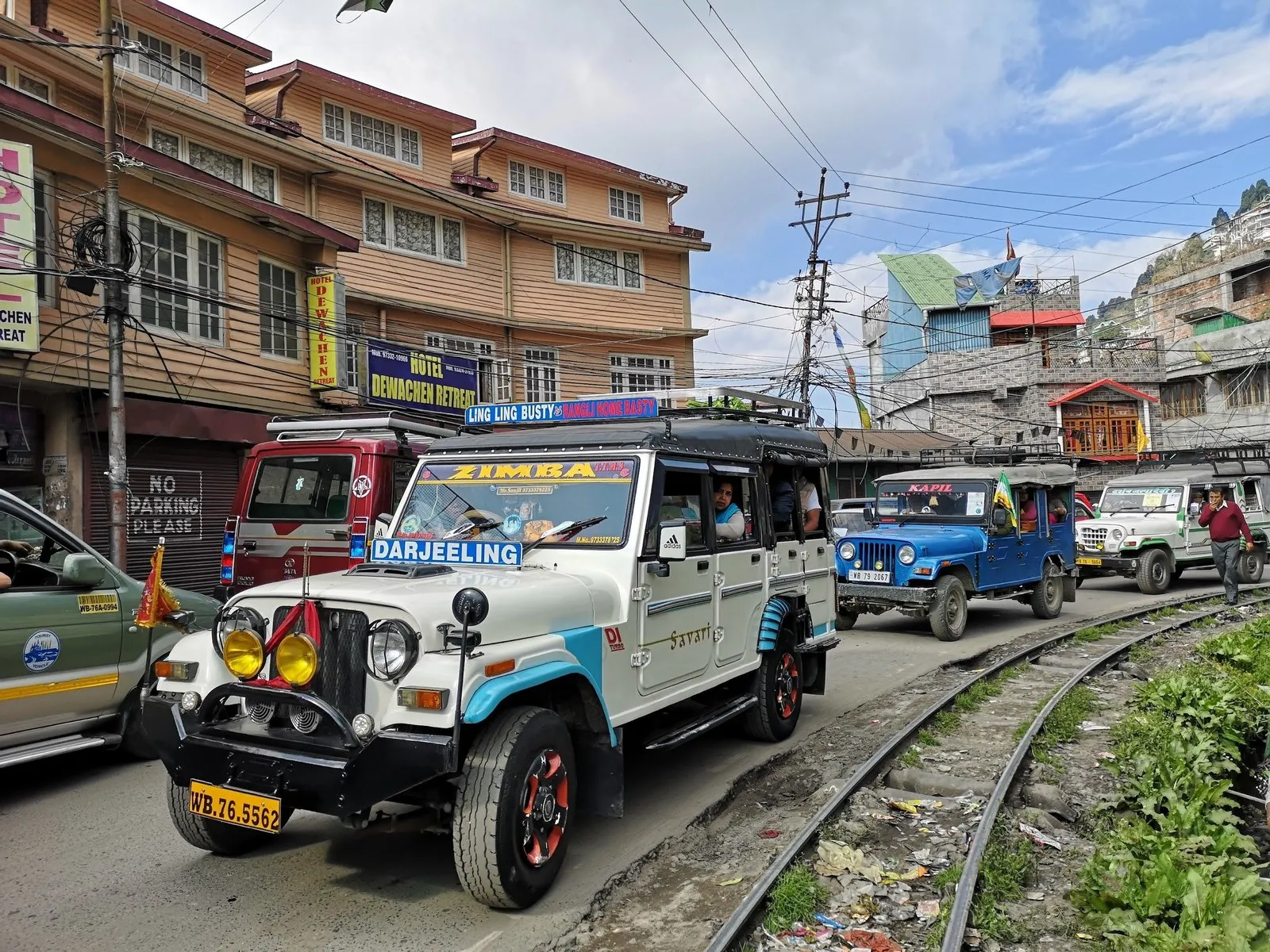
  2. Shared jeeps on a Darjeeling street beside the narrow-gauge line of the toy train

    02

    Overnight Darjeeling

    Flight Kolkata – Bagdogra · about 1 hr, then 95 km · about 3 hrs

    By air to Bagdogra, and up to Darjeeling

    The flight north to Bagdogra, on the plains below the hills, then three hours of climbing to Darjeeling. The road winds up through forest and tea estates, and for the last stretch into town it runs beside the narrow-gauge line of the toy train, crossing and recrossing the rails.

    The rest of the day is yours in the ‘Queen of the Hills’. Walk up to Chowrasta, the open square at the top of the Mall, for tea and the view, and take it easy: Darjeeling is a little over 2,000 metres up, and the first evening is for resting.

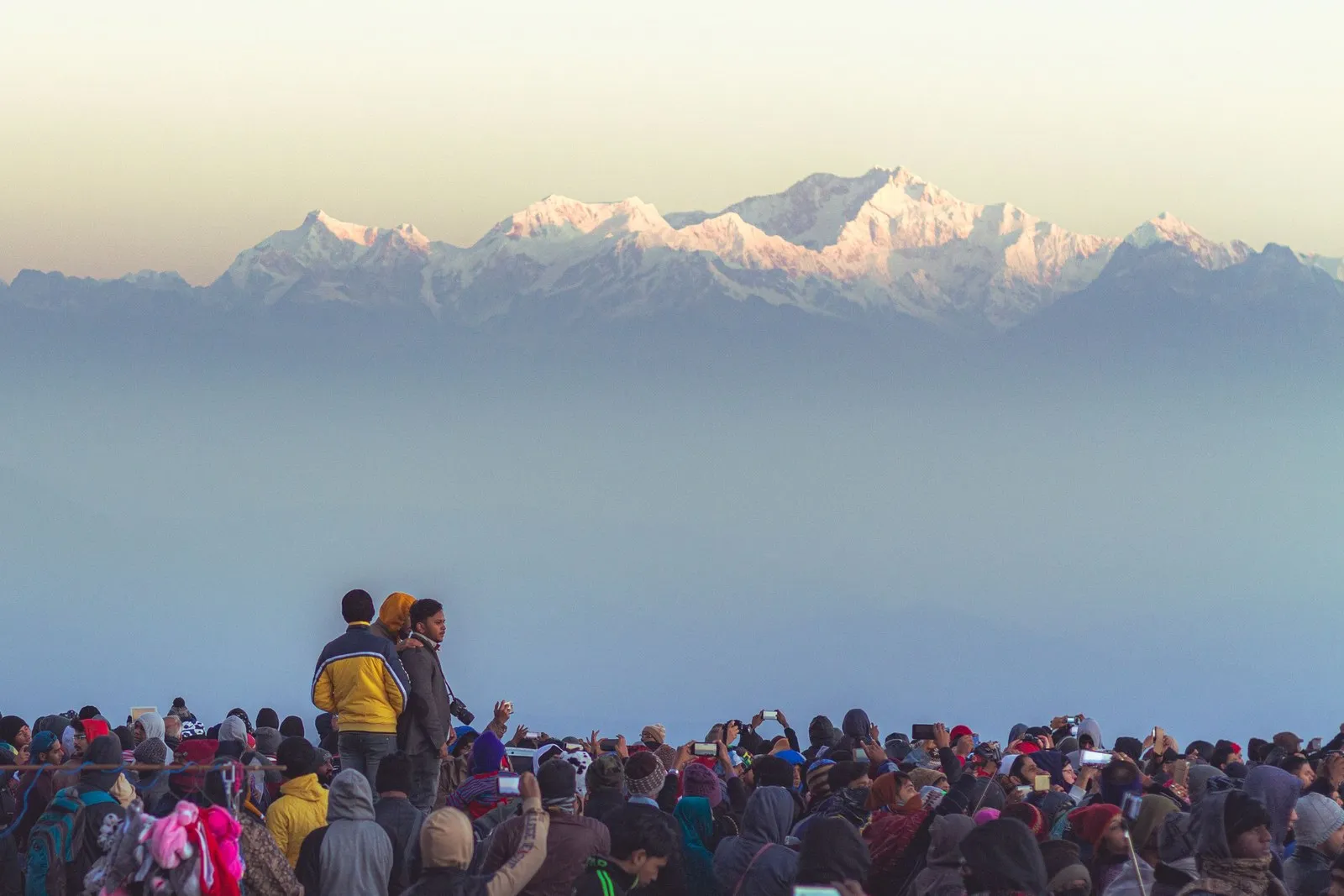
  3. A crowd in woollens waiting at dawn as the first light reaches Kanchenjunga

    03

    Overnight Darjeeling

    Tiger Hill at dawn, the tea gardens and the toy train

    Up in the dark for the jeep to Tiger Hill, 11 km out of town, to watch the first light reach Kanchenjunga — at 8,586 metres the third-highest mountain on earth — with Everest a small peak far to the west on a clear morning.

    Back for breakfast, and then, time allowing, a tea estate. Darjeeling’s gardens cover its slopes with bushes pruned to waist height; you walk the rows with the pickers, follow the leaf through withering, rolling and firing in the factory, and taste the finished tea the way a taster does. The factories are closed from mid-November to mid-March, when the bushes rest.

    In the afternoon, the Himalayan Mountaineering Institute, founded in 1954, the year after Tenzing Norgay and Edmund Hillary first climbed Everest, and still training climbers, with a museum of the expeditions (it is closed on Thursdays). Then the toy train itself, the Darjeeling Himalayan Railway: the two-hour joy ride up to Ghum and back, round the Batasia Loop and its Gorkha war memorial, with a stop at the railway museum at Ghum.

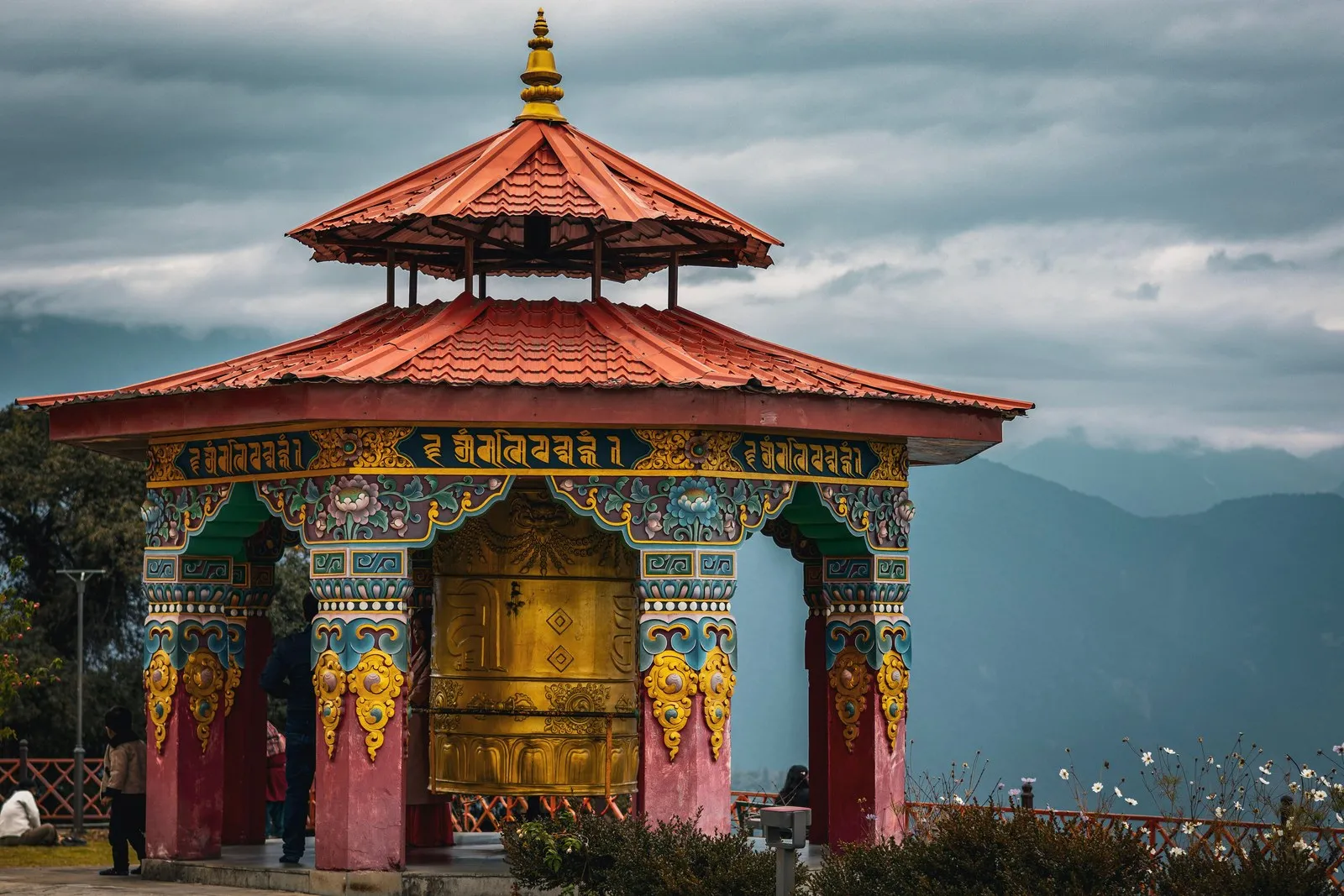
  4. A painted pavilion around a great prayer wheel above the hills at Pelling, Sikkim

    04

    Overnight Pelling

    125 km · about 5 hrs

    Into Sikkim: Pelling and Pemayangtse

    North-west into Sikkim, down to the river at the border and up again to Pelling, a small hill town at more than 6,000 feet that looks straight across the valley at Kanchenjunga. At dusk the snows hold the light long after the valley below has gone dark.

    In the afternoon, Pemayangtse, one of the oldest and most important monasteries in Sikkim, of the Nyingma school: founded in the seventeenth century and enlarged in 1705, its three storeys are painted with murals and filled with images. On the top floor is its treasure, Zangdok Palri, the heavenly palace of Guru Rinpoche, carved and painted in wood, seven tiers high, by a single lama.

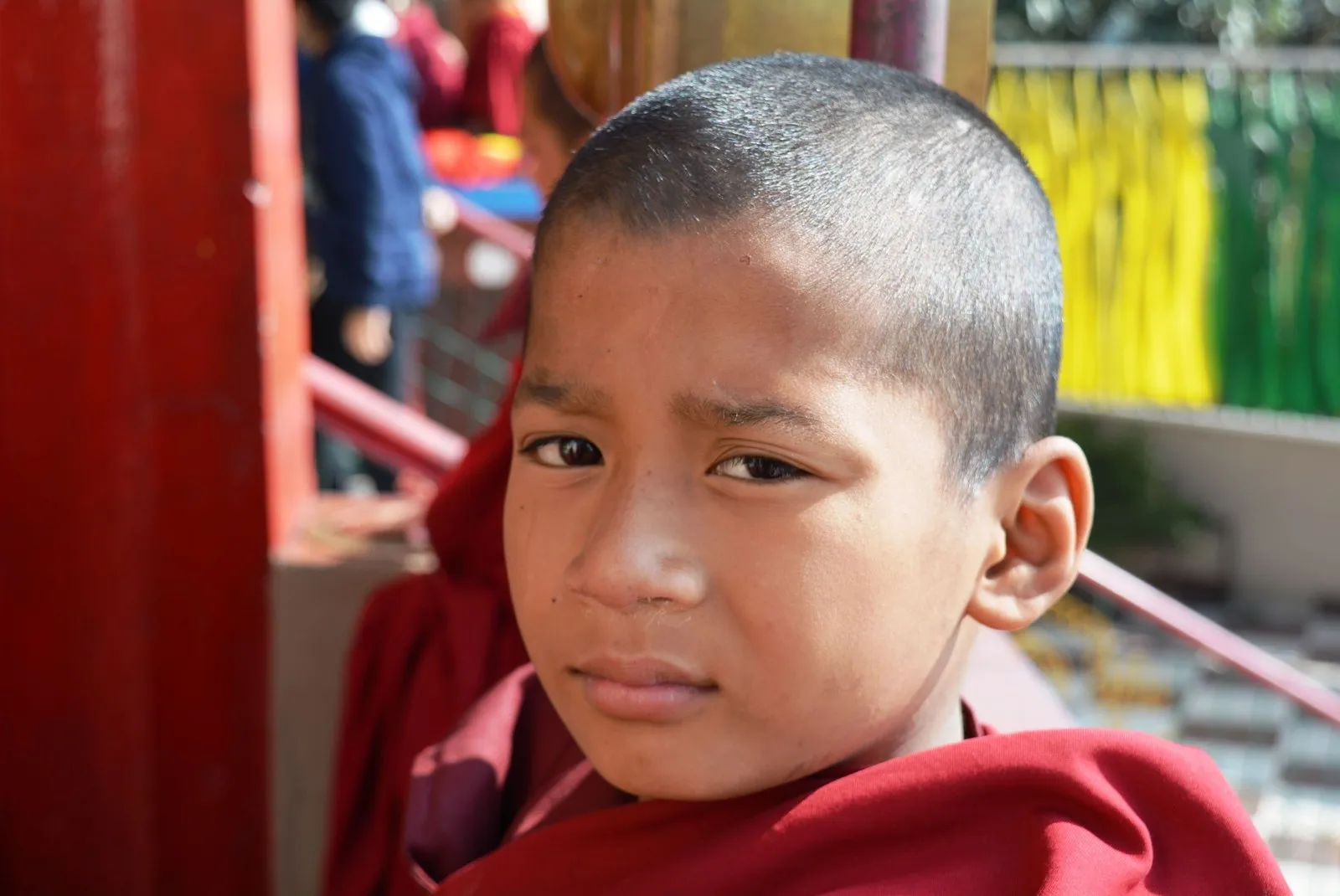
  5. A young monk in maroon robes at a monastery in Gangtok

    05

    Overnight Gangtok

    130 km · about 4 hrs

    Pelling to Gangtok, and Enchey Monastery

    After breakfast, east across Sikkim to Gangtok, the capital: a hill town of terraced streets strung along a ridge, with its main street, MG Marg, closed to traffic, and the prayer flags of its monasteries on the spurs all around. Check in, and have lunch in town.

    In the afternoon, the Directorate of Handicrafts and Handlooms, set up in 1957 to keep Sikkim’s crafts alive: weavers at their looms, carpets knotted by hand, thangka painters at work, and the carved and painted folding tables called choktse. Then Enchey Monastery, built in 1909 for the Nyingma school, with its golden cupola above the town and its hall crowded with images of gods and goddesses.

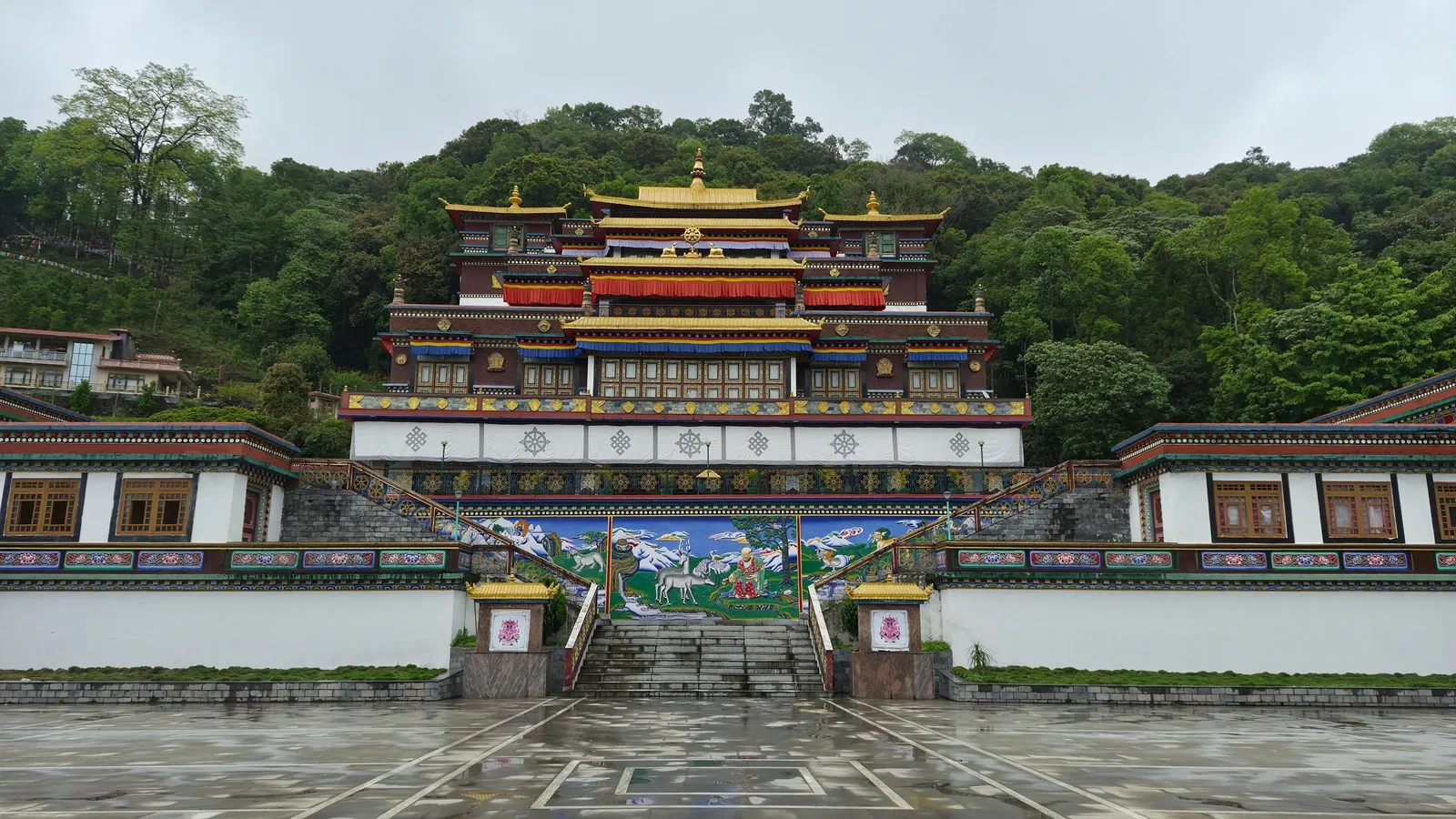
  6. The main temple of Rumtek Monastery above its courtyard, near Gangtok

    06

    Overnight Gangtok

    Rumtek 24 km each way

    Do Drul Chorten and Rumtek

    A morning in Gangtok, beginning at the Do Drul Chorten, the stupa built in 1945 by Trulshik Rinpoche, a lama of the Nyingma school. Its gilded spire rises above a ring of 108 prayer wheels, each carved with mantras, which pilgrims turn as they walk round it clockwise.

    Then out to Rumtek, the Dharma Chakra Centre, built in the 1960s by the 16th Karmapa, head of the Karma Kagyu school, as his seat in exile, on the plan of his monastery at Tsurphu in Tibet. The four guardian kings of the directions are painted at the entrance; inside, below paintings of the Kagyu masters and the Eight Bodhisattvas, a ten-foot Buddha Shakyamuni sits between his two chief disciples, Shariputra and Maudgalyayana. The rest of the day is free.

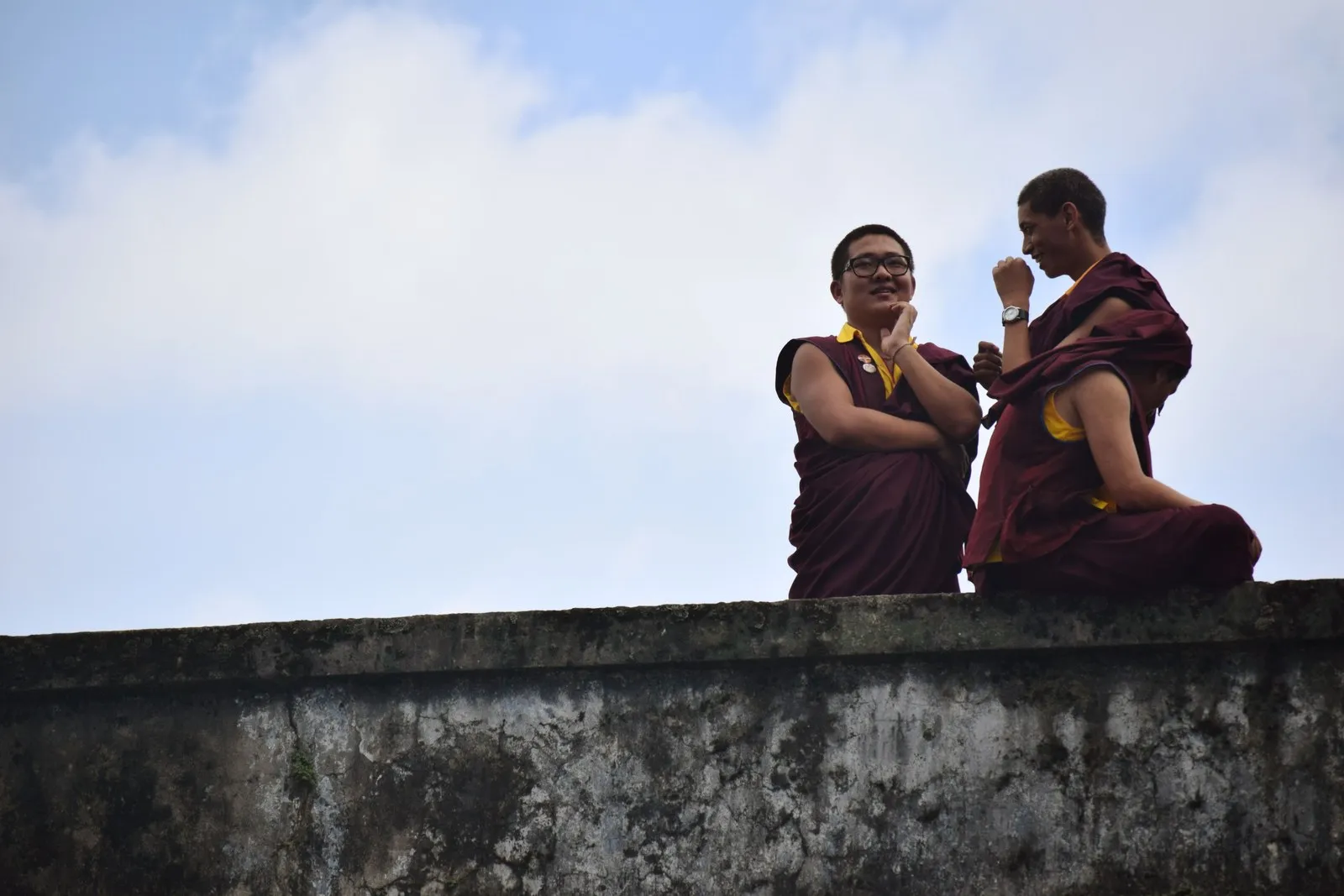
  7. Two monks in maroon robes laughing together on a wall in Kalimpong

    07

    Overnight Kalimpong

    75 km · about 3 hrs

    Gangtok to Kalimpong

    Down to the Teesta and up again to Kalimpong, strung along a saddle-shaped ridge above the river. It grew rich as a market on the old trade route to Tibet, when wool came down over the Jelep La on mule trains, and it keeps a trader’s air. From Deolo, the hill above the town, Kanchenjunga shows on a clear day.

    In the afternoon, the bazaar. On Wednesdays and Saturdays the Haat Bazaar fills with people from the villages round about, selling their produce, spices and cloth; on other days, walk Rishi Road and the lanes around it for the shops and the everyday life of the town.

  8. The gilded roof of a temple in Phuentsholing, Bhutan’s border town

    08

    Overnight Phuentsholing

    175 km · about 5 hrs

    Across the border to Phuentsholing

    Today you leave India by road: down out of the hills and east across the Dooars — the tea-garden plains below Bhutan, named for the ‘doors’ into the mountains — to Jaigaon, and through the Bhutan Gate into Phuentsholing, Bhutan’s border town, barely 300 metres above sea level.

    At the border you stop to clear immigration; your visa or permit for Bhutan is arranged with us in advance. The change is immediate — national dress, Dzongkha lettering over the shops, a slower pace in the street — and the evening is yours to walk the town.

  9. The painted gate at Chuzom, where the Paro and Thimphu rivers meet

    09

    Overnight Thimphu

    165 km · about 5 hrs

    Up to Thimphu, by Chuzom

    The long climb to the capital, from the warm forests of the foothills to the pine of the high valleys. On the way, a stop at Chuzom, where the Paro and Thimphu rivers meet: three chortens stand at the confluence, in the Bhutanese, Tibetan and Nepali styles, to guard a place where ill fortune is believed to gather.

    In Thimphu, check in and spend the evening on the main street and around the market. It is one of the few capitals with no traffic lights: at the main crossing a policeman directs the cars from a painted pavilion.

  10. An elder in a red gho and orange cap in Thimphu, smiling

    10

    Overnight Thimphu

    Thimphu: Buddha Point, the Memorial Chorten and Tashichho Dzong

    A full day in the capital. It begins at Buddha Point, Kuensel Phodrang, where the Buddha Dordenma, the largest statue of the Buddha in the country, looks down the valley, and you can offer a prayer and take in the whole of Thimphu. Then the National Memorial Chorten, raised in 1974 in memory of the Third King, where elders walk round all day murmuring mantras and turning the prayer wheels.

    Next, Changangkha Lhakhang, one of the oldest temples in the valley, on its ridge above the town, where parents bring newborn children to be blessed and named. Its main image is Chenrezig, the bodhisattva of compassion, with eleven heads.

    In the afternoon, the Textile Museum, for Bhutan’s weaving, old and new; the Folk Heritage Museum, a farmhouse of rammed earth and timber furnished as a family lived in it; and Tashichho Dzong, the fortress-monastery that holds the King’s throne room and offices of the government. The day ends at the Handicrafts Emporium and the crafts bazaar: thangkas, ceramics, slate, wood carving, jewellery and hand-woven cloth.

  11. Snow peaks of the Bhutan Himalaya on a clear day, seen from Punakha

    11

    Overnight Punakha

    75 km · about 2 hrs

    Over the Dochu La to Punakha

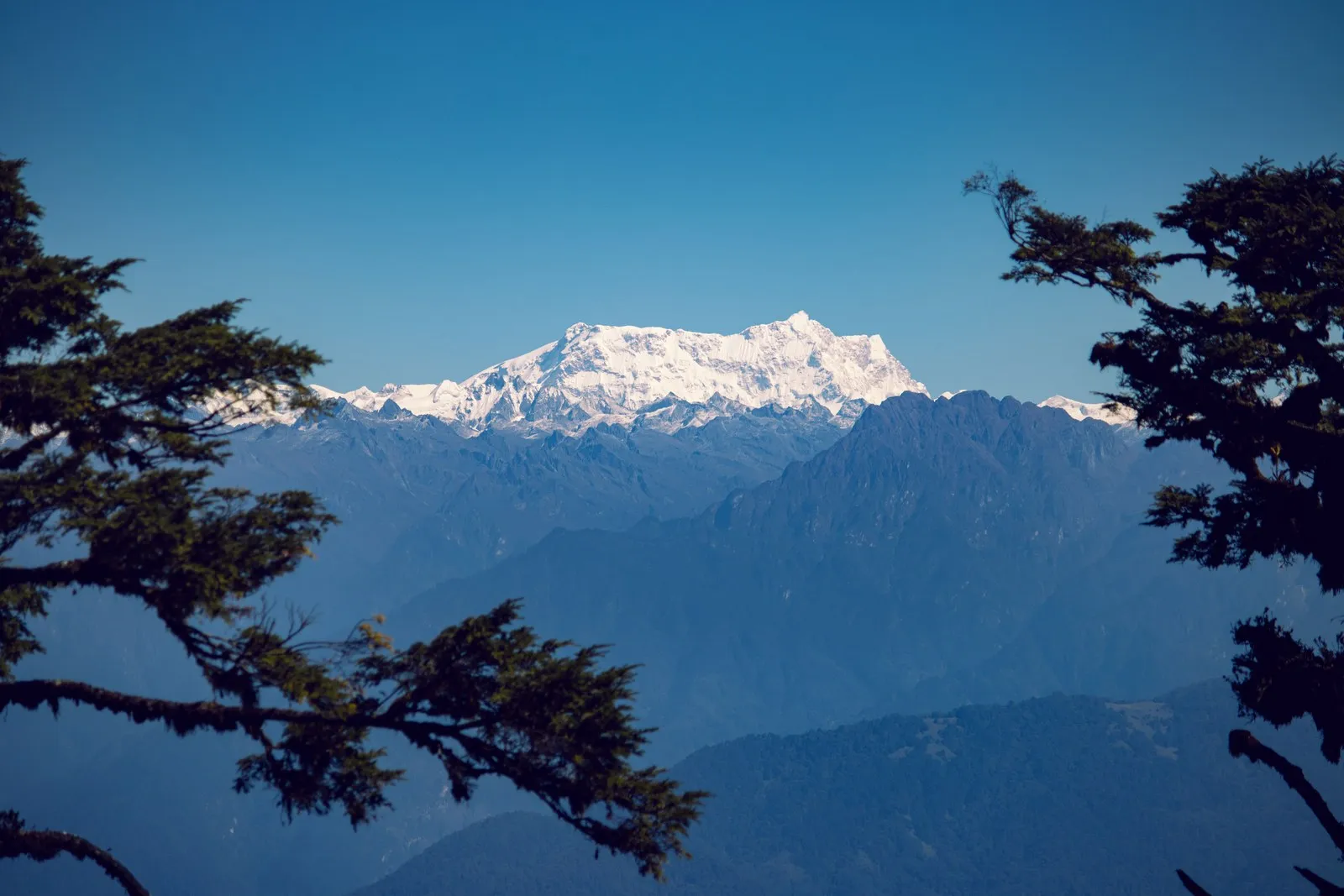
    East out of Thimphu and up to the Dochu La, where 108 memorial chortens stand on the pass. On a clear day the high Himalaya is laid out along the northern skyline: Masagang, Tsendagang, Terigang, Jejegangphugang, Kangphugang, Zongphugang and Gangkhar Puensum, at 7,570 metres the highest mountain in Bhutan and the highest in the world that no one has climbed.

    Then down through the forest to Punakha, low and warm enough for rice. In the afternoon, Punakha Dzong, at the meeting of the Pho Chhu and Mo Chhu rivers: the seat of Bhutan’s government until 1955, and the second-largest dzong in the country.

    Later, a walk through the rice fields to Chimi Lhakhang on its round hillock, a temple blessed by Drukpa Kunley, the ‘Divine Madman’, who taught with outrageous humour. Couples hoping for a child come here to be blessed, and the paintings on its walls tell the saint’s life.

  12. The gilded roofs of Khamsum Yulley Namgyal Chorten above the Punakha valley

    12

    Overnight Punakha

    Punakha: Khamsum Yulley, the nunnery and Talo

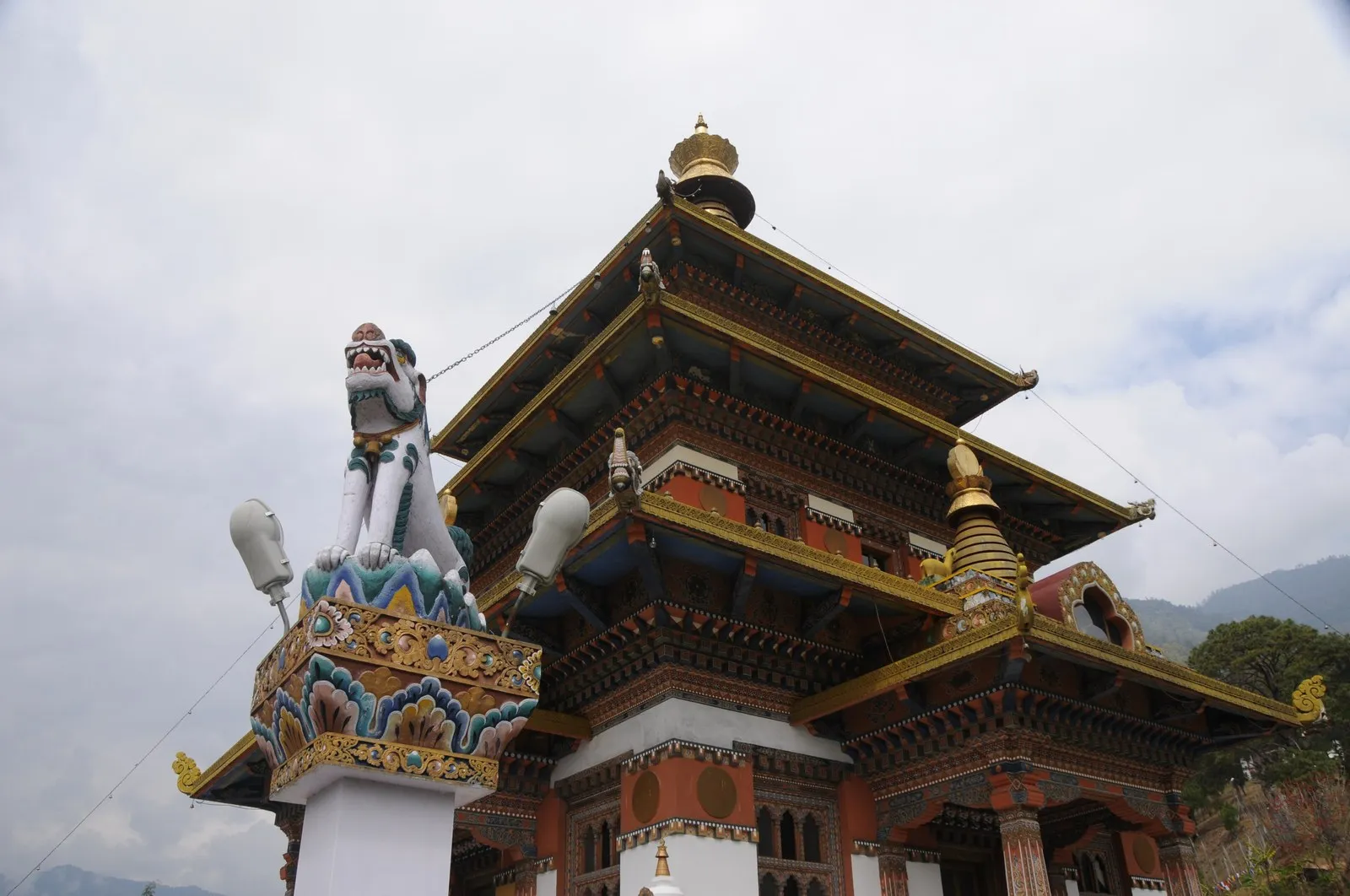
    A walking morning: about two hours there and back, across the river and up through the rice fields to Khamsum Yulley Namgyal Chorten, a temple built in the shape of a chorten in the 1990s, to bring peace and keep evil away. Its shrines hold images of wrathful protector deities, and from the roof you look down the length of the valley.

    In the afternoon, Sangchhen Dorji Lhuendrup Lhakhang, a nunnery on a pine ridge above the Punakha and Wangdue Phodrang valleys, where a fourteen-foot bronze of Avalokiteshvara stands with the Twenty-One Taras and Tsepamay, the Buddha of long life. Then out to Talo, a village on a plateau with the mountains all round, and its monastery, Talo Sangnacholing.

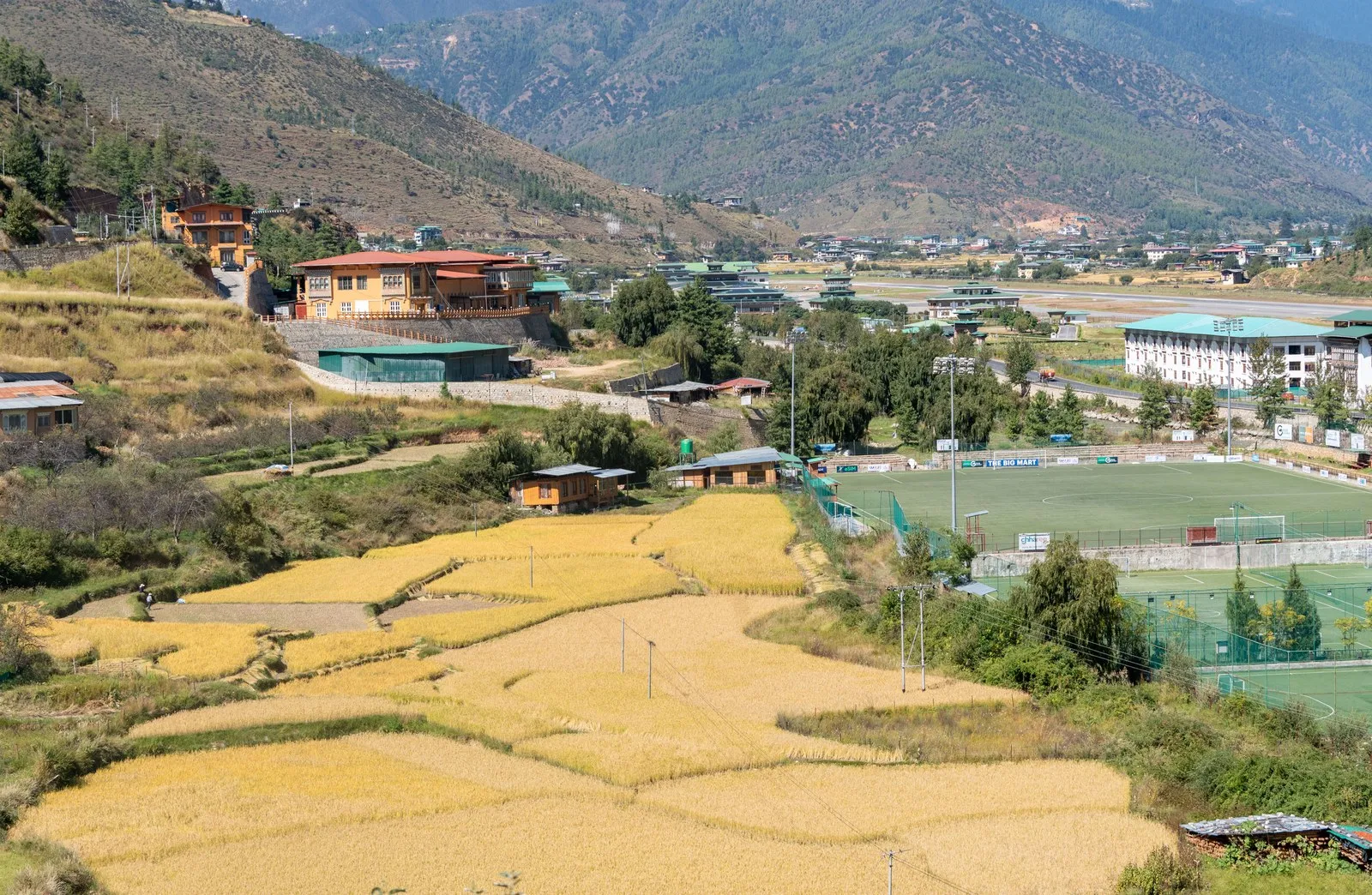
  13. Rice terraces turning gold at harvest in the Paro valley

    13

    Overnight Paro

    115 km · about 3 hrs

    Punakha to Paro, by Simtokha Dzong

    Back over the Dochu La and down the Wang Chhu, then up the Paro Chhu into the Paro valley. On the way, Simtokha Dzong: small, but the oldest dzong in Bhutan to survive in its original form, built in the 1620s by the Zhabdrung Ngawang Namgyal, who unified the country.

    Check in at your hotel in Paro. In the afternoon, the Ta Dzong, the round watchtower above the town that now houses the National Museum, then the path down to Rinpung Dzong, the ‘fortress on a heap of jewels’, whose inner courtyard is painted with scenes of Buddhist lore.

  14. The Tiger’s Nest monastery on its cliff above the Paro valley, Bhutan

    14

    Overnight Paro

    The Tiger’s Nest, or the Chele La

    An early start for Taktsang, the Tiger’s Nest, built in 1692 around a cave in a cliff some 900 metres above the Paro valley. The legend is that Guru Rinpoche, the eighth-century Indian master revered in Bhutan as the second Buddha, flew here on the back of a tigress — a disciple who had taken that form — to meditate in the cave; Taktsang means ‘tigress’s lair’.

    The path climbs steadily through pine forest hung with prayer flags, for about two hours, to the viewpoint facing the monastery. It is a real uphill walk, for the fit only, and the monastery itself lies beyond, down and up a long flight of steps beside a waterfall.

    Or, if you would rather not climb, drive about an hour up to the Chele La, at 3,988 metres one of the highest road passes in Bhutan, strung with prayer flags, with Jomolhari and Jichu Drake in view on a clear day. In spring and early summer there are wild roses, primulas and deep blue iris in the forest, and rhododendrons from white to scarlet.

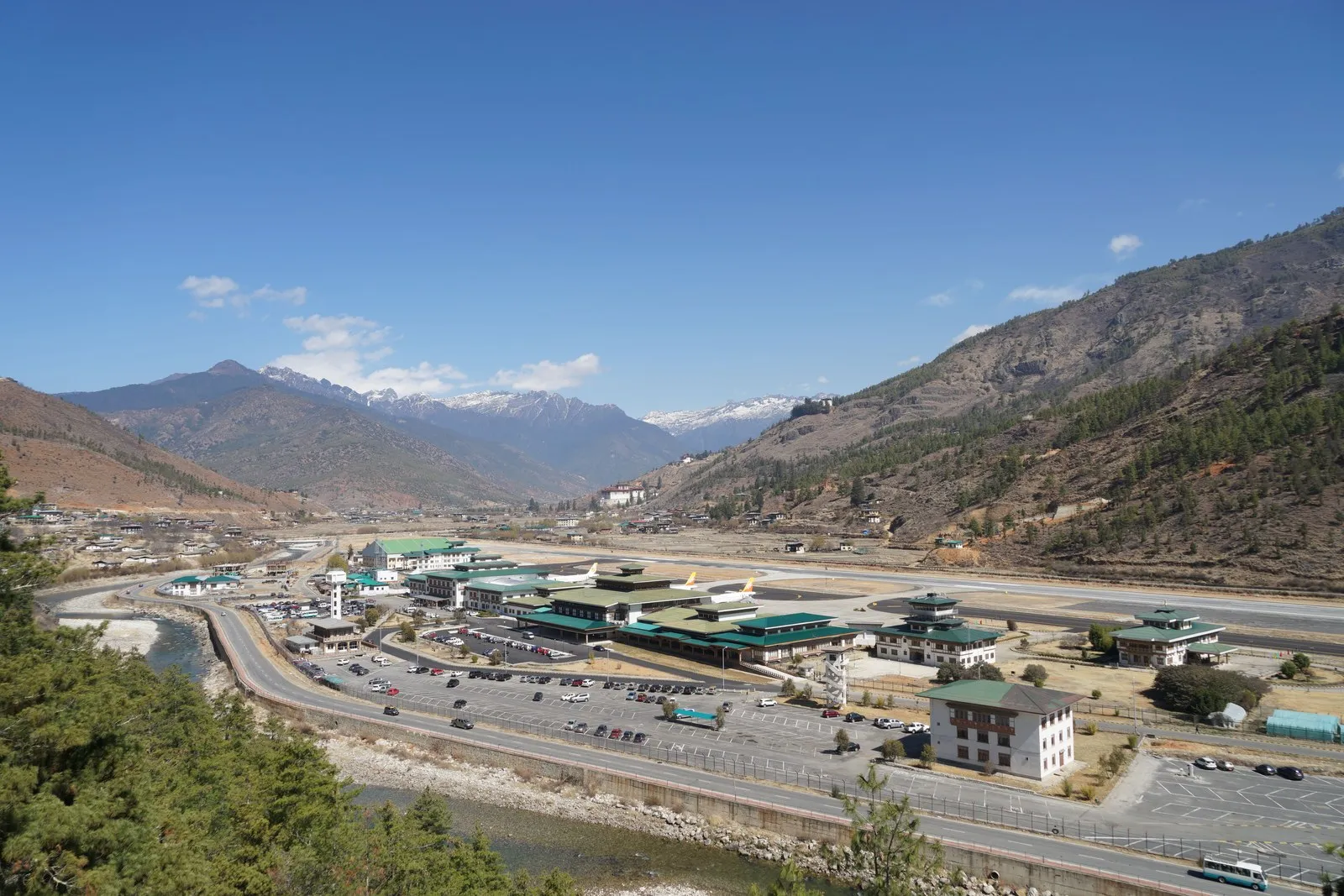
  15. Paro’s airport on the valley floor, seen from the hillside above

    15

    Departure

    Departure from Paro

    A slow breakfast, then the short drive down the valley to Paro airport for your flight onward.

Like the route? We will write it for your dates.

The price

What the price covers

The commonest reason travellers abandon an enquiry is not knowing what is covered. Every Rang Travels quotation itemises it — this is the usual shape for this journey.

Included

  • 14 nights in hotels with breakfast
  • A private car with driver for every transfer and sightseeing day, in India and in Bhutan
  • The flight from Kolkata to Bagdogra
  • Local English-speaking guides for the sightseeing in India, and a licensed guide throughout Bhutan
  • The jeep to Tiger Hill and the joy ride on the Darjeeling toy train
  • Airport transfers, tolls, parking and driver allowances

Not included

  • International flights
  • Monument, museum and monastery entrance fees
  • Lunches and dinners
  • Your Indian visa, travel insurance and tips

Price on request

Quoted to your dates,
your hotels and your pace

Before you book

Permits, roads and the mountains

Most of this journey is in the mountains, and much of it is on the road. Please read these before you confirm.

Permits and the border

  • Sikkim asks foreign travellers for a Restricted Area Permit. We arrange it with your booking; carry your passport and the permit while you are in Sikkim.
  • Bhutan’s visa and its daily Sustainable Development Fee are arranged through us with your booking. Indian citizens enter Bhutan on a permit instead of a visa, issued at the border at Phuentsholing.
  • You clear immigration in person at Phuentsholing, so the day you cross is kept free of sightseeing.

Altitude, roads and walking

  • The towns you sleep in are at moderate heights, but the road crosses high passes: the Dochu La is above 3,000 metres, and the Chele La, the alternative on day 14, is nearly 4,000. Take the first days gently, drink plenty of water, and tell us of any heart or breathing condition before you travel.
  • The walk to the Tiger’s Nest is about two hours uphill to the viewpoint, and the monastery is further on. It is for the fit only; the drive to the Chele La is there for anyone who would rather not climb.
  • Mountain roads are narrow and winding, and the drive times are for good conditions. In the rains a landslide can close a road for hours.

At monasteries and dzongs

  • Dress modestly: shoulders and knees covered, and long sleeves in Bhutan’s dzongs. Take off your hat inside, and your shoes where you are asked.
  • Walk clockwise round chortens, temples and prayer wheels. Photography is not allowed inside most temple halls in Bhutan; ask your guide before you take a picture anywhere indoors.

Days and seasons

  • The Himalayan Mountaineering Institute in Darjeeling is closed on Thursdays, and Kalimpong’s Haat Bazaar is held only on Wednesdays and Saturdays; we plan the days around them where we can.
  • Darjeeling’s tea factories are closed from mid-November to mid-March, while the bushes rest.
  • The mountains are clearest from October to December. Spring brings rhododendrons and more haze, and from June to September the monsoon brings cloud, rain and the occasional closed road.

Questions

Before you go

The questions travellers ask about this journey, answered from the itinerary itself. Anything else — ask, and a curator replies.

When is the best time to go?

October to December, when the air is clearest and Kanchenjunga and the Bhutan Himalaya are most often in view; or March to May, for rhododendrons and a warmer, hazier spring. June to September is the monsoon, with cloud, rain and slow roads.

Do I need permits for Sikkim and Bhutan?

Foreign travellers need a Restricted Area Permit for Sikkim, and a visa and the Sustainable Development Fee for Bhutan; we arrange them all with your booking. Indian citizens need no permit for the places in Sikkim on this journey, and enter Bhutan on a permit issued at the border.

How fit do I need to be?

Fit enough for long days on mountain roads and some steady walking. The Tiger’s Nest is the one real climb, about two hours uphill to the viewpoint and more to the monastery; if you would rather not, the drive to the Chele La is the alternative that day.

Will the altitude affect me?

Most people are fine: the towns you sleep in are at moderate heights, and only the passes on the road go above 3,000 metres. Take the first days gently, drink plenty of water, and tell us beforehand of any heart or breathing condition.

What should I wear to the monasteries and dzongs?

Clothes that cover your shoulders and knees, with long sleeves in Bhutan’s dzongs. Take off your hat inside, and your shoes where you are asked; photography is not allowed in most temple halls in Bhutan.

Can we add days?

The usual additions are the Phobjikha valley or Bumthang in central Bhutan, or a longer stay in Darjeeling. Ask, and we will write them in.

The gallery

On the road

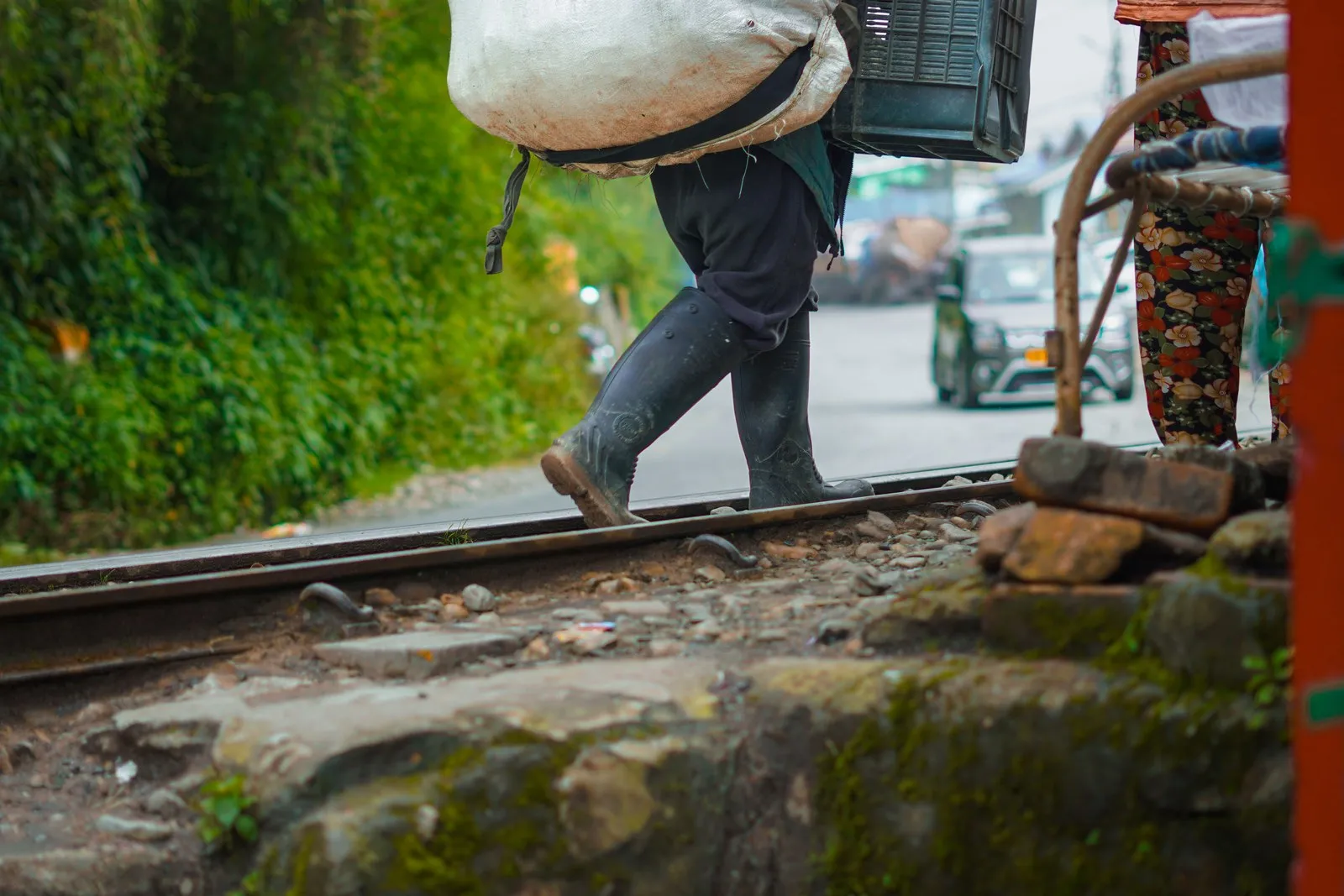
  • A porter in rubber boots carrying a load across the toy train’s tracks in Darjeeling
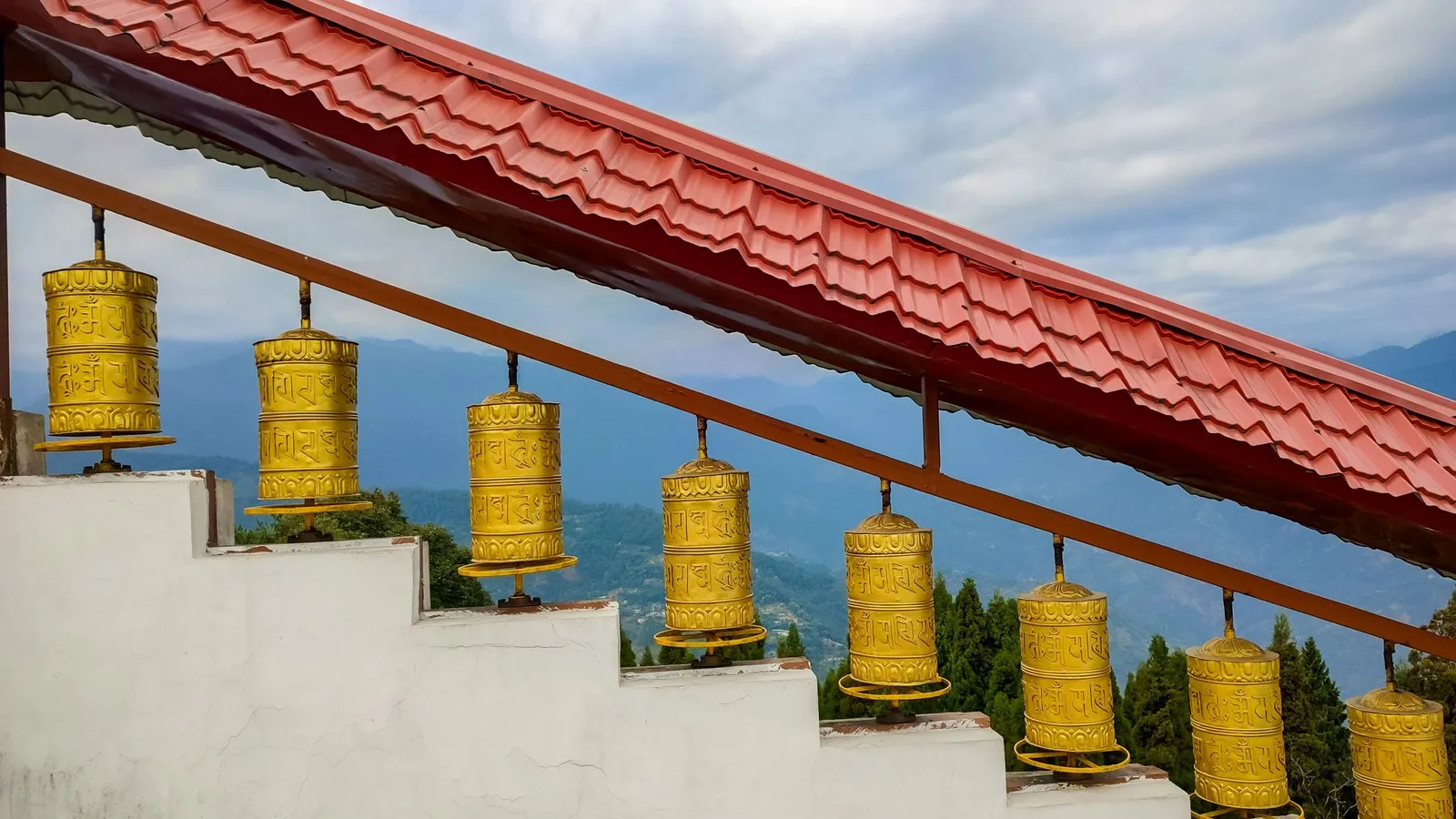
  • Gilded prayer wheels along the steps of Enchey Monastery, Gangtok
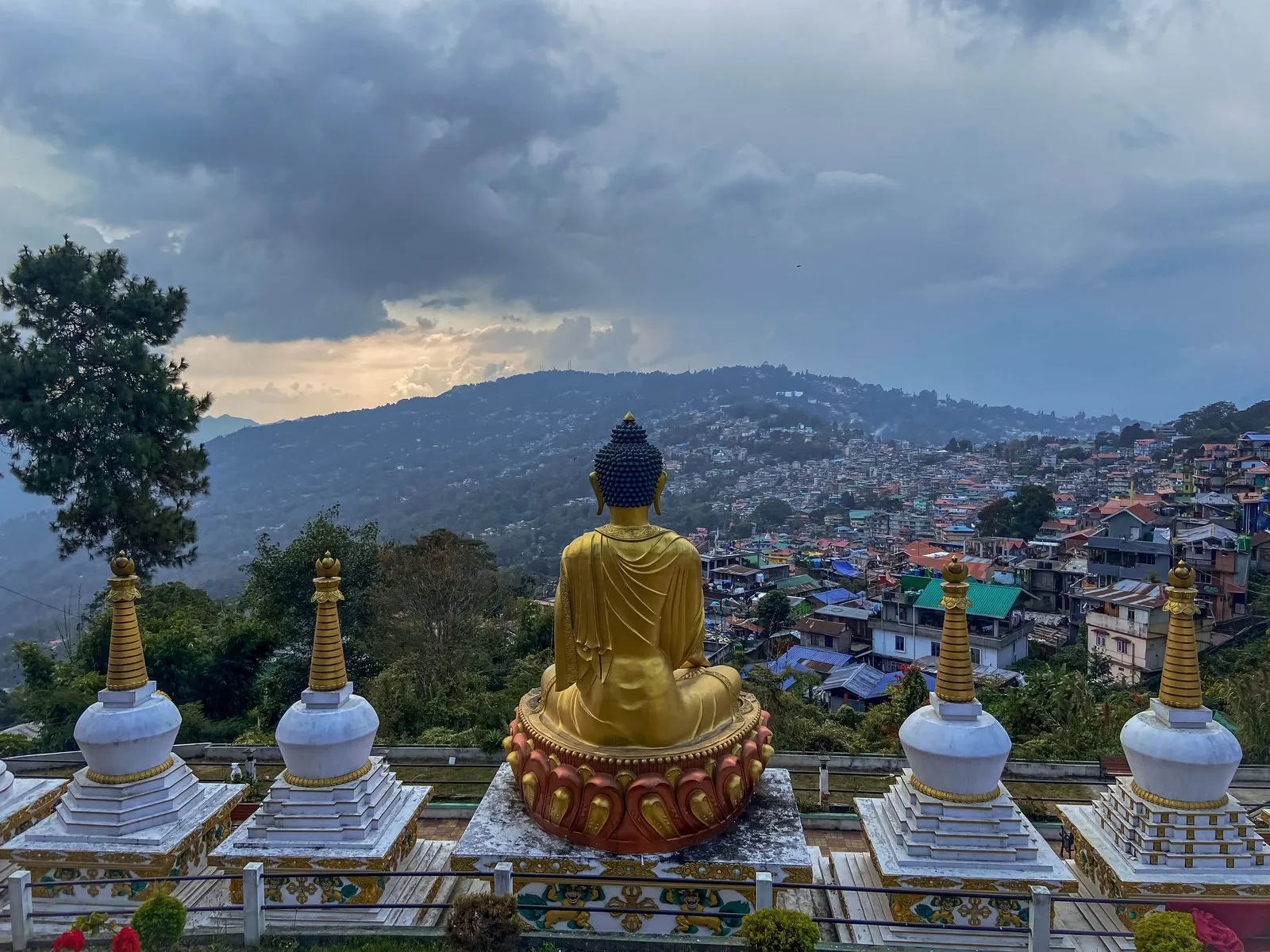
  • A golden Buddha between white chortens above the town of Kalimpong
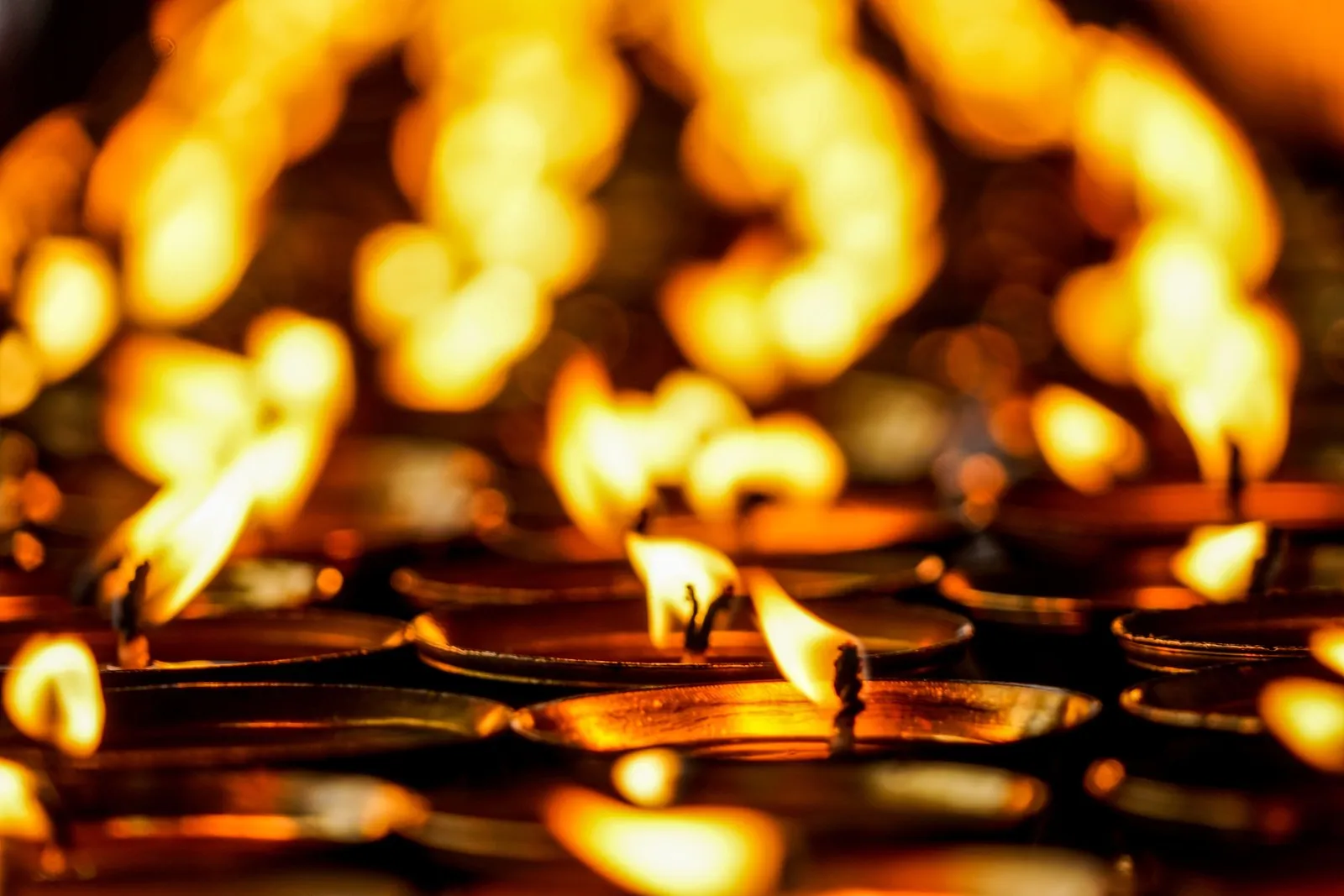
  • Rows of lamps burning as offerings in Thimphu

Reviews

In their own words

Word for word, several in Italian, because Italy found us early. 5.0 from 146 reviews on Google, and 5.0 from 200 on TripAdvisor.

I had an incredible adventure with Rang Travels in Northern India earlier this year! The tour was jam packed. I loved the beautiful forts and buildings we visited, the markets, as well as the stunning World Heritage hotels. This tour gave me a real taste for India, and I felt very comfortable for my first time visiting!

Read the whole review on Google

Jess Foster

Northern India · May 2025

1 / 19

Enquire

Plan my journey

Tell us where your India begins — we reply with a written itinerary.

Travellers
When, roughly
Interests
Or ask on WhatsApp

No obligation. We reply with a written itinerary, not a sales call.