Rang Travels — explore the colors of India
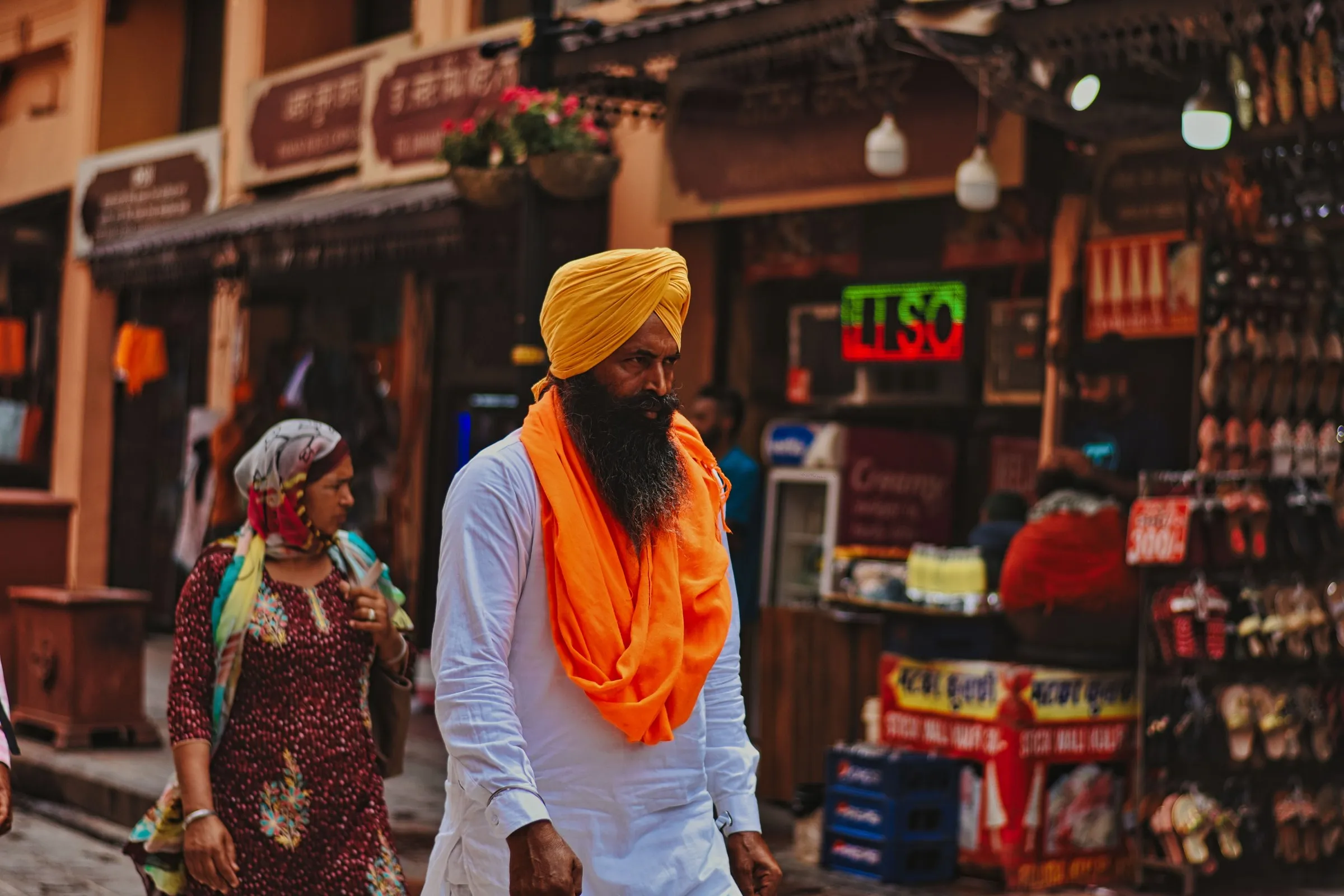
A Sikh man in a saffron turban and scarf walking through a bazaar in Amritsar

Spiritual · Himalaya · Hill stations

Punjab & Himachal: Golden Temple to Shimla

Amritsar and the Wagah border, then Dharamshala, Chamba, Manali and Shimla in the hills

See the day-by-day
Duration
14 days · 13 nights
Halts
8
Delhi to Delhi
Best months
March – June · September – November
Price
On request
quoted to your dates

The journey

Fourteen days from the Golden Temple at Amritsar into the hills of Himachal: Dharamshala, Chamba, Palampur’s tea gardens, Manali, Rohtang Pass and Shimla.

Amritsar is the heart of the Sikh faith. At the Golden Temple the hymns are sung from before dawn until the doors close at night, and the langar, the community kitchen, feeds everyone who comes, whatever their faith. Out on the border to the west, India and Pakistan lower their flags together every evening with a ceremony of stamping boots and high kicks. From the plains of Punjab the journey climbs into Himachal Pradesh, to Dharamshala, where the Dalai Lama has lived in exile since 1960 and the prayer flags run along every ridge.

Then the hills proper: the thousand-year-old stone temples of Chamba on the Ravi, the tea gardens of Palampur below the snows of the Dhauladhar, the Kullu valley and Manali, with a day up to the Rohtang Pass on the road to Lahaul. The journey ends in Shimla, the summer capital of British India, with its Mall, its Ridge and the Viceregal Lodge, and comes down through the terraced Mughal gardens at Pinjore to Delhi.

Highlights

What you will remember

  • The Golden Temple, the Akal Takht and the langar, Amritsar

  • The flag-lowering ceremony at the Wagah border

  • McLeod Ganj, Dharamshala: the Dalai Lama’s temple and the Tibetan settlement

  • Chamba’s thousand-year-old temples on the Ravi, and Palampur’s tea gardens

  • Manali: the Hadimba temple, Naggar Castle and a day up to Rohtang Pass

  • Shimla: the Mall, Jakhoo hill and the Viceregal Lodge

The route

9 halts, in order

  1. Delhi
  2. Amritsar2 nights
  3. Dharamshala2 nights
  4. Chamba1 night
  5. Palampur1 night
  6. Kullupass through
  7. Manali3 nights
  8. Shimla2 nights
  9. Delhi

Experiences

The moments it is built around

Everything else on this page is logistics. These are the reasons to come.

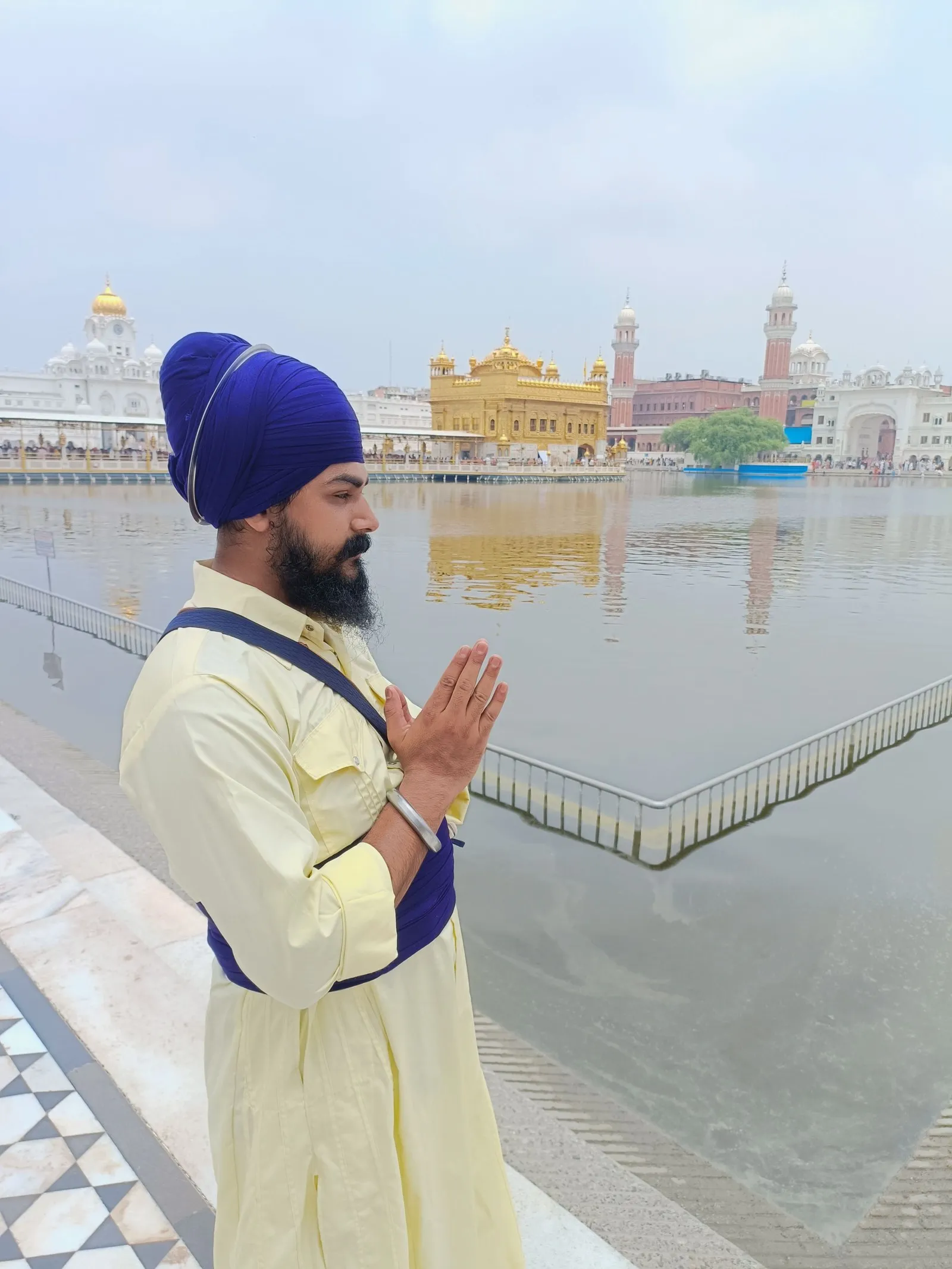
  • A Sikh pilgrim with joined palms beside the sacred pool of the Golden Temple, Amritsar

    The Golden Temple

    Hymns from before dawn, the gilded sanctum on its pool, and a langar that feeds everyone who comes.

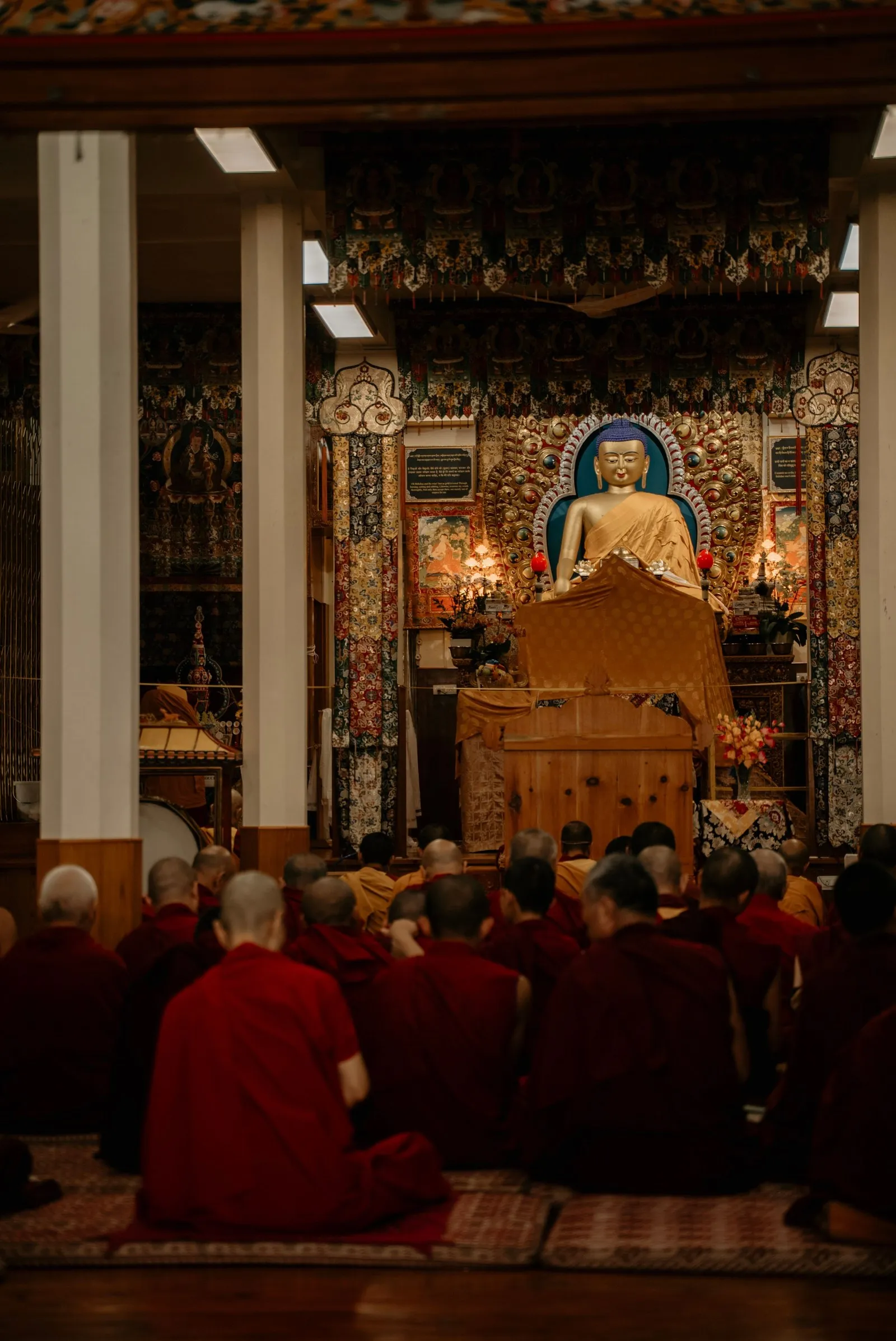
  • Monks at prayer before a gilded Buddha in a temple hall in Dharamshala

    Little Lhasa

    McLeod Ganj, home of the Dalai Lama in exile: prayer wheels, butter lamps and the Tsuglagkhang temple.

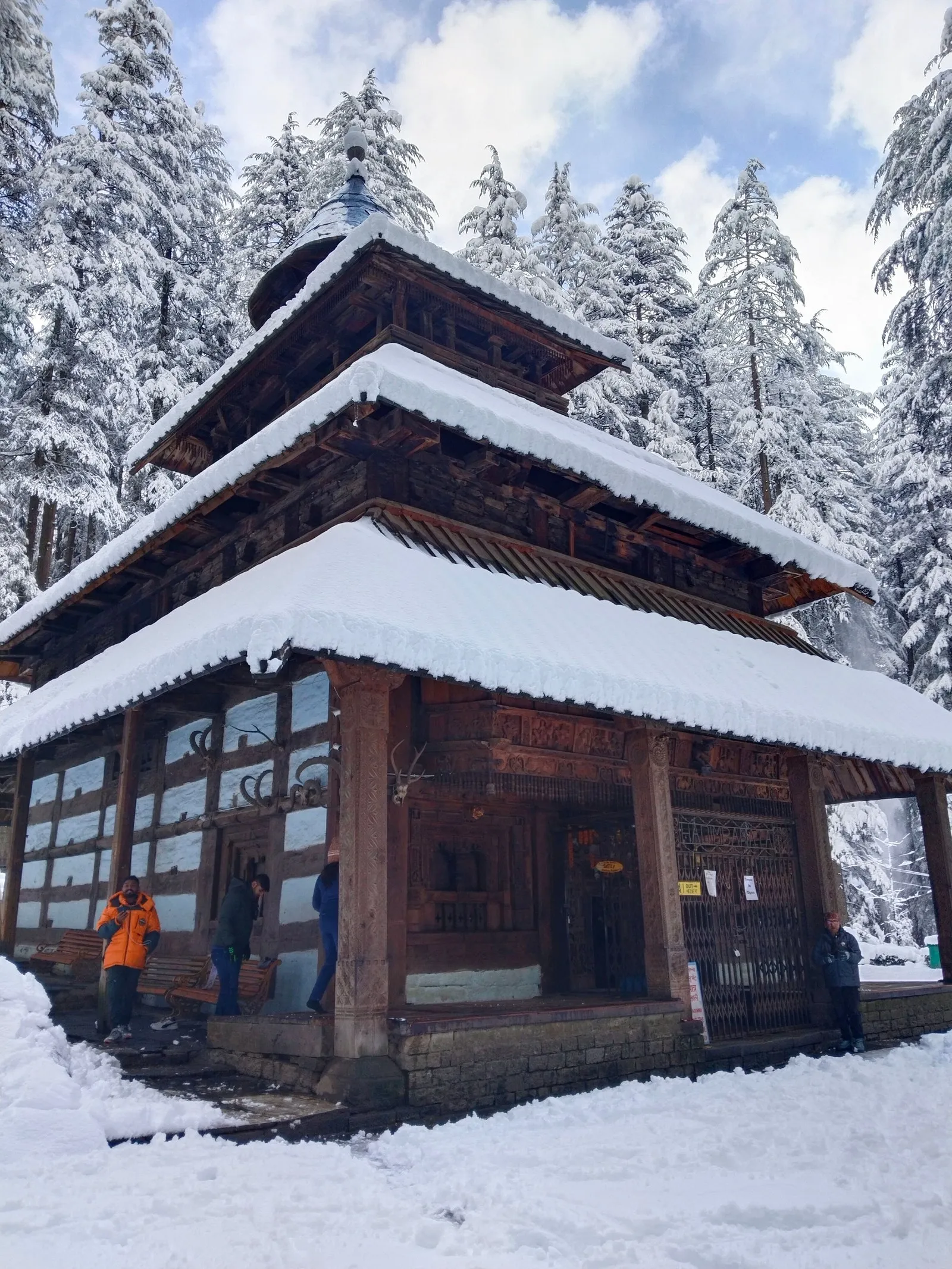
  • The Hadimba Devi temple under snow among the cedars, Manali

    Hadimba’s cedar temple

    A pagoda of wood and stone in the deodar forest above Manali, raised to the goddess Hadimba in 1553.

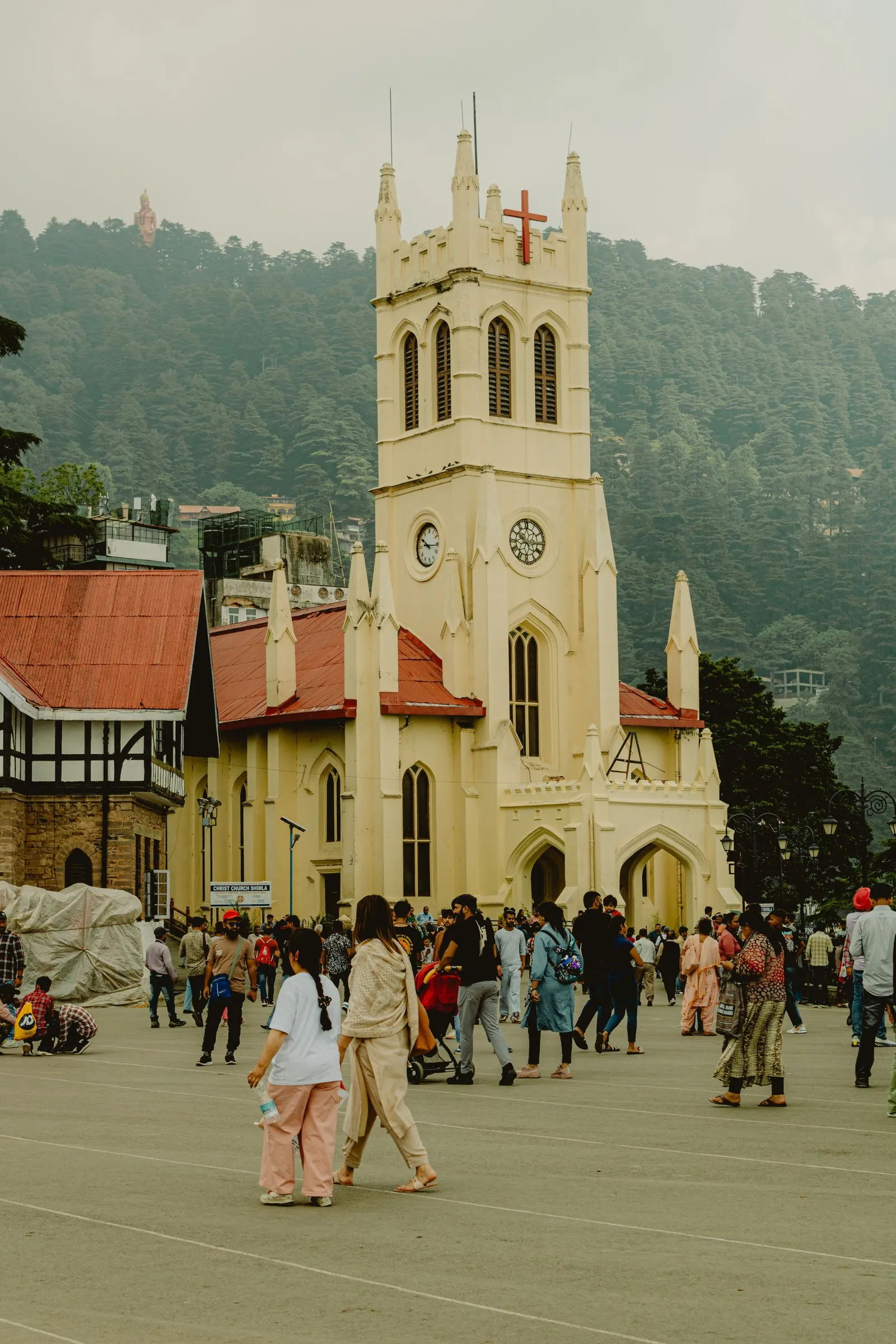
  • Christ Church on the Ridge in Shimla, people crossing the square below

    Shimla’s Ridge

    The summer capital of the Raj: Christ Church on the Ridge, the Mall and the Viceregal Lodge.

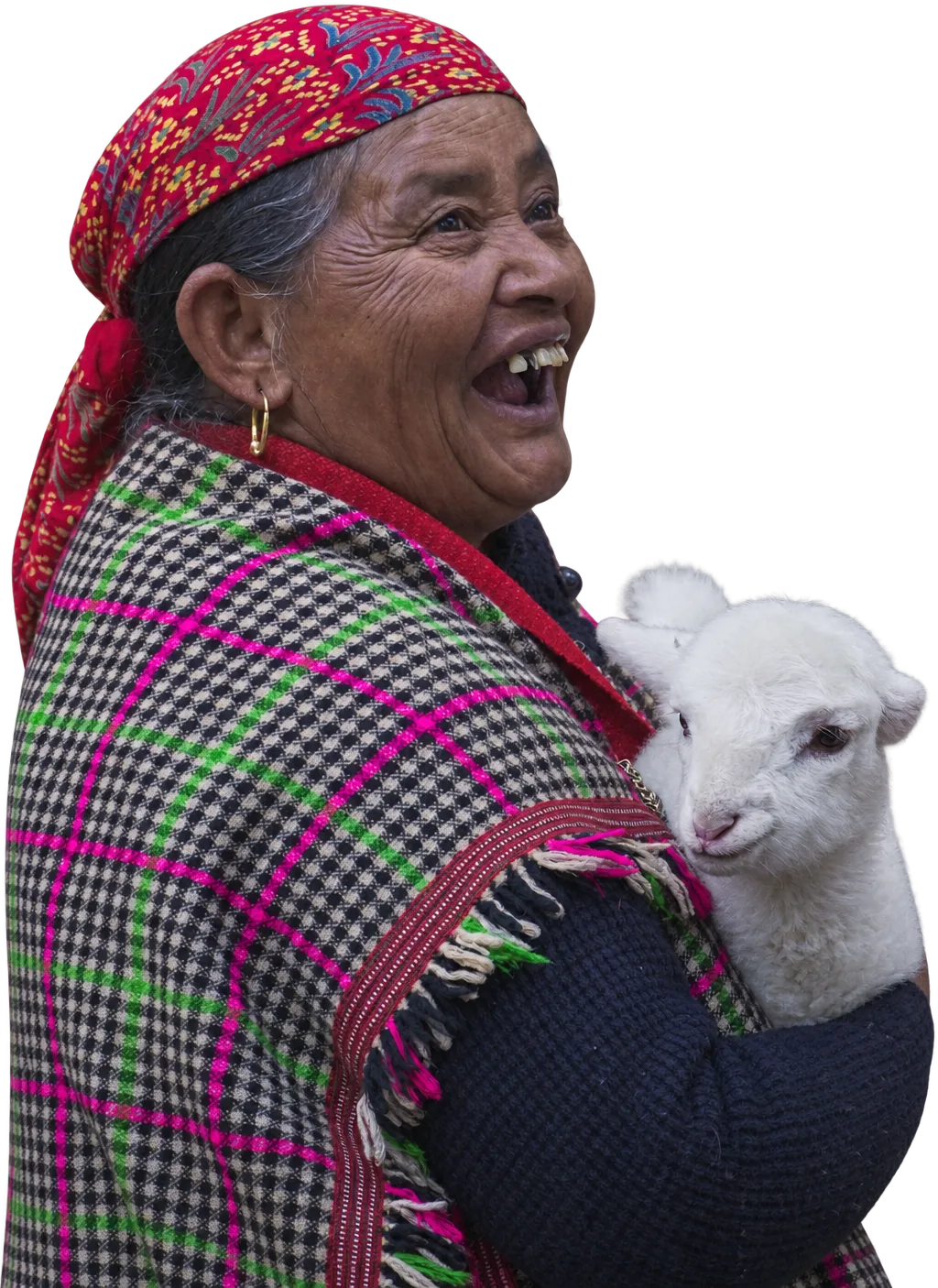
A woman in a checked shawl laughing, a white lamb in her arms, Himachal Pradesh

Spiritual · Himalaya · Hill stations

Amritsar and the Wagah border, then Dharamshala, Chamba, Manali and Shimla in the hills

14 days, 13 nights

The route, day by day

Every halt, every overnight and every drive, published in full.

  1. Delhi
  2. Amritsar
  3. Dharamshala
  4. Chamba
  5. Palampur
  6. Kullu
  7. Manali
  8. Shimla
  9. Delhi
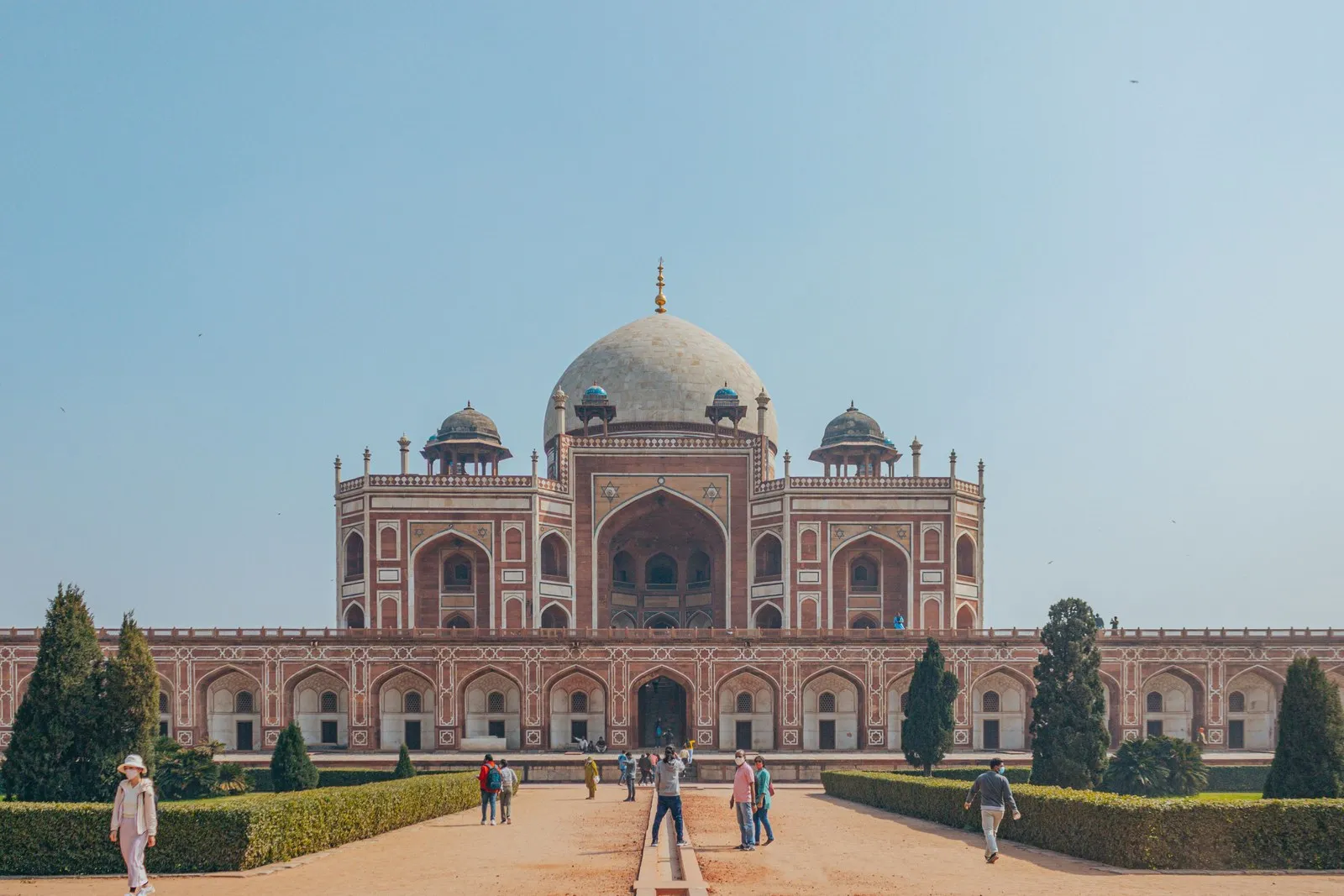
  1. Humayun’s Tomb at the end of its garden walk, Delhi

    01

    Overnight Delhi

    Arrival, and Old and New Delhi

    Met at the airport and driven to your hotel. After a rest, Old Delhi: Shah Jahan’s Jama Masjid, one of the largest mosques in India, and then a cycle-rickshaw through the lanes of Chandni Chowk, where the spice, silver and cloth bazaars have been trading for more than three centuries.

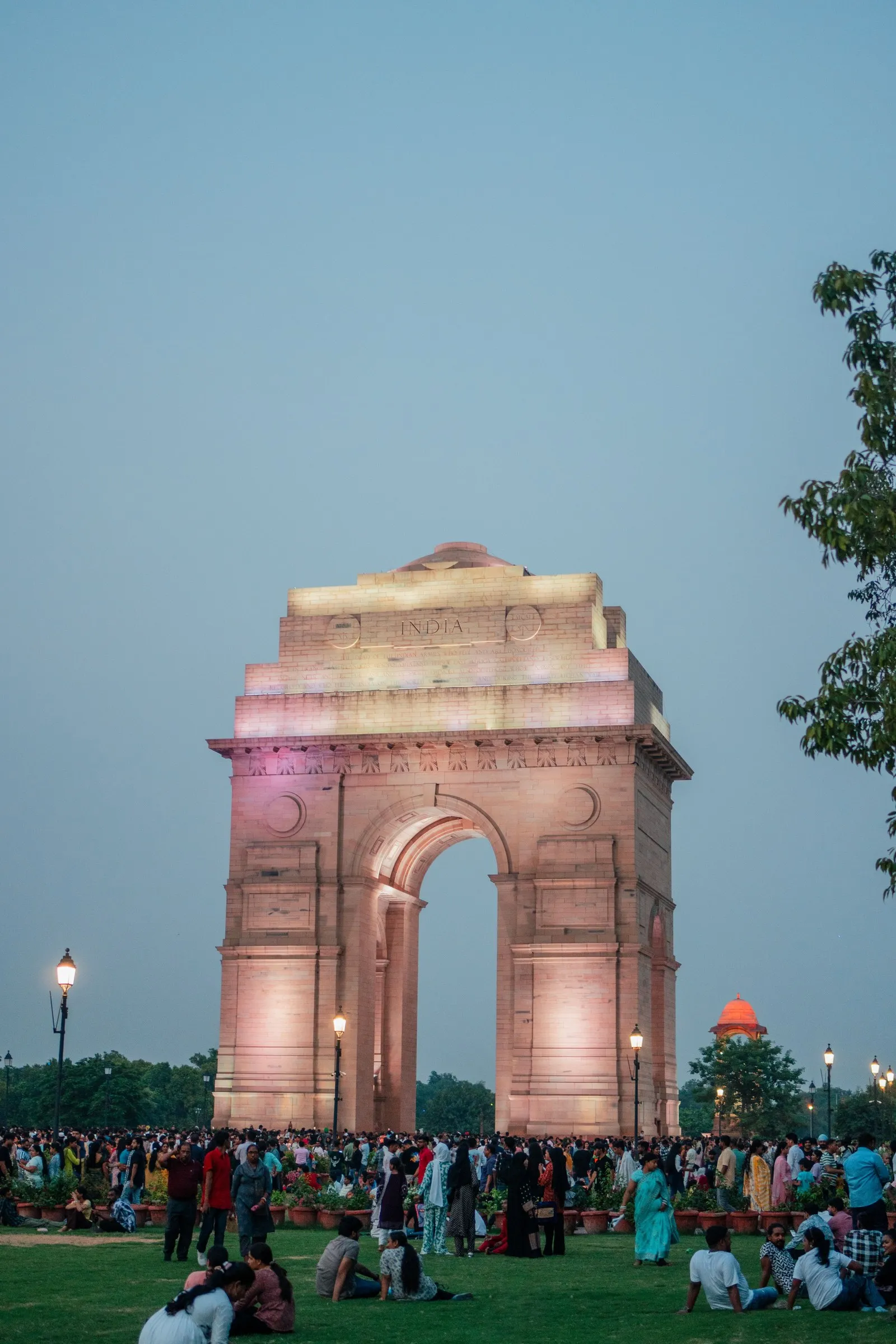
    In the afternoon, Humayun’s Tomb, begun in the 1560s for the second Mughal emperor and the first of the great Mughal garden tombs, then a drive through Lutyens’s New Delhi past India Gate, the Parliament buildings and Rashtrapati Bhavan, the President’s house.
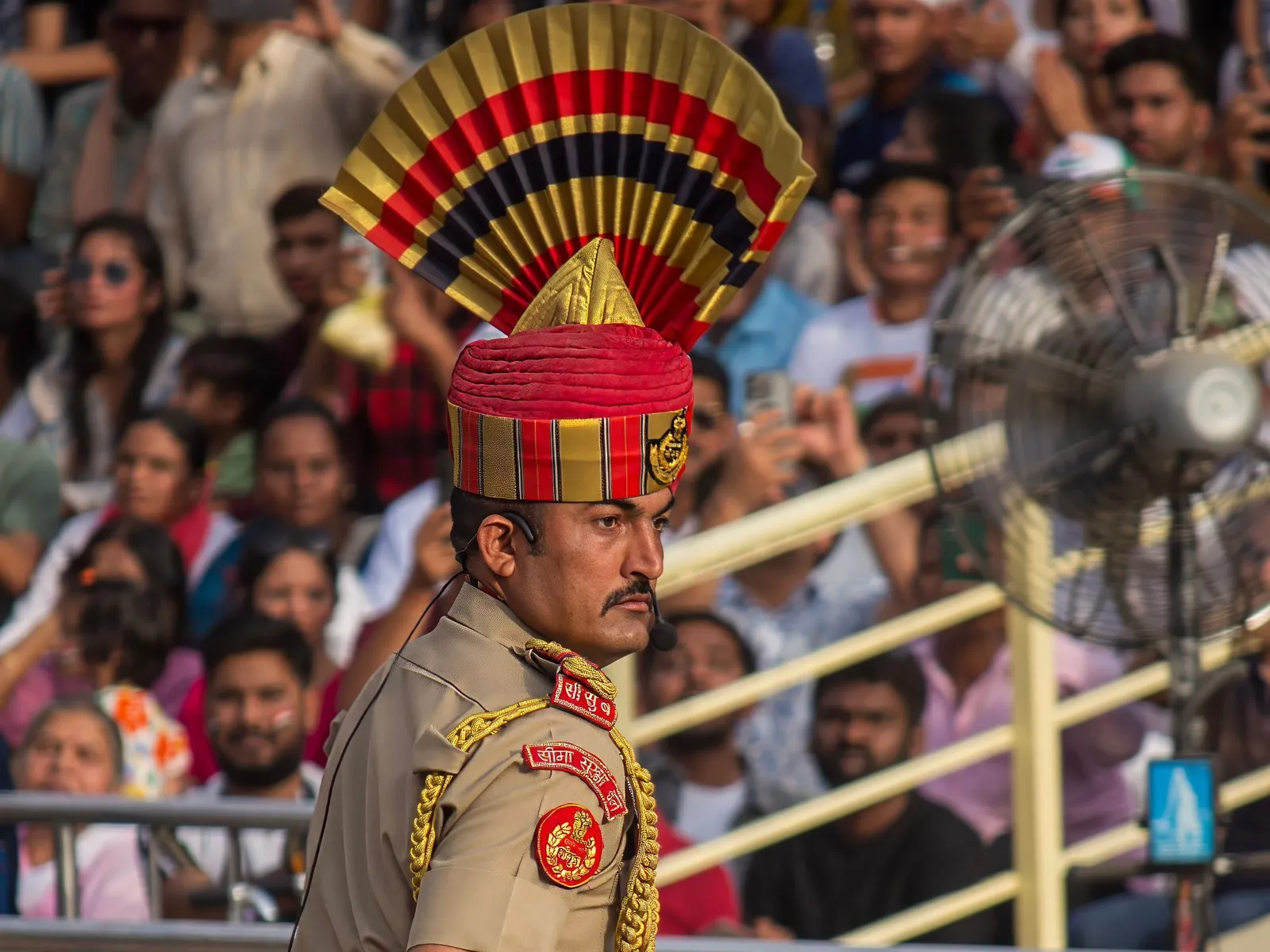
  2. A Border Security Force guard mid-stride at the Wagah border ceremony, the stands full behind him

    02

    Overnight Amritsar

    Flight Delhi – Amritsar

    Fly to Amritsar, and the Wagah border

    A morning flight north to Amritsar, the holy city of the Sikhs, founded in the sixteenth century by the fourth Guru, Guru Ram Das, around the sacred pool at its heart. Met at the airport and driven to your hotel to settle in before the afternoon.

    In the afternoon, out along the old Grand Trunk Road to the Wagah border, the crossing between India and Pakistan. Every evening the gates are opened and the two flags lowered together in the retreat ceremony: the Border Security Force on the Indian side and the Pakistan Rangers on the other, in fanned turbans, stamping, high-kicking and glaring at each other across the line, while the crowds in the stands cheer their own side on. Back to Amritsar for the night.

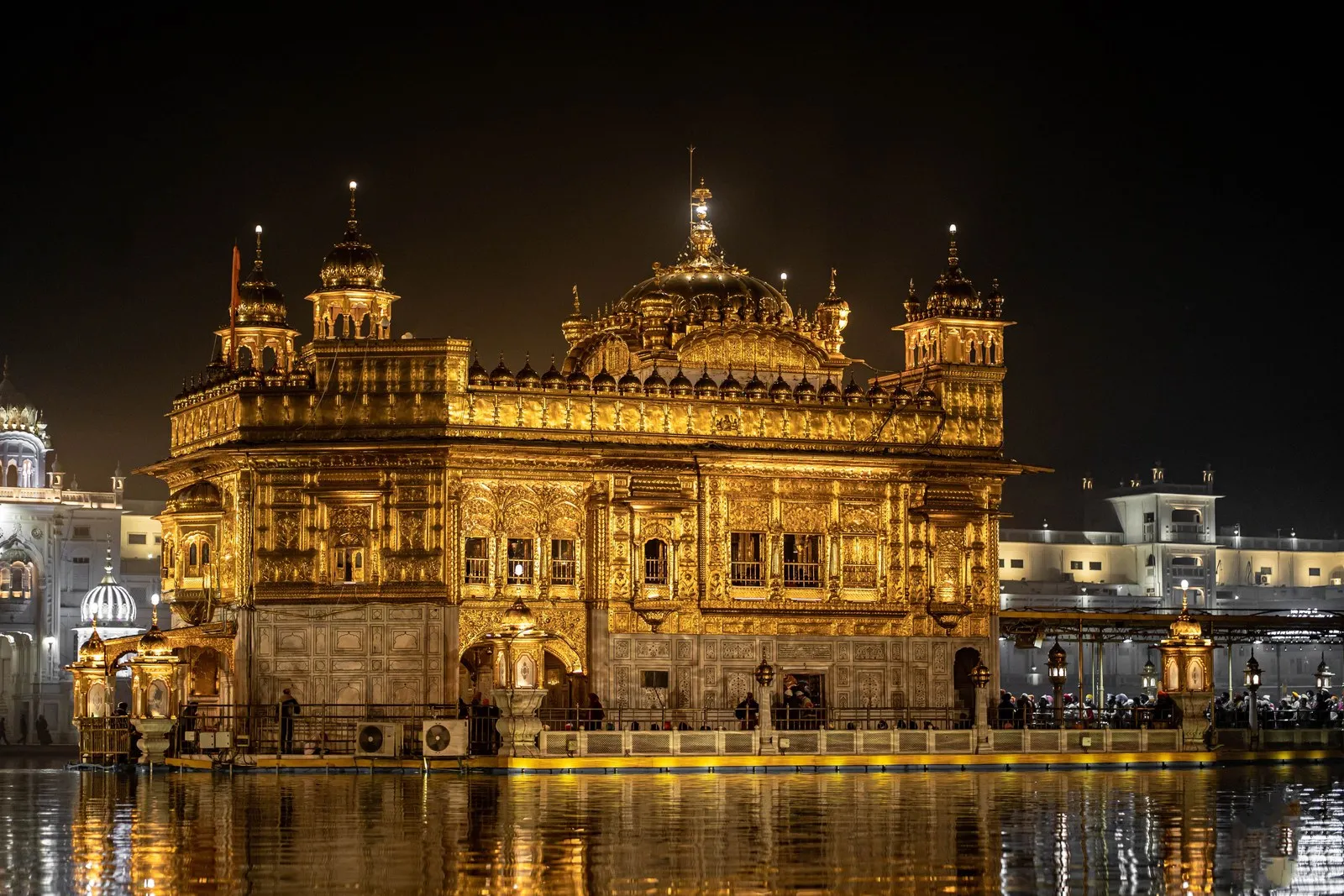
  3. The Golden Temple lit at night and reflected in its sacred pool, Amritsar

    03

    Overnight Amritsar

    The Golden Temple and Jallianwala Bagh

    A day for the Golden Temple — the Harmandir Sahib, or Darbar Sahib — the holiest shrine of the Sikhs. Its gilded sanctum stands in the middle of the sacred pool that gave Amritsar its name, and the Gurbani kirtan, the singing of hymns from the Guru Granth Sahib, goes on from the opening of the doors before dawn until they close at night. Cover your head, leave your shoes at the gate and walk the marble path round the water.

    Facing the temple across the causeway is the Akal Takht, the Throne of the Timeless One, founded by the sixth Guru, Guru Hargobind, in the seventeenth century as the seat of Sikh temporal authority. Before you leave, sit down on the floor at the langar, where volunteers serve a free meal to tens of thousands of people a day.

    A short walk away is Jallianwala Bagh, the walled garden where on 13 April 1919 British troops under General Dyer fired on an unarmed crowd and killed hundreds. The bullet marks in the walls and the well into which people jumped are still there; the massacre turned a great many Indians against British rule for good.

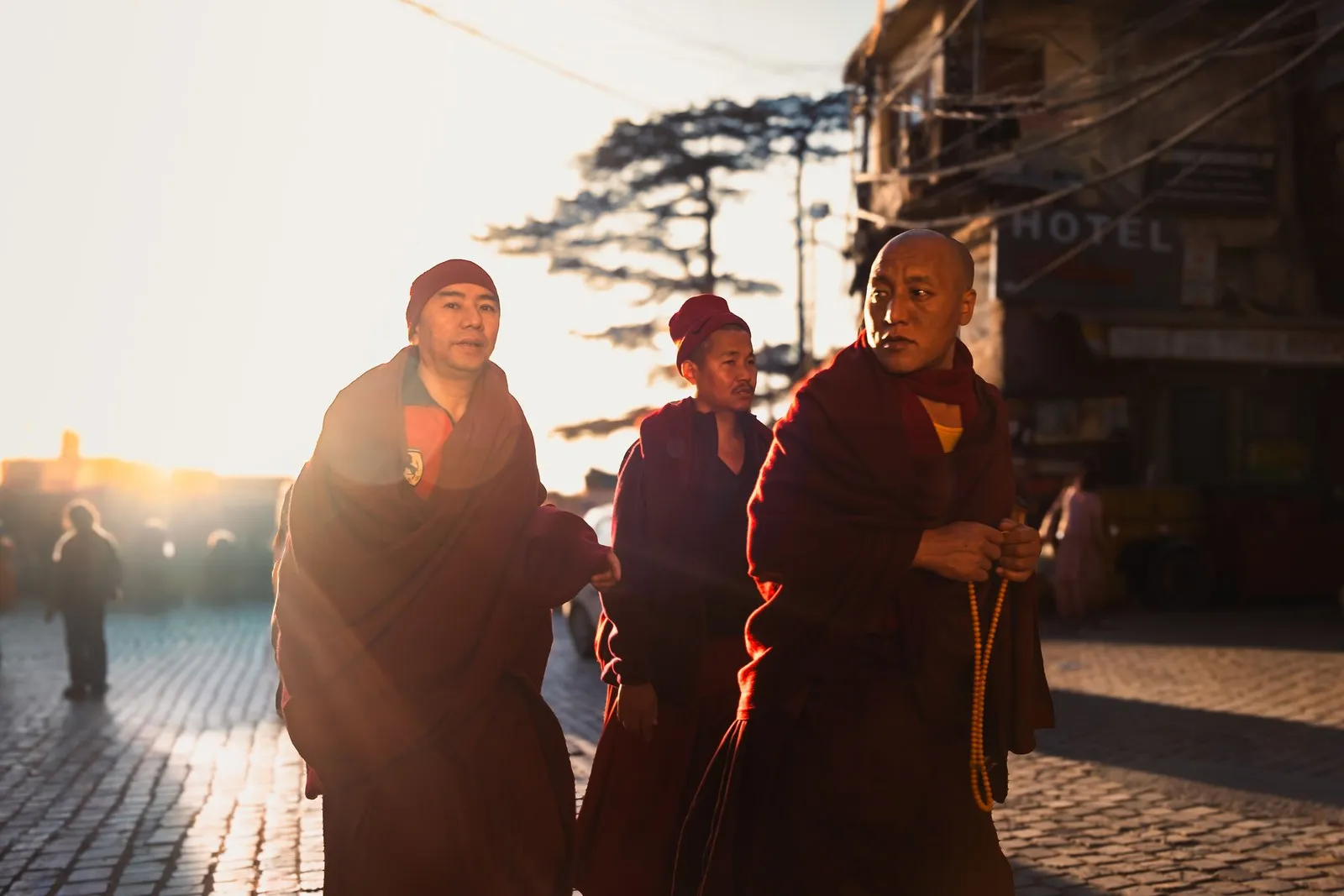
  4. Three monks in maroon robes walking in the early sun, Dharamshala

    04

    Overnight Dharamshala

    200 km · about 5 hrs

    Amritsar – Dharamshala

    Out of the Punjab plains and up into Himachal Pradesh, to Dharamshala, strung along a spur of the Dhauladhar range with the snow close above it. Upper Dharamshala, McLeod Ganj, has been the home of the Dalai Lama and the seat of the Tibetan government in exile since 1960, and it is as much Tibetan as Indian.

    In the afternoon, the Tibetan settlement: the schools, workshops and small temples built by the refugees who followed the Dalai Lama out of Tibet, and the monks in maroon robes who fill its steep streets.

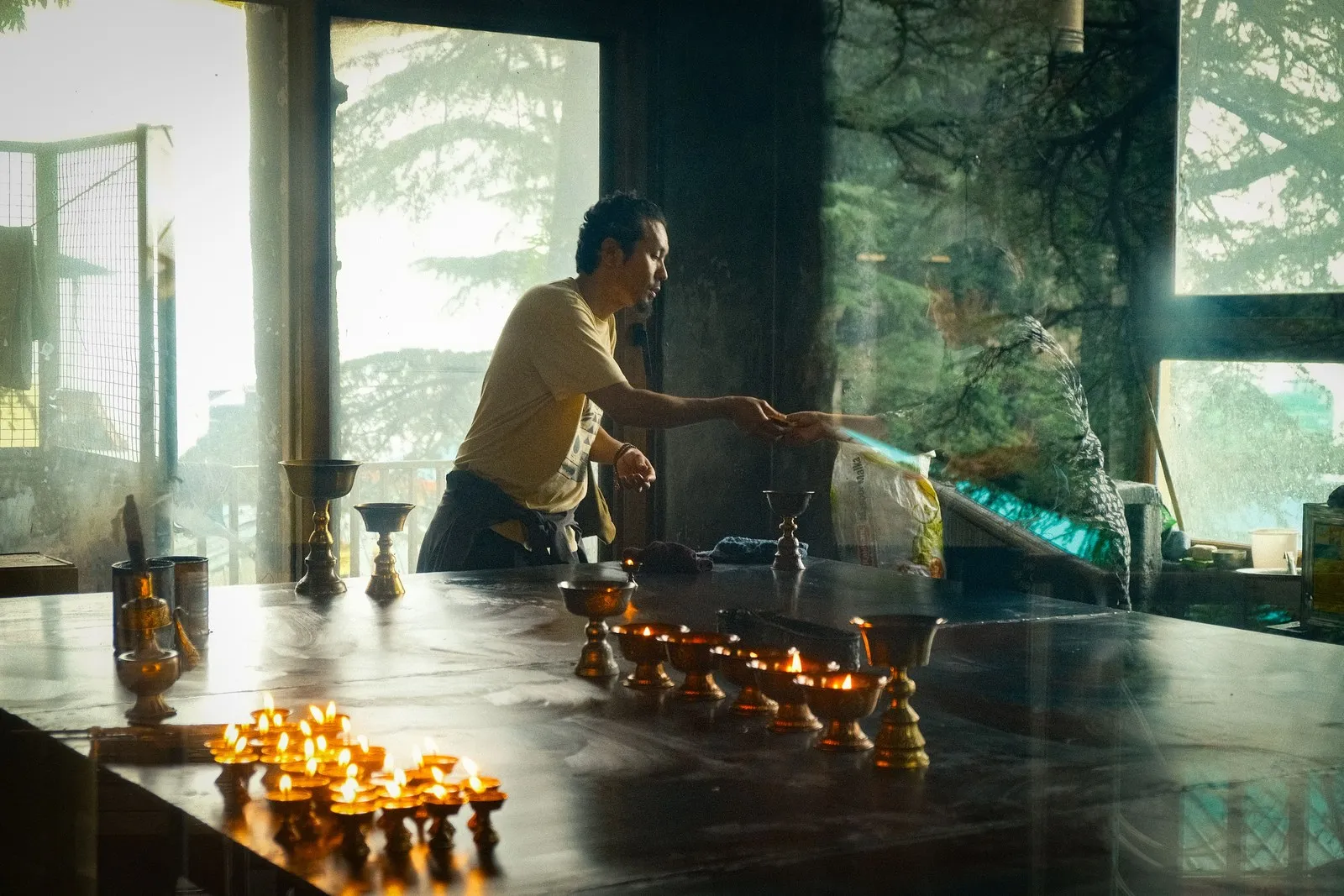
  5. A man tending rows of butter lamps at a Buddhist temple in Dharamshala

    05

    Overnight Dharamshala

    A day in Little Lhasa

    A free day in the town they call Little Lhasa. Most people begin at the Tsuglagkhang, the Dalai Lama’s temple, with the Namgyal monastery beside it, where butter lamps burn in rows before the images. Then walk the kora, the path of prayer wheels and prayer flags that circles his residence through the pine forest.

    Spend the afternoon in the lanes of McLeod Ganj, among the Tibetan bookshops, thangka painters and momo kitchens, or take the short walk out to Bhagsunag, with its old Shiva temple, its spring-fed pools and the waterfall above.

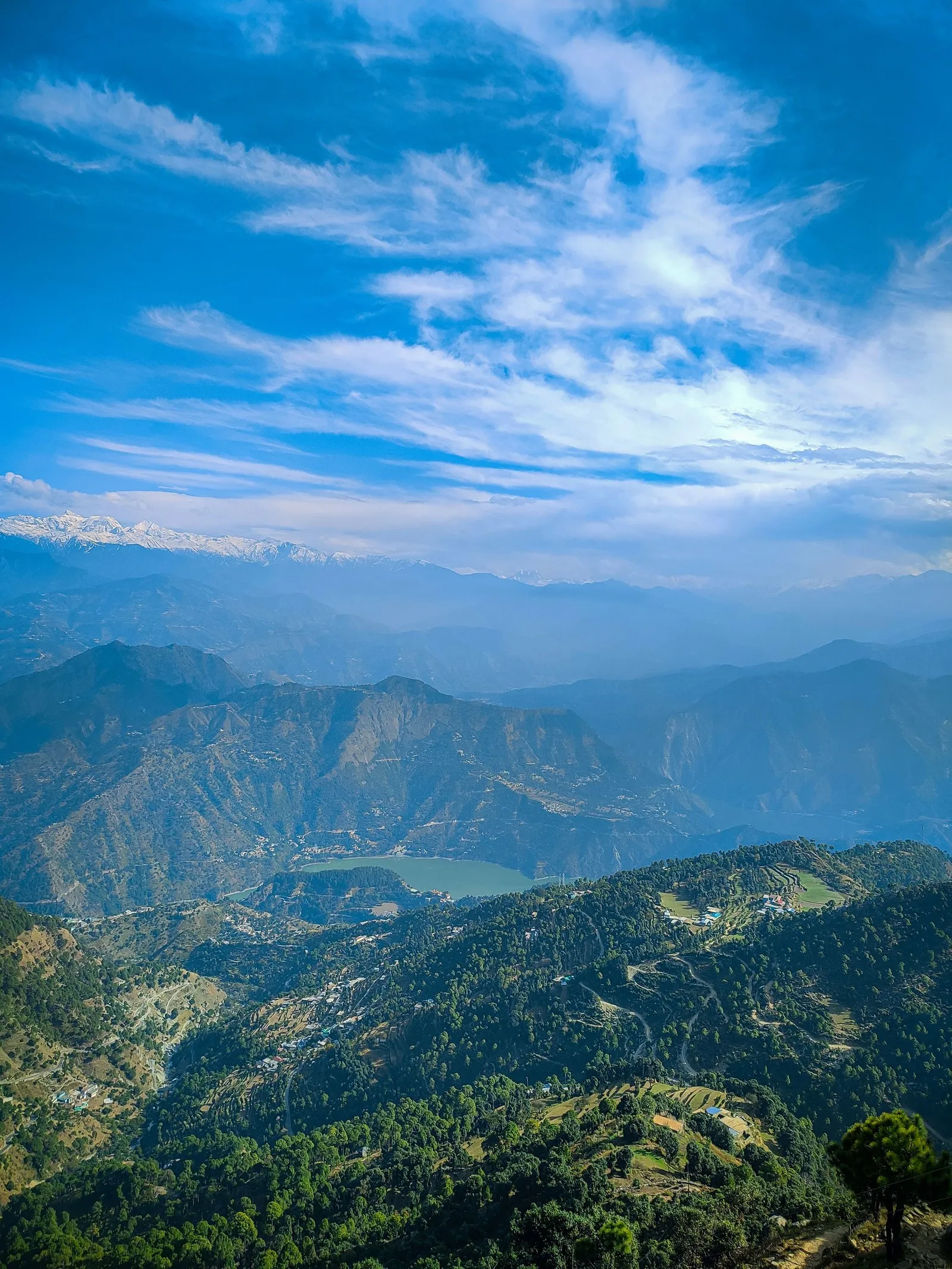
  6. Forested ridges and far snow peaks under a wide sky, Chamba, Himachal Pradesh

    06

    Overnight Chamba

    125 km · about 5 hrs

    Dharamshala – Chamba

    West over the hills to Chamba, on a shelf above the Ravi, the capital of one of the oldest kingdoms in the Himalaya. Its history is recorded from about 500 AD, and its rajas ruled from this town from the tenth century until 1948, when the state joined India’s new Himachal Pradesh.

    In the old town stand the Lakshmi Narayan temples, raised by the kings of Chamba more than a thousand years ago: tall stone shikharas crowded together, some with wooden roofs built against the snow. Walk out to the Chaugan, the long green at the centre of the town, and look for the Chamba rumal, the embroidered cloths Chamba is known for.

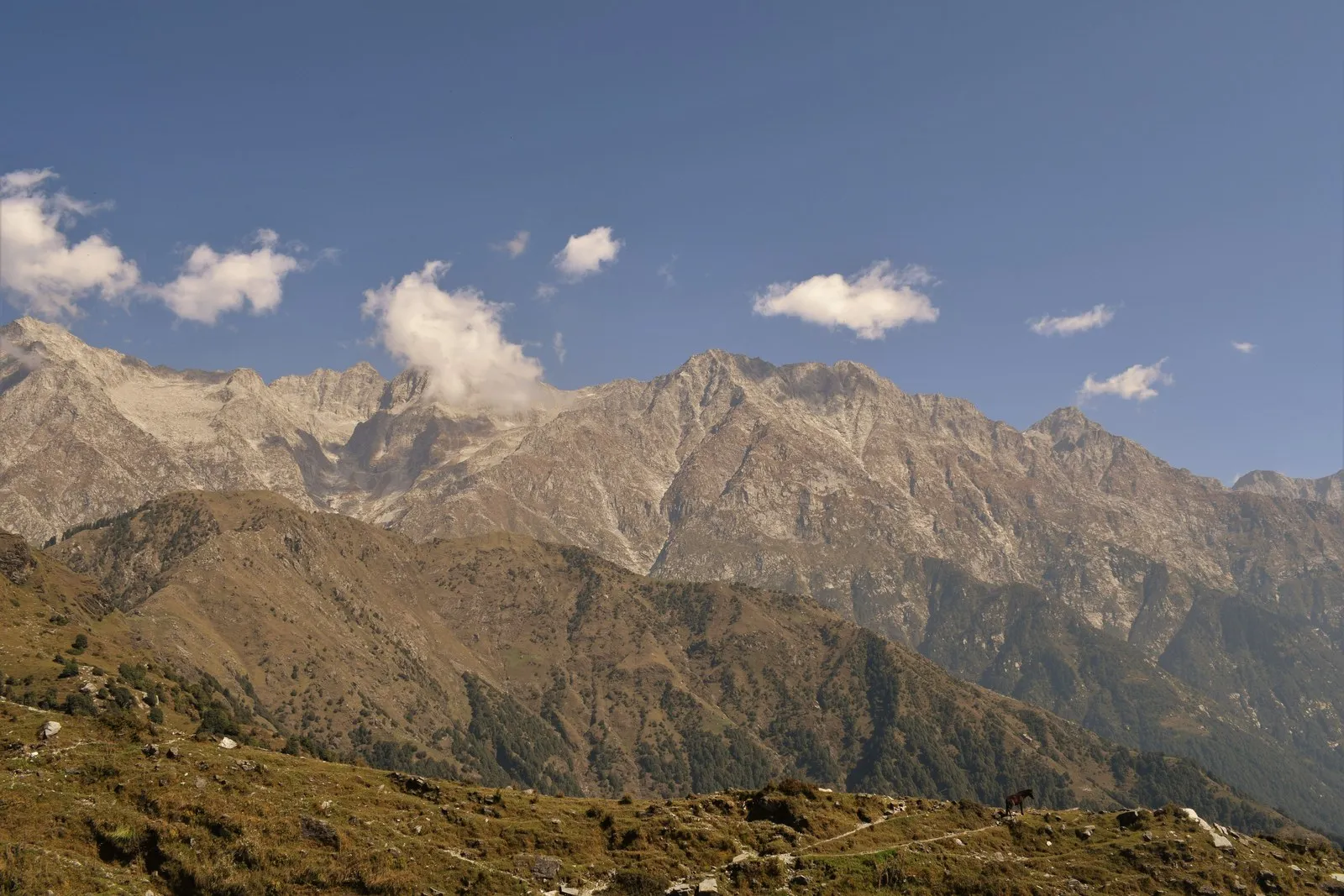
  7. The peaks of the Dhauladhar range above the Kangra valley in summer

    07

    Overnight Palampur

    160 km · about 6 hrs

    Chamba – Palampur

    Back through the hills to the Kangra valley and Palampur, the tea capital of north India, on a plateau at the foot of the Dhauladhar range. Tea has been grown here since the middle of the nineteenth century, and the gardens come right to the edge of the town, with forests of pine and deodar above them and streams running down from the snows. The evening is yours: walk out through the tea gardens as the light goes on the mountains.

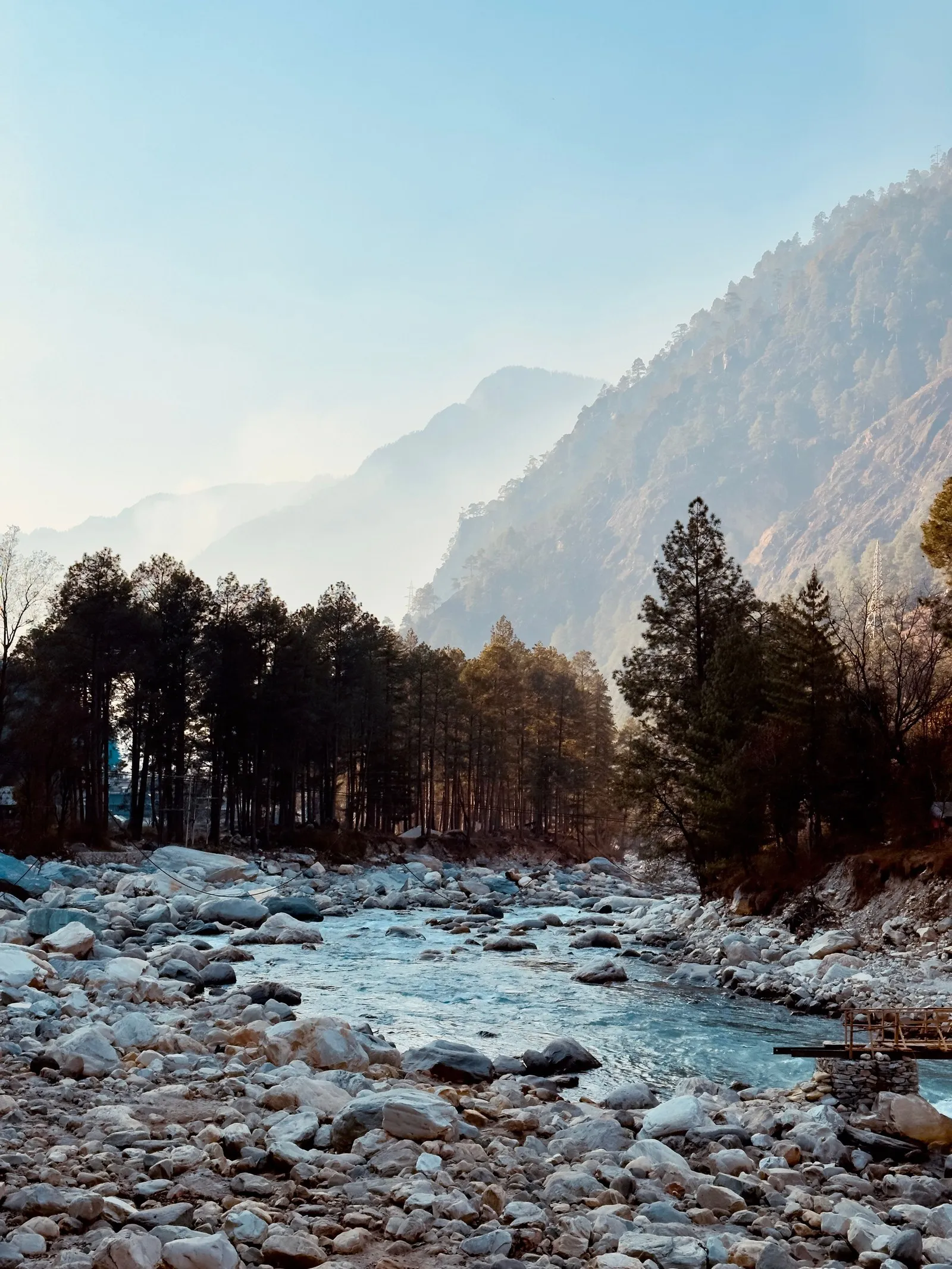
  8. A river running over boulders between pine woods in the Kullu valley

    08

    Overnight Manali

    200 km · about 6 hrs

    Palampur – Kullu – Manali

    A long day on the road: down through Mandi to the Beas, then up the river through its gorge into the Kullu valley, the Valley of the Gods, with apple orchards on the slopes and villages of stone and timber above them. A stop in Kullu on the way, then on up the valley to Manali, and the rest of the day at leisure.

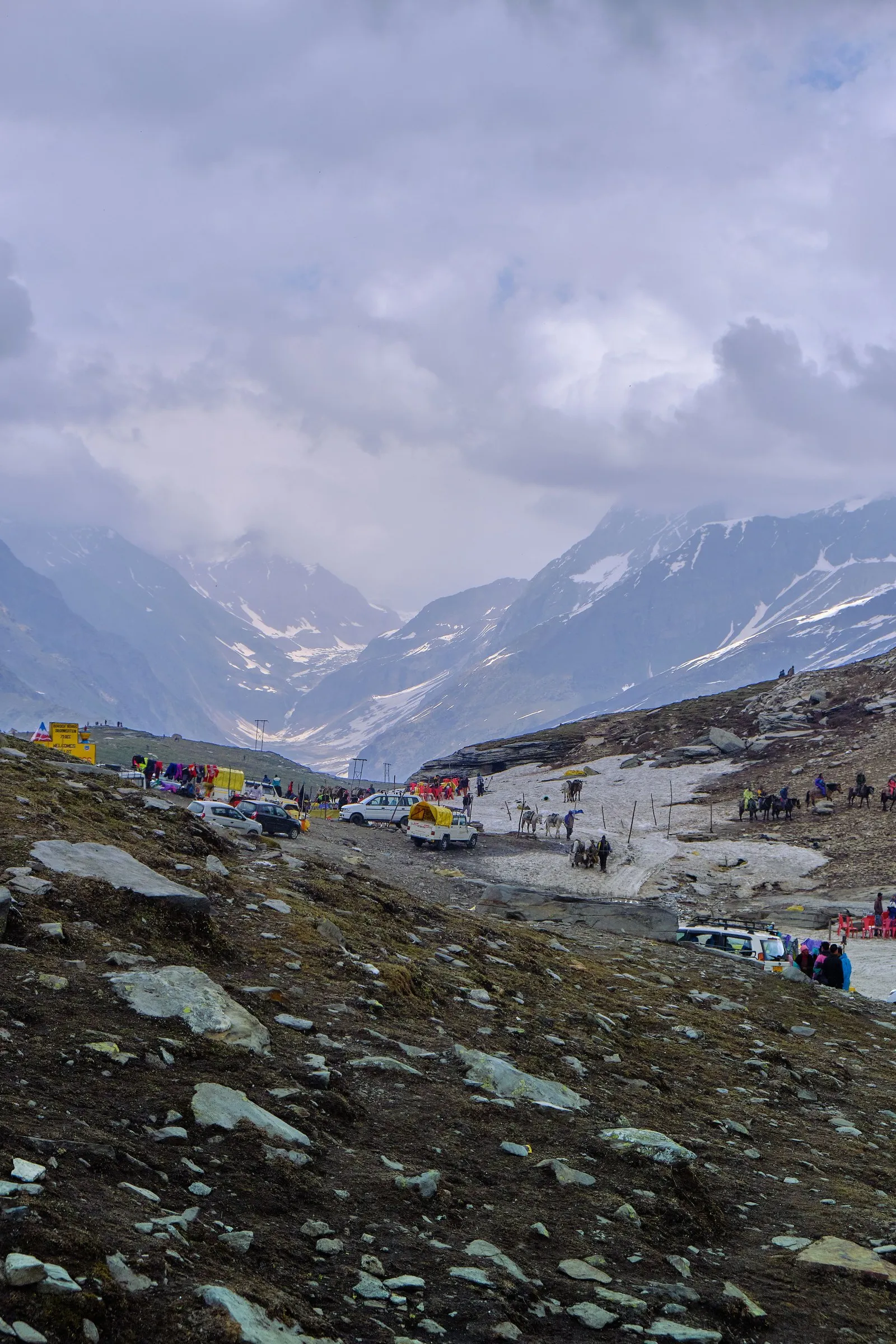
  9. Travellers and parked cars on the snow at Rohtang Pass, the mountains beyond

    09

    Overnight Manali

    51 km each way

    Up to Rohtang Pass

    An early start for Rohtang Pass (3,978 m), 51 km above Manali on the road to Keylong. The road climbs through the forest past the Rahala falls and the meadows at Marhi into bare rock and snow, and from the top the mountains fall away on the far side into Lahaul, a drier world beyond the main Himalayan range.

    Rohtang is closed on Tuesdays for road maintenance, needs a permit for each vehicle and shuts in winter and often in bad weather, so this day is planned around it (see Before you book). Back down to Manali for the evening.

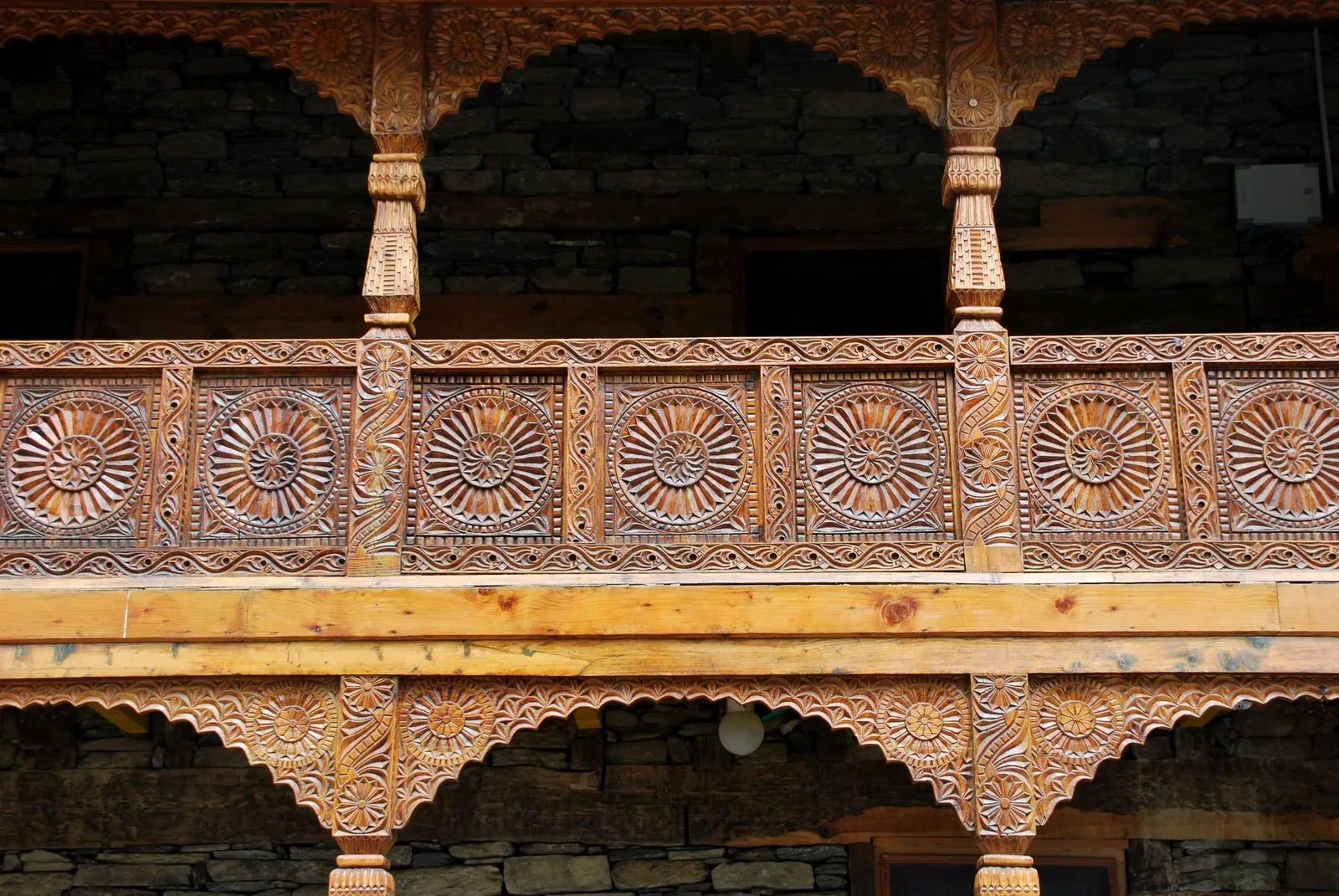
  10. The carved wooden balcony of Naggar Castle in the Kullu valley

    10

    Overnight Manali

    Hadimba, Vashisht and Naggar

    The Hadimba Devi temple, in a grove of deodars above the old village, was built in 1553 by the Kullu raja Bahadur Singh for the goddess Hadimba, wife of the Pandava Bhima in the Mahabharata. Its roof rises in four tiers, and its doorway is carved with deities, animals and symbols. Then across the Beas to Vashisht, for its hot sulphur springs and the temple of the sage Vashisht.

    In the afternoon, down the valley to Naggar, the old capital of the Kullu kingdom, whose castle of stone and deodar is now a hotel. Above it is the house where the Russian painter and explorer Nicholas Roerich lived from 1928 until his death in 1947, now the Roerich Art Gallery, hung with his paintings of the Himalaya.

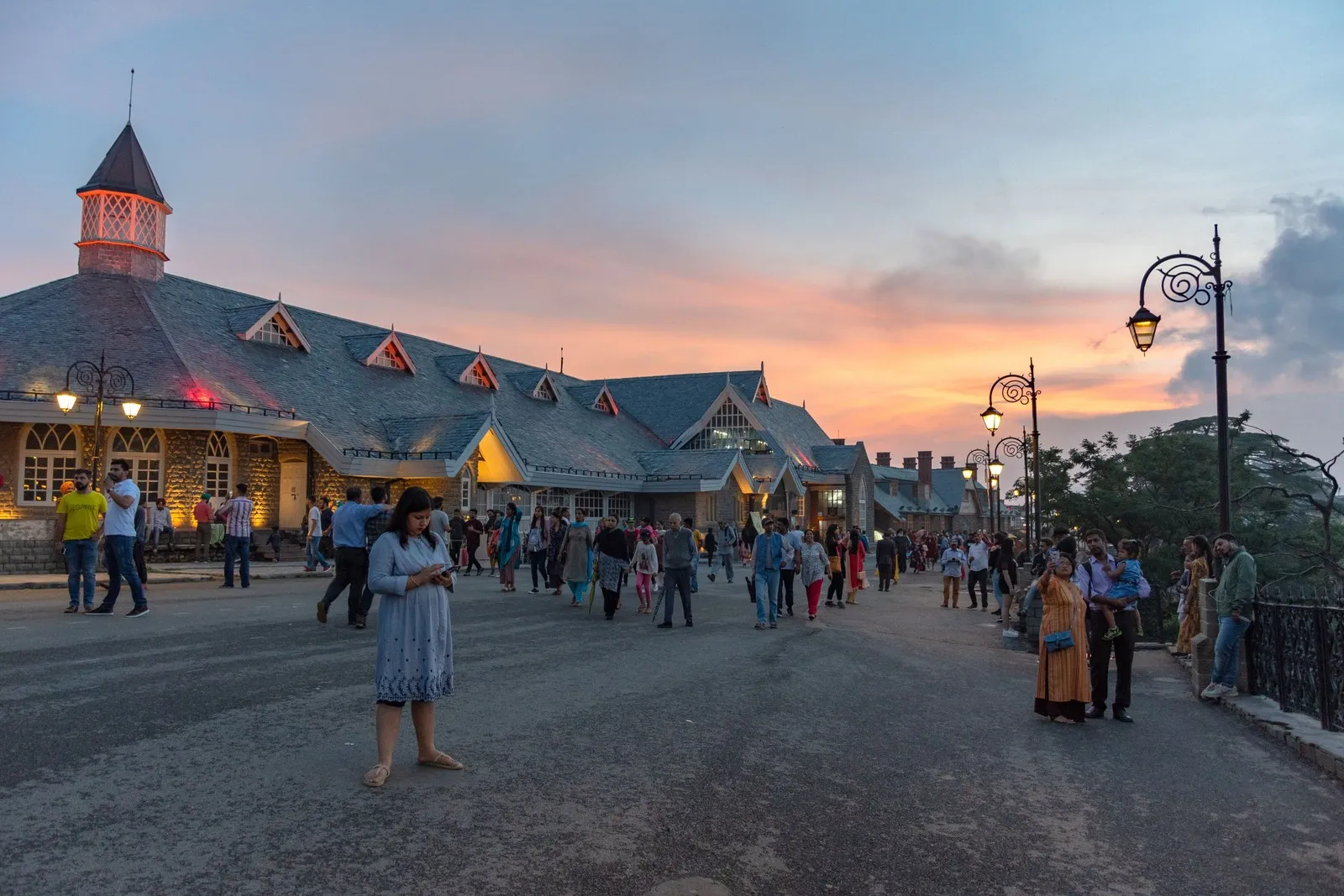
  11. Evening on the Mall in Shimla, the Gaiety Theatre lit behind the strollers

    11

    Overnight Shimla

    240 km · about 8 hrs

    Manali – Shimla

    The longest drive of the journey, down the Kullu valley and south through Mandi and Bilaspur to Shimla, the capital of Himachal Pradesh. From 1864 it was the summer capital of British India, and the government moved up here each year for the hot months. The rest of the day is yours: walk out on the Mall in the evening, when half the town is strolling there.

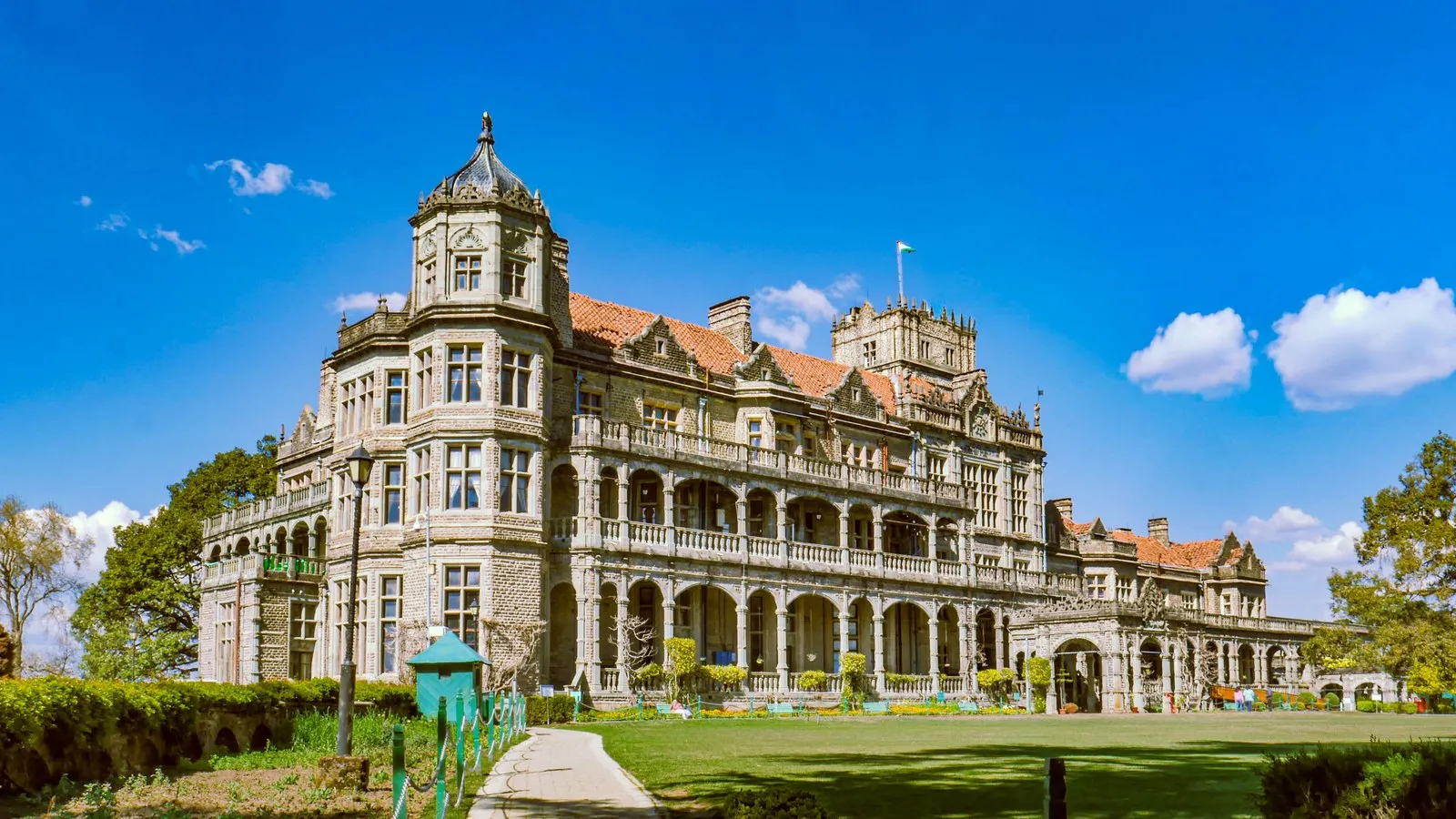
  12. The Viceregal Lodge in Shimla, grey stone and gables above its lawns

    12

    Overnight Shimla

    Kufri, Jakhoo and the Viceregal Lodge

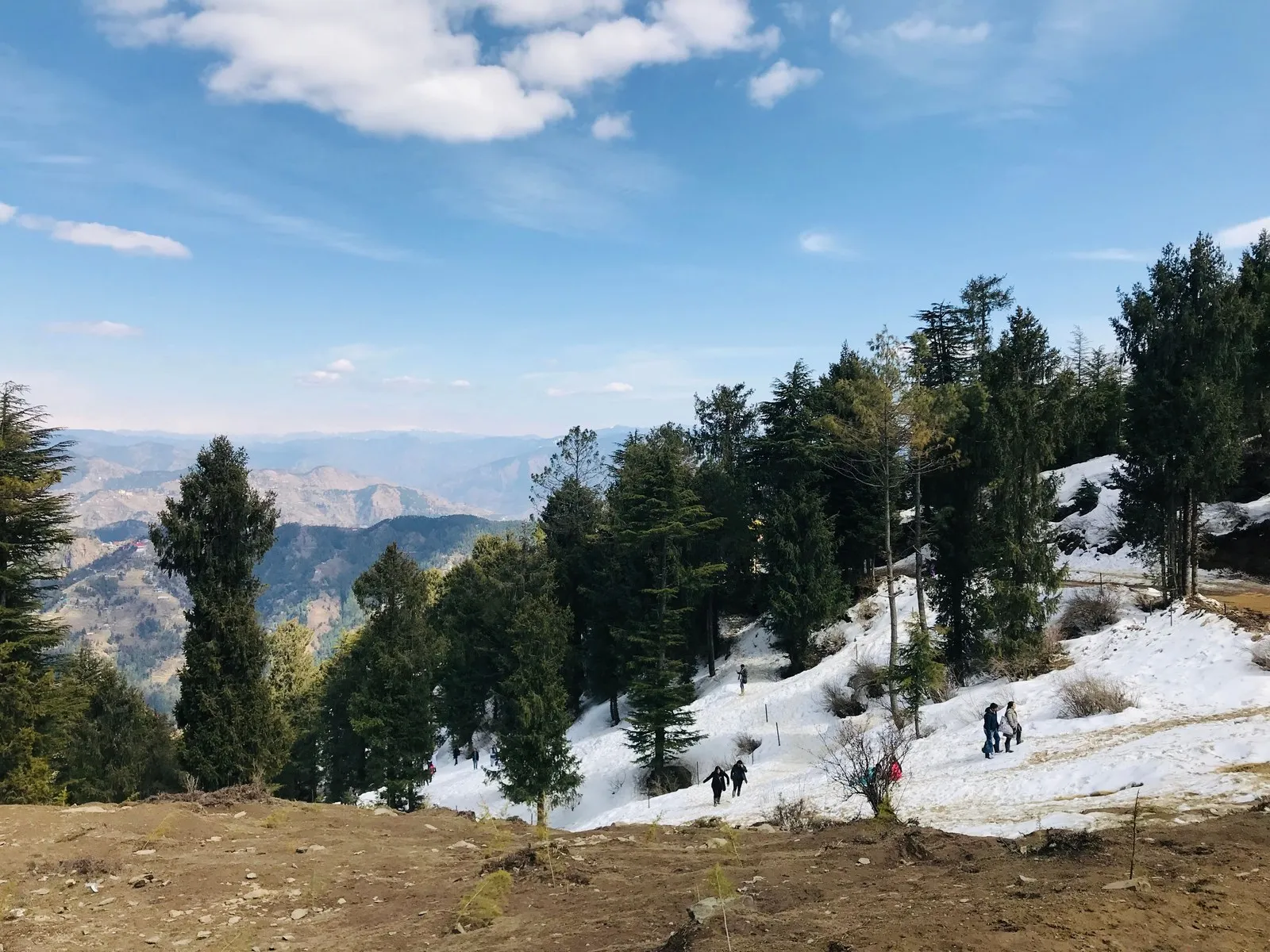
    The morning at Kufri, half an hour’s drive east of Shimla along the old Hindustan–Tibet road, among forests of deodar and fir, with a line of snow peaks on the horizon on a clear day. In winter its slopes are white, and families drive up from Shimla to play in the snow.

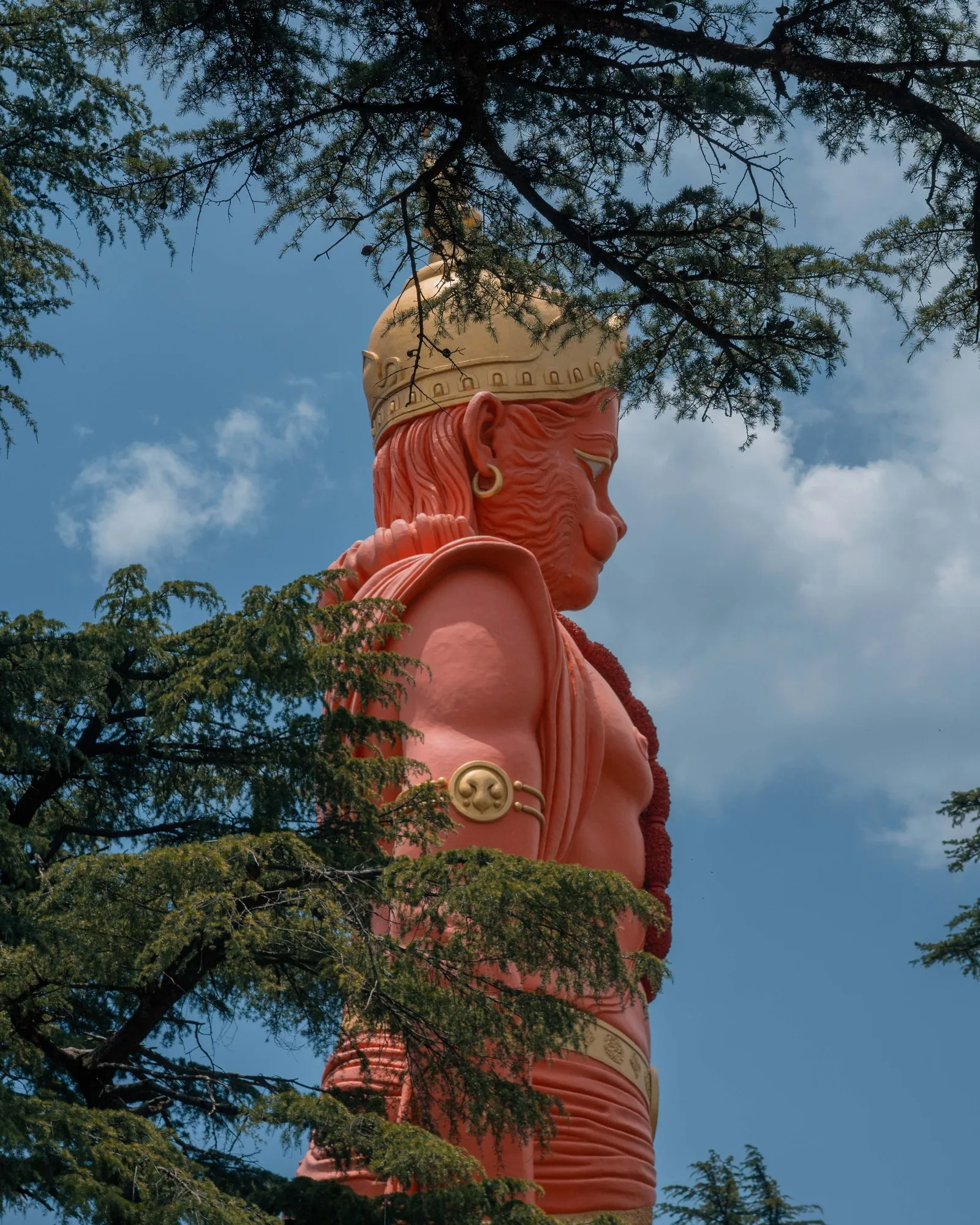
    Back in town, a walking tour: up Jakhoo hill, the highest point in Shimla, to the Hanuman temple and its giant statue, with the whole town below you; along the Ridge and the Mall past Christ Church; and out to the Viceregal Lodge, built for the viceroy Lord Dufferin in 1888, where the Simla Conference met in 1945. It is now the Indian Institute of Advanced Study.

  13. India Gate lit at dusk, the evening crowd on the lawns below it, New Delhi

    13

    Overnight Delhi

    350 km · about 7 hrs

    Shimla – Pinjore – Delhi

    Down out of the hills and back to the plains, with a stop at Pinjore Gardens, also called the Yadavindra Gardens: a Mughal garden of the seventeenth century, about a hundred acres of terraces, water channels and fountains below the Shivalik hills. Then on to Delhi and your hotel for the last night.

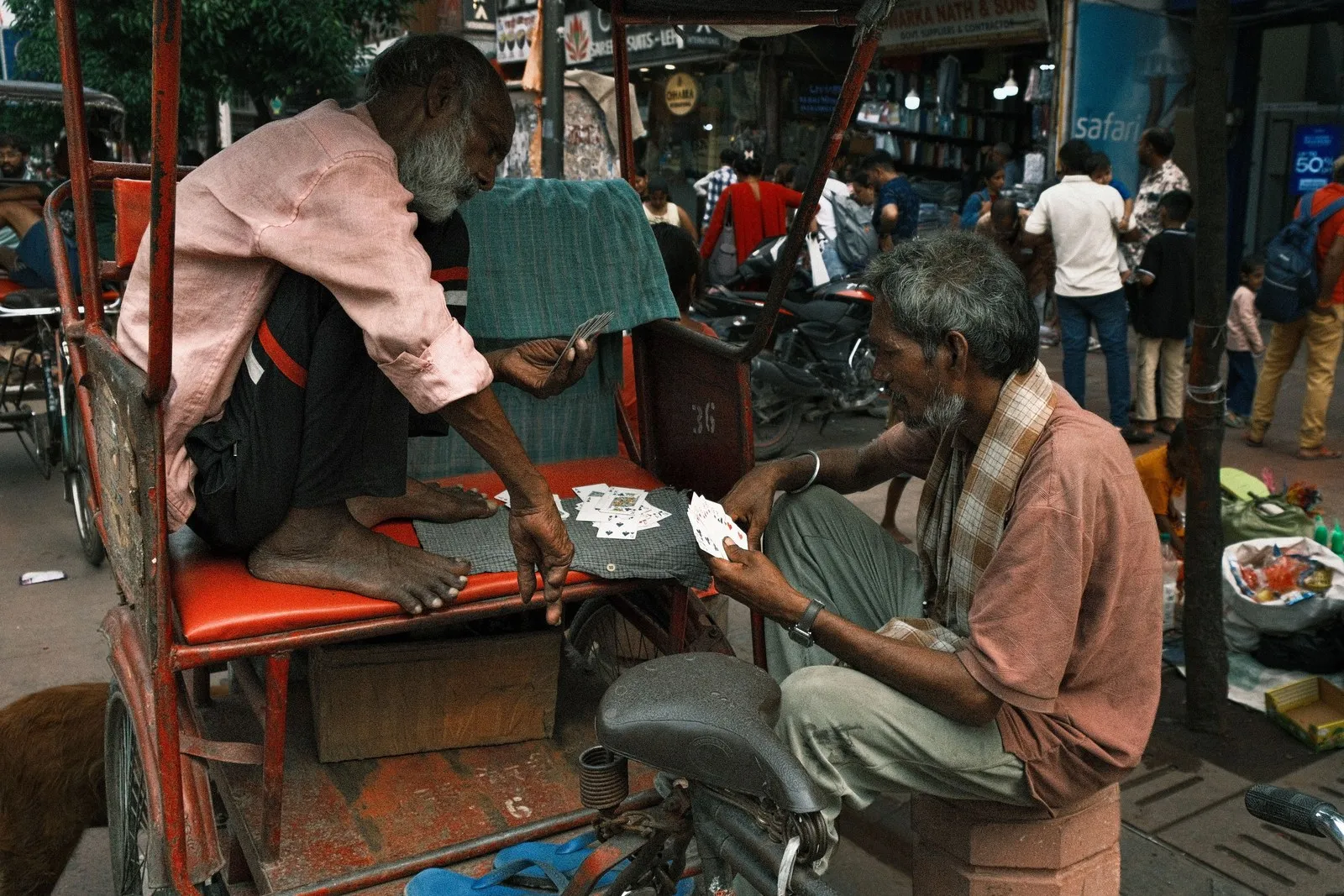
  14. Two men playing cards on a cycle-rickshaw in a Delhi street

    14

    Departure

    Departure

    Time for a last walk or a last cup of chai, then the transfer to Delhi airport in good time for your flight home.

Like the route? We will write it for your dates.

The price

What the price covers

The commonest reason travellers abandon an enquiry is not knowing what is covered. Every Rang Travels quotation itemises it — this is the usual shape for this journey.

Included

  • 13 nights with breakfast
  • The flight from Delhi to Amritsar
  • A private air-conditioned car with driver for the Delhi sightseeing, and from Amritsar through the hills to Delhi
  • A cycle-rickshaw ride in Chandni Chowk
  • Local guides for the sightseeing in Delhi, Amritsar, Manali and Shimla
  • Airport transfers, tolls, parking and driver allowances

Not included

  • International flights
  • Monument entrance fees
  • Lunches and dinners
  • Visa, travel insurance and tips

Price on request

Quoted to your dates,
your hotels and your pace

Before you book

Mountain roads, Rohtang and the temples

This is a journey of long drives on mountain roads, with one day at nearly 4,000 m. Please read these before you confirm.

Rohtang Pass

  • Every vehicle needs a permit to drive up to Rohtang Pass, and only a limited number are issued for each day. We apply for it with your booking, but it cannot be guaranteed.
  • The pass is closed through the winter, usually from late autumn until late spring, and at any time when snow or landslides close the road. It is also closed on Tuesdays for road maintenance.
  • If the pass is closed on your day, we plan another outing from Manali instead.
  • At 3,978 m the air is thin. Walk slowly at the top, drink water, and tell your guide at once if you have a headache or feel dizzy. If you have a heart or lung condition, talk to your doctor before you book.

On the road

  • The drives in the hills are long and winding: Manali to Shimla takes about eight hours with stops. If you are prone to car-sickness, bring what you need and sit in front.
  • In the monsoon, in July and August, landslides can close roads in Himachal for hours or days. The best months are March to June and September to November.

At the temples

  • At the Golden Temple and every gurdwara, cover your head (scarves are lent at the gate), take off your shoes and socks, and bring no tobacco or alcohol.
  • At Tibetan temples and monasteries, walk clockwise, and ask before you photograph monks or ceremonies.
  • The Dalai Lama gives public teachings on some days of the year only. If one falls during your stay, we will tell you.
  • Carry your passport to the Wagah border ceremony, and go early to find a seat in the stands.

Questions

Before you go

The questions travellers ask about this journey, answered from the itinerary itself. Anything else — ask, and a curator replies.

When is the best time to go?

March to June, when the hills are cool and the orchards flower, and September to November, when the air is clearest. Rohtang Pass is open only in the warmer months; in winter Manali and Shimla may have snow.

Will I see the Dalai Lama?

Only if he is in residence and giving a public teaching while you are there, which happens on some days of the year. The temple and the town are worth the visit either way.

How long are the drives?

Most are five to six hours on winding hill roads. The longest, Manali to Shimla, is about eight hours with stops, and the flight takes care of Delhi to Amritsar.

Do we need a permit for Rohtang Pass?

Yes: every vehicle needs one, and only a limited number are issued for each day. We apply for it with your booking. The pass is also closed on Tuesdays, in winter and in bad weather.

What should I wear at the Golden Temple?

Anything modest, with your head covered; scarves are lent at the entrance. Shoes and socks are left at the shoe stands, and you wash your feet before you go in.

Can I add days?

The commonest additions are Dalhousie and Khajjiar near Chamba, or a night in Chandigarh, Le Corbusier’s city, on the way back to Delhi. Ask, and we will write them in.

The gallery

On the road

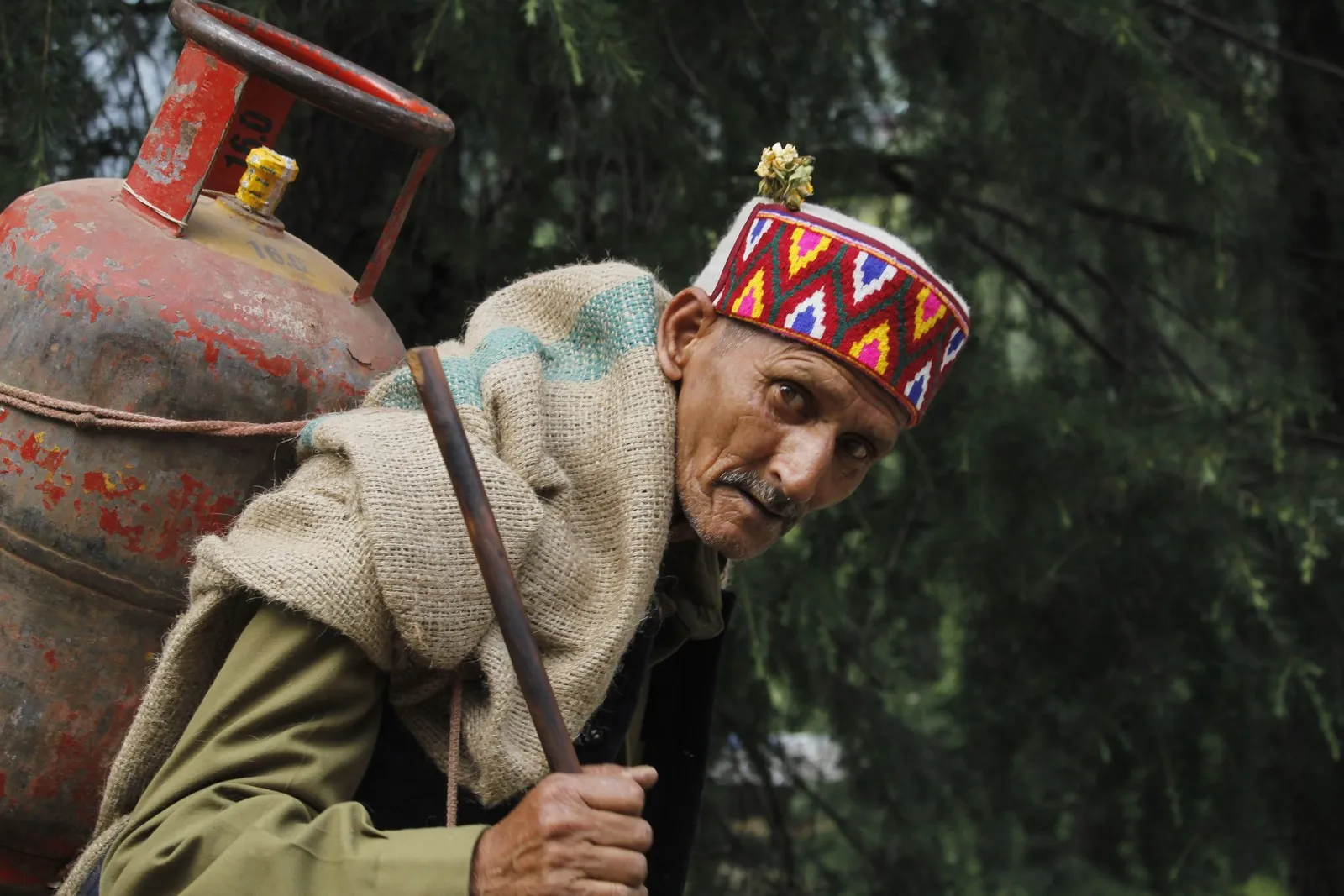
  • A man in a Kullu cap carrying a gas cylinder on his back, Manali
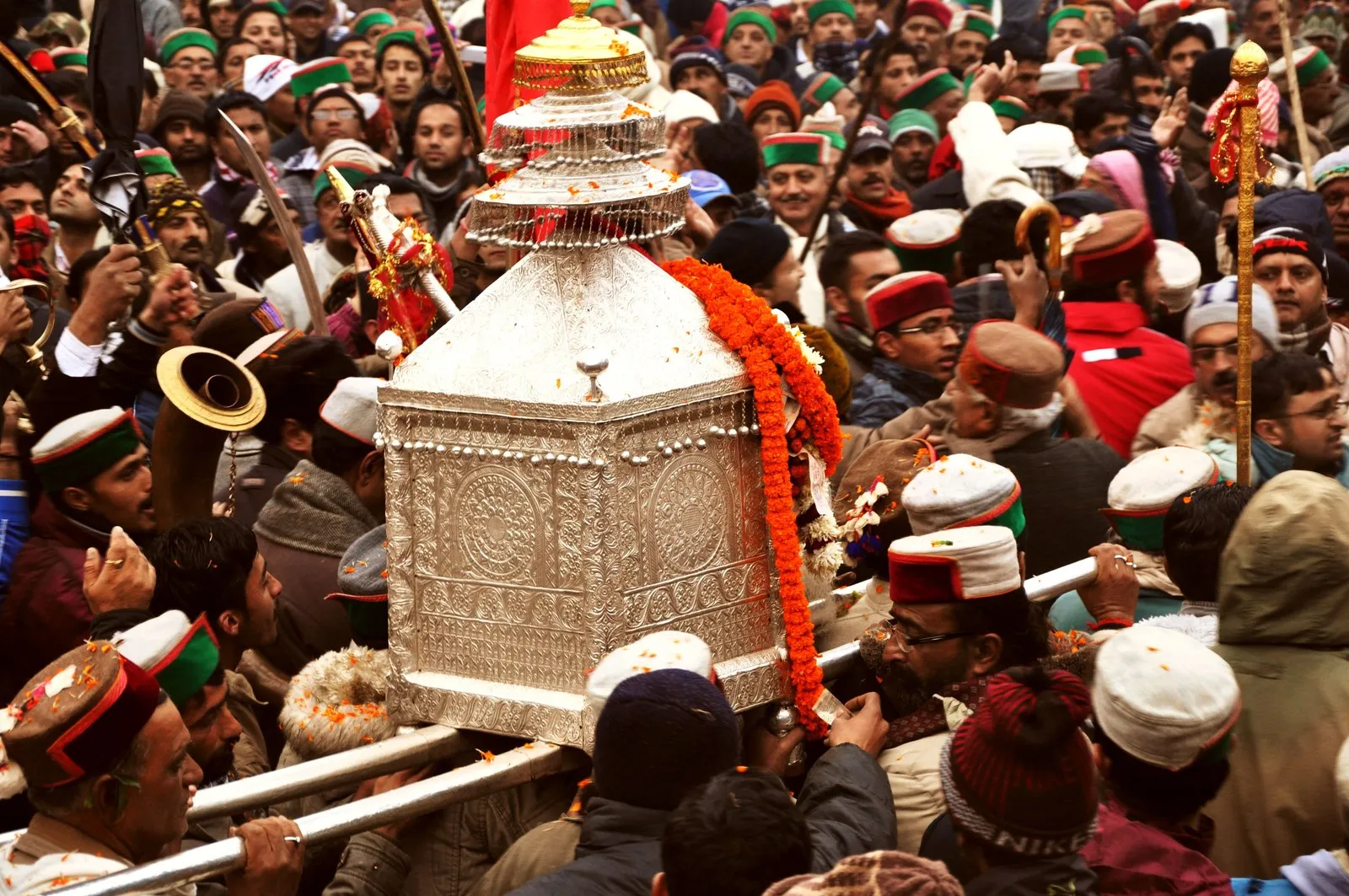
  • A village deity carried through a crowd in Himachali caps, Shimla district
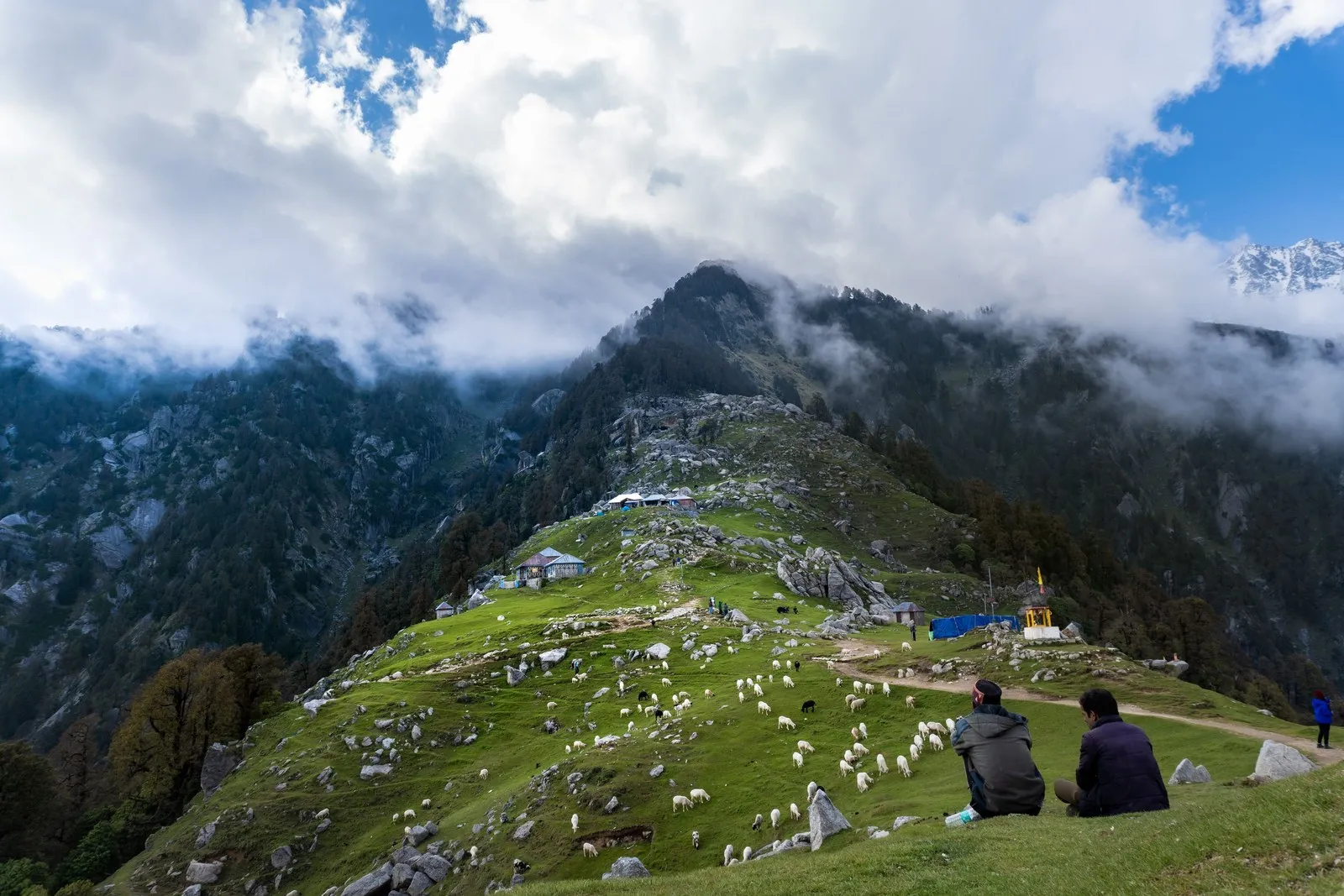
  • Sheep grazing on a green hillside above Dharamshala, clouds on the ridges
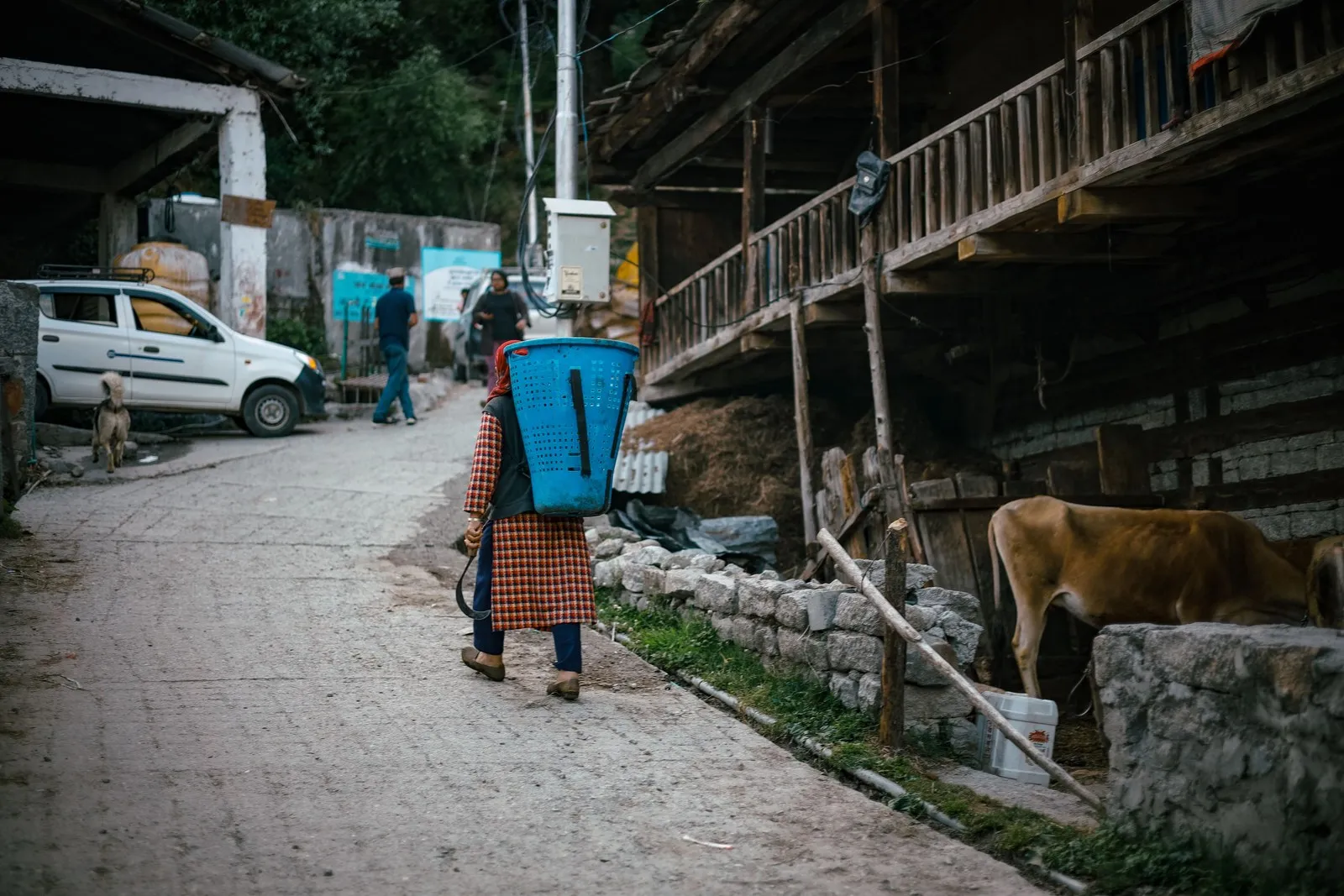
  • A woman carrying a basket on her back up a village lane in Manali
  • The tall statue of Hanuman among the cedars at the Jakhoo temple, Shimla
  • Walkers on the snowy slopes among the pines at Kufri, near Shimla

Reviews

In their own words

Word for word, several in Italian, because Italy found us early. 5.0 from 146 reviews on Google, and 5.0 from 200 on TripAdvisor.

I had an incredible adventure with Rang Travels in Northern India earlier this year! The tour was jam packed. I loved the beautiful forts and buildings we visited, the markets, as well as the stunning World Heritage hotels. This tour gave me a real taste for India, and I felt very comfortable for my first time visiting!

Read the whole review on Google

Jess Foster

Northern India · May 2025

1 / 19

Enquire

Plan my journey

Tell us where your India begins — we reply with a written itinerary.

Travellers
When, roughly
Interests
Or ask on WhatsApp

No obligation. We reply with a written itinerary, not a sales call.